How long do platypuses live?
Short answer
In the wild, platypuses typically live for 10 to 12 years. While their exact lifespan in nature is difficult to track due to their elusive, semi-aquatic behavior, individuals in captivity have been known to reach 17 to 20 years of age. Their survival depends heavily on environmental quality and food availability.
On this page
How long do platypuses live in the wild?
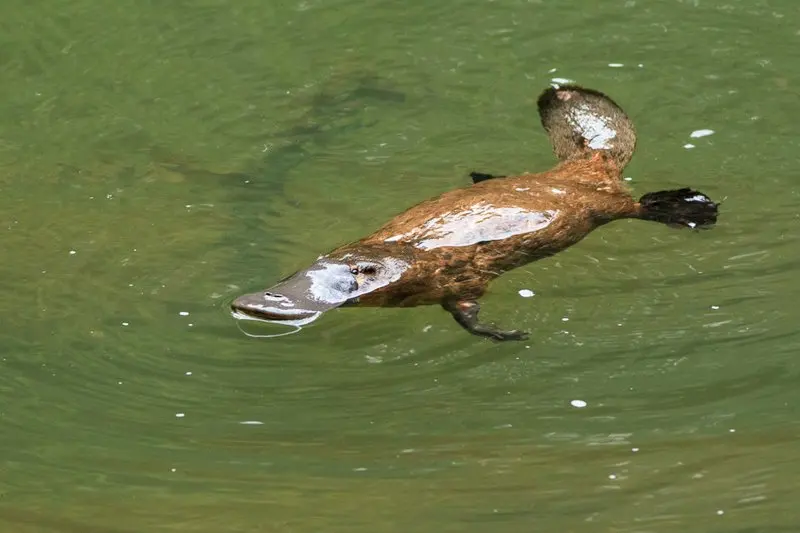
The average lifespan of a platypus in its natural habitat is estimated to be between 10 and 12 years. These unique monotremes face numerous environmental challenges that can shorten their lives, including predation, habitat degradation, and fluctuating water levels. Because they are shy and spend much of their time in complex burrow systems along riverbanks, researchers often rely on mark-recapture studies to estimate these ages.
Survival rates are often lower during the first year of life, as juvenile platypuses are more vulnerable to predators such as snakes, goannas, and birds of prey. Once they reach adulthood, they are generally apex predators within their niche, feeding on macroinvertebrates, worms, and shrimp. However, their reliance on clean, freshwater ecosystems makes them highly susceptible to the impacts of pollution and climate change, which can limit their longevity.
How long do platypuses live in captivity?
Platypuses kept in managed care environments often live longer than their wild counterparts, sometimes reaching 17 to 20 years. In these controlled settings, they are protected from natural predators and have consistent access to high-quality food sources. Veterinary oversight also plays a significant role in extending their lifespan by addressing health issues that would otherwise be fatal in the wild.
Despite these advantages, maintaining platypuses in captivity is notoriously difficult. They require highly specialized enclosures that mimic their natural riverine environments, including precise water temperatures and specific burrowing substrates. Because they are so difficult to keep, few zoos or research facilities worldwide maintain them. The following factors contribute to their extended lifespan in captivity:
- Consistent, high-protein diets consisting of yabbies and earthworms.
- Regular medical check-ups to monitor for common ailments like fungal infections.
- Protection from environmental pollutants and waterborne pathogens.
- Minimized stress through controlled human interaction and environmental enrichment.
Why does platypus lifespan vary?
Several biological and environmental factors influence how long an individual platypus survives. Genetic health, the availability of nesting sites, and the overall quality of the river system are primary determinants. In areas where human activity has caused significant erosion or water contamination, platypus populations often show shorter average lifespans and lower reproductive success rates.
Environmental stressors, such as prolonged droughts or severe flooding, can drastically impact food availability. Since platypuses must consume a significant percentage of their body weight daily to maintain their high metabolic rate, any disruption to their food supply can lead to rapid decline. Furthermore, the presence of invasive species, such as foxes and feral cats, poses a constant threat to platypuses when they emerge onto land to travel between river sections.
Common mistakes when observing platypuses
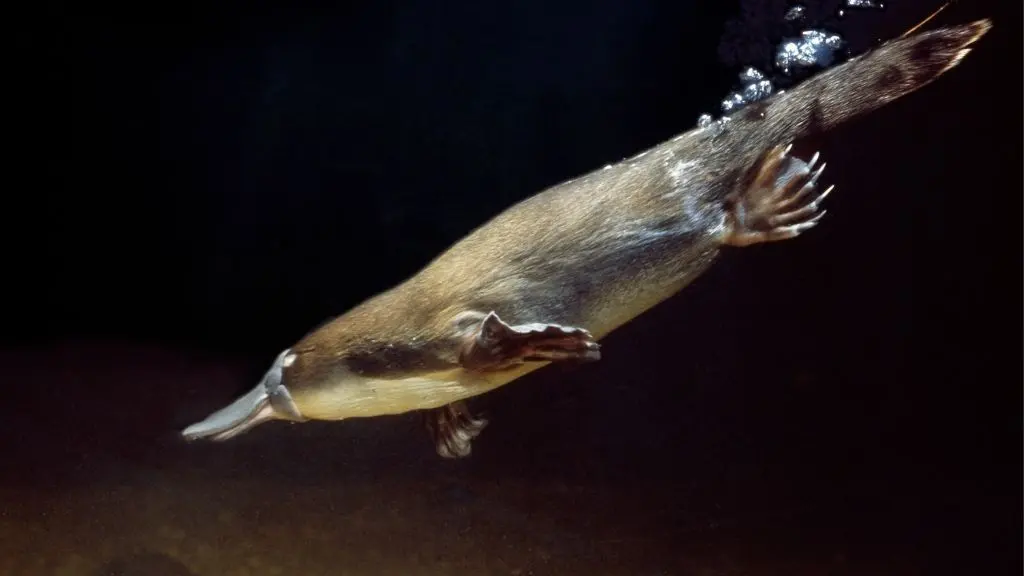
Many people attempt to track or observe platypuses in the wild without realizing the potential for harm. Because these animals are highly sensitive to human presence, improper observation techniques can cause them to abandon their burrows or interrupt essential feeding patterns. Avoiding these common mistakes is vital for the continued survival of the species:
- Do not approach or attempt to handle a platypus, as they possess venomous spurs on their hind limbs that can cause excruciating pain to humans.
- Avoid using bright lights or loud noises near riverbanks, especially during dawn and dusk when they are most active.
- Keep domestic pets away from known platypus habitats to prevent accidental predation or the spread of diseases.
- Do not feed them, as human food is nutritionally inappropriate and can cause severe digestive distress.
How to protect platypus habitats
Protecting the longevity of the platypus requires a collective effort to preserve the health of freshwater ecosystems. Since they are "sentinel species," their health directly reflects the quality of the water they inhabit. By taking proactive steps to reduce pollution and physical damage to riverbanks, communities can ensure that these animals survive for their full potential lifespan.
Effective conservation strategies focus on maintaining natural vegetation along riverbanks, which prevents erosion and provides the necessary structure for burrowing. Additionally, reducing the use of chemical fertilizers and pesticides in surrounding areas helps keep the water clean, ensuring that the invertebrate populations the platypus relies on remain abundant. Supporting local conservation groups that monitor water quality and manage invasive species is the most practical way to help protect this iconic species for future generations.
Key facts
- In the wild, most platypuses live between 10 and 12 years.
- Captive platypuses have been recorded living up to 17 years under specialized care.
- High mortality rates often occur during the first year of life due to predation and environmental stressors.
- Platypuses are primarily nocturnal, which helps them avoid diurnal predators that could shorten their lifespan.
- Habitat degradation and pollution are the primary factors that decrease the average life expectancy of wild populations.
- If you encounter a platypus in the wild, maintain a significant distance to avoid causing stress, which can negatively impact their survival.
The bottom line
The platypus typically lives for about 10 to 12 years in its natural habitat, though individuals in protected captivity may reach 17 years. Their longevity is heavily influenced by water quality, food availability, and the presence of predators. Because they are highly sensitive to environmental changes, protecting their riverine ecosystems is the most effective way to ensure these unique monotremes continue to thrive in the wild.
People also ask
Do male or female platypuses live longer?
There is no significant evidence suggesting a major difference in lifespan between the sexes. Both males and females face similar environmental pressures and predation risks throughout their lives.
What are the main predators of the platypus?
In the wild, platypuses are hunted by snakes, water rats, goannas, hawks, owls, and eagles. Introduced species like foxes and feral cats also pose a significant threat to their survival.
Can platypuses be kept as pets to ensure they live longer?
No, it is illegal to keep platypuses as pets in Australia and elsewhere. They have highly specialized dietary and environmental requirements that are nearly impossible to replicate in a home setting.
Why are platypuses so difficult to keep in captivity?
They require massive amounts of live food, such as yabbies and insect larvae, and very specific water conditions. Most zoos struggle to maintain them, which is why few facilities globally house the species.
How does the platypus environment affect its health?
Platypuses are extremely sensitive to water quality and temperature. Pollution, riverbank erosion, and drought can lead to disease outbreaks or starvation, significantly reducing their potential lifespan.
At what age do platypuses reach sexual maturity
Platypuses typically reach sexual maturity around two years of age. This relatively slow maturation rate means that population recovery can be difficult if many individuals are lost to environmental hazards.
This answer was created with the help of AI research tools and reference sources. Spotted an error? Let us know — we correct mistakes quickly. See our editorial policy.