What is Melbourne known for?
Short answer
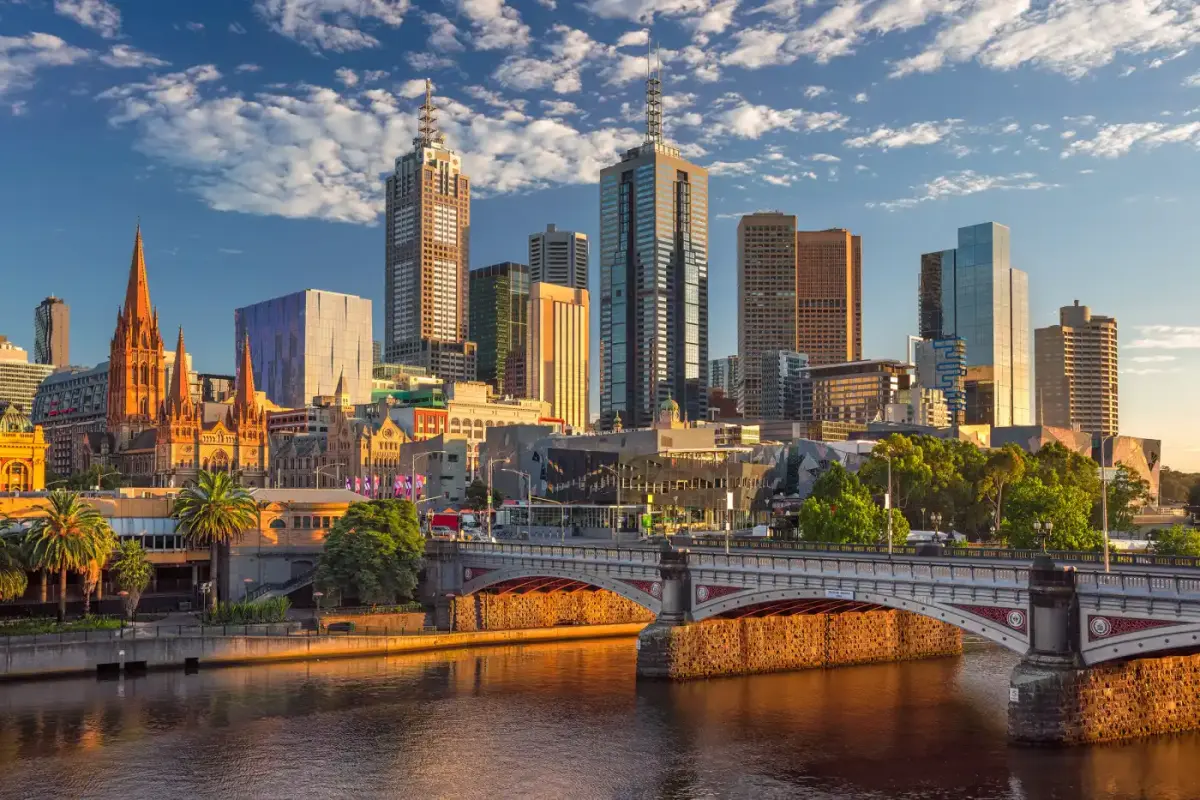
Melbourne is globally recognized as Australia’s cultural, sporting, and culinary capital. It is famous for its intricate network of Victorian-era laneways, a world-class coffee culture, and its status as the host of major international events like the Australian Open. The city consistently ranks among the most livable urban centers in the world.
On this page
Why is Melbourne famous for coffee?
Melbourne’s obsession with coffee traces back to the post-World War II migration of Italians and Greeks, who introduced espresso machines to the city. This heritage evolved into a sophisticated café culture that prioritizes independent roasters over large international chains. Today, the city is defined by its "laneway culture," where hidden cafes are tucked away in narrow alleys decorated with vibrant street art.
The local palate is highly discerning, expecting high-quality beans and precise preparation. If you visit, you will notice that "flat whites" and "long blacks" are the standard orders, rather than generic drip coffee. To experience the best of this scene, focus on these areas:
- Degraves Street and Centre Place: The quintessential laneway experience.
- Carlton: Known for its historic Lygon Street espresso bars.
- Fitzroy and Collingwood: The hub for artisanal, third-wave roastery cafes.
How to navigate Melbourne’s public transport
Melbourne features the world’s largest operational tram network, which is the most efficient way to navigate the inner city. The "Free Tram Zone" covers the central business district (CBD), allowing passengers to travel within the city center without paying a fare. For travel outside this zone, you must use a "myki" card, a reusable smart card that functions on all trams, trains, and buses.
To use the system effectively, follow these steps:
- Purchase a physical myki card at a station or convenience store, or use a digital card on Android devices.
- Always "touch on" at the reader when boarding a tram or entering a station.
- Remember to "touch off" when exiting trains or buses to ensure you are charged the correct fare.
- Check the PTV (Public Transport Victoria) app for real-time arrival updates, as service frequencies can vary during weekends or late nights.
Best time of year to visit Melbourne
Melbourne is known for experiencing "four seasons in one day," a testament to its unpredictable weather patterns. The most pleasant time to visit is during the shoulder seasons of spring (September to November) and autumn (March to May). During these months, temperatures are mild, typically ranging from 15°C to 22°C, making it ideal for walking tours and outdoor dining.
Summer, spanning December to February, is peak season for major sporting events like the Australian Open and the Boxing Day Test cricket match. While the weather is warm, it can occasionally reach extreme heat spikes. Winter, from June to August, is cooler and wetter, but it is the best time to enjoy the city’s indoor museums, theaters, and cozy dining rooms. Regardless of when you arrive, always carry a light jacket or an umbrella to remain prepared for sudden shifts in conditions.
Common mistakes when visiting Melbourne
Many travelers make the mistake of staying only within the CBD, missing out on the unique character of the inner-city suburbs. Each neighborhood possesses a distinct identity, such as the bohemian vibe of St Kilda or the upscale boutiques found in South Yarra. Another frequent error is underestimating the distance between tourist attractions; while the city is walkable, using the tram network saves significant time and energy.
Avoid these common pitfalls to ensure a smoother trip:
- Assuming all shops and cafes stay open late; many suburban businesses close by 5:00 PM on weekdays.
- Forgetting to validate your myki card, which can lead to hefty fines from transit officers.
- Neglecting to book popular restaurants in advance, especially on Friday and Saturday nights.
- Relying solely on a car, as parking in the city center is expensive and often difficult to find.
What are the must-see cultural landmarks?
Melbourne serves as the sporting and cultural heart of Australia, housing iconic venues and institutions. The Melbourne Cricket Ground (MCG) is a legendary stadium that holds over 100,000 spectators and serves as the spiritual home of Australian Rules Football. A short walk away, the National Gallery of Victoria (NGV) offers a world-class collection of art, ranging from indigenous works to international masterpieces, often hosting exclusive global exhibitions.
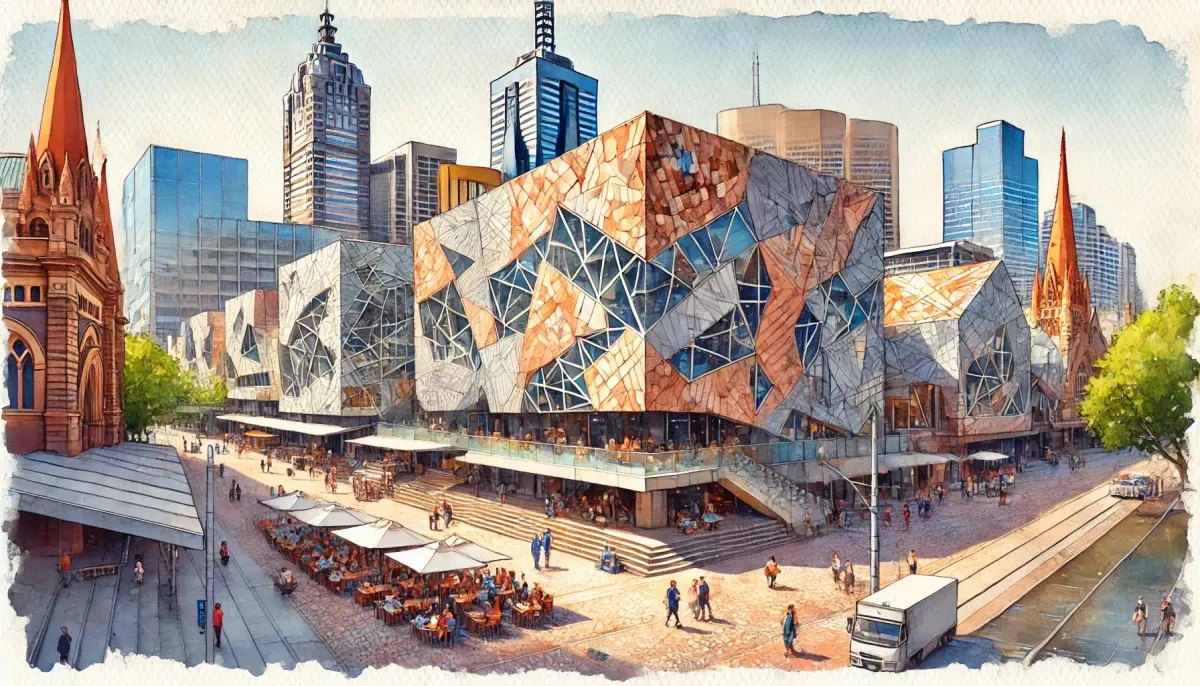
Beyond these landmarks, the city’s history is preserved in its architecture, such as the Flinders Street Railway Station and the Royal Exhibition Building. To truly understand the city, explore the Queen Victoria Market, which has been operating since 1878 and remains the largest open-air market in the Southern Hemisphere. Whether you are browsing the stalls for local produce or attending a major international festival, these sites provide a comprehensive look at the diverse history and modern vitality that define Melbourne’s unique character on the global stage.
Key facts
- Melbourne is the capital of the state of Victoria and the second-largest city in Australia, with a population exceeding 5 million people.
- The city is globally recognized for its "laneway culture," featuring hundreds of hidden cafes, street art murals, and independent boutiques tucked into narrow alleys.
- It hosts the Australian Open every January, one of the four prestigious Grand Slam tennis tournaments, at Melbourne Park.
- The Melbourne Cricket Ground (MCG) is the city's sporting heart, boasting a capacity of over 100,000 spectators for major events like the AFL Grand Final.
- The city operates the world's largest operational tram network, which covers more than 250 kilometers of track throughout the metropolitan area.
- Visitors should avoid tipping in restaurants, as it is not customary in Australia and service charges are already included in menu prices.
The bottom line
Melbourne stands out as a vibrant cultural hub defined by its sophisticated coffee scene, world-class sporting events, and unique European-style architecture. Whether you are exploring the colorful street art in Hosier Lane or catching a tram to the beach, the city offers a blend of urban energy and relaxed charm. It remains an essential destination for travelers seeking a refined, diverse, and highly walkable Australian experience.
People also ask
What is the best time of year to visit Melbourne?
The best time to visit is during the shoulder seasons of spring (September to November) or autumn (March to May) to enjoy mild temperatures. Summers can be quite hot, while winters are generally cool and damp.
Is it easy to get around Melbourne without a car?
Yes, Melbourne has an excellent public transport system consisting of trains, trams, and buses. The "Free Tram Zone" in the central business district allows passengers to travel within the city center for free.
What is the significance of AFL in Melbourne?
Australian Rules Football (AFL) is a cultural phenomenon in Melbourne, with several local teams competing throughout the winter months. Attending a match at the MCG is considered an essential experience for understanding local social life.
Are there any unique day trips near the city?
The Great Ocean Road is the most famous day trip, offering dramatic coastal scenery and the iconic Twelve Apostles rock formations. Phillip Island is another popular destination for viewing the nightly "Penguin Parade."
What is the weather like in Melbourne?
Melbourne is famous for experiencing "four seasons in one day," meaning weather conditions can change rapidly. It is highly recommended to dress in layers and always carry a compact umbrella or raincoat regardless of the morning forecast.
What is the coffee culture like?
Melbourne is widely considered the coffee capital of the world, with a deep-rooted obsession for high-quality espresso. When ordering, ask for a "flat white," which is the quintessential local beverage consisting of espresso with silky, micro-foamed milk.
This answer was created with the help of AI research tools and reference sources. Spotted an error? Let us know — we correct mistakes quickly. See our editorial policy.
![What Singapore Is Famous for: 13 Iconic Things [2026]](/img/8b/what-is-singapore-known-for-1.webp)