How long do cats live?
Short answer
The average lifespan of an indoor domestic cat typically ranges from 12 to 18 years, though many live into their early twenties with proper care. Outdoor cats have significantly shorter lifespans, often averaging only 2 to 5 years due to increased risks from predators, traffic, disease, and environmental hazards.
On this page
How long do indoor versus outdoor cats live?
The environment in which a cat resides is the single most significant factor in determining its longevity. Indoor cats are protected from the primary causes of premature death, such as vehicular accidents, infectious diseases spread by stray populations, and attacks from wildlife or other animals. Because they live in a controlled, safe setting, their health can be monitored more closely, allowing owners to address chronic conditions before they become life-threatening.
Conversely, outdoor cats face a harsh reality that drastically reduces their life expectancy. Even cats that are allowed to roam only occasionally face heightened risks that cumulative exposure makes dangerous. Veterinary data suggests that the life of an outdoor cat is often cut short by trauma or ingestion of toxic substances. While some outdoor cats may reach advanced ages, they are the exception rather than the rule. Providing a secure indoor environment is the most effective way to ensure a feline companion reaches its full biological potential.
What factors affect a cat's lifespan?
Genetics, nutrition, and preventative veterinary care are the pillars of a long life for any feline. Breed-specific traits can predispose some cats to certain health issues, such as hypertrophic cardiomyopathy in Maine Coons or kidney disease in Persians. However, regardless of breed or heritage, the quality of a cat's diet plays a critical role in preventing obesity, which is a leading cause of diabetes and joint degradation.
Regular medical checkups are essential for catching age-related illnesses early. As cats enter their senior years, usually around age 10 or 11, their metabolic needs change significantly. Owners should prioritize the following to support long-term health:
- Annual blood work to monitor kidney and liver function.
- Dental cleanings to prevent periodontal disease and systemic infection.
- Weight management through portion-controlled, high-quality nutrition.
- Consistent vaccination schedules to prevent common viral infections.
How can I help my cat live longer?
Extending a cat's life requires proactive engagement and attention to subtle behavioral changes. Cats are masters at masking pain, so owners must observe their pets for signs of distress, such as lethargy, changes in appetite, or hiding. Early intervention is often the difference between a manageable condition and a terminal diagnosis.
To maximize your cat's health, follow these steps:
- Schedule a comprehensive wellness exam at least once a year.
- Provide fresh, clean water daily to support kidney health.
- Engage in daily play to maintain muscle tone and mental stimulation.
- Keep the environment stress-free by providing vertical spaces and hiding spots.
- Brush your cat regularly to reduce hairballs and monitor for skin abnormalities.
Avoid the common mistake of assuming that a cat is healthy simply because it is eating well. Cats often continue to eat even when suffering from significant internal pain or illness.
What are the signs of aging in cats?
As cats transition into their senior and geriatric years, their bodies undergo predictable physical and cognitive changes. You may notice a thinning of the coat, a decrease in muscle mass, or a tendency to sleep for longer periods throughout the day. Some cats also develop cloudiness in their eyes, known as nuclear sclerosis, which is a normal part of aging and generally does not cause blindness.
Cognitive dysfunction syndrome, similar to dementia in humans, can occur in very old cats. Signs include vocalizing at night, confusion, or forgetting the location of the litter box. While these changes are difficult to witness, they can often be managed with environmental adjustments, such as nightlights, easier access to food, and increased affection. Understanding these milestones helps owners adjust their expectations and provide the necessary accommodations to keep their aging companions comfortable and secure in their final years.
Common mistakes when caring for senior cats
One of the most frequent errors is failing to modify the home environment to accommodate a cat’s decreasing mobility. As cats age, they may develop arthritis, making it difficult to jump onto high surfaces or climb into deep litter boxes. Owners should provide ramps or steps to favorite resting spots and ensure that litter boxes have low-entry points to prevent accidents. Ignoring these physical limitations often leads to frustration for both the cat and the owner.
Another common mistake is neglecting dental health in older cats. Many owners believe that bad breath is normal for an aging animal, but it is often a sign of severe tooth decay or gum disease. This discomfort can lead to a cat refusing to eat, which triggers a rapid decline in health. Always consult with a veterinarian regarding pain management for arthritic cats, as over-the-counter medications for humans can be fatal to felines. By addressing these practical needs, you ensure your cat enjoys a high quality of life throughout its entire senior journey.
Key facts
- The average lifespan of an indoor cat is typically between 12 and 18 years.
- Outdoor cats have a significantly shorter life expectancy, often averaging only 2 to 5 years due to hazards.
- Spaying or neutering your cat can increase their lifespan by reducing the risk of reproductive cancers and roaming behaviors.
- Providing a high-quality, balanced diet helps prevent obesity, which is a leading cause of diabetes and joint issues in cats.
- Regular veterinary check-ups at least once a year are essential for detecting age-related conditions like kidney disease early.
- Keeping your cat indoors protects them from traffic, predators, and infectious diseases spread by other animals.
The bottom line
The lifespan of a cat is largely determined by their environment, diet, and access to medical care. By keeping your pet indoors, ensuring they maintain a healthy weight, and scheduling annual veterinary visits, you significantly increase the likelihood of them living into their late teens. Investing in preventative care is the most effective way to help your feline companion enjoy a long, comfortable, and happy life.
People also ask
Do indoor cats live longer than outdoor cats?
Yes, indoor cats live significantly longer because they are protected from predators, vehicle accidents, and contagious diseases. Outdoor cats face environmental dangers that frequently shorten their lives.
What is considered senior for a cat?
Cats are generally considered seniors once they reach 11 to 14 years of age. Geriatric status is usually applied to cats that are 15 years or older.
How can I tell if my cat is aging prematurely?
Look for signs such as sudden weight loss, changes in appetite, increased thirst, or difficulty jumping onto furniture. These symptoms often indicate underlying health issues that require a professional diagnosis.
Does breed influence how long a cat lives?
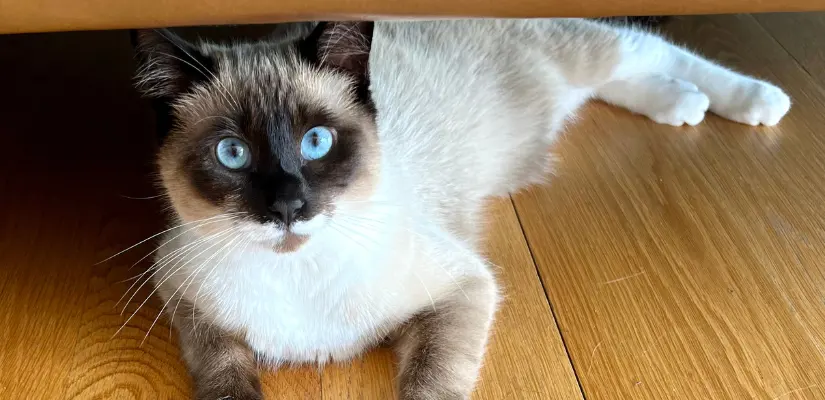
Yes, certain breeds have different life expectancies due to genetic predispositions. For example, Siamese cats are known for their longevity, while some other breeds may be prone to specific hereditary heart or kidney conditions.
What is the most common cause of death in older cats?
Chronic kidney disease and cancer are among the most common causes of death in aging cats. Early detection through blood work and physical exams can help manage these conditions effectively.
Can dental health affect a cat's lifespan?
Poor dental health can lead to systemic infections that impact the heart, liver, and kidneys. Regular teeth cleaning and monitoring for gum disease are vital for long-term health.
This answer was created with the help of AI research tools and reference sources. Spotted an error? Let us know — we correct mistakes quickly. See our editorial policy.