What is a group of swans called?
Short answer
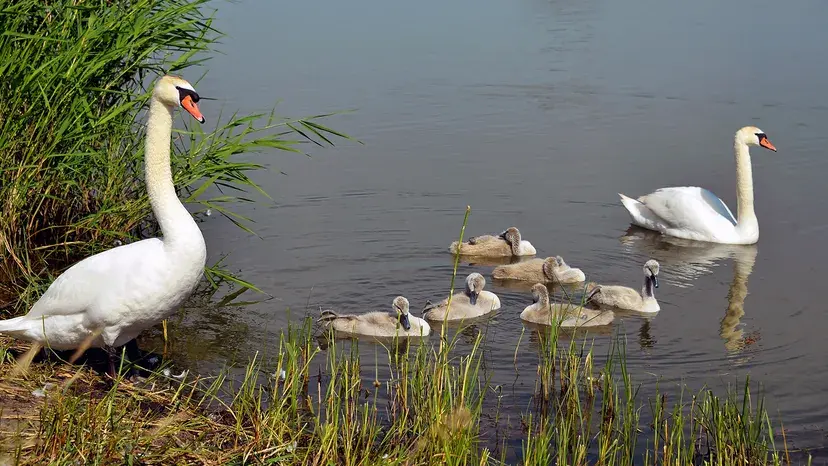
A group of swans is most commonly called a bevy. When the birds are in flight, they are frequently referred to as a wedge or a lamentation. On the water, a group may also be called a bank. These collective nouns are rooted in historical traditions of hunting and poetic observation.
On this page
What is the correct term for a group of swans?
The terminology used to describe groups of animals, often called terms of venery, dates back to the late Middle Ages. While "bevy" is the most widely recognized term for a group of swans, language remains fluid and context-dependent. The specific word chosen often relies on whether the birds are resting on land or moving through the air.
Beyond the standard "bevy," observers sometimes use more descriptive or whimsical terms. These collective nouns were popularized in literature and hunting manuals, such as the Book of Saint Albans from 1486. While these terms are technically correct in a linguistic sense, they are rarely used in scientific ornithological reports, which prefer the simple term "flock."
Why are there different names for swans in flight?
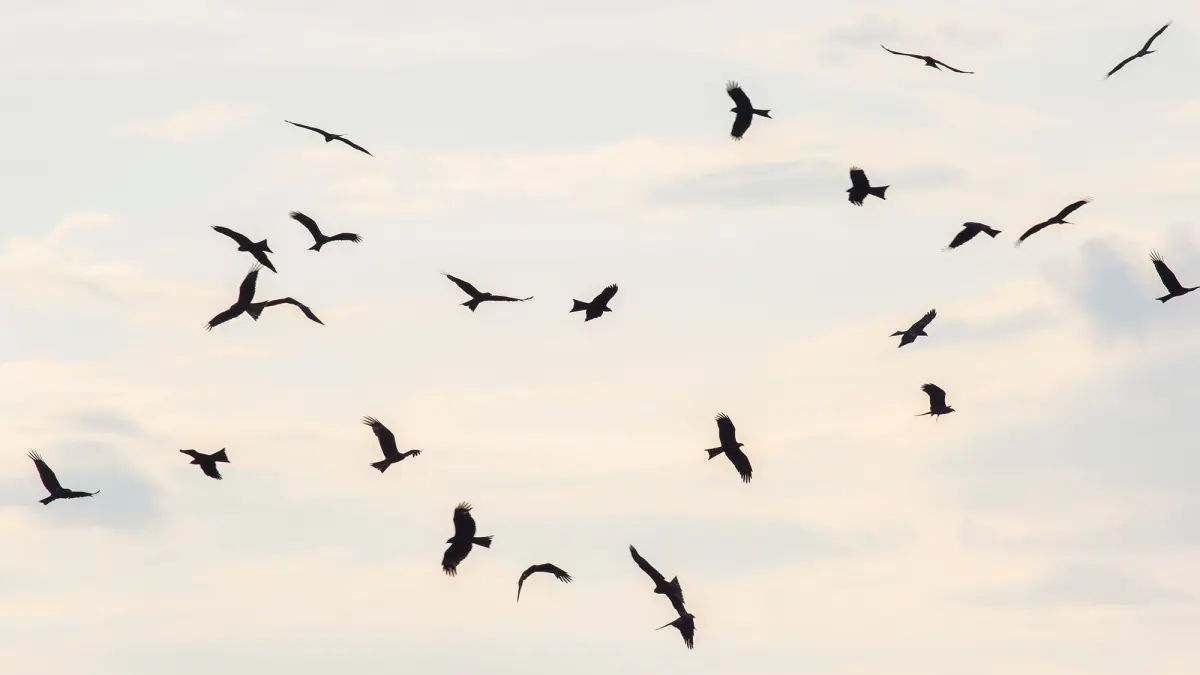
Swans are large, heavy birds that require significant energy to take off and maintain altitude. When traveling long distances, they often fly in a V-formation to reduce wind resistance and conserve energy. This specific aerial arrangement is why a group of swans in the air is frequently called a "wedge."
Another poetic term for swans in flight is a "lamentation." This name likely stems from the mournful, trumpet-like calls that many species, such as the Trumpeter Swan, emit while migrating. Understanding these distinctions helps birdwatchers communicate more effectively. The following list summarizes the common terms based on the birds' activity:
- Bevy: The standard term for a group of swans on the ground or water.
- Wedge: Used specifically when the birds are flying in a V-formation.
- Lamentation: A poetic term for swans in flight, referencing their vocalizations.
- Bank: An alternative term for a group of swans resting on water.
How to identify a group of swans in the wild
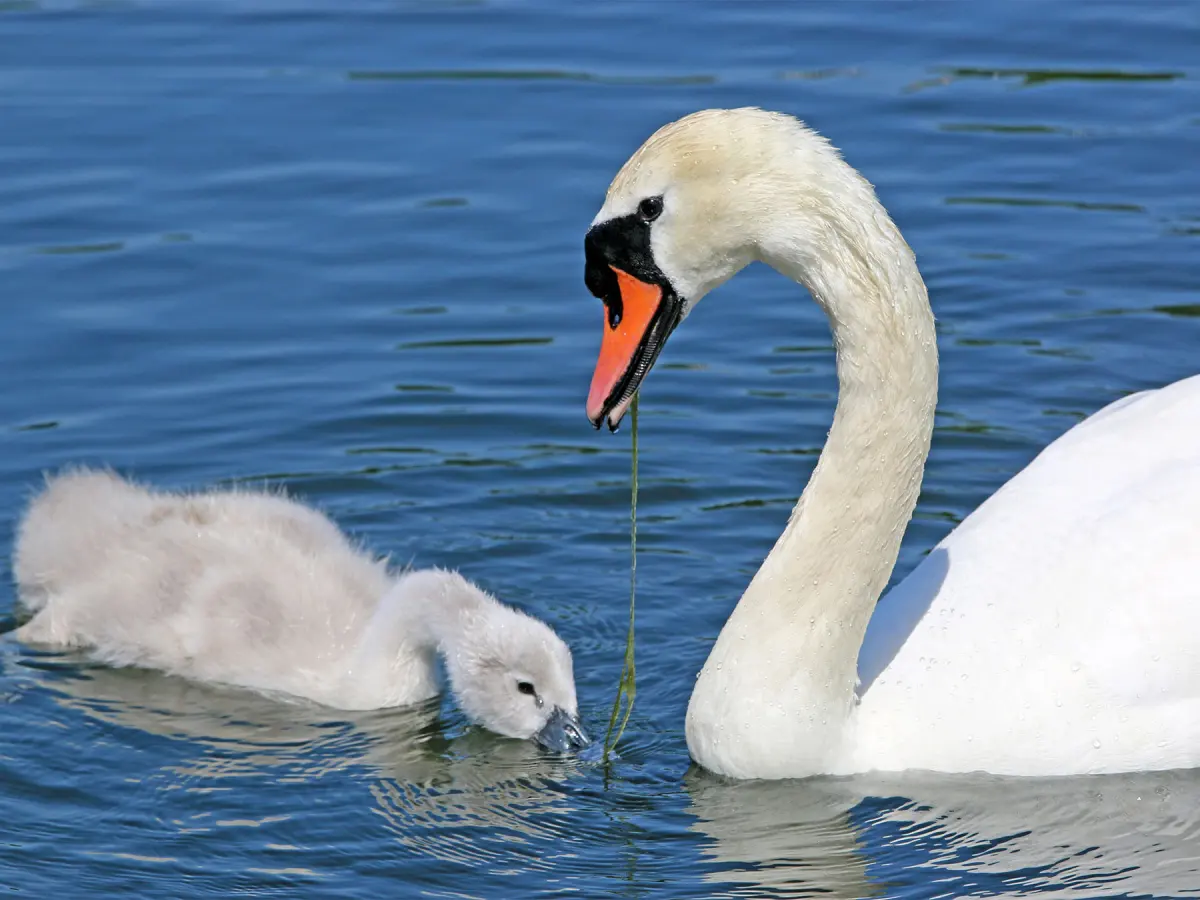
Identifying swans requires observing their size, neck posture, and habitat. Swans are the largest members of the Anatidae family, which also includes geese and ducks. Unlike geese, which often have shorter necks, swans possess long, elegant necks that they hold straight or in a gentle curve.
When observing a group, look for these specific physical traits to distinguish them from other waterfowl:
- Check the bill color and shape, as these are primary indicators of the species.
- Observe the neck posture; swans typically hold their necks vertically or in a slight "S" curve.
- Listen for distinct calls, as many species are highly vocal during the breeding season.
- Note the plumage color, as most adult swans are entirely white, though some species have black feathers.
Common mistakes when identifying swan groups
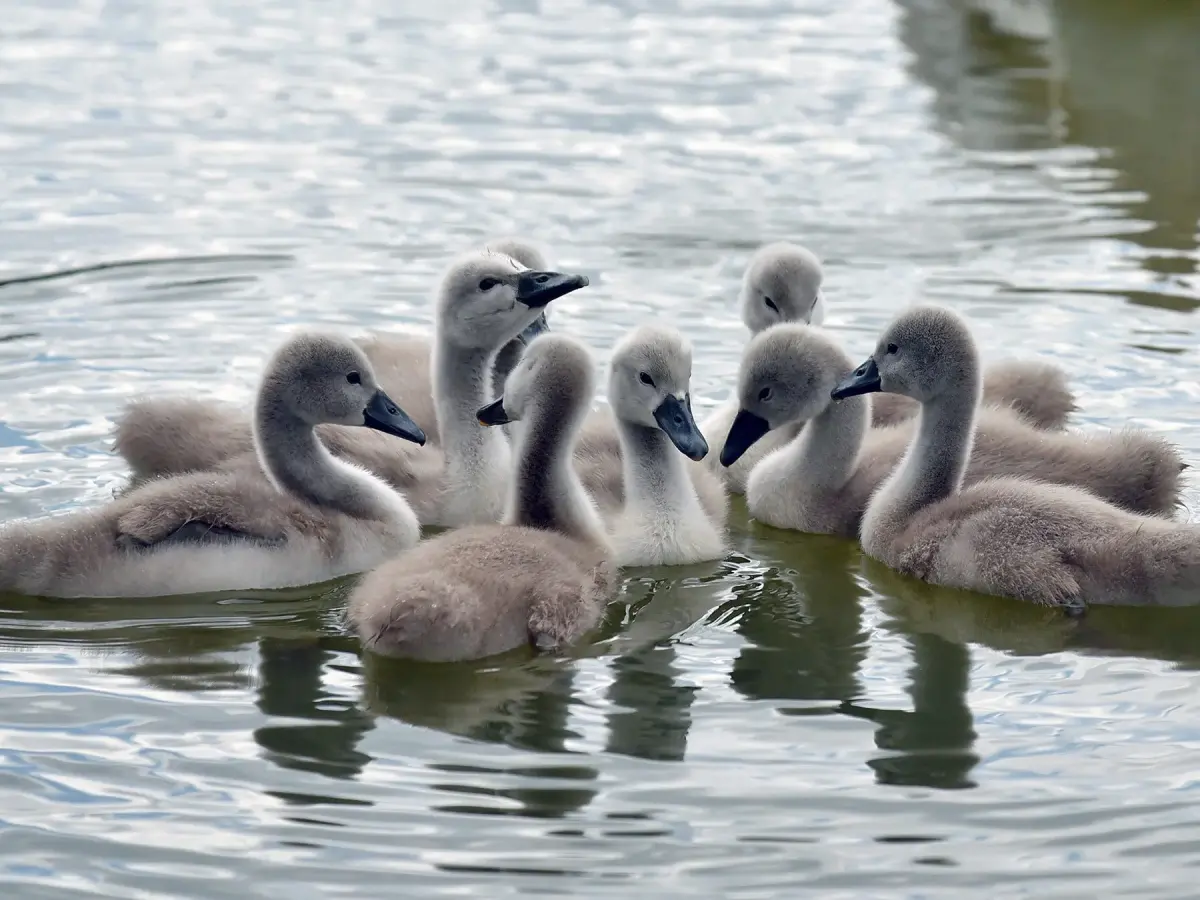
A frequent error is confusing a group of swans with a group of geese. While both belong to the same family, swans are significantly larger and lack the distinct facial markings found on many goose species, such as the Canada Goose. Mistaking a group of immature swans, known as cygnets, for a different species is also common because their feathers are often gray or brown.
Another mistake involves assuming that all white waterfowl are swans. Large white birds like egrets or pelicans are sometimes misidentified as swans by casual observers. To avoid these errors, focus on the bird's bill and feet. Swans have webbed feet and broad, flat bills, whereas egrets are wading birds with sharp, pointed beaks and long, thin legs. Always use binoculars to get a clear view of these structural details before finalizing your identification.
Where to find swans in their natural habitat
Swans are primarily found in temperate climates, often near large, shallow bodies of water. They require significant space for landing and takeoff, making lakes, ponds, and slow-moving rivers ideal environments. During the winter, many species migrate to coastal estuaries or sheltered bays where the water remains ice-free and food is accessible.
If you are planning to observe a group of swans, consider the following environmental factors:
- Proximity to vegetation: Swans are herbivores and spend much of their time grazing on aquatic plants.
- Seasonal timing: Many species are most active and visible during the spring nesting season or late autumn migration.
- Human disturbance: Swans are sensitive to noise and nearby activity, so maintain a respectful distance to avoid causing them stress.
- Protected areas: National wildlife refuges often provide the best opportunities to see large groups of swans in a natural, undisturbed setting throughout the entire year.
Key facts
- A group of swans in flight is most commonly referred to as a "wedge."
- When resting on the water, a group of swans is known as a "bevvy."
- A group of swans on the ground is often called a "bank."
- The term "game" is occasionally used to describe a group of swans, though it is less common in modern usage.
- Cygnets, or young swans, are sometimes referred to as a "flock" or "brood" when they are with their parents.
- Avoid using the term "herd" for swans, as this is typically reserved for larger mammals like cattle or deer.
The bottom line
While the collective noun for a group of swans changes depending on whether they are flying, swimming, or walking, "wedge," "bevvy," and "bank" remain the standard terms. Understanding these distinctions adds precision to your observations of these elegant birds. Whether you encounter them in the air or on a local pond, recognizing their social behavior and territorial nature ensures a safe and informed birdwatching experience.
People also ask
How can you tell the difference between a male and female swan?
Male swans, known as cobs, are generally larger and have more pronounced knobs at the base of their bills. Females, called pens, are typically smaller and have more slender necks.
Do swans mate for life?
Most swan species are socially monogamous and form long-term pair bonds that can last for many years. However, they may occasionally find a new partner if their mate dies or if the pair fails to produce offspring.
Are swans aggressive toward humans?
Swans are highly territorial, especially during the nesting season in spring. They may hiss, flap their wings, or charge if they feel their nest or cygnets are threatened.
What do swans eat?
Swans are primarily herbivores that feed on aquatic vegetation, grasses, and pond weeds. They use their long necks to reach plants at the bottom of shallow water bodies.
Read the full answer →Why do swans tuck one leg into their feathers?
Swans tuck a leg into their plumage to conserve body heat while resting on the water. This behavior helps them maintain their core temperature in cold environments.
How many species of swans exist worldwide?
There are seven recognized species of swans found across the globe. These include the Mute Swan, Trumpeter Swan, Tundra Swan, Whooper Swan, Black Swan, Black-necked Swan, and Coscoroba Swan.
This answer was created with the help of AI research tools and reference sources. Spotted an error? Let us know — we correct mistakes quickly. See our editorial policy.