Where do foxes live?
Short answer
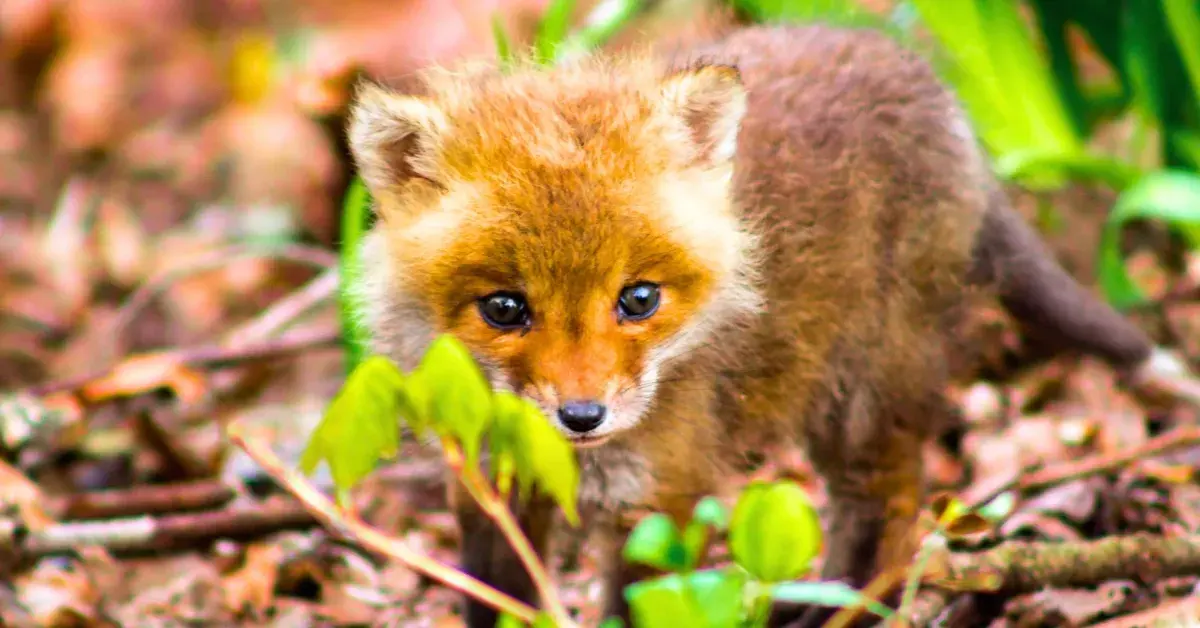
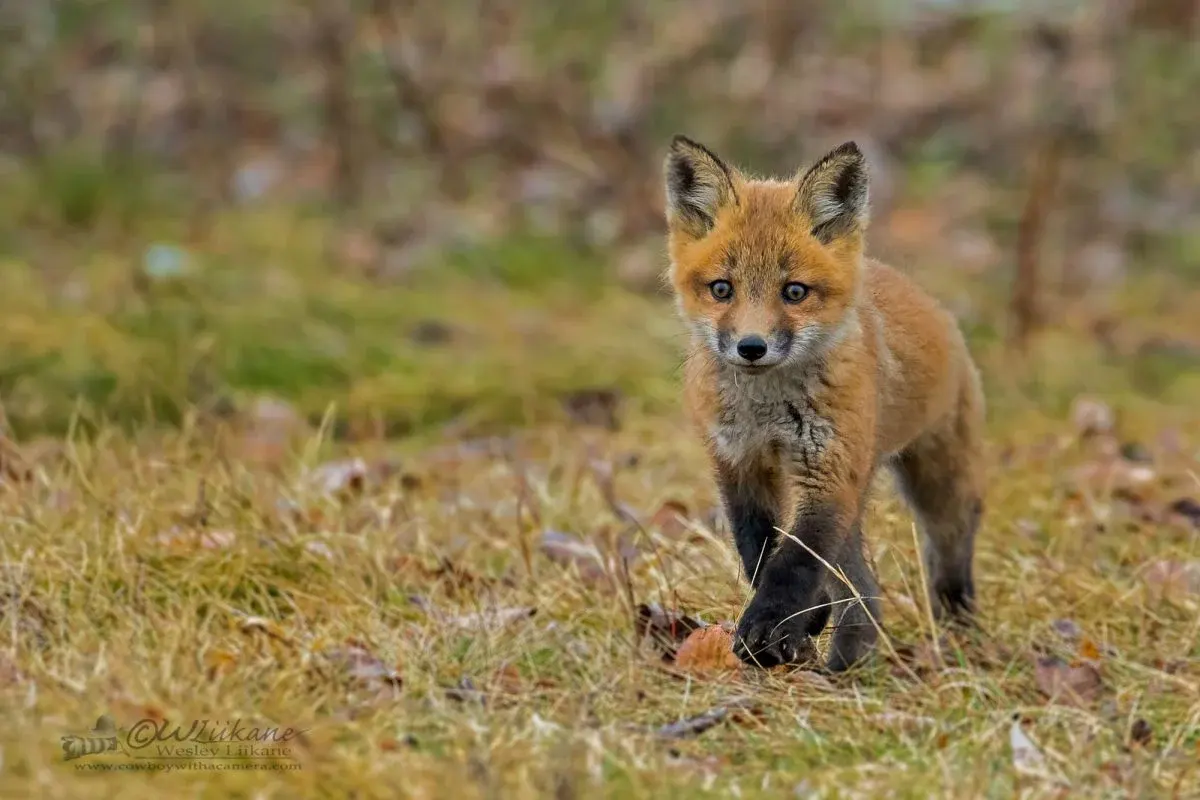
Foxes live on every continent except Antarctica, demonstrating remarkable adaptability across diverse environments. While they are most commonly associated with forests and grasslands, they frequently inhabit mountains, deserts, and urban areas. These opportunistic mammals thrive in nearly any climate, provided they can find adequate shelter and a reliable food source nearby.

On this page
Where do foxes live in the wild?
Foxes are members of the Canidae family and are among the most geographically widespread land mammals on Earth. The red fox, the most common species, occupies a vast range spanning from the Arctic Circle to North Africa and across much of North America and Eurasia. They prefer mosaic landscapes, which are areas featuring a mix of woodland, scrub, and open fields, as these environments provide both hunting grounds and protective cover.
In addition to forests, foxes are highly successful in extreme environments. The fennec fox, for instance, is specialized for life in the Sahara Desert, utilizing its large ears to dissipate heat. Conversely, the Arctic fox survives in some of the coldest regions on the planet by utilizing a dense winter coat and a low surface-area-to-volume ratio to conserve body heat. Their ability to den in various terrains—from rocky crevices to self-dug burrows—allows them to secure territory in almost any biome.
How do foxes adapt to urban environments?
Urbanization has created new niches for foxes, particularly in densely populated regions of Europe, North America, and Australia. These "urban foxes" have learned to exploit human-modified landscapes by utilizing gardens, railway embankments, and abandoned industrial sites as denning locations. They are nocturnal by nature, which allows them to navigate city streets under the cover of darkness while avoiding direct human contact.
The success of foxes in cities is largely attributed to their dietary flexibility. Unlike specialized predators, foxes are omnivorous scavengers that readily consume human food waste, pet food left outdoors, and small rodents that thrive near human infrastructure. They have developed a high tolerance for human activity, often becoming bold enough to den beneath sheds or porches. This proximity to humans requires them to be cautious, yet they remain highly efficient at extracting resources from suburban ecosystems.
- Access to human refuse and compost bins.
- Availability of sheltered spaces under garden structures.
- Reduced competition from larger apex predators.
- High density of small prey like rats and mice.
How to identify a fox den?
A fox den, or earth, is a critical component of their life cycle, especially during the breeding season. Foxes often repurpose abandoned burrows created by badgers or rabbits, though they are perfectly capable of excavating their own. A typical den features multiple entrances, which serve as emergency exits if the family is threatened. You can often identify a den by looking for specific physical markers in the landscape.
To locate or identify a den, look for these signs:
- A mound of excavated earth, often called a "spoil heap," located near the entrance.
- Distinctive musky odors emanating from the burrow area.
- Scattered prey remains, such as feathers or small bones, left near the tunnel openings.
- Flattened vegetation or "play areas" where kits congregate outside the den.
Avoid disturbing these sites, as foxes are sensitive to human interference. If you find a den, observe from a significant distance to ensure the safety of the kits and to prevent the parents from abandoning the site.

Why do foxes change their living habits?
Foxes are not strictly territorial in the way wolves are, but they do maintain home ranges that they defend against intruders of the same species. The size of these ranges fluctuates based on the availability of food; in resource-rich areas, a fox may only need a few hectares, while in barren regions, they may roam over several square kilometers. Seasonal changes also dictate their movements, as they must adjust their hunting patterns to match the shifting availability of prey.
During the winter months, foxes may become more nomadic if natural food sources become scarce. However, during the spring, their habits become sedentary because the female must remain near the den to nurse and protect the kits. This transition from a roaming hunter to a stationary parent is a vital survival strategy. By concentrating their efforts on a specific den site during the vulnerable early weeks of a kit's life, they ensure the next generation has the best chance of reaching maturity.
Common mistakes when observing foxes?
Many people inadvertently cause stress to foxes by attempting to interact with them or by altering their natural environment. One of the most frequent errors is providing supplemental food, which can lead to "nuisance" behavior. When foxes become habituated to human-provided meals, they lose their natural wariness, which can lead to conflict with neighbors or dangerous encounters with traffic. Feeding also encourages foxes to congregate in areas where they might not naturally thrive, leading to territorial disputes.
Another common mistake is encroaching on den sites during the spring. Loud noises, bright lights, or physical proximity near a den can cause the mother to relocate her kits, which puts the young at extreme risk of exposure or predation. If you wish to observe foxes, follow these guidelines:
- Use binoculars or a camera with a long telephoto lens.
- Maintain a distance of at least 30 to 50 meters.
- Keep dogs on a leash if you are in an area known for fox activity.
- Never attempt to touch or corner a fox, as they may bite if they feel threatened.
Key facts
- Foxes are found on every continent except Antarctica, demonstrating extreme adaptability to diverse climates.
- The red fox (Vulpes vulpes) is the most widely distributed carnivore in the world, thriving in both rural and urban settings.
- Foxes typically live in dens, which are underground burrows often repurposed from other animals like badgers or rabbits.
- Urban foxes utilize man-made structures such as crawl spaces, sheds, and garden decking for shelter and nesting.
- They are solitary hunters and generally do not live in packs, preferring to occupy a home range that they defend.
- To prevent foxes from denning under your home, seal off foundation gaps with heavy-gauge wire mesh buried at least 12 inches deep.
The bottom line
Foxes are incredibly versatile animals that inhabit nearly every corner of the globe, from frozen tundras to bustling city centers. By utilizing underground dens and hidden crevices, they successfully navigate both wild and human-dominated landscapes. Understanding that these creatures are solitary, opportunistic survivors helps explain why they appear in our backyards, emphasizing the importance of securing property to prevent unwanted denning in residential areas.
People also ask
Do foxes live in the same den all year round?
Generally, foxes only use a den consistently when they are raising kits during the spring. Outside of the breeding season, they often sleep in the open or in temporary resting spots like thickets or tall grass.
How large is a typical fox territory?
The size of a fox's home range varies significantly based on food availability and population density. In rural areas, a territory may span several square miles, while urban foxes often survive in much smaller ranges of less than one square mile.
Can foxes live in desert environments?
Yes, species like the fennec fox are specifically adapted to harsh desert climates. They possess large ears that help dissipate body heat and thick fur on their paws to protect them from hot sand.
Do foxes live in trees?
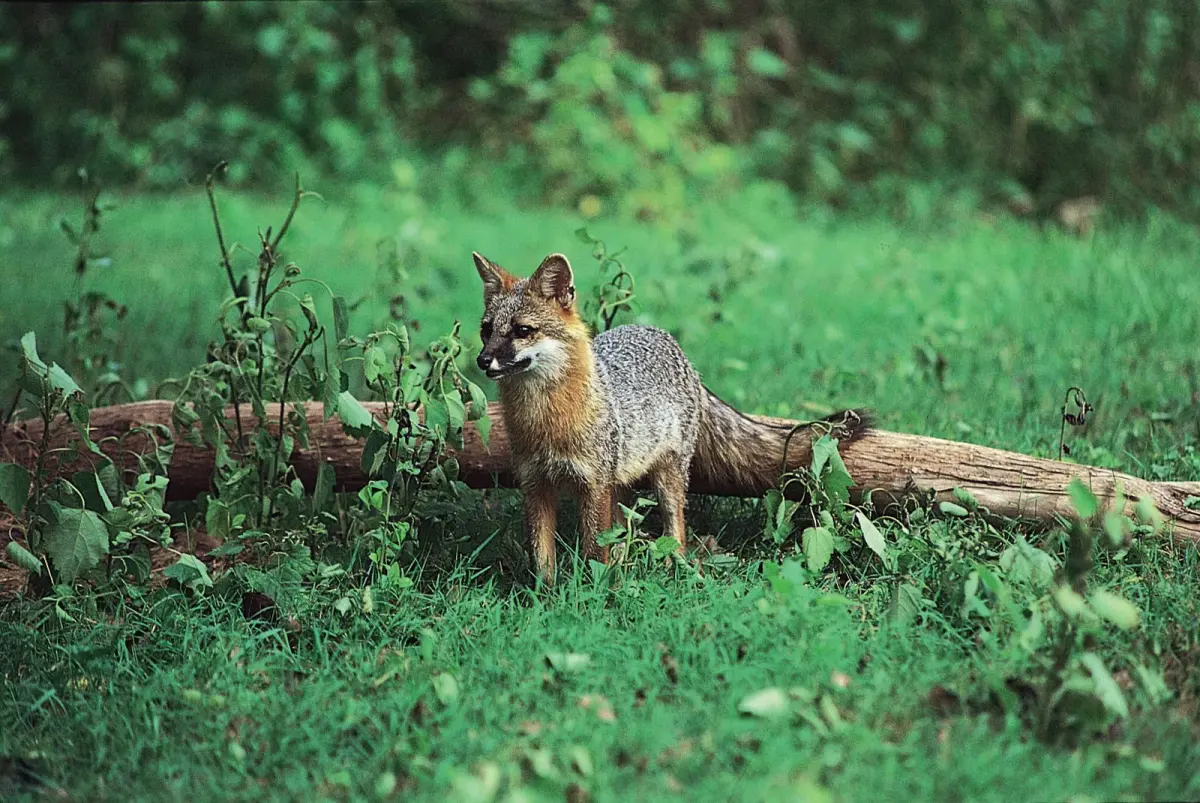
While most foxes are ground-dwelling, the gray fox is a notable exception known for its climbing ability. It possesses hooked claws that allow it to scale trees to escape predators or forage for fruit.
Why do foxes move into residential neighborhoods?
Foxes are attracted to urban areas primarily due to the abundance of food scraps, pet food, and accessible shelter. They are opportunistic scavengers that quickly learn to exploit human environments for survival.
Is it common for foxes to share dens with other animals?
While they often take over abandoned dens, they rarely share them simultaneously with other species. A common mistake is assuming a fox is friendly because it is seen near a den; it is actually protecting its young or its territory.
This answer was created with the help of AI research tools and reference sources. Spotted an error? Let us know — we correct mistakes quickly. See our editorial policy.