What is a group of monkeys called?
Short answer
A group of monkeys is most commonly called a troop. Depending on the specific context or species, these gatherings may also be referred to as a tribe, a mission, or a cartload. While these terms are frequently used in casual conversation, scientists typically prefer the term troop when describing their social structures.
On this page
What is the correct term for a group of monkeys?
The most widely accepted collective noun for a group of monkeys is a troop. This term reflects the highly social and organized nature of primate life, where individuals move, forage, and sleep in close proximity to one another. While "troop" is the standard, you might occasionally encounter other terms in literature or folklore, such as a "tribe" or a "mission." These alternative labels are largely colloquial and lack the precise scientific backing of the term troop.
It is important to distinguish between social groups and taxonomic groupings. A troop describes a functional, living social unit, whereas scientific classification focuses on families and genera. When observing primates in the wild, researchers look for specific behaviors that define a troop, such as shared territory defense and grooming rituals. Using the correct terminology ensures that communication remains clear, especially when discussing the complex social dynamics that characterize these intelligent animals.
How do monkey troops organize themselves?
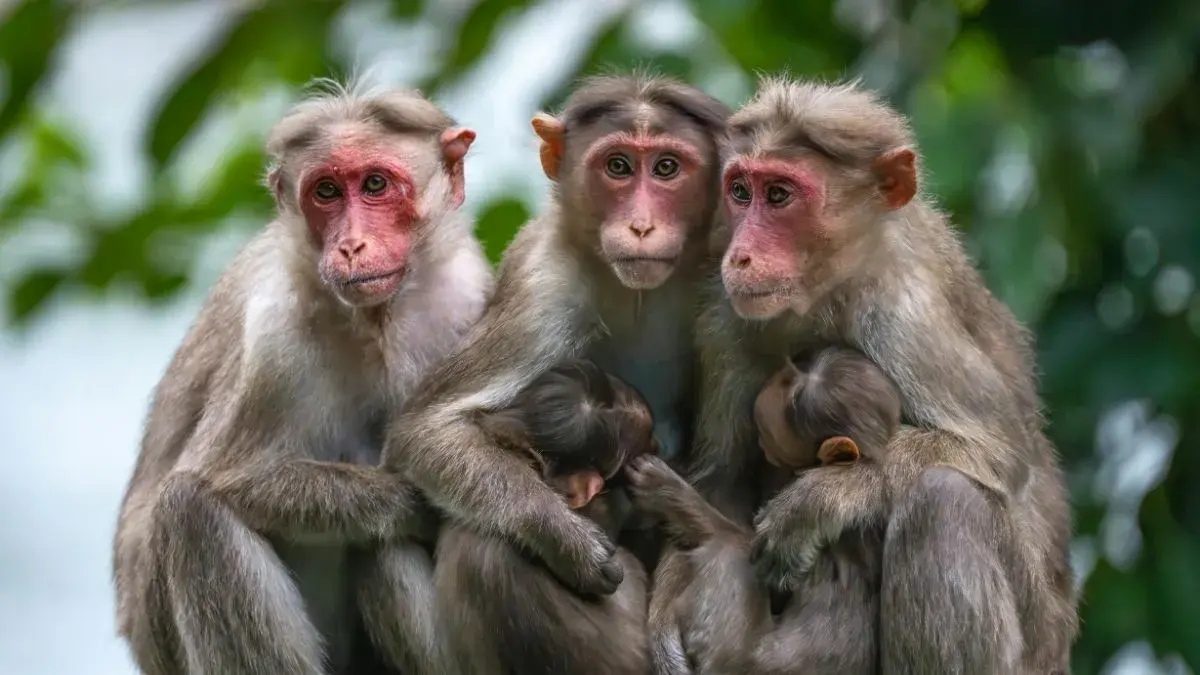
Monkey troops are sophisticated social structures that rely on hierarchy and cooperation to ensure the survival of the group. Most species operate under a dominance hierarchy, which dictates access to food, mating opportunities, and sleeping sites. This structure is not static; it often shifts based on age, physical strength, and the formation of strategic alliances between individuals.
The internal organization of a troop typically follows these patterns:
- Alpha individuals: The highest-ranking members who lead group movements and settle disputes.
- Subordinate members: Younger or lower-ranking monkeys who learn social cues and survival skills from elders.
- Matrilineal bonds: Many species, such as macaques, base their social structure on female lineages, where daughters inherit the rank of their mothers.
- Cooperative vigilance: Members take turns acting as sentries to watch for predators, signaling danger with specific vocalizations that the rest of the troop understands instantly.
Why do monkeys live in groups?
Living in a troop provides monkeys with significant evolutionary advantages that increase their chances of survival. The primary benefit is improved predator detection. With more eyes and ears scanning the environment, the group can identify threats—such as eagles, snakes, or leopards—much faster than a solitary monkey could. This collective vigilance allows individuals to spend more time feeding and less time worrying about immediate danger.
Beyond safety, group living facilitates social learning and resource sharing. Young monkeys observe their elders to learn which fruits are edible and how to process complex foods, such as cracking hard-shelled nuts. Furthermore, the social bonds formed through grooming are essential for maintaining group cohesion. Grooming reduces stress, reinforces social hierarchies, and helps resolve conflicts that might otherwise lead to aggressive outbursts. By living in a troop, monkeys create a stable environment that supports the growth and protection of their offspring.
Common mistakes when identifying primate groups
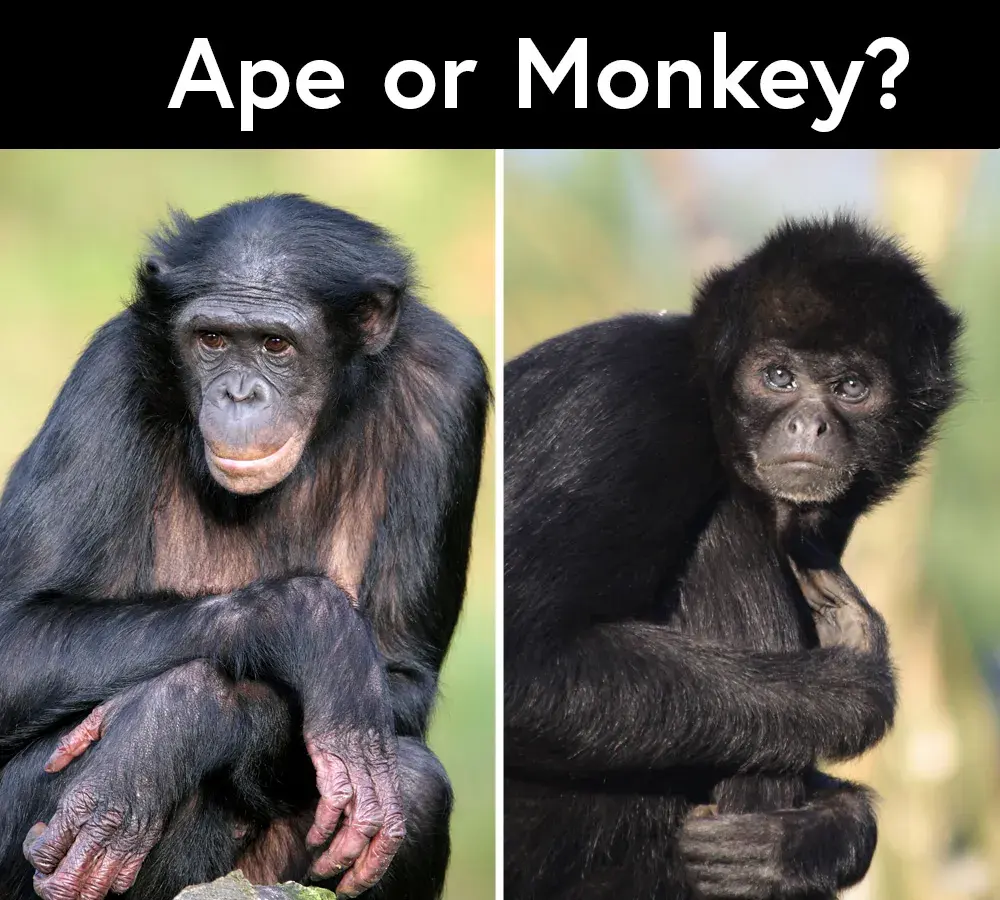
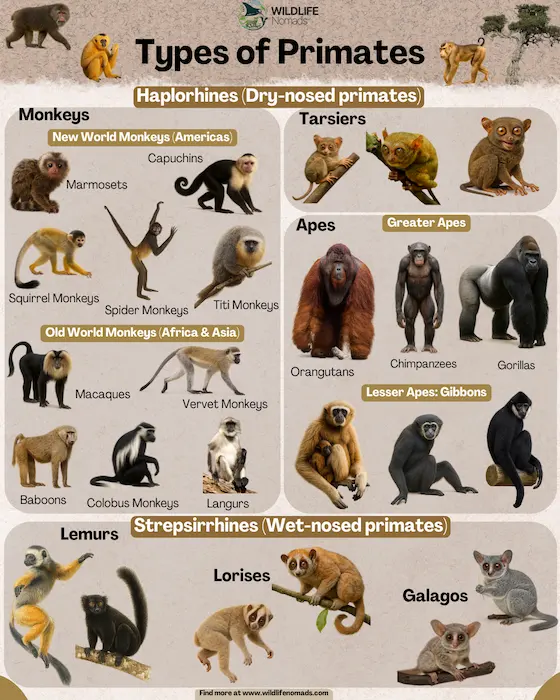
One common error is confusing a troop of monkeys with a group of apes. While both are primates, they belong to different biological families. Apes, such as gorillas or chimpanzees, do not form "troops" in the same way monkeys do; for instance, a group of gorillas is specifically called a troop or a band, but a group of chimpanzees is referred to as a community. Using these terms interchangeably can lead to confusion in scientific discussions.
Another frequent mistake involves assuming all monkey groups are permanent or peaceful. In reality, the composition of a troop can be quite fluid. Some monkeys may leave their birth group upon reaching maturity to join or form a new troop, a process that helps prevent inbreeding. Furthermore, interactions between different troops are often hostile, involving loud vocalizations and physical displays to defend territory. Understanding that these groups are dynamic and sometimes volatile is essential for anyone interested in primate behavior.
How to observe monkey troops safely
If you are planning to observe a troop of monkeys in their natural habitat, safety and ethics must be your top priorities. Monkeys are wild animals that can become aggressive if they feel threatened or if they associate humans with food. To ensure a positive experience for both you and the animals, follow these established guidelines:
- Maintain a respectful distance of at least 15 to 20 feet to avoid stressing the troop.
- Never attempt to feed the monkeys, as this disrupts their natural foraging behaviors and can lead to dangerous dependency.
- Keep all food items and shiny objects secured in your bag, as monkeys are curious and may attempt to snatch them.
- Avoid direct eye contact, which many primate species interpret as a sign of aggression or a challenge to their dominance.
- Move slowly and quietly, allowing the troop to go about their daily routines without feeling the need to defend their space against your presence.
By following these simple steps, you can witness the fascinating social interactions of a monkey troop while ensuring that your presence remains unobtrusive and harmless. Always remember that you are a guest in their environment, and observing from a distance is the best way to respect their natural way of life.
Key facts
- A group of monkeys is most commonly referred to as a troop.
- Other accepted collective nouns include a tribe, a mission, or a cartload.
- These terms apply specifically to monkeys, which are distinct from apes like chimpanzees or gorillas.
- A group of apes is scientifically referred to as a troop or a shrewdness.
- When observing monkeys in the wild, maintain a distance of at least 50 feet to avoid habituating them to humans.
- Avoid feeding monkeys, as this disrupts their natural foraging behaviors and can lead to aggressive interactions.
The bottom line
While the most accurate and widely accepted term for a group of monkeys is a troop, you may also encounter the terms tribe, mission, or cartload. Understanding these collective nouns helps clarify the social complexity of primates. Remember that these animals are wild creatures; observing them from a safe distance without offering food is the most responsible way to appreciate their fascinating group dynamics in nature.
People also ask
Why are monkeys called a troop?
The term troop emphasizes the social structure and collective movement of these primates. It reflects their organized behavior, where individuals travel and forage together for protection and efficiency.
Is there a specific name for a group of baby monkeys?
There is no unique collective noun for infants. They are simply referred to as a group of infants within the larger troop.
Do all monkey species live in groups?
Most monkey species are highly social and live in troops, but some, like the owl monkey, exhibit different social structures. Some smaller species may live in pairs or small family units rather than large troops.
What is the difference between a troop and a band?
While often used interchangeably, a troop usually refers to the entire social unit. A band may describe a smaller subgroup that temporarily splits off from the main troop to forage.
Can a group of monkeys be called a barrel?
While "barrel" is a common term for a group of monkeys in casual conversation or literature, it is not a formal biological classification. It is considered a colloquialism rather than a scientific standard.
How large can a monkey troop be?
The size of a troop varies significantly by species and environment. Some troops may consist of only a dozen individuals, while others, like certain baboon groups, can number over 100 members.
This answer was created with the help of AI research tools and reference sources. Spotted an error? Let us know — we correct mistakes quickly. See our editorial policy.