What is a group of gorillas called?
Short answer
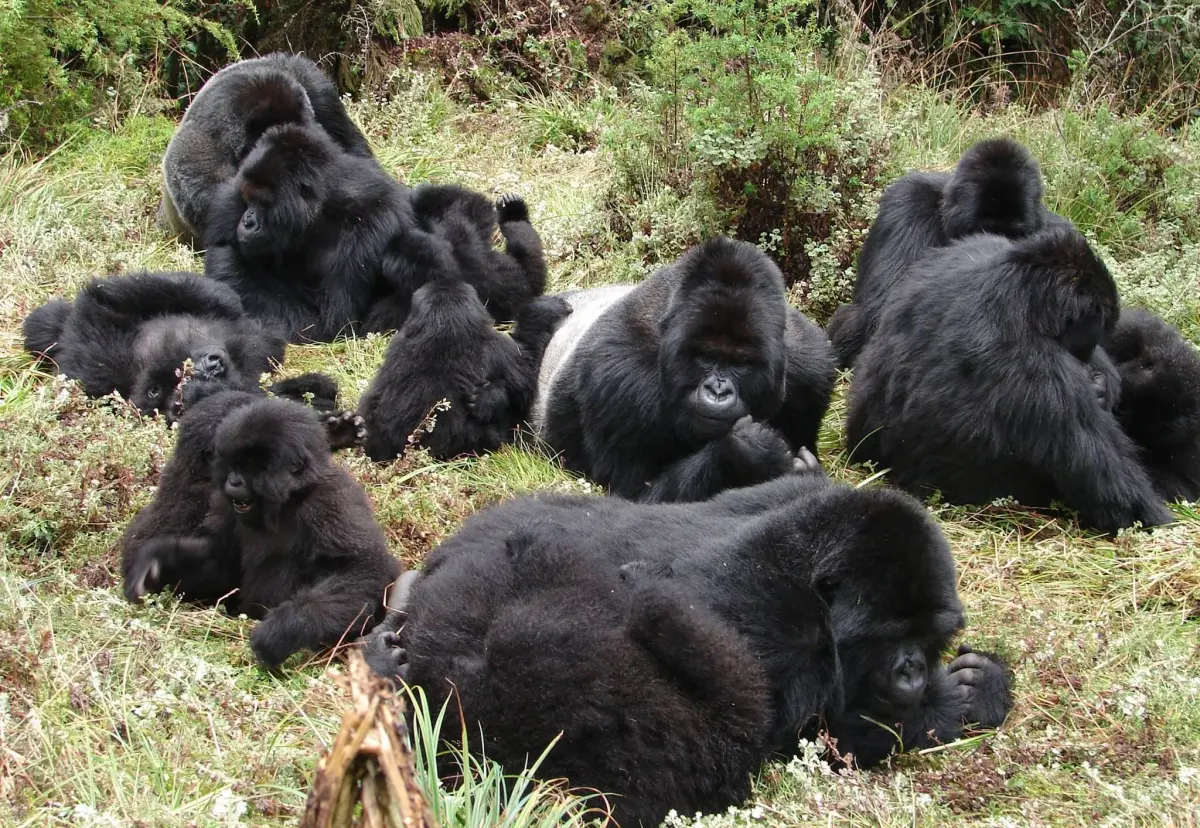
A group of gorillas is called a troop or a band. These social units typically consist of 5 to 30 individuals, organized around a dominant adult male known as a silverback. While troops are the standard term, researchers sometimes use the term "family group" to describe these cohesive, stable social structures in the wild.
On this page
What defines a gorilla troop?
A gorilla troop is a highly organized social unit that serves as the primary family structure for these primates. At the center of every troop is a single dominant silverback, a mature male recognized by the distinctive patch of silver hair on his back. He is responsible for protecting the group from external threats, mediating internal conflicts, and leading the troop to areas with abundant food.
The composition of a troop is fluid but generally stable over many years. Beyond the silverback, the group includes several adult females and their dependent offspring. Occasionally, a troop may contain one or more younger, subordinate males known as blackbacks, who assist the silverback in defense. These groups are essential for the survival of the species, providing both protection and a complex environment for social learning and bonding.
How do gorillas form social groups?
The formation of a gorilla troop is a dynamic process driven by the maturation of individuals and the search for reproductive opportunities. When young gorillas reach sexual maturity, they typically leave their natal group to avoid inbreeding and to seek new social prospects. This dispersal is a critical stage in the life cycle of both males and females.
- Young males often live a solitary life for several years while they develop the strength and experience required to attract females.
- Females may move between different troops to find a mate, often transferring to a new group upon reaching maturity or after the death of a silverback.
- A new troop is officially established once a silverback successfully attracts at least one female to follow him.
Once a bond is formed, the silverback focuses on maintaining the group's integrity. He must remain vigilant against rival males who may attempt to challenge his leadership or abduct females from his troop.
Why do gorillas live in groups?
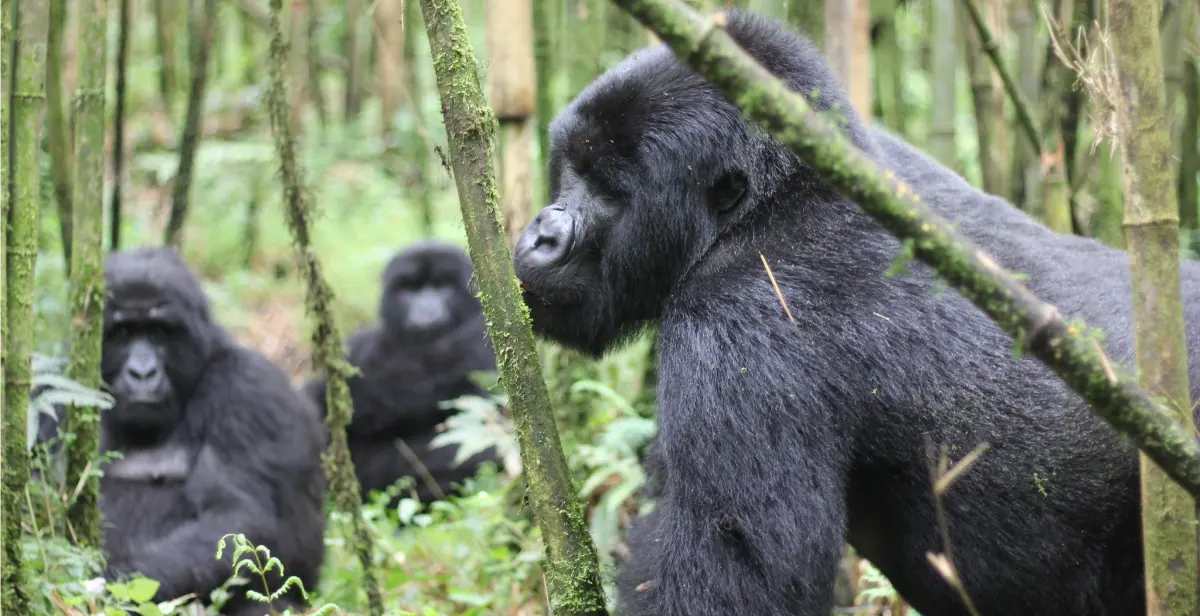
Living in a troop offers significant evolutionary advantages, primarily centered on protection and resource management. By staying together, gorillas benefit from the collective vigilance of multiple adults, which helps detect predators such as leopards. Furthermore, the presence of a silverback provides a powerful deterrent against attacks, as he will aggressively defend his family if threatened.
Beyond security, group life facilitates essential social development. Juvenile gorillas learn vital survival skills, such as identifying edible plants and navigating the forest, by observing their elders. This social environment also allows for the development of complex communication, including vocalizations and body language, which are necessary for maintaining group cohesion. Without this social structure, individuals would struggle to acquire the knowledge required to thrive in their dense, often competitive forest habitats.
How do silverbacks manage their troops?
The leadership style of a silverback is characterized by a balance of authority and nurturing. While he is the undisputed leader, his primary role is to ensure the safety and well-being of his troop members. He dictates the daily schedule, determining when the group wakes, when they forage, and where they sleep at night.
- He mediates disputes between females to ensure harmony within the group.
- He provides physical protection during encounters with other troops or predators.
- He acts as a playmate and protector for the infants, often allowing them to crawl on him or sit nearby.
Common mistakes in observing these interactions include assuming the silverback is purely aggressive. In reality, most of his interactions are peaceful, and he uses displays like chest-beating or ground-thumping to avoid actual physical combat whenever possible. This preference for non-violent conflict resolution is a hallmark of successful leadership in gorilla society.
Common mistakes when identifying gorilla groups
A frequent error when observing gorillas is confusing a solitary male with a failed group. It is common to see a lone silverback traveling through the forest; he is not necessarily a "lost" gorilla, but rather a male in the process of establishing his own troop or one who has lost his previous group. Another mistake is assuming that all gorillas in a specific area belong to the same troop.
- Do not assume that two groups seen in the same vicinity are related or friendly.
- Avoid interpreting close proximity between two troops as a peaceful gathering, as this often precedes intense territorial displays.
- Remember that troop size fluctuates based on food availability and the reproductive success of the silverback.
By understanding that these groups are dynamic, researchers and enthusiasts can better appreciate the complex social lives of these primates. Observing them requires patience and a recognition that every troop is a unique, constantly evolving family unit navigating the challenges of their environment.
Key facts
- A group of gorillas is officially called a troop or a band.
- These social units typically consist of 5 to 30 individuals.
- Each troop is led by a dominant, mature male known as a silverback.
- Silverbacks are identified by the distinctive patch of silver hair on their backs, which develops around age 12.
- Troops are highly cohesive and travel together daily to forage for vegetation.
- When observing gorillas, always maintain a distance of at least 7 meters to avoid stress or disease transmission.
The bottom line
A group of gorillas is known as a troop, functioning as a tight-knit family unit under the protection of a dominant silverback. These social structures are essential for the survival of the species, providing both security and a framework for raising offspring. Understanding these dynamics highlights the complex social intelligence of gorillas and underscores the importance of conservation efforts to protect their natural habitats and behaviors.
People also ask
How many silverbacks are usually in a single troop?
Most troops contain only one dominant silverback, though some larger groups may include one or two younger subordinate males.
Do gorillas ever leave their birth troop?
Yes, both males and females typically leave their natal groups upon reaching maturity to join other troops or form new ones.
How do gorillas communicate within their group?
They use a complex system of vocalizations, body language, and facial expressions to maintain social bonds and signal danger.
Are gorillas aggressive toward members of other troops?
Silverbacks are protective and may engage in displays of aggression, such as chest-beating or charging, to defend their group from outsiders.
What do gorillas eat while traveling in their troop?
They are primarily herbivores, consuming a diet of leaves, stems, shoots, fruits, and occasionally insects or small invertebrates.
Can a troop survive if the lead silverback dies?
If a silverback dies, the troop often fragments, and the females may join other groups or wait for a new male to take over.
This answer was created with the help of AI research tools and reference sources. Spotted an error? Let us know — we correct mistakes quickly. See our editorial policy.