Where do rhinos live?
Short answer
Rhinos live exclusively in parts of Africa and Asia. They inhabit diverse environments ranging from tropical grasslands and savannas to dense swampy forests. Today, wild populations are highly fragmented and restricted to protected national parks, game reserves, and isolated wilderness areas across five specific species living in these two continents.
On this page
Where do rhinos live in the wild?
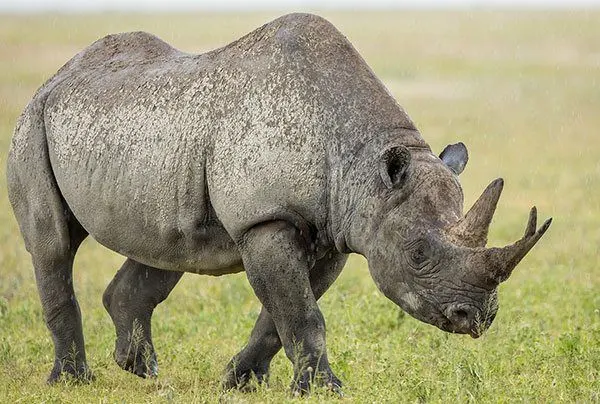
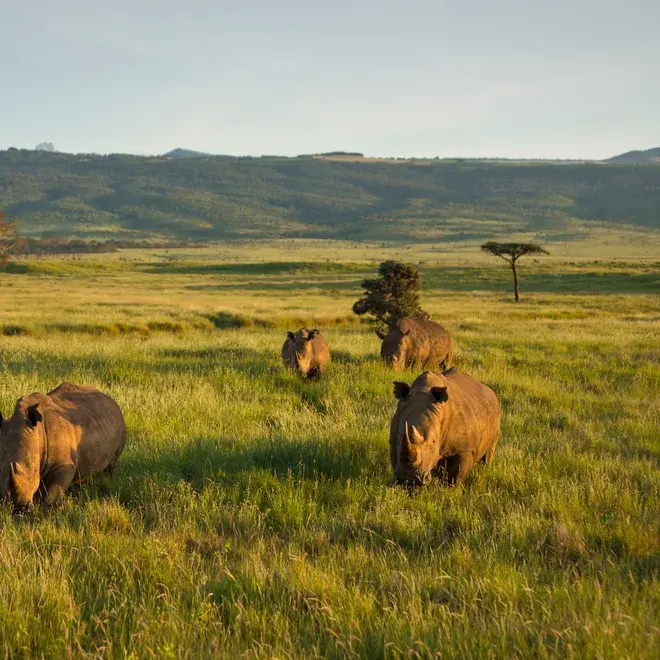
Rhinos are currently found in only two regions of the world: Africa and Asia. In Africa, the white rhino and black rhino reside primarily in southern and eastern nations, including South Africa, Namibia, Kenya, and Zimbabwe. These animals prefer open savannas, grasslands, and shrublands where they can graze or browse on bushes. South Africa holds the largest population, specifically within protected areas like the Kruger National Park.
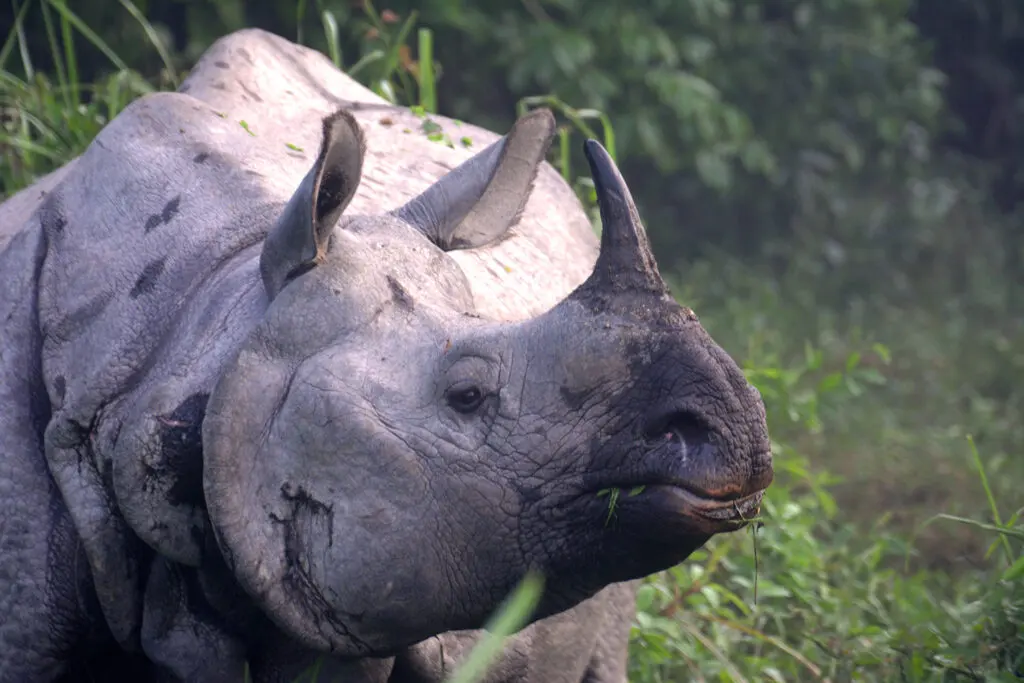
In Asia, the three remaining species—the greater one-horned, Javan, and Sumatran rhinos—inhabit very different landscapes. They are found in India, Nepal, Indonesia, and Malaysia. Unlike their African counterparts, Asian rhinos typically thrive in dense tropical forests, marshy grasslands, and riverine environments. These habitats provide the humidity and water sources necessary for their survival. Because their ranges have shrunk significantly due to human activity, these animals are now confined to strictly managed sanctuaries and remote forest pockets.
Which habitats do rhinos prefer?
Rhino habitat selection depends heavily on the specific species and their dietary needs. White rhinos are grazers, meaning they require vast, flat grasslands to feed on short, nutritious grasses. They are most commonly spotted in open plains where they can easily move in herds. Black rhinos, conversely, are browsers that prefer thickets, woodlands, and scrub forests where they can use their prehensile lips to strip leaves and twigs from trees.
Asian species have evolved to favor moisture-rich environments. The greater one-horned rhino often frequents tall elephant grass meadows near riverbanks in the foothills of the Himalayas. Javan and Sumatran rhinos are forest-dwellers that require dense, primary rainforests with high rainfall. These environments offer:
- Abundant shade to prevent overheating.
- Frequent wallows, which are muddy pools used for cooling and parasite control.
- Diverse vegetation for a varied diet.
- Dense cover to hide from potential threats.
How can travelers see rhinos responsibly?
Visiting rhinos in their natural habitat is a privilege that requires careful planning and ethical conduct. The most reliable way to see them is by booking a guided safari in a reputable national park or private reserve. Professional guides are essential because they understand rhino behavior and know how to maintain a safe distance. Always prioritize operators that support conservation efforts and prioritize animal welfare over tourist convenience.
When planning your trip, follow these essential steps to ensure a safe and respectful experience:
- Research parks that have a proven track record of anti-poaching success.
- Book tours with certified guides who follow strict wildlife observation protocols.
- Keep your voice low and avoid sudden movements to prevent startling the animals.
- Use binoculars or camera lenses rather than trying to get physically close.
- Stay inside your vehicle at all times unless your guide explicitly states it is safe to exit in a secure area.
Common mistakes when tracking rhinos
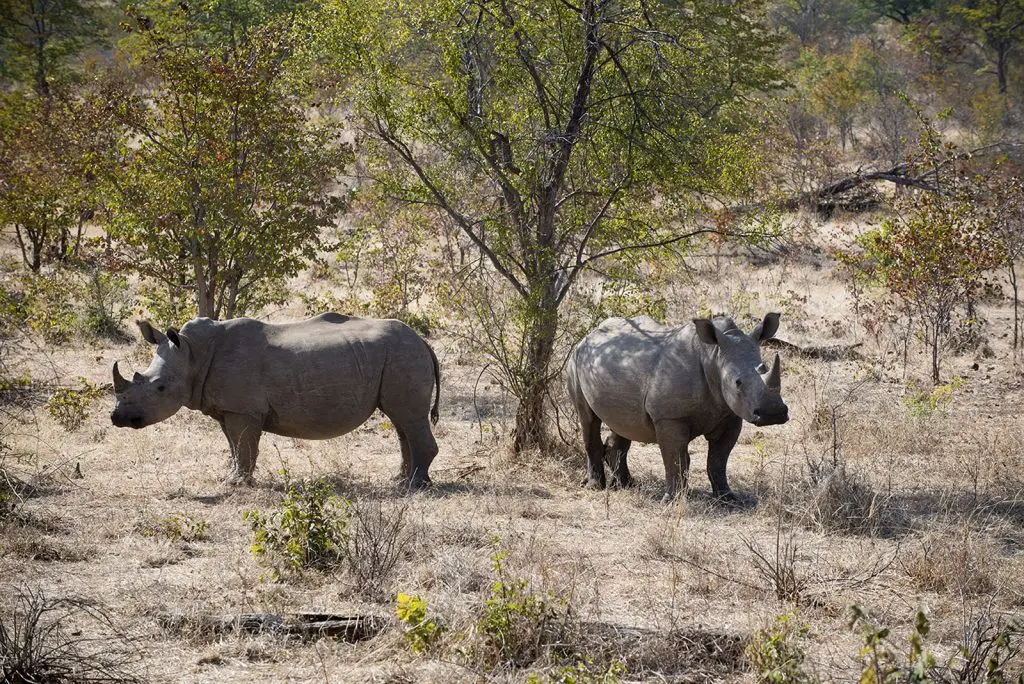
One of the most frequent mistakes visitors make is assuming that rhinos are slow or docile because of their size. In reality, rhinos are incredibly fast and can be unpredictable if they feel threatened or cornered. Attempting to approach a rhino on foot without an armed ranger is extremely dangerous and strictly prohibited in almost all wildlife reserves. Never leave a vehicle or wander away from a group to get a better photo.
Another common error is failing to respect the animal's space during quiet observation. If a rhino stops feeding, stares directly at you, or starts pawing the ground, it is showing signs of agitation. Visitors often ignore these warning signals in their excitement, which can lead to a charge. It is vital to recognize that you are a guest in their home. If the animal shows any sign of stress, ask your guide to move the vehicle away immediately to allow the rhino to return to its natural behavior.
Why are rhino ranges shrinking?
The primary reason for the decline and fragmentation of rhino habitats is human encroachment. As human populations expand, land is converted for agriculture, infrastructure, and urban development, leaving rhinos with less room to roam. This habitat loss forces rhinos into smaller, isolated patches of land, which makes them more vulnerable to disease, genetic bottlenecks, and poaching. Protecting large, connected corridors of land is now the most critical challenge for conservationists.
Climate change also poses a growing threat to these habitats. Changing rainfall patterns affect the availability of the specific grasses and forest cover that rhinos rely on. Furthermore, illegal poaching remains a persistent danger, as rhinos are often targeted in remote areas where protection is difficult to enforce. To ensure the future of these animals, conservation organizations focus on:
- Establishing wildlife corridors to connect fragmented forest patches.
- Implementing community-based conservation programs that benefit local human populations.
- Using advanced technology like drones and satellite tracking to monitor rhino movements.
- Strengthening legal protections for national parks and wildlife reserves globally.
Key facts
- Rhinos live exclusively in the wild across parts of Africa and Asia.
- The white rhinoceros is primarily found in southern Africa, particularly in South Africa.
- Black rhinos inhabit diverse environments across eastern and southern Africa, including Kenya and Namibia.
- Greater one-horned rhinos are native to the grasslands and swamps of India and Nepal.
- Javan and Sumatran rhinos are critically endangered and restricted to small, protected areas in Indonesia.
- Avoid tracking rhinos on foot without a professional guide, as they are unpredictable and can charge at speeds up to 30 miles per hour.
The bottom line
Rhinos are iconic animals currently restricted to specific regions of Africa and Asia, inhabiting environments ranging from open savannas to dense tropical forests. Their survival depends heavily on protected national parks and reserves. If you plan to observe them, always prioritize professional guidance to ensure both your safety and the welfare of these magnificent, endangered creatures in their natural, fragile, and strictly managed wild habitats.
People also ask
Do all rhinos live in the same type of habitat?
No, rhino habitats vary significantly by species. While some prefer open savannas and grasslands, others, like the Sumatran rhino, thrive in dense tropical rainforests and mountainous terrain.
Are rhinos still found in the wild in Europe or North America?
No, wild rhinoceros populations do not exist in Europe or North America. Any rhinos seen in these regions are living in managed environments like zoological parks or conservation centers.
Why are rhinos often found near water sources?
Rhinos frequently visit water holes to drink and to wallow in mud. The mud acts as a natural sunscreen and helps protect their sensitive skin from insect bites and overheating.
Can you see rhinos in national parks?
Yes, many national parks in Africa and Asia offer guided safari tours to view rhinos. Kruger National Park in South Africa and Chitwan National Park in Nepal are two of the most popular destinations for spotting them.
How much territory does a rhino need?
Territory size depends on the species and the availability of food and water. A single male rhino may defend a home range spanning several square miles to ensure access to resources and mates.
What is the biggest threat to rhino habitats?
The primary threats are human encroachment, agricultural expansion, and illegal poaching. Habitat fragmentation forces populations into smaller, isolated areas, which makes it harder for them to breed and sustain healthy genetic diversity.
This answer was created with the help of AI research tools and reference sources. Spotted an error? Let us know — we correct mistakes quickly. See our editorial policy.