How long do skunks live?
Short answer
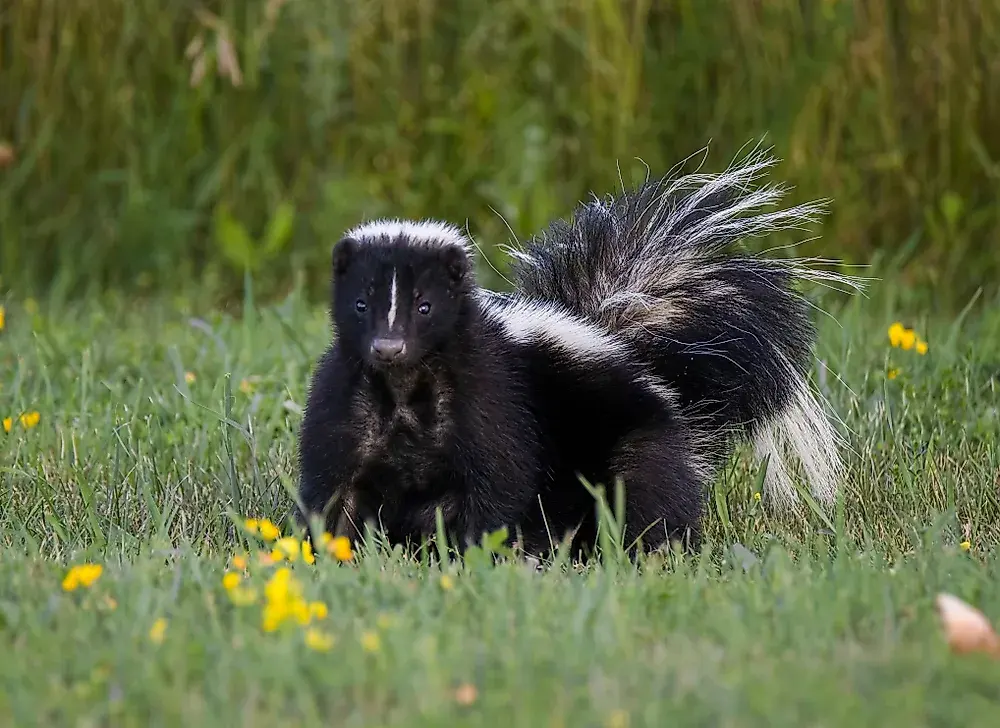
In the wild, most skunks live for only one to three years due to predation, disease, and environmental hazards. However, when kept in captivity or protected environments, they can live significantly longer, often reaching seven to ten years. Their lifespan is primarily determined by their ability to survive their first winter.
On this page
How long do skunks live in the wild?
In their natural habitat, skunks face a precarious existence. While they are famous for their potent chemical defense, this mechanism does not protect them from all threats. Most wild skunks succumb to mortality factors long before reaching their biological potential. Juvenile mortality is particularly high, with many kits failing to survive their first winter due to starvation or exposure.
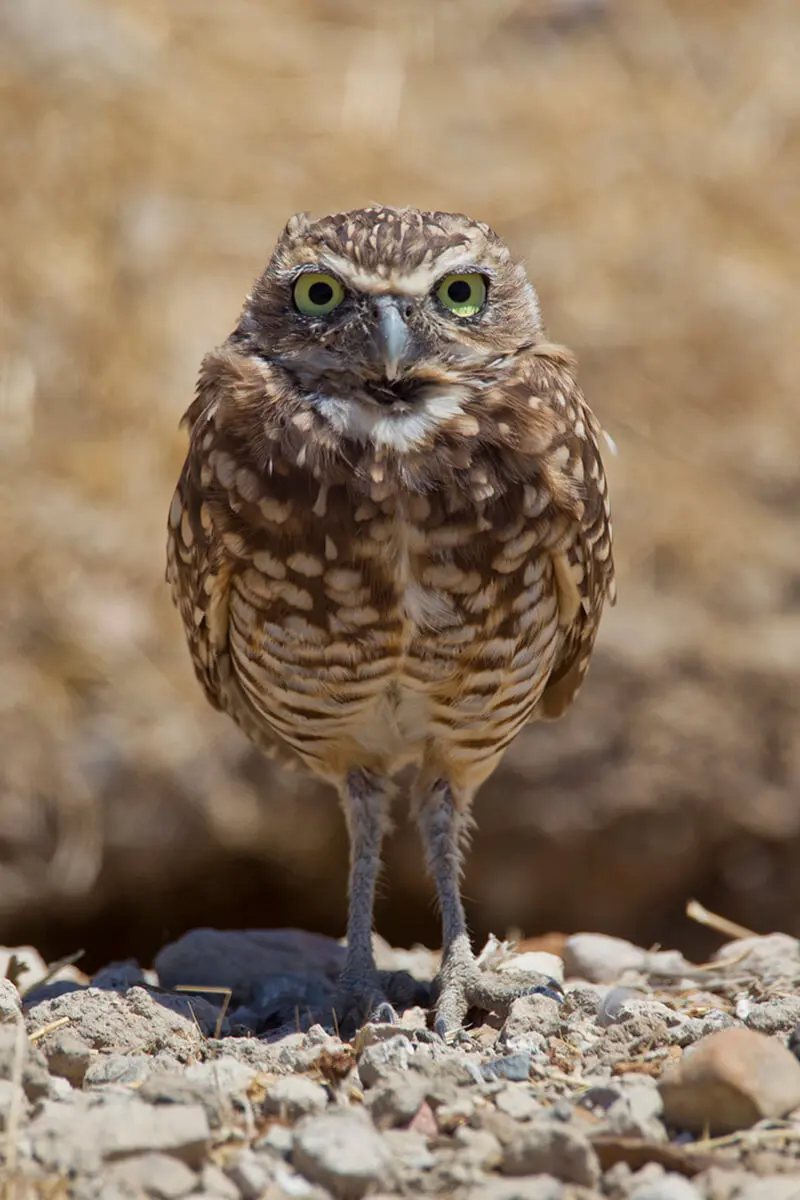
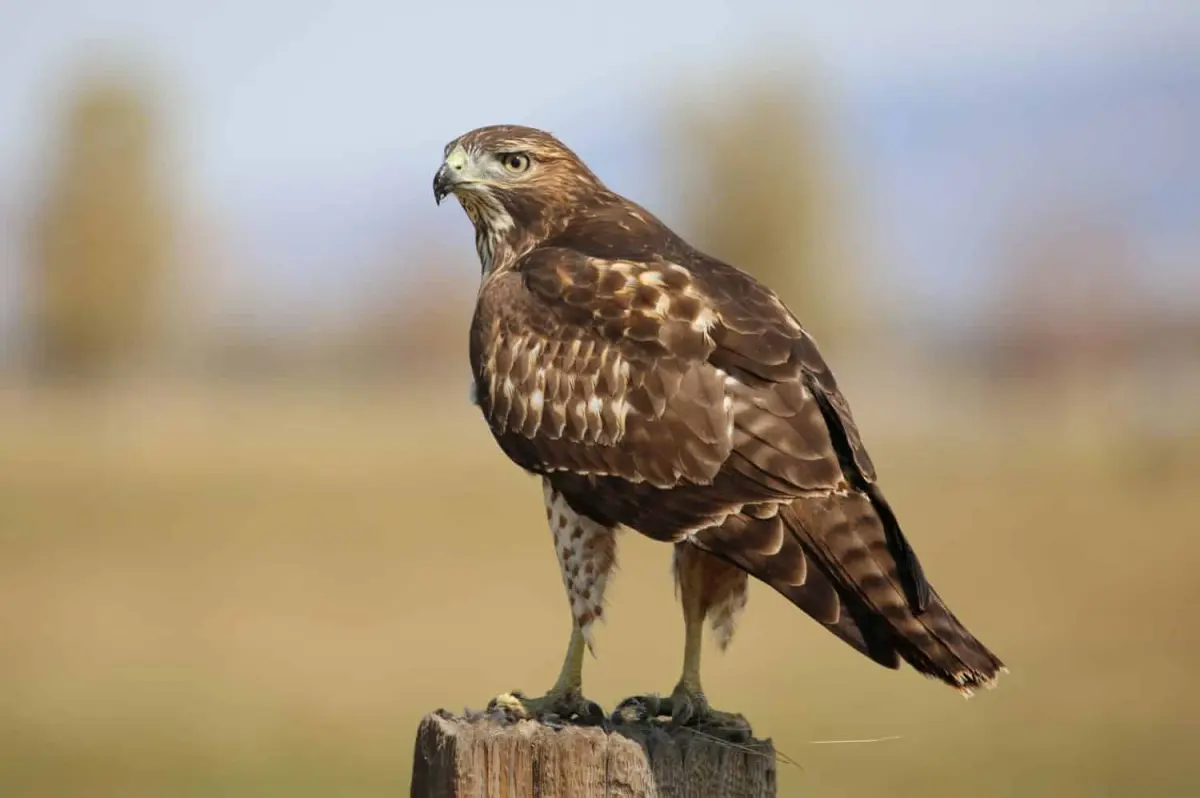
Adult skunks in the wild rarely live past three years. Common causes of death include vehicle collisions, predation by great horned owls—which are immune to the skunk's spray—and infectious diseases such as distemper or rabies. Because they are solitary animals for much of the year, they do not benefit from the communal protection found in other social mammals. Consequently, the average lifespan remains low, reflecting the harsh realities of natural selection and the various dangers present in their ecosystems.
How long do pet skunks live?
When removed from the dangers of the wild, skunks demonstrate a much greater longevity. Domesticated or captive skunks, provided with a consistent diet, veterinary care, and protection from predators, frequently live between seven and ten years. Some individuals have even been reported to reach the age of twelve under optimal conditions. This significant increase in lifespan highlights that their natural mortality is driven almost entirely by external environmental pressures rather than inherent biological fragility.
To ensure a pet skunk reaches its full life expectancy, owners must focus on several key health pillars:
- Providing a balanced diet to prevent obesity and metabolic bone disease.
- Scheduling regular check-ups with an exotic animal veterinarian.
- Maintaining a stress-free environment to support a robust immune system.
- Ensuring they receive proper vaccinations against common wildlife diseases.
Why do skunks die young in nature?
The primary driver of early mortality in wild skunks is the transition from dependence to independence. Kits are born in late spring and stay with their mothers throughout the summer. By autumn, they must be large enough to survive the winter months, during which food sources like insects and small rodents become scarce. Those that fail to accumulate sufficient body fat reserves often perish during the coldest weeks of the year.
Beyond nutritional challenges, human-related factors play a massive role in shortening their lives. Roadways are a leading cause of death, as skunks are slow-moving and often forage near asphalt surfaces. Furthermore, habitat fragmentation forces skunks into closer proximity with humans and domestic pets, increasing the likelihood of fatal encounters. While they are resilient creatures, their inability to adapt quickly to modern, human-dominated landscapes keeps their average life expectancy strictly limited to a few brief years.
Common mistakes when caring for skunks
Many people underestimate the complexity of keeping a skunk healthy in a domestic setting. One of the most frequent errors is feeding them a diet that is too high in fat or sugar, which quickly leads to obesity. Because skunks are omnivores, they require a precise balance of proteins, vegetables, and limited fruits. Providing an improper diet is the fastest way to shorten a captive skunk's life, as it triggers chronic health issues like diabetes and organ failure.
Another common mistake involves a lack of mental stimulation. Skunks are highly intelligent and curious animals that require enrichment to prevent behavioral problems. Owners often make the following errors:
- Keeping the skunk in a confined cage for too long without supervised exercise.
- Failing to provide "foraging" opportunities, which are essential for their mental health.
- Ignoring the need for social interaction, as skunks can become depressed if left isolated.
- Neglecting dental hygiene, which can lead to infections that impact their overall health.
Best practices for skunk longevity
Maximizing the lifespan of a skunk requires a proactive approach to their physical and psychological needs. The most successful keepers treat their skunks as exotic pets with specific, non-negotiable requirements. This includes creating a "skunk-proof" living space that allows for natural behaviors like digging and nesting, which helps reduce stress. Stress is a silent killer in captive animals, often manifesting as self-mutilation or immune system suppression.
To support a long and healthy life, focus on these essential habits:
- Establish a consistent routine for feeding and play to provide a sense of security.
- Invest in high-quality, species-appropriate supplements to prevent nutritional gaps.
- Monitor their weight weekly to catch signs of obesity before they become severe.
- Build a relationship with a veterinarian who specializes in non-traditional pets.
By respecting their biological needs and providing a stable environment, you can ensure that these fascinating animals thrive well beyond the typical lifespan seen in the wild.
Key facts
- Wild skunks typically live for only 1 to 3 years due to high predation and disease.
- In captivity or protected environments, skunks can live up to 10 years.
- Most skunks do not survive their first winter because they lack sufficient fat reserves.
- Great horned owls are the primary predator of skunks, as they have a poor sense of smell.
- Skunks are solitary animals that only congregate in dens during the coldest winter months.
- To prevent skunks from living under your porch, seal all gaps larger than 3 inches with heavy-gauge wire mesh.
The bottom line
While skunks are resilient creatures, their lifespan in the wild is remarkably short, often limited to just a few years by environmental hazards and predators. Their survival depends heavily on finding secure dens and avoiding human-related threats like traffic. Understanding their natural behaviors and limitations is essential for anyone living near these animals, as it helps prevent unnecessary conflicts and ensures both human and wildlife safety.
People also ask
Do skunks hibernate during the winter?
Skunks do not enter true hibernation, but they do go into a state of torpor. During this time, they remain in their dens for several weeks to conserve energy and body heat.
What is the most common cause of death for skunks?
Vehicle collisions are the leading cause of mortality for skunks in suburban and rural areas. Because they are nocturnal and slow-moving, they are frequently struck by cars while crossing roads.
Can skunks be kept as indoor pets?
While some jurisdictions allow skunks as pets, they require specialized care and a permit in many regions. They are complex animals that often require professional descenting and a specific diet to remain healthy.
How do you tell if a skunk is sick?
A skunk that is active during the day or appears lethargic and disoriented may be suffering from rabies or distemper. Do not approach or attempt to handle a skunk showing these abnormal behaviors.
What should I do if a skunk sprays my pet?
Mix one quart of 3% hydrogen peroxide, a quarter cup of baking soda, and one teaspoon of dish soap to create a neutralizing wash. Apply this to your pet's fur, leave it for five minutes, and rinse thoroughly to break down the oils.
Do skunks carry diseases that affect humans?
Yes, skunks are one of the primary carriers of rabies in North America. They can also transmit leptospirosis and various parasites, so it is best to keep a safe distance from them at all times.
This answer was created with the help of AI research tools and reference sources. Spotted an error? Let us know — we correct mistakes quickly. See our editorial policy.