What is the tundra?
Short answer
The tundra is a vast, treeless biome characterized by extremely cold temperatures, low precipitation, and a short growing season. It is defined by permafrost, a layer of frozen subsoil that prevents deep root growth. Found primarily in the Arctic and high mountain ranges, it supports specialized, hardy vegetation and resilient wildlife.
On this page
Where is the tundra located?
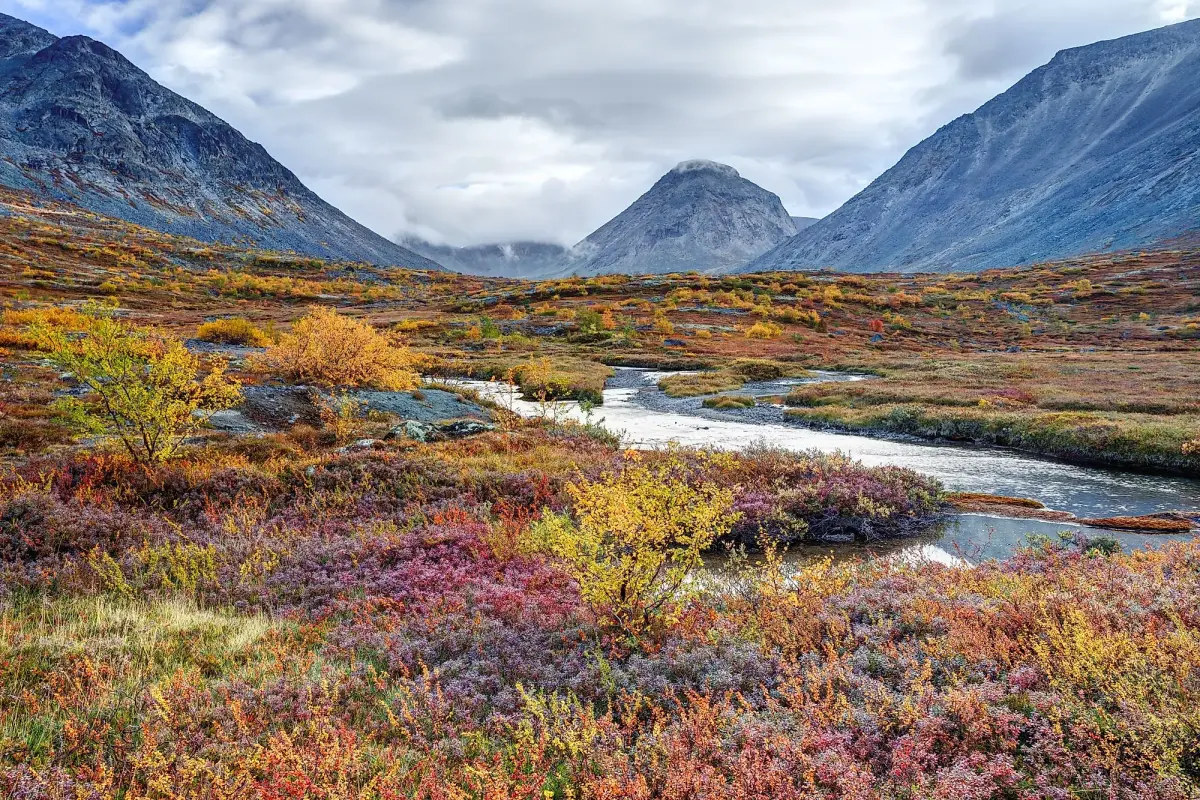
The tundra biome is primarily located in the Northern Hemisphere, encircling the North Pole and extending south to the coniferous forests of the taiga. This region, known as the Arctic tundra, covers significant portions of Alaska, Canada, Greenland, Scandinavia, and Russia. It is a landscape defined by its harsh climate and vast, open expanses.
Beyond the Arctic, a second type called the alpine tundra exists at high elevations on mountains worldwide, regardless of latitude. These areas occur above the tree line where the climate is too cold and windy for trees to survive. While they share similar environmental pressures, alpine tundras lack the deep permafrost layer found in the Arctic.
- Arctic Tundra: Found in high northern latitudes, characterized by permafrost and flat terrain.
- Alpine Tundra: Located on mountain peaks globally, defined by thin soil and extreme wind.
- Antarctic Tundra: Exists on isolated islands and parts of the Antarctic Peninsula, hosting limited vegetation.
Why is the tundra so cold?
The tundra’s extreme climate results from its high latitude and the angle of the sun. Because these regions are near the poles, they receive sunlight at a very low angle, which spreads solar energy over a larger surface area and provides less warmth. During winter, the sun may not rise at all for weeks, leading to plummeting temperatures.
Precipitation in the tundra is remarkably low, often categorized as a cold desert. Most areas receive less than 10 inches of rain or snow annually. Because the air is so cold, it cannot hold much moisture, and the little precipitation that does fall often remains trapped as ice or snow for most of the year.
- Low solar intensity due to the Earth's curvature at the poles.
- Long periods of darkness during the winter months.
- High albedo effect, where snow and ice reflect sunlight back into space.
What lives in the tundra?
Life in the tundra has adapted to survive in one of the most challenging environments on Earth. Vegetation is limited to low-growing plants such as mosses, lichens, sedges, and dwarf shrubs. These plants cluster together to protect themselves from icy winds and take advantage of the brief summer thaw to bloom and produce seeds.
Animals in the tundra are equally resilient. Many species, such as the Arctic fox, caribou, and snowy owl, have thick fur or feathers and layers of fat to insulate against the cold. Some animals migrate to warmer climates during the winter, while others, like the lemming, remain active under the snowpack throughout the year.
- Caribou: Large herbivores that migrate vast distances to find food.
- Arctic Fox: Possesses a thick coat that changes color to provide camouflage.
- Lichens: Hardy organisms that grow on rocks and soil, serving as a primary food source.
How does permafrost affect the landscape?
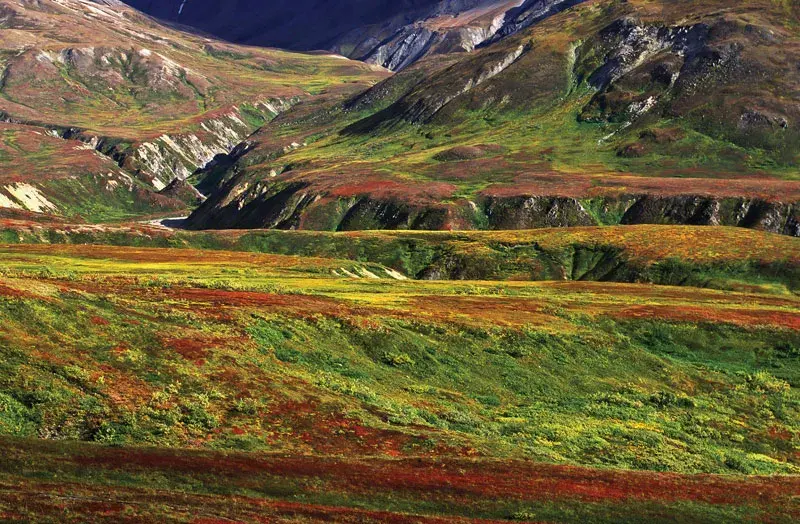
Permafrost is a defining feature of the Arctic tundra, consisting of soil that remains frozen at or below 0 degrees Celsius for two or more consecutive years. This layer acts as an impermeable barrier, preventing water from draining into the ground. Consequently, during the short summer, the surface layer of soil becomes saturated, creating marshes, bogs, and shallow lakes.
The presence of permafrost makes the ground highly unstable for construction and infrastructure. When the surface layer thaws, it can shift or collapse, leading to a phenomenon known as thermokarst. This process creates uneven, hummocky terrain that makes traversing the landscape difficult for humans and wildlife alike.
The stability of the permafrost is currently threatened by rising global temperatures. As the ground thaws, it releases trapped greenhouse gases like methane and carbon dioxide, which can further accelerate climate change. This feedback loop poses a significant risk to the structural integrity of the entire ecosystem.
Common mistakes when studying the tundra
A common error is assuming the tundra is a barren wasteland devoid of biodiversity. While it lacks the lush density of a rainforest, the tundra is home to a complex web of life that has evolved over millennia. Overlooking the importance of mosses and lichens, which form the base of the food chain, is a frequent oversight for beginners.
Another mistake is confusing the tundra with the taiga or boreal forest. While they are neighbors, the taiga is defined by dense coniferous trees, whereas the tundra is strictly treeless due to the permafrost and short growing season. When researching, ensure you distinguish between the high-latitude Arctic environment and the high-altitude alpine environment, as their soil composition and drainage patterns differ significantly.
- Avoid assuming the terrain is flat; it is often riddled with frost boils and polygons.
- Do not ignore the seasonal changes; the tundra transforms dramatically between the dark winter and the vibrant, brief summer.
- Remember that the tundra is highly sensitive to human impact; even minor disturbances to the vegetation can take decades to recover.
Key facts
- Tundra biomes are defined by extremely low temperatures, short growing seasons, and limited drainage.
- The subsoil layer, known as permafrost, remains frozen year-round, preventing deep root growth for most plants.
- Vegetation consists primarily of mosses, lichens, sedges, and dwarf shrubs rather than tall trees.
- The Arctic tundra is located in the Northern Hemisphere, while the Alpine tundra exists at high elevations worldwide.
- Annual precipitation in the tundra is very low, often less than 10 inches, making it a cold desert.
- When visiting the tundra, always pack layers of moisture-wicking clothing to prevent hypothermia from rapid weather shifts.
The bottom line
The tundra is a fragile, treeless biome characterized by frozen subsoil, extreme cold, and minimal precipitation. It serves as a vital global carbon sink, though it faces significant threats from warming temperatures. Understanding this unique environment is essential for recognizing the impacts of climate change on biodiversity. Whether at high latitudes or high altitudes, the tundra remains one of the Earth's most resilient yet vulnerable ecosystems.
People also ask
Why are there no trees in the tundra?
The combination of permafrost, high winds, and a very short growing season makes it impossible for trees to establish deep root systems. The ground remains frozen for most of the year, denying plants the nutrients and liquid water needed for woody growth.
What animals live in the tundra?
Wildlife includes hardy species such as caribou, arctic foxes, snowy owls, and lemmings. Many of these animals possess thick fur or feathers and store fat to survive the harsh, dark winters.
How does climate change affect the tundra?
Rising global temperatures are causing the permafrost to thaw, which releases trapped greenhouse gases like methane into the atmosphere. This process alters the landscape, destabilizing infrastructure and changing the habitats of native species.
What is the difference between Arctic and Alpine tundra?
Arctic tundra is found in high latitudes near the North Pole and features permafrost. Alpine tundra occurs on mountain peaks above the tree line and generally lacks permafrost because the soil drains better.
Is the tundra considered a desert?
Yes, the tundra is classified as a cold desert because it receives very little annual precipitation. Most of the moisture that does fall comes in the form of snow or light summer rain.
Can humans live in the tundra?
Indigenous peoples, such as the Inuit and Sami, have inhabited tundra regions for thousands of years by adapting their lifestyles to the climate. Modern settlements exist, but they require specialized engineering to prevent buildings from sinking as the ground thaws.
This answer was created with the help of AI research tools and reference sources. Spotted an error? Let us know — we correct mistakes quickly. See our editorial policy.