What do parrots eat?
Short answer
Parrots are primarily herbivorous, consuming a diverse diet of seeds, nuts, fruits, flowers, and buds in the wild. In captivity, they require a nutritionally balanced mix of high-quality commercial pellets, fresh vegetables, and occasional fruits. Providing variety is essential to prevent malnutrition and ensure the long-term health of these intelligent birds.
On this page
What do parrots eat in the wild?
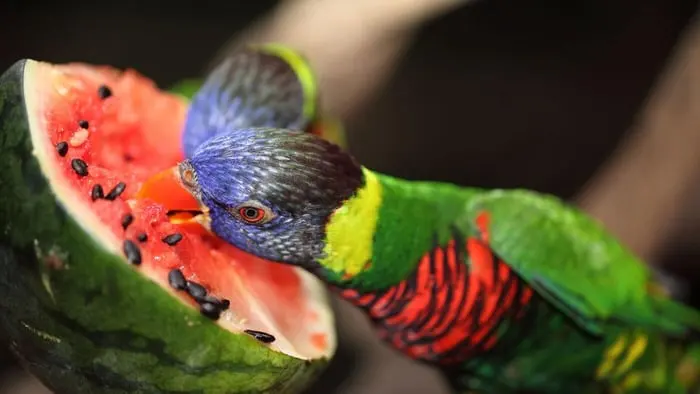
Parrots are opportunistic foragers that spend much of their day searching for food in the canopy and on the forest floor. Their diet varies significantly depending on the species and the geographic region they inhabit. For example, macaws are famous for eating hard-shelled nuts and seeds, which they crack open with their powerful, specialized beaks. Lories and lorikeets, by contrast, have evolved brush-tipped tongues specifically designed to lap up nectar and pollen from flowering trees.
Most wild parrots consume a wide array of plant materials to meet their complex nutritional needs. This natural diet includes:
- Ripe and unripe fruits
- Various seeds and nuts
- Leafy greens and vegetation
- Flowers, buds, and tree bark
- Occasional insects or larvae for protein
This diversity ensures they receive the necessary vitamins, minerals, and fatty acids required for survival. Because wild parrots fly long distances, they burn significant calories, allowing them to process high-fat foods like palm nuts without developing obesity.
What is the best diet for pet parrots?
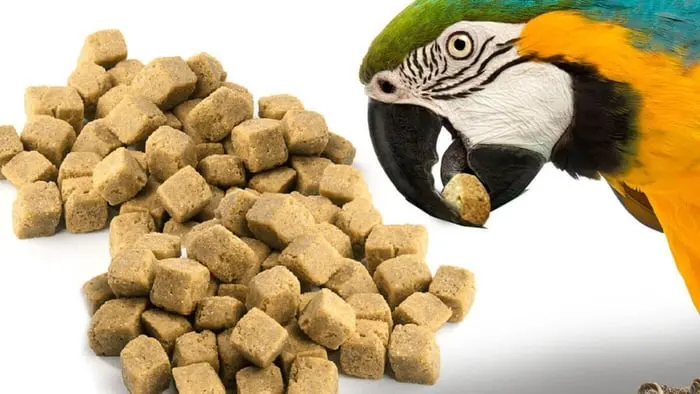
Replicating a wild diet in a home environment is challenging, so experts recommend a foundation of high-quality, species-specific pellets. Pellets are formulated to provide a balanced intake of amino acids, vitamins, and minerals that seeds alone lack. While seeds are a natural part of a parrot's diet, they are often too high in fat and low in essential nutrients when provided as the sole food source in a cage.
To ensure a healthy, long-lived bird, owners should follow a structured feeding plan:
- Provide a base of 60-80% high-quality, organic commercial pellets.
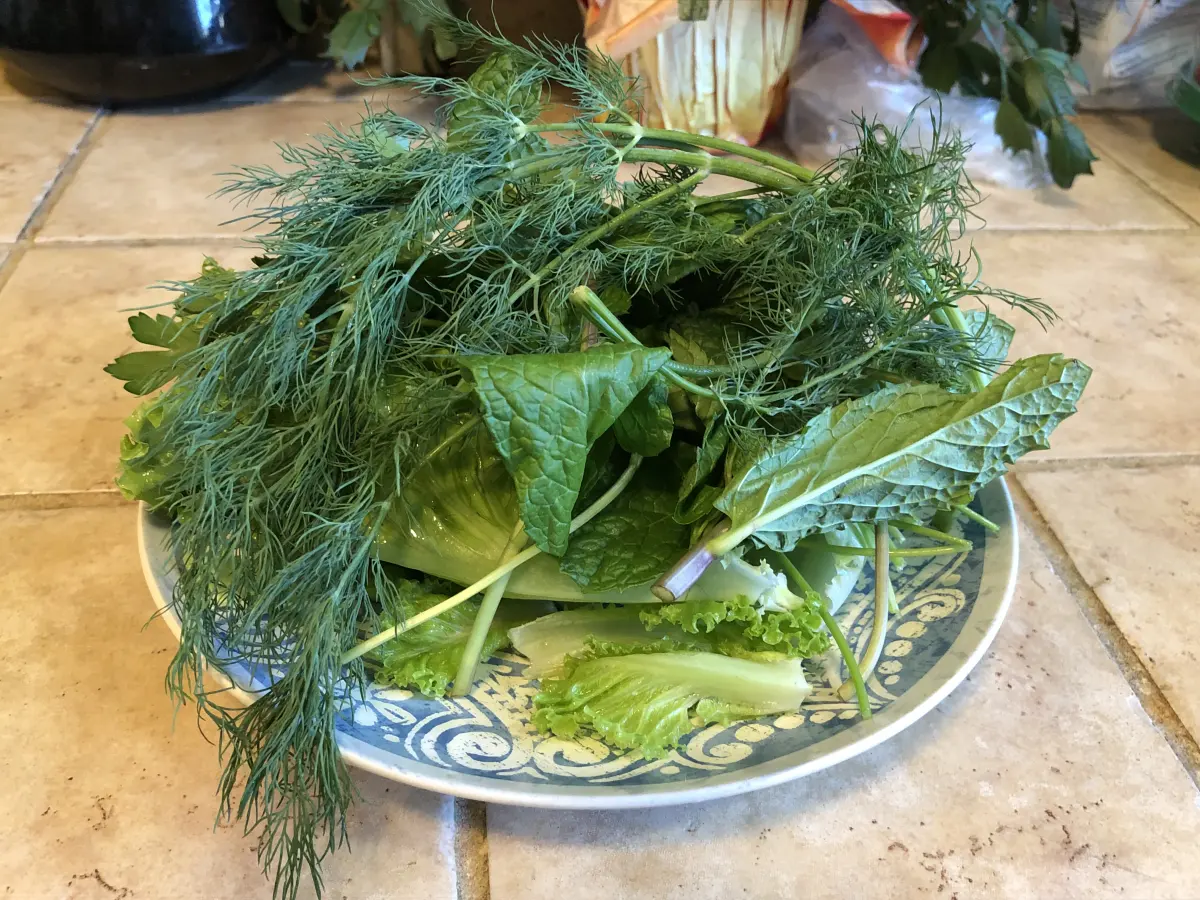
- Offer 15-25% fresh vegetables, such as kale, carrots, broccoli, and sweet potatoes.
- Supplement with 5-10% fresh fruit, such as berries, apples, or papaya.
- Use seeds and nuts sparingly as training treats rather than a primary meal.
By maintaining these ratios, owners can prevent common nutritional deficiencies while keeping the bird engaged through varied textures and flavors.
Which foods are toxic to parrots?
Certain human foods contain compounds that are highly toxic to parrots, even in small amounts. Because a parrot's metabolism is much faster and more sensitive than a human's, these substances can cause organ failure or death rapidly. It is vital for every parrot owner to memorize this list and keep these items completely out of reach.
Commonly known toxic foods include:
- Avocado: The skin and pit contain persin, which can cause heart distress.
- Chocolate: Contains theobromine and caffeine, which cause tremors and seizures.
- Caffeine and Alcohol: Both cause severe cardiac and neurological issues.
- Onion and Garlic: These can lead to hemolytic anemia by damaging red blood cells.
- Apple seeds and stone fruit pits: These contain trace amounts of cyanide.
If you suspect your parrot has ingested any of these items, contact an avian veterinarian immediately. Do not wait for symptoms to appear, as the damage is often internal and progresses quickly.
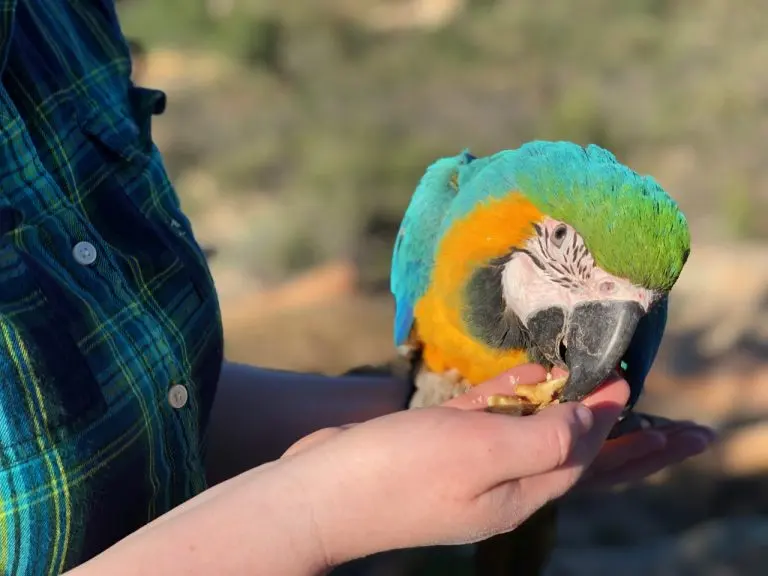
How to introduce new foods to a parrot?
Parrots are neophobic, meaning they are often suspicious of new items in their environment, including new foods. If a bird has been raised on a seed-only diet, it may refuse to eat vegetables or pellets because it does not recognize them as food. Patience is the most important tool when transitioning a bird to a healthier nutritional plan.
To successfully introduce new foods, follow these steps:
- Mash the new food into a texture the bird already enjoys, such as mixing pellets with a small amount of warm water or juice.
- Eat the food in front of the bird, demonstrating that it is safe and delicious.
- Offer the new food first thing in the morning when the bird is hungriest.
- Keep offering the item daily; it may take weeks for a parrot to accept a new vegetable.
Consistency is key. Do not give up if the bird ignores the food on the first day, as persistence is often rewarded with a more robust diet.
Common mistakes when feeding parrots
The most frequent error parrot owners make is providing a diet consisting entirely of sunflower seeds or peanuts. While birds love these high-fat items, they act like "junk food," leading to obesity, fatty liver disease, and vitamin A deficiencies. Another mistake is failing to provide fresh water daily. Parrots often dip their food into their water bowls, which quickly contaminates the water with bacteria, necessitating frequent cleaning of the bowl throughout the day.
Additionally, many owners fail to provide enough mental stimulation during mealtime. In the wild, parrots spend hours foraging; in captivity, they can become bored if food is simply placed in a bowl. Owners should hide food inside puzzle toys or wrap it in paper to encourage natural foraging behaviors. This keeps the bird mentally sharp and physically active. By avoiding these common pitfalls and focusing on a balanced, varied, and safe diet, you can significantly improve your parrot's overall quality of life and longevity.
Key facts
- Parrots require a diverse diet consisting of high-quality pellets, fresh vegetables, fruits, and occasional seeds.
- Pellets should make up approximately 60% to 80% of a parrot's daily nutritional intake to ensure balanced vitamins.
- Avocado, chocolate, caffeine, and onion are toxic to parrots and must be strictly avoided at all times.
- Fresh water must be available at all times, as parrots have high metabolic rates and dehydrate quickly.
- Vegetables like kale, carrots, and bell peppers provide essential phytonutrients that are missing from seed-only diets.
- Overfeeding seeds can lead to obesity and fatty liver disease because they are high in fat and low in calcium.
The bottom line
A healthy parrot diet is built on a foundation of nutritionally complete pellets supplemented by a wide variety of fresh vegetables and limited fruits. By avoiding toxic items like avocado and minimizing high-fat seeds, you ensure your bird avoids common metabolic diseases. Focus on providing diverse textures to stimulate natural foraging, and always consult an avian veterinarian to tailor a specific nutrition plan for your bird.
People also ask
Can parrots eat fruit every day?
Fruit should be offered in moderation, typically making up no more than 10% to 15% of the diet. Because fruits contain high levels of natural sugar, excessive consumption can lead to weight gain and digestive issues.
Is it safe to feed parrots human food?
Many human foods are safe, such as cooked grains, beans, and plain steamed vegetables. However, you must avoid any foods containing salt, sugar, preservatives, or dairy, as parrots are lactose intolerant.
Why do parrots need a variety of food textures?
Providing different textures like crunchy vegetables, soft cooked grains, and dry pellets encourages natural foraging behaviors. This mental stimulation is vital for a parrot's psychological well-being and prevents boredom.
How do I know if my parrot is eating enough?
Monitor your bird's weight weekly using a gram scale to detect subtle changes. A healthy parrot should maintain a consistent weight, and any sudden loss or gain warrants a visit to an avian veterinarian.
Should I use vitamin supplements for my parrot?
If your parrot consumes a high-quality pellet-based diet, additional supplements are usually unnecessary. Always consult a veterinarian before adding vitamins, as overdosing on fat-soluble vitamins can cause serious health complications.
What is the best way to introduce new foods to a picky parrot?
Offer new foods in the morning when the bird is hungriest and model eating the food yourself to pique their curiosity. You can also chop new vegetables into the same size as their pellets to encourage them to try the mixture.
This answer was created with the help of AI research tools and reference sources. Spotted an error? Let us know — we correct mistakes quickly. See our editorial policy.