Where do seals live?
Short answer
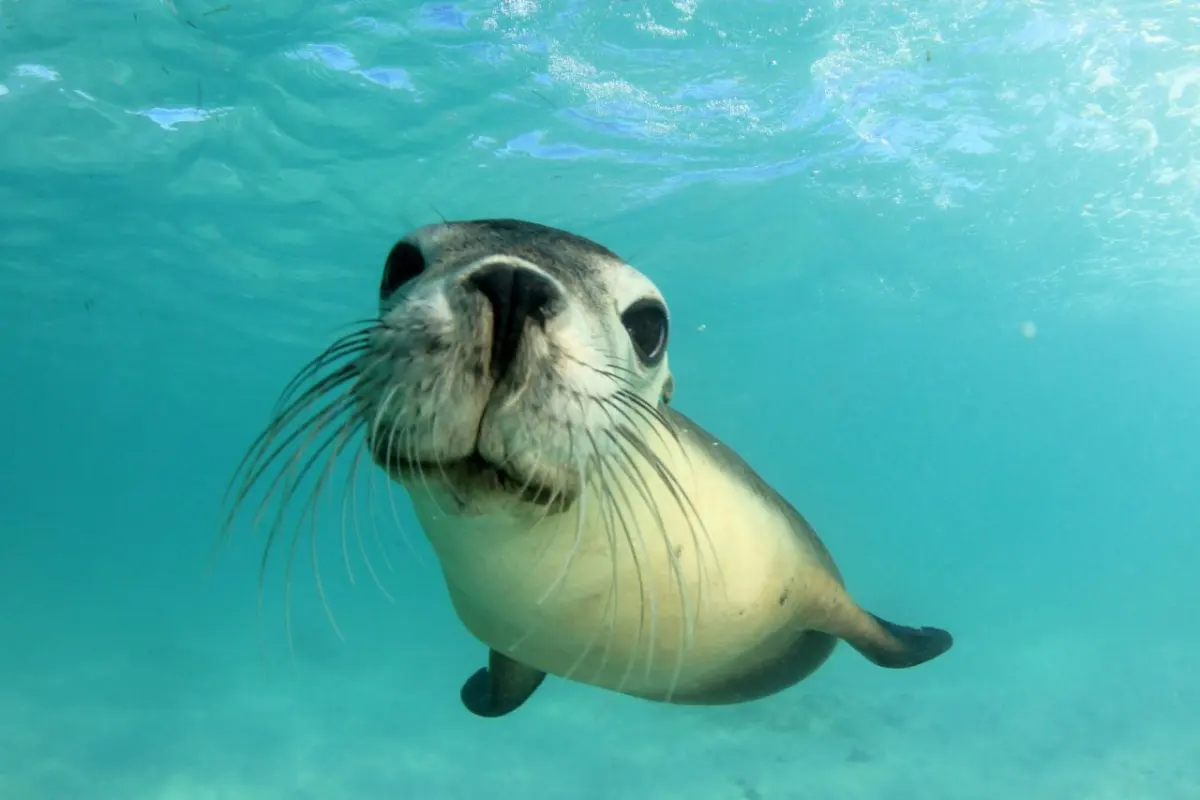
Seals live in diverse marine environments across the globe, primarily inhabiting coastal waters, polar regions, and temperate zones. While most species prefer the nutrient-rich waters of the Northern and Southern Hemispheres, some reside in freshwater lakes. They spend significant time in the ocean but return to land or ice to breed.
On this page
Where do seals live in the wild?
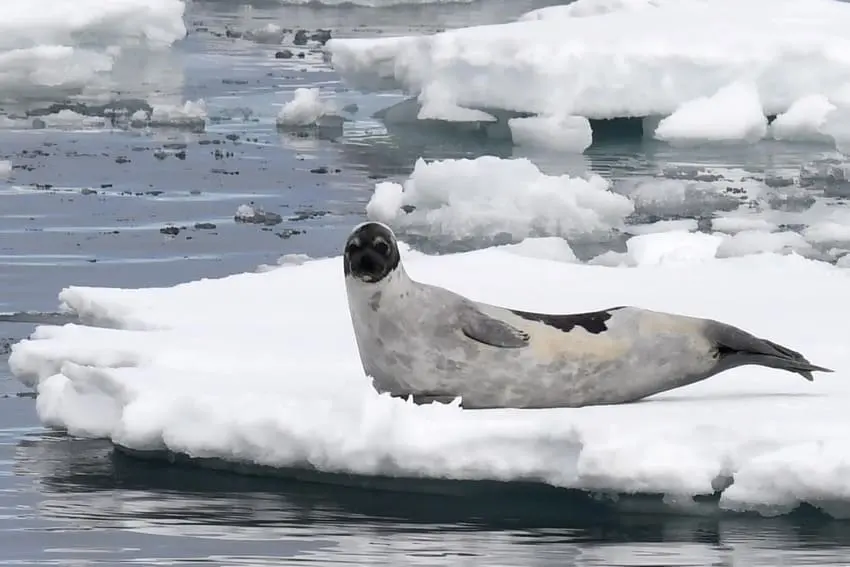
Seals are found in almost every ocean on Earth, though their distribution depends heavily on water temperature and food availability. The majority of the world’s 33 species thrive in cold, nutrient-dense waters where fish and squid are abundant. These animals are highly adaptable, occupying habitats ranging from the freezing ice floes of Antarctica to the rocky shorelines of the North Atlantic and Pacific.
While some seals are migratory, others remain within specific geographic ranges throughout their lives. The harbor seal, for instance, is widely distributed across northern coastal areas, while the monk seal inhabits much warmer, tropical waters near Hawaii and the Mediterranean. Regardless of the specific location, all seals require proximity to productive marine ecosystems to sustain their high metabolic needs. Their ability to thrive in such varied climates is a testament to their evolutionary success in aquatic environments.
How do seals choose their habitats?
Seals select their living environments based on three primary factors: access to prey, safety from predators, and suitable sites for reproduction. They prefer areas where upwelling currents bring cold, nutrient-rich water to the surface, as these zones support the massive schools of fish that seals rely on for survival. Furthermore, seals require haul-out sites—areas of land or ice where they can rest, molt, and give birth away from marine predators like sharks and orcas.
When selecting a habitat, seals prioritize:
- Proximity to deep-water foraging grounds for consistent food access.
- Sheltered rocky beaches or stable ice shelves for protection during molting.
- Low levels of human disturbance to ensure successful pup rearing.
- Shallow coastal inlets that provide refuge from large aquatic predators.
These site preferences often lead seals to congregate in large colonies. By staying in groups, they can better monitor their surroundings for threats while maximizing their time spent resting on land or ice.
Why do seals move between land and water?
Seals are semi-aquatic mammals, meaning they must balance their life between the ocean and solid ground. While they are master swimmers capable of diving to extreme depths, they cannot live entirely in the water. They must return to land or ice to give birth, nurse their pups, and undergo their annual molt, a process where they shed their old fur and skin.
The transition between these two environments is essential for their biological cycles. During the breeding season, females seek out isolated beaches or remote ice floes to protect their vulnerable pups from predators. Once the pups are weaned and the molting process is complete, the seals return to the water to feed and regain the blubber reserves necessary for the next cycle. This rhythmic movement is a fundamental aspect of their survival, dictated by the physiological demands of their life cycle.
How to observe seals in their natural habitat
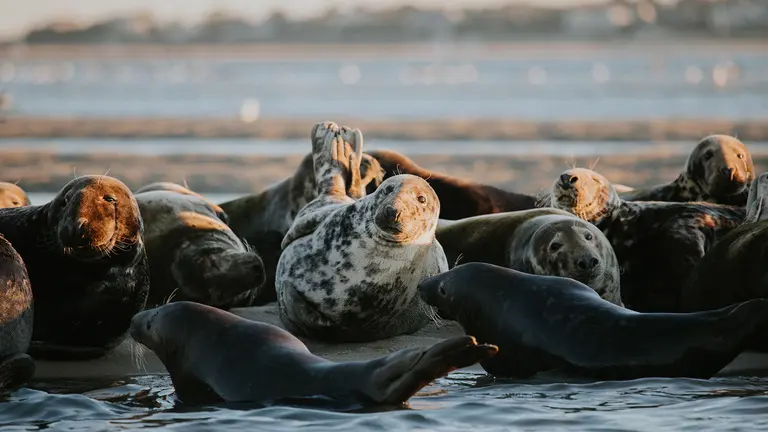
Observing seals in the wild is a rewarding experience, but it requires careful planning and strict adherence to safety guidelines. To see them in their natural environment, you should visit coastal areas during the low tide when seals are most likely to be hauled out on rocks or sandbars. Use binoculars or a camera with a telephoto lens to maintain a significant distance from the animals, as they are easily startled by human presence.
Follow these steps for a respectful wildlife viewing experience:
- Research local seal populations and identify protected haul-out sites in your area.
- Maintain a distance of at least 50 to 100 yards to avoid causing stress to the colony.
- Keep noise levels low and avoid sudden movements that might trigger a stampede.
- Keep pets on a leash at all times, as dogs can be perceived as predators by seals.
- Watch for signs of agitation, such as increased vocalization or heads lifting in unison.
Common mistakes when viewing seals
The most frequent error observers make is approaching seals too closely, which can have serious consequences for the animals. When a seal feels threatened, it may flush into the water, wasting precious energy that is needed for thermoregulation or nursing. In extreme cases, a panicked seal might abandon its pup, leading to the pup's starvation or death. Never attempt to feed a seal or offer it water, as this interferes with their natural foraging behaviors and can lead to dangerous human-wildlife interactions.
Another mistake is failing to recognize the difference between a distressed animal and one that is simply resting. People often assume a seal on the beach is sick or injured, leading them to call for rescue when the animal is perfectly healthy. If you see a seal that appears to be alone, do not touch it or move it back into the water. Instead, observe it from a distance and contact local wildlife authorities if you suspect the animal is truly in danger.
Key facts
- Seals inhabit every ocean on Earth, ranging from the frigid Arctic and Antarctic waters to tropical coastal regions.
- There are 33 distinct species of seals, divided into two main groups: "true" seals (phocids) and eared seals (otariids).
- True seals, such as the harbor seal, lack external ear flaps and move on land by undulating their bellies.
- Eared seals, including sea lions and fur seals, possess visible ear flaps and can rotate their hind flippers to walk on land.
- Most seals spend the majority of their lives at sea, returning to land or ice only to breed, molt, or rest.
- When observing seals in the wild, maintain a distance of at least 150 feet to avoid causing stress or forcing them to abandon their haul-out sites.
The bottom line
Seals are highly adaptable marine mammals distributed across global oceans, from polar ice caps to temperate coastlines. Whether they are true seals or eared seals, these animals spend most of their time hunting in the water, only retreating to land or ice for critical life stages like breeding and molting. Respecting their space in these natural habitats is essential for their long-term survival and health.
People also ask
Do seals live in freshwater?
While most seals are marine animals, a few species inhabit freshwater environments. The Baikal seal, for example, is found exclusively in Lake Baikal in Russia, which is the world's deepest freshwater lake.
How do seals stay warm in freezing water?
Seals rely on a thick layer of fat called blubber to insulate their bodies against extreme cold. This layer also stores energy and helps them remain buoyant while swimming in icy conditions.
Where do seals go to give birth?
Seals return to specific sites known as rookeries or haul-outs to give birth to their pups. These locations are often on remote beaches, rocky shorelines, or floating sea ice, providing protection from land-based predators.
How long can seals stay underwater?
Most seals can hold their breath for 10 to 30 minutes during a typical dive. However, species like the southern elephant seal can remain submerged for up to two hours while hunting at extreme depths.
Are seals considered social animals?
Many seal species are highly social, especially during breeding seasons when they gather in large colonies. Outside of these periods, some species remain solitary, while others form smaller groups to forage for food.
Can seals sleep in the water?
Yes, seals have the ability to sleep while floating in the water. They often engage in "bottling," where they hang vertically in the water column with their heads near the surface to breathe while resting.
This answer was created with the help of AI research tools and reference sources. Spotted an error? Let us know — we correct mistakes quickly. See our editorial policy.