What is Delhi known for?
Short answer
Delhi is the capital of India, renowned as a sprawling metropolis where ancient history meets modern urban development. It is famous for its iconic Mughal-era architecture, vibrant street food culture, bustling wholesale markets, and significant political landmarks. As a major cultural hub, it serves as the gateway to northern India’s rich heritage.
On this page
What are the most famous historical sites in Delhi?
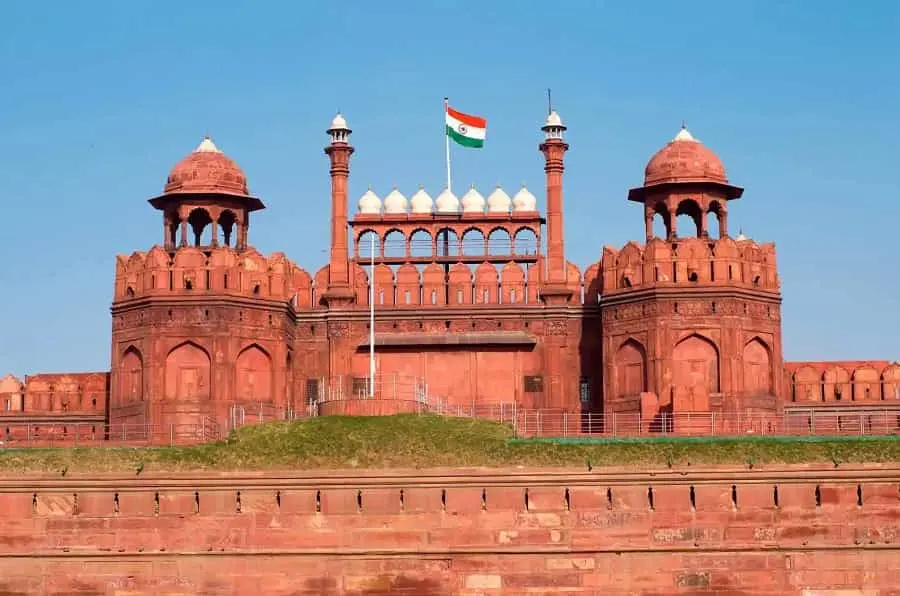
Delhi’s landscape is defined by centuries of rule, ranging from the Delhi Sultanate to the Mughal Empire and the British Raj. The city is home to three UNESCO World Heritage sites, each offering a unique glimpse into the past. The Red Fort, built by Shah Jahan in 1639, remains a symbol of power and the site of India’s annual Independence Day celebrations. Nearby, the Qutub Minar stands as the tallest brick minaret in the world, dating back to the 12th century.
Visitors should prioritize these architectural landmarks to understand the city's evolution:
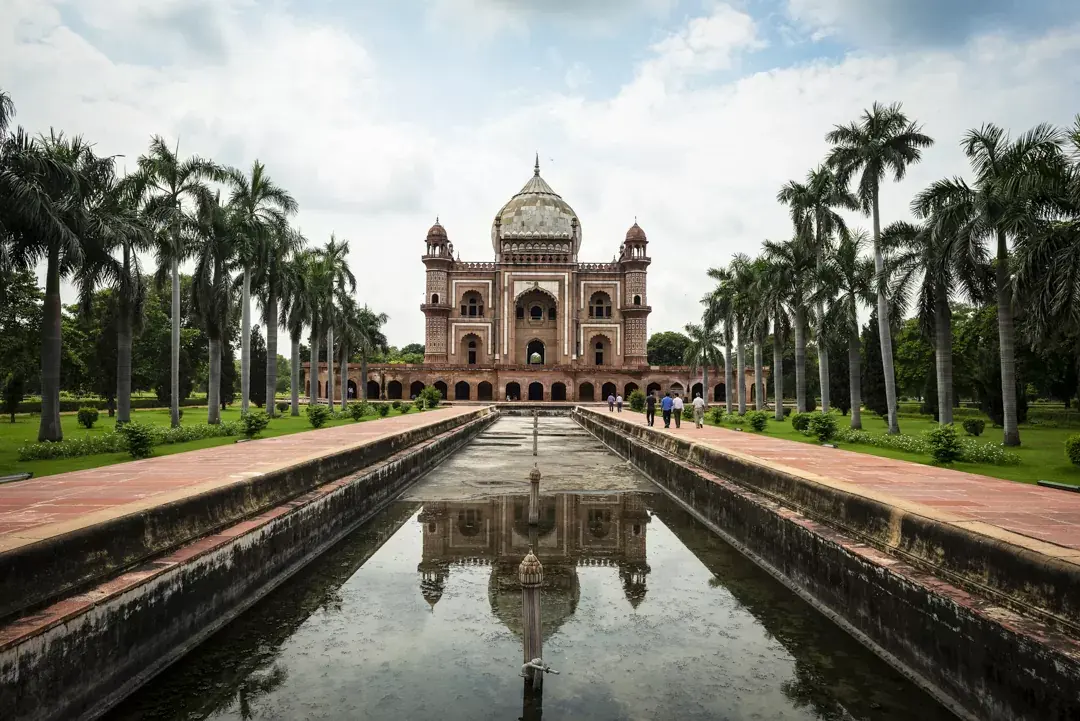
- Humayun’s Tomb: A masterpiece of Persian-influenced Mughal architecture that inspired the design of the Taj Mahal.
- Jama Masjid: One of the largest mosques in India, capable of holding 25,000 worshippers in its courtyard.
- India Gate: A war memorial dedicated to soldiers of the British Indian Army, located in the heart of the capital.
- Lodhi Gardens: A sprawling park containing tombs from the 15th and 16th centuries, popular for morning walks.
Where to find the best street food in Delhi?
Delhi is widely considered the culinary capital of India, particularly famous for its diverse street food scene. The city’s food culture is a blend of traditional Mughal influences and modern Punjabi flavors. Old Delhi, specifically the area around Chandni Chowk, is the epicenter for authentic snacks like parathas, chaat, and kebabs. These narrow lanes have hosted legendary food stalls for generations, some operating for over a century.
To experience the best of Delhi’s street food, follow these recommendations:
- Visit Paranthe Wali Gali for deep-fried flatbreads stuffed with various fillings like potatoes, paneer, or even dried fruits.
- Head to Karim’s near Jama Masjid for succulent mutton kebabs and rich curries that reflect royal Mughal recipes.
- Try Dahi Bhalla at Natraj, a local favorite known for its perfectly balanced sweet and tangy yogurt-based snacks.
- Sample Chole Bhature in the Karol Bagh or Paharganj areas for a hearty, spicy chickpea curry served with fluffy fried bread.
How to navigate the markets of Delhi?
Shopping in Delhi is an intense, sensory experience that ranges from high-end luxury malls to chaotic, historic wholesale bazaars. The city is a major hub for textiles, handicrafts, jewelry, and electronics. Markets like Dilli Haat offer a curated experience, showcasing traditional crafts from every Indian state in an open-air setting. Conversely, places like Khari Baoli, Asia’s largest spice market, provide a raw and unfiltered look at the city’s trade history.
When navigating these markets, keep these tips in mind:
- Carry cash, as many smaller vendors in traditional markets do not accept digital payments or cards.
- Practice polite bargaining, as prices are often inflated for tourists in non-fixed-price stores.
- Hire a local guide if you are visiting massive wholesale hubs like Sadar Bazaar to avoid getting lost in the labyrinthine alleys.
- Keep your belongings secure in crowded areas, as pickpocketing can occur in high-traffic zones like Chandni Chowk.
Common mistakes when visiting Delhi
Many travelers underestimate the scale and intensity of Delhi, leading to avoidable stress and frustration. A frequent error is trying to cover too many locations in a single day, which is difficult due to the city’s heavy traffic and vast distances. The city spans over 1,484 square kilometers, meaning travel time between South Delhi and Old Delhi can exceed an hour during peak traffic hours. Relying solely on walking is also impractical for most sightseeing itineraries.
To ensure a smoother trip, avoid these common pitfalls:
- Do not rely on walking for long distances; use the Delhi Metro, which is efficient, air-conditioned, and covers almost every major tourist site.
- Avoid traveling during the peak of summer, from May to June, when temperatures frequently exceed 40 degrees Celsius (104 degrees Fahrenheit).
- Do not drink tap water; always opt for sealed bottled water to prevent waterborne illnesses.
- Avoid accepting unsolicited advice from strangers offering "special deals" or "government-approved" tours, as these are often scams designed to divert tourists to expensive shops.
Why the Delhi Metro is the best way to travel
The Delhi Metro is the lifeline of the city, significantly transforming how locals and tourists navigate the urban sprawl. Since its inception in 2002, the network has expanded to become one of the largest and busiest metro systems in the world. It provides a clean, safe, and affordable alternative to the city's congested roads. With over 280 stations, it connects the historic northern districts with the modern commercial hubs of the south and the satellite city of Gurugram.
For a seamless experience, follow these steps:
- Purchase a Smart Card at any station to avoid standing in long queues for individual tokens at every stop.
- Download the official Delhi Metro mobile application to check routes, fare estimates, and the next train timings in real-time.
- Respect the designated women-only coach, which is always the first carriage of the train in the direction of travel.
- Be mindful of peak hours—roughly 8:00 AM to 10:00 AM and 5:00 PM to 8:00 PM—when trains are extremely crowded with commuters.
Key facts
- Delhi serves as the capital of India and is home to over 33 million residents in its metropolitan area.
- The city features three UNESCO World Heritage sites: the Qutub Minar, Humayun's Tomb, and the Red Fort.
- Chandni Chowk, established in the 17th century by Shah Jahan, remains one of the oldest and busiest markets in the country.
- The city is divided into Old Delhi, known for narrow lanes and Mughal architecture, and New Delhi, characterized by wide boulevards and colonial government buildings.
- Visitors should use the Delhi Metro, which spans over 390 kilometers, to avoid the city's notorious road traffic.
- Avoid visiting between May and June, when temperatures frequently exceed 40°C (104°F) and air quality often reaches hazardous levels.
The bottom line
Delhi is a vibrant metropolis that seamlessly blends centuries of Mughal and British history with the frenetic energy of a modern capital. From the architectural grandeur of its ancient monuments to the aromatic chaos of its legendary street food scene, the city offers an intense, rewarding experience. By utilizing the efficient metro system and timing your visit for the cooler months, you can navigate this historic urban landscape effectively.
People also ask
What is the best time of year to visit Delhi?
The ideal time to visit is between October and March, when the weather is cool and pleasant. During these months, you can comfortably explore outdoor monuments and street markets without the extreme heat of summer.
Is it safe for tourists to drink tap water in Delhi?
No, you should never drink tap water in Delhi as it is not potable. Always stick to sealed bottled water or use a high-quality portable water purifier to avoid waterborne illnesses.
How do I get around the city efficiently?
The Delhi Metro is the most reliable and efficient mode of transport, connecting almost all major tourist hubs. For shorter distances, ride-sharing apps like Uber or Ola are safer and more transparent than hailing traditional auto-rickshaws on the street.
What are the must-try foods in Delhi?
Delhi is famous for its diverse street food, particularly chaat, chole bhature, and kebabs. Visit areas like Connaught Place or Old Delhi to sample authentic local dishes from long-standing, popular vendors.
Do I need a visa to visit Delhi?
Most foreign nationals require a visa to enter India, which can often be obtained as an e-Visa online before arrival. Check the official Indian government visa portal well in advance to ensure you meet all entry requirements.
What is the dress code for visiting religious sites?
When visiting temples, mosques, or gurdwaras, it is respectful to dress modestly by covering your shoulders and knees. You will also be required to remove your shoes before entering these sacred spaces.
This answer was created with the help of AI research tools and reference sources. Spotted an error? Let us know — we correct mistakes quickly. See our editorial policy.