What is Turkey known for?
Short answer
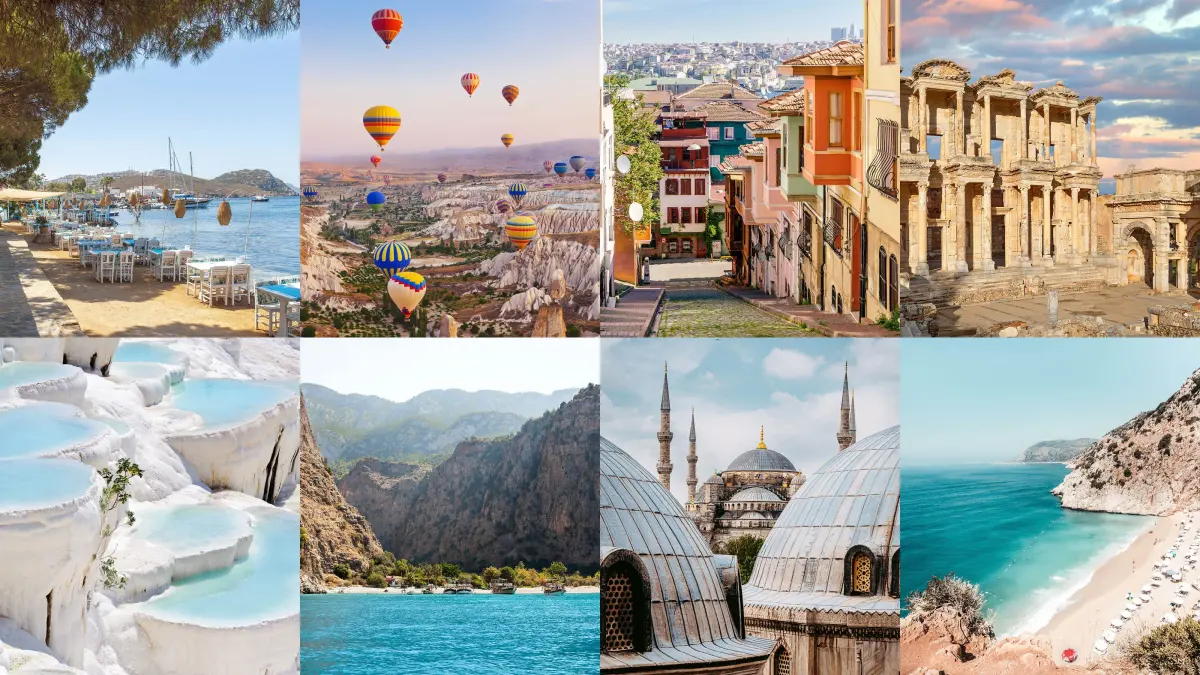
Turkey is a transcontinental nation bridging Europe and Asia, celebrated for its profound historical legacy, diverse culinary traditions, and unique geography. It is world-renowned for iconic landmarks like the Hagia Sophia, vibrant bazaars, exquisite textiles, and the surreal landscapes of Cappadocia. It serves as a vital cultural crossroads between East and West.
On this page
What are the most famous historical landmarks in Turkey?
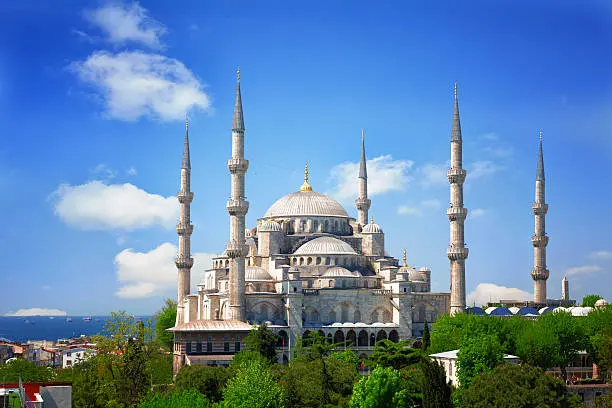
Turkey possesses an incredibly dense concentration of archaeological sites, reflecting its history as the heart of the Byzantine and Ottoman Empires. Istanbul remains the focal point, housing the Hagia Sophia, which transitioned from a cathedral to a mosque and now functions as a major cultural monument. Nearby, the Topkapi Palace offers insight into the opulent lifestyle of Ottoman sultans, while the Blue Mosque is celebrated for its intricate tile work and six minarets.
Beyond the capital, the country features ancient ruins that date back thousands of years. Ephesus, located near the Aegean coast, contains one of the best-preserved Roman theater complexes in the Mediterranean. Travelers often visit these sites to witness the intersection of Hellenistic, Roman, and Byzantine architecture. Key historical sites include:
- The Hagia Sophia in Istanbul, famous for its massive dome.
- The ancient city of Ephesus, featuring the Library of Celsus.
- Göbekli Tepe, widely considered the world’s oldest known temple complex.
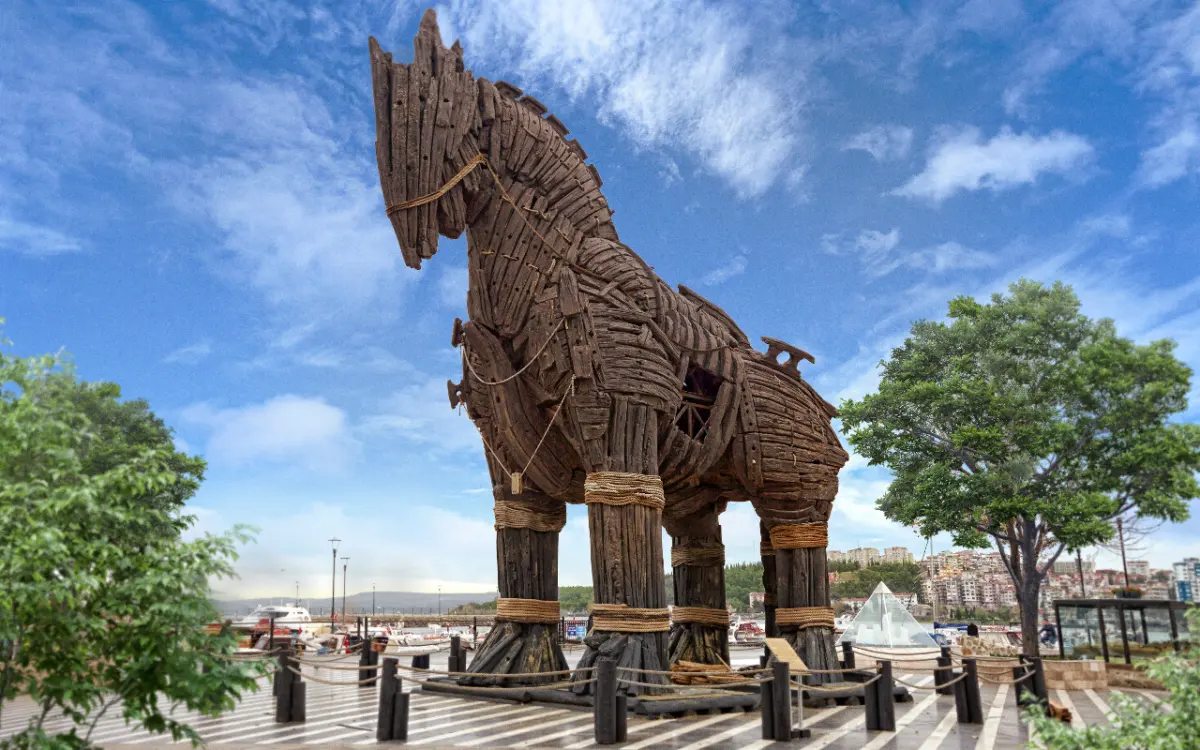
- The ruins of Troy, located in the northwestern province of Çanakkale.
How to experience the best Turkish food?
Turkish cuisine is a sophisticated fusion of Central Asian, Middle Eastern, and Mediterranean influences. It is best known for its focus on fresh vegetables, high-quality meats, and an array of spices. Breakfast, or kahvaltı, is a significant social ritual, typically consisting of olives, cheeses, honey, clotted cream, cucumbers, and tomatoes, served alongside endless cups of Turkish tea.
For those looking to explore the culinary landscape, follow these steps to ensure an authentic experience:
- Visit a local esnaf lokantası, which are traditional tradesmen restaurants serving home-cooked meals.
- Order a meze platter, which includes small plates like hummus, eggplant salad, and stuffed vine leaves.
- Try kebabs, specifically Adana or Iskender, which are regional specialties prepared over charcoal.
- Finish with a dessert like baklava or künefe, a warm cheese-filled pastry soaked in syrup.
Common mistakes include eating only at tourist-heavy restaurants near major landmarks, where prices are inflated and quality is often compromised. Always look for places where locals are queuing during lunch hours.
Why is Cappadocia famous for hot air balloons?
Cappadocia is a geological marvel located in central Turkey, defined by its "fairy chimney" rock formations and ancient cave dwellings. The region’s unique volcanic landscape creates thermal currents that are exceptionally well-suited for hot air ballooning. Each morning, hundreds of balloons rise simultaneously at sunrise, providing a panoramic view of the valleys, carved churches, and underground cities that have existed for centuries.
The area is also known for its troglodyte architecture, where early Christians carved entire homes and churches into the soft volcanic tuff. Staying in a "cave hotel" is a popular way to experience this history firsthand. Visitors should note that balloon flights are weather-dependent and can be canceled on short notice due to high winds. It is advisable to book your flight for the first morning of your stay, allowing for backup days if the weather conditions do not permit a safe launch.
What should you know about Turkish carpets and textiles?
Turkey has a centuries-old tradition of carpet weaving, with each region producing distinct patterns, colors, and knotting techniques. A genuine Turkish rug is considered a work of art, often utilizing natural dyes derived from plants and minerals. These textiles are not merely floor coverings; they represent cultural narratives and local craftsmanship that have been passed down through generations.
When shopping for textiles, keep these tips in mind:
- Check the knot density on the back of the rug; higher density usually indicates superior quality.
- Ask for a certificate of authenticity if you are purchasing a high-value antique.
- Avoid shops that pressure you into buying; legitimate dealers will allow you to browse without aggressive sales tactics.
- Be aware that silk carpets are significantly more expensive than wool and require specific maintenance to preserve their sheen.
A common mistake is assuming that all rugs found in tourist bazaars are handmade. Many cheaper options are machine-made imitations, so always clarify the origin and manufacturing process before finalizing a purchase.
Best way to navigate the Grand Bazaar?
The Grand Bazaar in Istanbul is one of the oldest and largest covered markets in the world, containing over 4,000 shops spread across 61 streets. It is a sensory experience defined by the scent of spices, the shimmer of gold, and the constant hum of commerce. Navigating this labyrinth requires patience and a clear sense of direction, as it is very easy to become disoriented among the narrow corridors.
To make the most of your visit, enter through the Nuruosmaniye Gate and follow the main thoroughfare, but do not hesitate to duck into the side alleys for more specialized goods. Bargaining is a standard and expected part of the culture here. Start by offering about half of the initial asking price and remain polite throughout the negotiation. If you cannot reach a price that feels fair, it is perfectly acceptable to thank the shopkeeper and walk away. Avoid visiting during peak afternoon hours if you prefer a quieter shopping experience, as the crowds can become overwhelming for those unaccustomed to dense urban markets.
Key facts
- Istanbul is the only city in the world that straddles two continents, Europe and Asia, separated by the Bosphorus Strait.
- Turkey is the world’s leading producer of hazelnuts, accounting for approximately 70% of the global supply.
- The Grand Bazaar in Istanbul is one of the oldest and largest covered markets in the world, featuring over 4,000 shops.
- When visiting mosques, women should cover their hair and both men and women must dress modestly by covering their shoulders and knees.
- Hagia Sophia, originally built as a cathedral in 537 CE, has served as a church, a mosque, and a museum throughout its history.
- Avoid drinking tap water in Turkey; stick to bottled water to prevent stomach issues, even in major cities like Ankara or Antalya.
The bottom line
Turkey offers a unique fusion of ancient history, vibrant culture, and diverse geography. From the bustling streets of Istanbul to the surreal landscapes of Cappadocia, the country provides travelers with deep historical insights and world-class hospitality. By respecting local customs, preparing for climate variations, and navigating the vast culinary landscape, visitors can fully appreciate the rich legacy that defines this bridge between the East and West.
People also ask
Is it necessary to tip in Turkish restaurants?
Yes, it is customary to leave a tip of about 10% to 15% of the total bill in restaurants. While service charges are sometimes included, leaving extra cash is appreciated for good service.
What is the best time of year to visit Turkey?
The spring (April to June) and autumn (September to November) offer the most pleasant weather for sightseeing. Summers can be extremely hot, particularly in the southern coastal regions, while winters are often cold and snowy.
Do I need a visa to enter Turkey?
Many nationalities require an e-Visa or a visa to enter Turkey for tourism. You should check the official Turkish government visa portal well in advance of your travel dates to confirm your specific requirements.
What is the official currency of Turkey?
The official currency is the Turkish Lira (TRY). While credit cards are widely accepted in cities, it is practical to carry some cash for small purchases at local markets or in rural areas.
Is it safe to travel around Turkey as a solo tourist?
Turkey is generally safe for solo travelers, including women, provided standard travel precautions are taken. Stick to well-traveled tourist routes and avoid walking alone in unfamiliar or isolated areas late at night.
What is the most famous traditional Turkish dish?
Kebabs are the most iconic food, with dozens of regional varieties like Adana or Doner. Other staples include baklava, a sweet pastry, and Turkish delight, a gel-like confection flavored with rosewater or citrus.
This answer was created with the help of AI research tools and reference sources. Spotted an error? Let us know — we correct mistakes quickly. See our editorial policy.