What is Colombia known for?
Short answer
Colombia is world-renowned for its high-quality coffee, diverse geography, and rich cultural heritage. Located in northwestern South America, it is the only country on the continent with coastlines on both the Pacific and Atlantic oceans. The nation is celebrated for its vibrant music, colonial architecture, and significant biodiversity in the Andes.
On this page
Why is Colombian coffee famous?
Colombia is the world's third-largest producer of coffee, trailing only Brazil and Vietnam. The country’s unique geography, characterized by high-altitude Andean mountains and volcanic soil, provides the perfect climate for growing Arabica beans. Most coffee is cultivated in the "Coffee Triangle," known as the Eje Cafetero, which includes the departments of Caldas, Quindío, and Risaralda. This region is a UNESCO World Heritage site, recognized for its traditional coffee-growing landscapes and cultural practices.
The quality of Colombian coffee is strictly monitored by the National Federation of Coffee Growers. This organization supports over 500,000 small-scale farmers, ensuring that beans are hand-picked and processed with care. Because of this dedication, Colombian coffee is synonymous with a mild, well-balanced flavor profile featuring notes of caramel, fruit, and nuts. Visitors to the region can participate in tours that explain the entire lifecycle of the bean, from the initial planting to the final roast.
- Visit a local "finca" (farm) to see the harvesting process firsthand.
- Look for the "Café de Colombia" certification label to ensure authenticity.
- Try a "tinto," which is the small, black coffee served in almost every household.
- Avoid purchasing pre-ground coffee in tourist shops; opt for fresh, whole beans from local cooperatives instead.
How to explore Colombia's biodiversity?
Colombia ranks as one of the most biodiverse countries on Earth, hosting nearly 10% of the planet's species. The nation’s varied terrain ranges from the Amazon rainforest and the vast eastern plains known as the Llanos to the snowy peaks of the Sierra Nevada de Santa Marta. This environmental variety makes it a premier destination for birdwatchers, as Colombia boasts more bird species than any other country, with over 1,900 recorded varieties.
National parks like Tayrona and Los Nevados offer travelers a chance to experience this nature directly. Tayrona National Park is particularly famous for its meeting of lush jungle trails and pristine Caribbean beaches. Meanwhile, the Cocora Valley features the world’s tallest palm trees, the wax palms, which can reach heights of up to 60 meters. When visiting these protected areas, travelers should follow strict environmental guidelines to preserve the delicate ecosystems.
- Pack lightweight, moisture-wicking clothing for the humid jungle regions.
- Bring sturdy hiking boots for trekking the high-altitude Andean trails.
- Always hire a certified local guide when entering remote national parks.
- Do not touch or feed local wildlife to ensure both human and animal safety.
What is the cultural significance of Colombian music?
Music is the heartbeat of Colombian culture, reflecting a fusion of Indigenous, African, and Spanish influences. Cumbia is perhaps the most iconic national rhythm, originating on the Caribbean coast as a courtship dance. Another essential genre is Vallenato, which relies heavily on the accordion and was declared an Intangible Cultural Heritage by UNESCO in 2015. These rhythms are not just entertainment; they are the primary way communities share their history and social values.
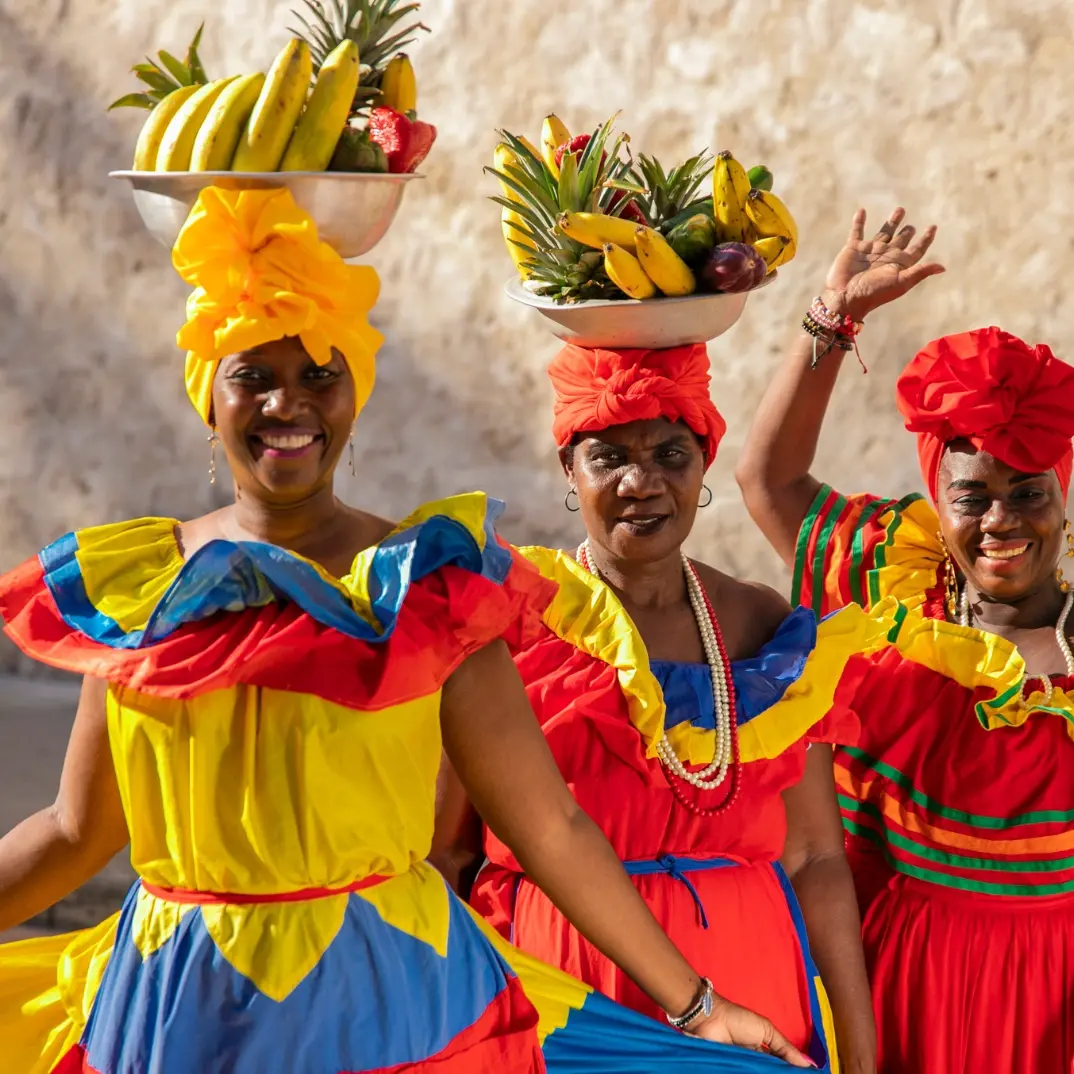
Beyond traditional folk music, Colombia has become a global powerhouse in modern genres like Reggaeton and Pop. Artists such as Shakira, J Balvin, and Carlos Vives have brought Colombian sounds to the international stage, blending traditional instruments with contemporary beats. During festivals like the Barranquilla Carnival, which is one of the largest in the world, the streets come alive with elaborate costumes, parades, and non-stop music that showcases the country's festive spirit.
Common mistakes when traveling in Colombia
Travelers often underestimate the time required to navigate the country due to its mountainous terrain. While the distance between cities might look short on a map, the winding Andean roads can make travel times significantly longer than expected. Another frequent error is failing to acclimatize to high altitudes. Cities like Bogotá sit at over 2,600 meters above sea level, which can cause altitude sickness for unprepared visitors.
Safety remains a concern for some, but modern Colombia has made immense strides in tourism security. However, travelers should still exercise common sense, such as avoiding flashing expensive jewelry or using cell phones in isolated areas at night. It is also a mistake to assume that English is widely spoken outside of major hotels or tourist hubs. Learning basic Spanish phrases will significantly improve your experience and help you connect with the incredibly welcoming local population.
Best cities for history and architecture
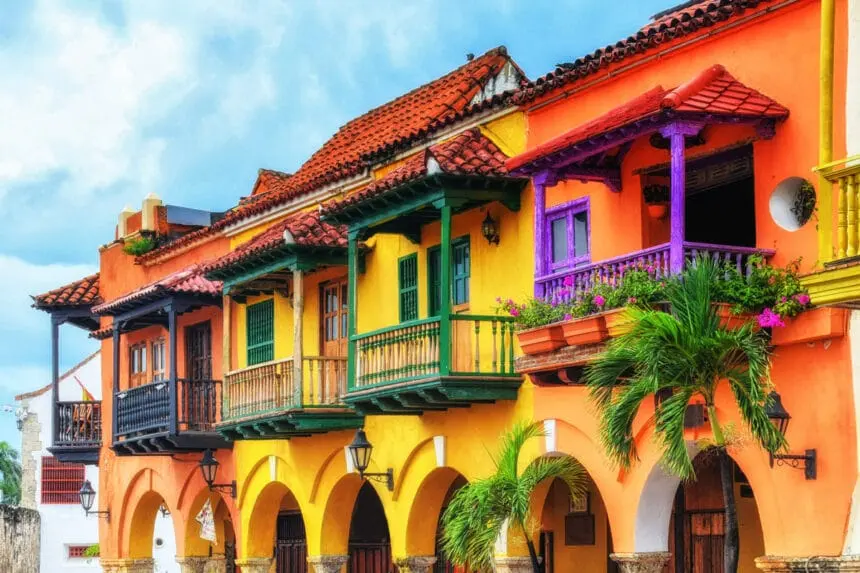
Cartagena is the crown jewel of Colombian architecture, famous for its Walled City and colorful colonial buildings. Founded in 1533, the city’s historic center is a maze of cobblestone streets and flower-draped balconies that transport visitors back to the Spanish colonial era. The Castillo San Felipe de Barajas, a massive fortress overlooking the city, stands as a testament to the strategic importance of the port during the colonial period.
Bogotá and Medellín also offer distinct historical experiences. Bogotá’s La Candelaria district is filled with colonial-era churches and the world-renowned Gold Museum, which houses thousands of pre-Hispanic artifacts. Medellín, once known for its turbulent past, has transformed into a symbol of urban innovation. Its public transit system, including the famous Metrocable, connects hillside neighborhoods and provides a unique perspective on the city's social progress. Each city offers a different narrative, making Colombia a diverse destination for those interested in the layers of South American history.
Key facts
- Colombia is the world’s second-largest exporter of coffee, renowned for its high-quality Arabica beans grown in the Andean highlands.
- The country is the leading global source of emeralds, producing approximately 70 to 90 percent of the world's supply.
- Biodiversity is exceptionally high; Colombia ranks second globally in total biodiversity, hosting more bird species than any other country.
- The city of Medellín, once known for high crime rates, underwent a massive urban transformation and was named the world's most innovative city in 2013.
- When visiting, always carry a copy of your passport and use official taxi apps rather than hailing cabs on the street to ensure safety.
- Avoid the common mistake of drinking tap water in rural areas; stick to bottled or filtered water to prevent gastrointestinal illness.
The bottom line
Colombia is a vibrant nation defined by its geographic diversity, ranging from Caribbean coastlines to the high peaks of the Andes. Beyond its world-famous coffee and emeralds, the country offers a rich cultural tapestry shaped by colonial history and indigenous heritage. By practicing basic safety precautions and embracing local customs, travelers can experience a welcoming, modern country that has become one of South America’s most compelling destinations.
People also ask
Is it safe to travel to Colombia as a tourist?
Colombia is generally safe for tourists in major cities and popular tourist hubs like Cartagena and Salento. Travelers should remain vigilant in crowded areas, avoid displaying expensive jewelry, and stay informed about local security advisories for specific regions.
What is the official currency used in Colombia?
The official currency is the Colombian peso (COP). While credit cards are widely accepted in hotels and upscale restaurants, it is essential to carry cash for small purchases, local markets, and transportation in rural towns.
What are the most popular traditional dishes to try?
The most iconic dish is the Bandeja Paisa, a hearty platter featuring beans, rice, chicharrón, chorizo, fried egg, and avocado. Other regional staples include arepas, which are cornmeal cakes served with various toppings, and ajiaco, a rich potato-based chicken soup.
When is the best time of year to visit?
Colombia experiences a tropical climate with little seasonal variation, making it a year-round destination. The driest months, typically December through March and July through August, are generally considered the best times for trekking and outdoor activities.
Do I need a visa to enter Colombia?
Citizens from many countries, including the United States, Canada, and most European nations, do not need a visa for short-term tourism stays of up to 90 days. Always check the latest entry requirements with your local embassy before booking your travel.
What is the significance of the "Coffee Cultural Landscape"?
Recognized as a UNESCO World Heritage site, this region includes the departments of Caldas, Quindío, and Risaralda. It represents a unique cultural tradition where generations of families have cultivated coffee on steep Andean slopes using sustainable, traditional methods.
This answer was created with the help of AI research tools and reference sources. Spotted an error? Let us know — we correct mistakes quickly. See our editorial policy.