Where do dragonflies live?
Short answer
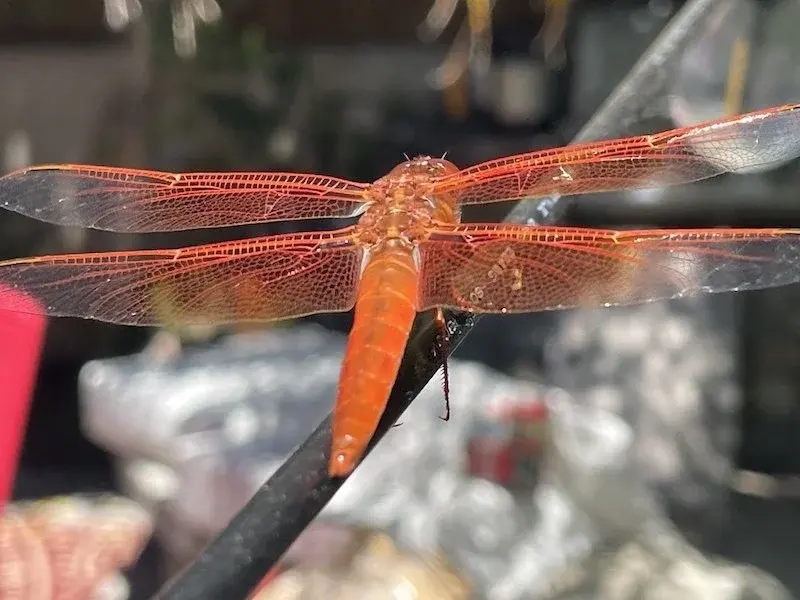
Dragonflies live on every continent except Antarctica, primarily residing near freshwater habitats like ponds, lakes, marshes, and slow-moving streams. They require these aquatic environments for their larval stage, known as nymphs. As adults, they are highly mobile predators that patrol fields, forests, and gardens to hunt insects while basking in sunlight.
On this page
Where do dragonflies live in the wild?
Dragonflies are found in a vast array of ecosystems, provided there is a reliable source of water nearby. While they are most commonly associated with wetlands, they also inhabit meadows, grasslands, and forest edges. Their distribution is global, spanning from tropical rainforests to temperate regions, as long as the climate supports their metabolic needs. Because they are ectothermic, they rely on external heat sources, which is why they are most abundant in warm, sunny locations.
Their habitat choice is dictated by the specific requirements of their life cycle. The aquatic nymph stage requires clean, oxygenated water, often with submerged or emergent vegetation. This greenery provides essential shelter from predators like fish and frogs. Once they emerge as winged adults, their range expands significantly. They are powerful fliers capable of traveling miles from their birth site to hunt, though they generally remain within proximity to water sources for mating and egg-laying purposes.
How to identify dragonfly habitats?
Identifying a suitable dragonfly habitat involves looking for specific environmental markers that support both the larval and adult stages. A healthy habitat usually features a mix of open water and dense plant growth. Sunlight is a critical factor, as dragonflies need to warm their flight muscles before they can hunt effectively. If you are searching for them, look for areas that possess the following characteristics:
- Still or slow-moving water, such as ponds, small lakes, or irrigation ditches.
- Abundant aquatic plants like water lilies, cattails, or reeds for nymphs to cling to.
- Open, sunny areas nearby for adults to perch and survey their territory.
- A high density of smaller insects, such as mosquitoes, gnats, and flies, which serve as their primary food source.
If a water body is heavily polluted or lacks vegetation, you are unlikely to find a thriving population of dragonflies. They are often considered bioindicators, meaning their presence suggests a balanced and relatively clean ecosystem.
Why do dragonflies migrate?
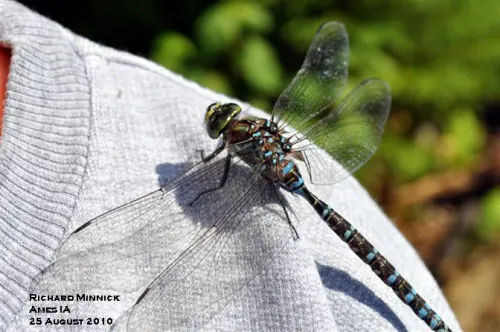
Some dragonfly species, such as the common green darner, exhibit migratory behavior similar to birds. These insects travel thousands of miles to escape unfavorable weather conditions or to follow seasonal food supplies. Migration is not universal among all species; many remain in a single geographic area for their entire lifespan. For those that do move, the journey is often driven by changes in temperature and day length, which signal the need to relocate to warmer climates.
Migratory dragonflies often follow specific pathways, moving along coastlines or mountain ranges. During these long-distance flights, they may stop at various temporary habitats to refuel. These stopover points are just as critical as their permanent breeding grounds. Protecting these corridors is essential for the survival of migratory populations, as they rely on a chain of healthy wetlands to complete their multi-generational journey. Understanding these routes helps conservationists prioritize land management efforts in areas that might otherwise be overlooked.
Common mistakes when attracting dragonflies
Many people attempt to attract dragonflies to their gardens but fail due to improper setup or maintenance. One of the most frequent errors is the use of chemical pesticides. Because dragonflies are predators, they are highly sensitive to toxins that kill their prey or contaminate their water source. If you spray your garden, you will inadvertently drive away the very insects you are trying to attract. Another mistake is creating a water feature that is too deep or lacks adequate plant cover for nymphs.
- Avoid using broad-spectrum insecticides in your yard.
- Ensure your pond has sloping sides rather than steep, vertical walls.
- Include a variety of native plants to support the insects that dragonflies eat.
- Do not over-clean your pond; leaving some decaying organic matter provides food for the small organisms that nymphs consume.
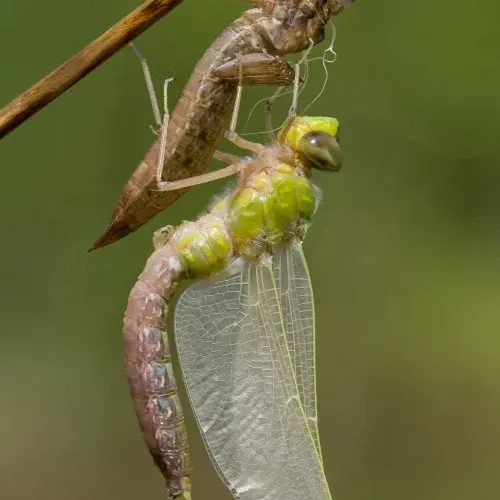
- Provide tall, sturdy stems or sticks that reach above the water line, as these are necessary for the final molting process during metamorphosis.
How to support dragonfly populations
Supporting dragonfly populations requires a focus on habitat preservation and restoration. If you have a backyard, you can contribute by installing a small, wildlife-friendly pond. The goal is to create a self-sustaining micro-ecosystem that mimics a natural wetland. Even a small container pond can be effective if it is placed in a sunny spot and kept free of fish, which are the primary predators of dragonfly nymphs.
Beyond the pond, focus on biodiversity in your surrounding landscape. Planting native flowers will attract a wide variety of prey insects, which in turn draws dragonflies to your area. Avoid clearing away all dead vegetation in the autumn, as many insects hibernate in the stems and leaf litter. By maintaining a diverse, chemical-free environment, you provide the necessary conditions for dragonflies to thrive, mate, and lay their eggs. These simple actions help ensure that these ancient and beneficial insects continue to inhabit our local landscapes for future generations to observe and enjoy.
Key facts
- Dragonflies inhabit every continent except Antarctica, thriving in diverse climates from tropical rainforests to temperate meadows.
- They require freshwater habitats like ponds, lakes, marshes, or slow-moving streams to complete their life cycle.
- Larvae, known as nymphs, are aquatic and spend months or years underwater before emerging as winged adults.
- Adult dragonflies are highly mobile and often travel miles from water to hunt for insects in fields and gardens.
- They are cold-blooded and rely on sunlight to warm their flight muscles, making them most active on sunny, calm days.
- To attract them to your yard, maintain a water feature with submerged, floating, and emergent aquatic plants.
The bottom line
Dragonflies are versatile predators that occupy nearly every corner of the globe, provided they have access to freshwater for their aquatic nymph stage. While they are famous for their aerial hunting skills in gardens and fields, their survival is intrinsically linked to healthy wetlands. By protecting local ponds and maintaining diverse plant life, you ensure these remarkable insects continue to thrive and control pest populations naturally.
People also ask
Do dragonflies bite or sting humans?
Dragonflies do not possess stingers and are physically incapable of biting humans. Their mouthparts are designed for capturing small insects mid-air, and they are generally harmless to people.
How long do dragonflies live?
While the adult stage typically lasts only a few weeks, the entire life cycle from egg to adult can take up to several years. Most of this time is spent as an aquatic nymph hidden beneath the water's surface.
Read the full answer →Why do dragonflies congregate near water?
Water is essential for reproduction, as females lay their eggs directly into the water or onto aquatic vegetation. The nymphs also need a stable aquatic environment to hunt and grow until they are ready to emerge.
Can dragonflies survive in saltwater?
Most dragonfly species cannot survive in saltwater, as they require freshwater ecosystems for their larvae to develop. However, a few rare species have evolved to tolerate brackish water in specific coastal marshes.
Do dragonflies migrate?
Yes, several species, such as the Common Green Darner, perform long-distance migrations similar to birds. They travel thousands of miles to follow favorable weather patterns and food sources across continents.
What do dragonflies eat?
Dragonflies are voracious predators that consume a variety of flying insects, including mosquitoes, flies, gnats, and moths. They are considered beneficial garden inhabitants because they help control populations of biting pests.
Read the full answer →This answer was created with the help of AI research tools and reference sources. Spotted an error? Let us know — we correct mistakes quickly. See our editorial policy.