Why do people wear poppies?
Short answer
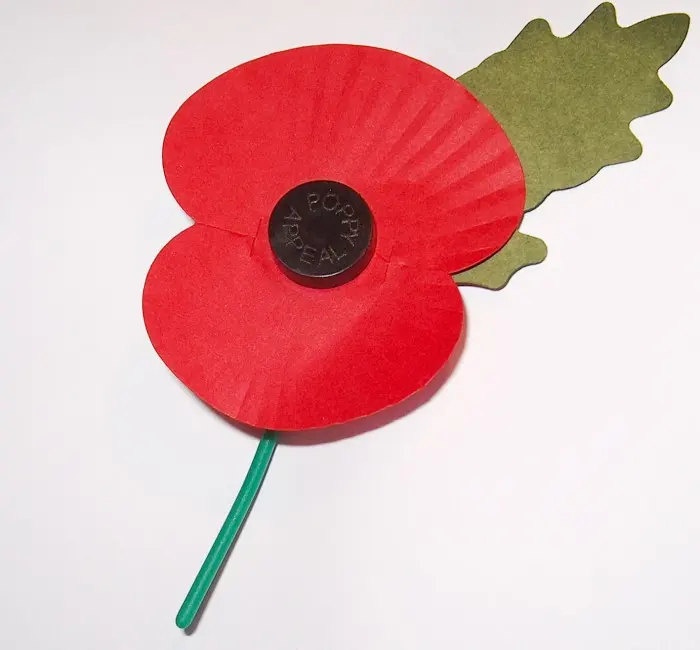
People wear poppies to honor military personnel who died in the line of duty. The tradition began after World War I, inspired by the resilient flowers that grew on devastated battlefields. Today, wearing a poppy serves as a visible symbol of remembrance, gratitude, and support for veterans and their families worldwide.
On this page
Why do people wear poppies?
The tradition of wearing a poppy stems from the poem "In Flanders Fields," written by Canadian physician Lieutenant Colonel John McCrae in 1915. During the Second Battle of Ypres, McCrae noticed that bright red corn poppies flourished in the churned-up soil of soldiers' graves. The flower became a symbol of the fragile yet persistent nature of life amidst the destruction of war.
Following the war, Moina Michael, an American professor, campaigned to make the poppy a national symbol of remembrance. She was inspired by McCrae’s verses and began wearing a silk poppy to honor those who served. Her efforts eventually led the American Legion to adopt the flower as its official symbol in 1920. The practice soon spread to the United Kingdom, Canada, Australia, and New Zealand, becoming an enduring emblem of sacrifice.
When should you wear a poppy?
In most countries, the poppy is worn during the weeks leading up to Remembrance Day, which falls on November 11. This date marks the anniversary of the Armistice that ended the fighting in World War I in 1918. People typically begin wearing the pin on their lapel or coat from late October until the conclusion of Remembrance Day services.
While the primary period of observance is November, some individuals choose to wear the poppy on other significant dates. These may include specific anniversaries of local conflicts or military engagements relevant to their own nation's history. Regardless of the specific date, the intent remains the same: to show public respect for the fallen.
- Locate your national veterans' organization or local charity.
- Provide a voluntary donation to receive a poppy pin.
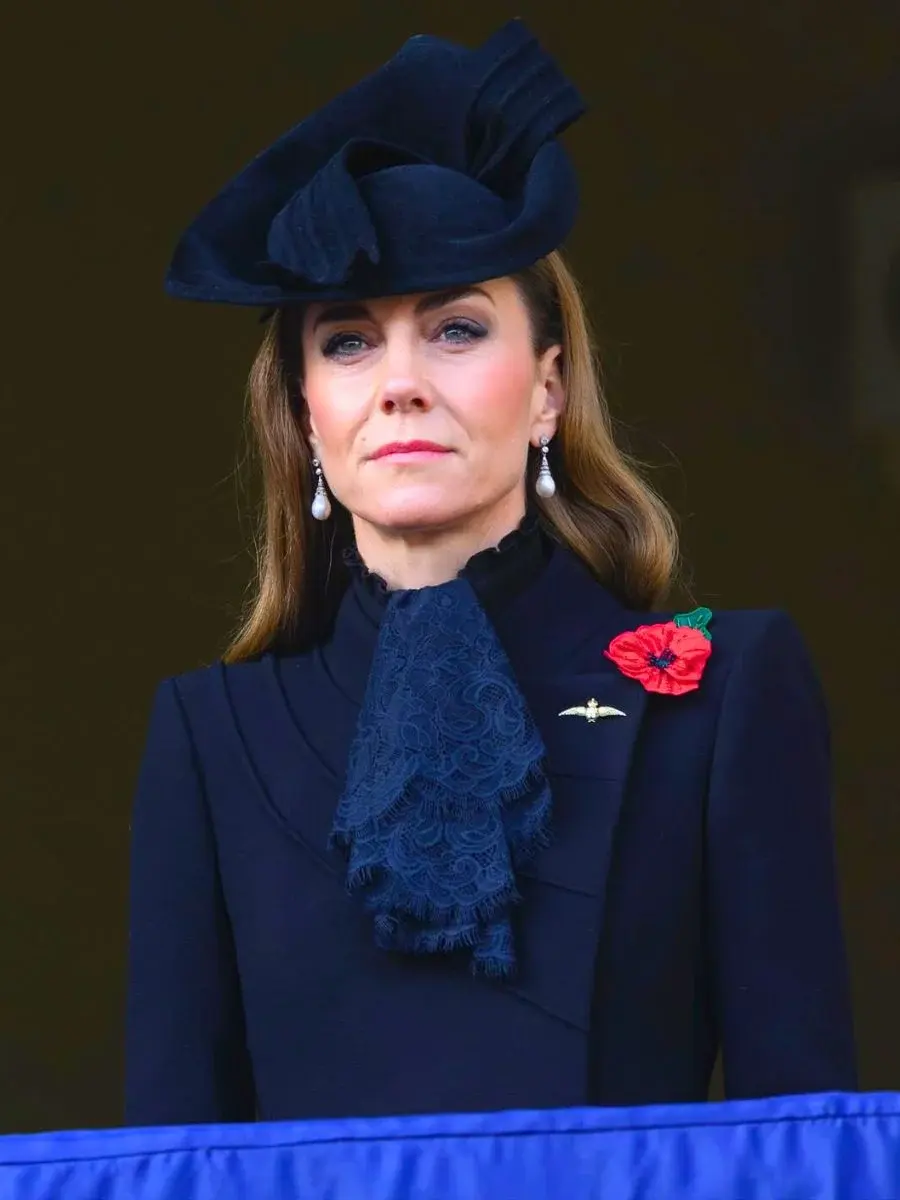
- Place the poppy on your left lapel, near your heart.
- Wear it consistently throughout the designated remembrance period.
How to wear a poppy correctly
There is a common misconception that the poppy must be worn on a specific side of the body. While some organizations suggest the left side—symbolically over the heart—the most important aspect is simply wearing it with respect. The pin should be securely fastened so that it does not fall off during daily activities.
If you are wearing a poppy, ensure it is visible and not obscured by scarves or heavy winter accessories. Many people choose to remove the plastic stem if it is too long, or they use a small backing to prevent the pin from pricking the fabric of their clothing. It is also acceptable to wear a poppy-themed brooch or a fabric version that can be pinned to various types of garments.
- Ensure the pin is pushed through the fabric completely.
- Use a small piece of tape or a backing if the pin is loose.
- Avoid placing the poppy where it might be easily damaged.
- Remove the poppy carefully to prevent tearing your clothing.
Common mistakes when wearing a poppy
One frequent mistake is treating the poppy as a fashion accessory rather than a symbol of solemn remembrance. While the poppy is a decorative item, it should not be paired with inappropriate clothing or worn in a way that mocks the gravity of the occasion. It is meant to be a respectful tribute, not a statement of personal style.
Another error involves failing to properly secure the pin. Because many poppies are made of lightweight plastic or paper, they are easily lost in high winds or crowded spaces. If you find that your poppy frequently falls off, consider purchasing a more durable metal lapel pin version. These are often sold by veteran charities and can be reused for many years, ensuring you always have your symbol of remembrance ready.
What do different colored poppies mean?
While the red poppy is the most recognized symbol, other colors have emerged to represent different groups and causes. The white poppy, for example, is often associated with the pursuit of peace and a commitment to non-violent conflict resolution. Some organizations also use purple poppies to specifically honor animals that served in military roles, such as horses, dogs, and pigeons.
Understanding these variations allows individuals to express their personal perspectives on remembrance. However, the red poppy remains the universal standard for honoring human lives lost in war. Whether you choose to wear a traditional red poppy or a different color, the act serves as a quiet acknowledgement of the high cost of conflict and the ongoing need for reflection on the lessons of history.
Key facts
- The tradition of wearing a red poppy stems from the 1915 poem "In Flanders Fields," written by Canadian Lieutenant Colonel John McCrae.
- Poppies are worn as a symbol of remembrance for military personnel who died in service during World War I and subsequent conflicts.
- In the United Kingdom, Canada, and other Commonwealth nations, poppies are typically worn during the two weeks leading up to Remembrance Day on November 11.
- The red color represents the blood shed by soldiers on the battlefield, while the flower’s resilience reflects the regrowth of life in devastated areas.
- To wear a poppy correctly, place it on the left lapel, closest to the heart, to signify respect and honor for the fallen.
- A common mistake is using a plastic "leaf" that points in the wrong direction; traditionally, the leaf should be positioned at the 11 o'clock position.
The bottom line
The poppy serves as a poignant, visual reminder of the heavy human cost of war. By wearing this flower, individuals honor the sacrifices made by those who served in the armed forces. Whether you choose to participate in this tradition or not, understanding its origins in the fields of Flanders helps maintain a collective awareness of history and the enduring importance of peace in our modern world.
People also ask
Why is the poppy worn on the left side?
The poppy is worn on the left side to place it over the heart, symbolizing that the wearer holds the memory of the fallen close to their emotions.
Are there different colored poppies?
Yes, white poppies symbolize peace and an end to all wars, while purple poppies are specifically worn to remember animals that served in military conflicts.
When should I stop wearing my poppy?
The poppy is traditionally removed at the end of Remembrance Day on November 11, often placed on a wreath or a cenotaph as a mark of respect.
Is it disrespectful to wear a poppy all year?
While not strictly forbidden, it is considered poor etiquette to wear the poppy outside of the official remembrance period, as it diminishes the significance of the specific commemorative season.
Can I reuse my poppy from last year?
While you can keep a poppy, most organizations encourage purchasing a new one each year to support veteran charities, as the proceeds fund essential support services.
Why do some people choose not to wear a poppy?
Some individuals avoid the poppy because they feel it has become a political symbol or because they object to the glorification of military conflict, preferring alternative methods of remembrance.
This answer was created with the help of AI research tools and reference sources. Spotted an error? Let us know — we correct mistakes quickly. See our editorial policy.