What is the Vancouver Cherry Blossom Festival?
Short answer
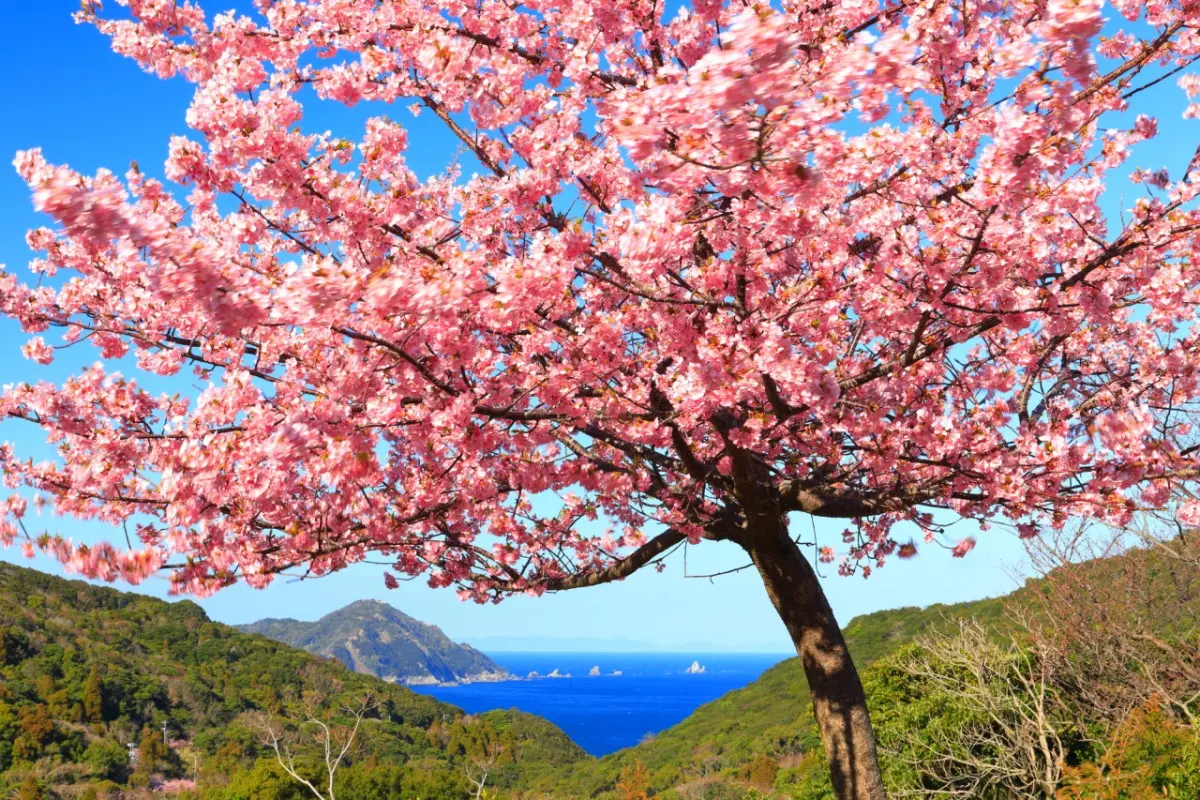
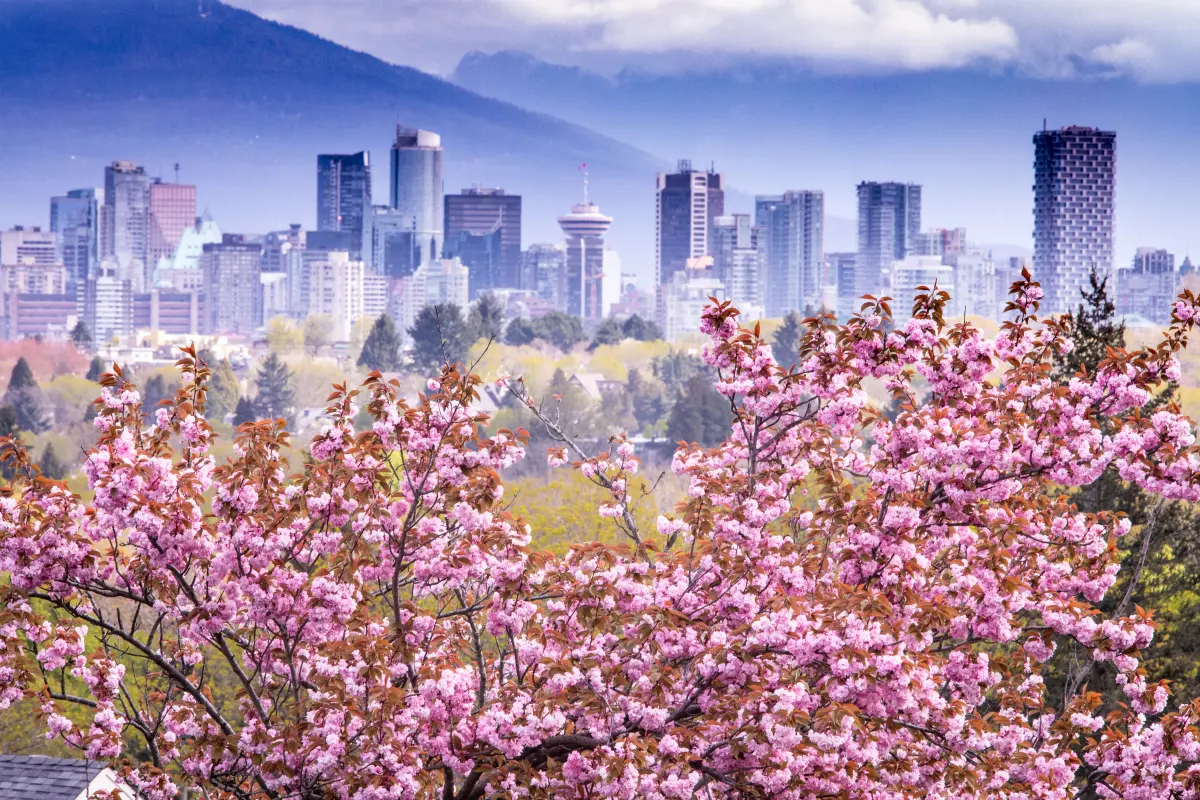
The Vancouver Cherry Blossom Festival is an annual spring celebration in Vancouver, British Columbia, honoring the city’s 40,000 ornamental cherry trees. Established in 2006, the month-long event features cultural performances, art installations, and community activities designed to promote urban nature appreciation and cross-cultural connection during the peak spring bloom.
On this page
What is the history of the Vancouver Cherry Blossom Festival?
The festival originated from a gift of 500 cherry trees presented to Vancouver by the Japanese government in the 1930s to honor Japanese-Canadian veterans. Over the decades, the city expanded its collection through various planting programs, eventually leading to the current count of approximately 40,000 trees. In 2006, Linda Poole founded the festival to celebrate this unique urban canopy and the cultural significance of the blossoms.
The event has since evolved into a major civic celebration that highlights the intersection of nature and community. It serves as a reminder of the city's commitment to environmental stewardship and its deep historical ties to Japan. By transforming the city into a pink-hued landscape, the festival encourages residents and visitors to engage with public spaces in a meaningful way.
When is the best time to visit?
The festival typically takes place throughout the month of April, though the exact timing depends on the weather. Because the bloom is highly sensitive to temperature and rainfall, the peak period can shift by a week or two each year. Visitors should monitor the festival’s official website and bloom map, which provide real-time updates on tree status across various neighborhoods.
To maximize your experience, consider the following timeline for planning:
- Early March: Check the online "Bloom Map" for early-blooming varieties like the Accolade.
- Late March to Mid-April: Experience the peak of the popular Somei-yoshino and Akebono varieties.
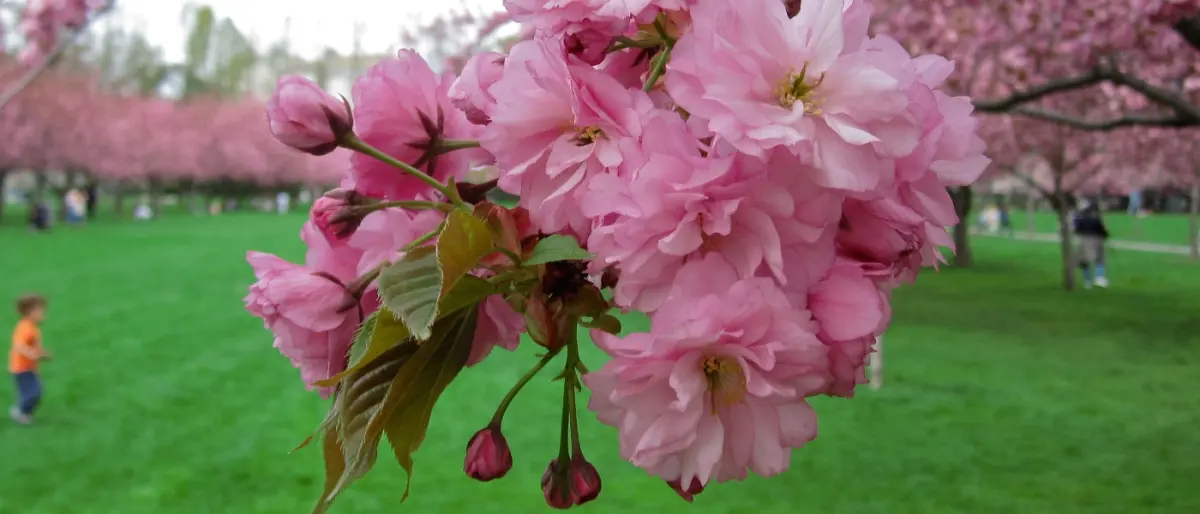
- Late April: Enjoy the late-blooming Kanzan trees, which produce large, deep pink clusters.
If you arrive during a period of heavy rain or wind, the blossoms may fall prematurely. Flexibility is key when scheduling your trip to ensure you catch the trees at their most vibrant stage.
Where are the best places to see blossoms?
While cherry trees are found throughout the city, certain locations offer more concentrated and picturesque displays. Queen Elizabeth Park is a perennial favorite, featuring a diverse collection of trees set against the backdrop of the city skyline. Stanley Park and the UBC Botanical Garden also provide expansive settings where the blossoms can be enjoyed in a more natural, forested environment.
For those looking to explore on foot, the following neighborhoods are highly recommended for their density of trees:
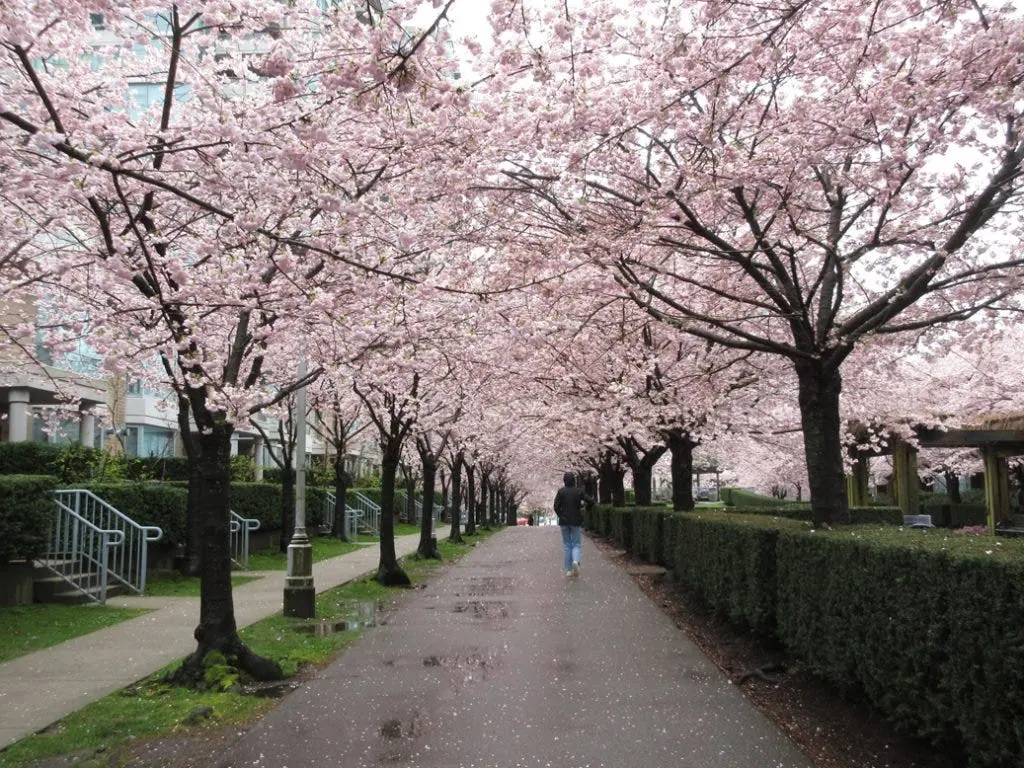
- West End: Famous for its historic streets lined with mature, arching branches.
- Kitsilano: Offers a mix of residential streets and park-side viewing opportunities.
- Mount Pleasant: Features several streets where the canopy creates a tunnel-like effect.
- Downtown: Ideal for those who want to combine blossom viewing with urban architecture.
Always respect private property when taking photographs. Many of the most beautiful trees are located on residential boulevards, so be mindful of driveways and keep noise levels low to avoid disturbing local residents.
How to participate in festival events?
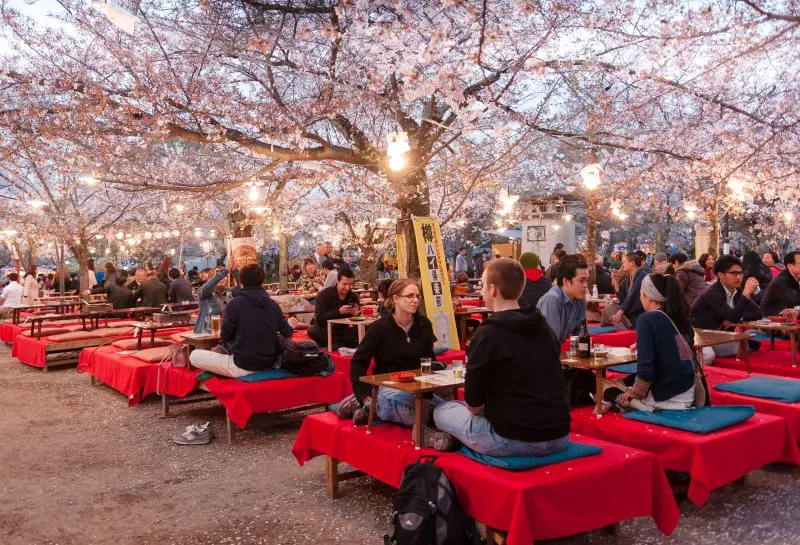
The festival hosts a variety of activities that cater to different interests, ranging from artistic workshops to guided nature walks. Many events are free to the public, though some specialized workshops may require advance registration and a small fee. The programming is designed to be inclusive, inviting people of all ages to celebrate the arrival of spring through music, poetry, and visual arts.
Common festival activities include:
- Sakura Days Japan Fair: A weekend event featuring traditional Japanese food, tea ceremonies, and live performances.
- Bike the Blossoms: A community cycling event that takes participants on a scenic route through the city's most beautiful tree-lined streets.
- Haiku Invitational: A poetry contest that encourages participants to capture the essence of the blossoms in short, evocative verse.
Check the official event calendar early, as popular workshops often fill up weeks in advance. Bringing a camera or a sketchbook is highly encouraged, as the festival places a strong emphasis on creative expression inspired by the ephemeral beauty of the petals.
Common mistakes when visiting the festival
One of the most frequent errors visitors make is assuming the trees will be in full bloom for the entire month. Because different varieties bloom at different times, you might miss the peak if you rely only on a single weekend visit. Another common mistake is failing to use public transit; parking in popular neighborhoods like the West End or near Queen Elizabeth Park can be extremely difficult during the peak bloom.
To ensure a smooth and respectful visit, avoid these common pitfalls:
- Do not shake the branches: This damages the trees and causes the blossoms to fall prematurely, ruining the experience for others.
- Do not climb the trees: The branches are fragile and cannot support the weight of adults or children.
- Do not block traffic: When taking photos on residential streets, ensure you are not standing in the middle of the road or impeding pedestrians.
By practicing "blossom etiquette," you help preserve the beauty of these trees for everyone to enjoy throughout the season. Remember that the festival is a celebration of nature, so take the time to slow down and appreciate the quiet beauty of the petals rather than rushing from one photo spot to the next.
Key facts
- The Vancouver Cherry Blossom Festival (VCBF) is an annual event held throughout the city, typically spanning from late March to late April.
- It celebrates the arrival of spring and the gift of 50,000 cherry trees presented to Vancouver by Japan in the 1930s.
- The festival features over 50 varieties of cherry trees, with the Akebono and Somei-yoshino being the most iconic.
- Popular event locations include Queen Elizabeth Park, Stanley Park, and the Burrard Skytrain station.
- The festival hosts diverse cultural programming, including haiku contests, photography competitions, and traditional Japanese music performances.
- Visitors should use the "Bloom Map" on the official festival website to track current flowering status across different neighborhoods.
The bottom line
The Vancouver Cherry Blossom Festival is a vibrant cultural celebration that transforms the city into a pink-hued landscape each spring. By blending community engagement with the natural beauty of thousands of cherry trees, the festival offers a unique opportunity to experience urban nature. Whether you are a photography enthusiast or a casual observer, planning your visit around the bloom map ensures a memorable and picturesque seasonal experience.
People also ask
Is there an admission fee for the festival?
Most events and public viewings are free to attend, making it an accessible experience for all residents and tourists. Some specialized workshops or gala events may require pre-purchased tickets.
What is the best way to travel between viewing locations?
Vancouver’s public transit system, TransLink, is the most efficient way to navigate the city. Many prime cherry blossom spots are located near Skytrain stations or major bus routes.
When is the absolute peak bloom period?
Peak bloom usually occurs in early April, but it is highly dependent on weather patterns. A cold spring can delay the blossoms, while a warm March can cause them to bloom earlier.
Are there specific etiquette rules for viewing the trees?
Yes, visitors should never climb the trees, shake branches, or pick the blossoms. Respecting the trees ensures they remain healthy for future generations to enjoy.
Can I bring my dog to the festival events?
Well-behaved, leashed dogs are generally welcome in public parks and outdoor spaces. Always check the specific rules for indoor venues or crowded festival hubs before arriving.
What is a common mistake visitors make?
A common error is visiting only one location. Because different tree varieties bloom at different times, exploring multiple neighborhoods provides a much longer and more varied viewing experience.
This answer was created with the help of AI research tools and reference sources. Spotted an error? Let us know — we correct mistakes quickly. See our editorial policy.