What is Havana known for?
Short answer
Havana is globally renowned for its remarkably preserved Spanish colonial architecture, vibrant Afro-Cuban musical heritage, and iconic vintage American automobiles. As Cuba’s capital, it serves as the nation’s cultural and political heart, celebrated for its historic Old Havana district, world-class cigar production, and a unique atmosphere frozen in the mid-twentieth century.
On this page
Why is Havana famous for its architecture?
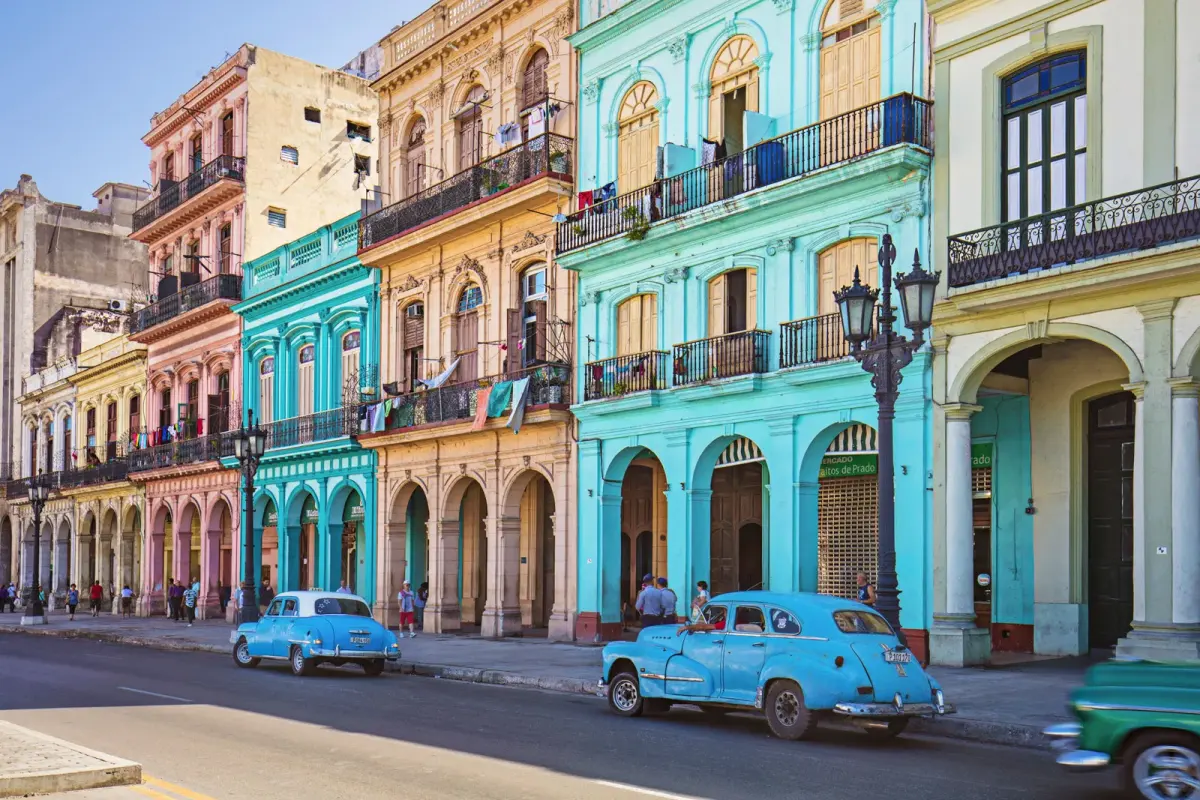
Havana features one of the most significant collections of colonial-era buildings in the Americas. The historic center, known as Habana Vieja, was designated a UNESCO World Heritage site in 1982. This area contains a dense concentration of Baroque and Neoclassical structures that survived the rapid modernization seen in other Caribbean cities. The Spanish crown utilized the city as a critical maritime gateway, leading to the construction of massive fortresses like the Castillo de la Real Fuerza.
Visitors often marvel at the juxtaposition of restored plazas and crumbling facades. While many buildings show signs of decay due to the humid climate and economic challenges, their architectural bones remain intact. The city’s aesthetic is defined by:
- Grand colonnaded walkways that provide shade from the tropical sun.
- Intricate wrought-iron balconies overlooking narrow, cobblestone streets.
- Vibrant, pastel-colored stucco walls that characterize the residential districts.
- Stately plazas, such as the Plaza de Armas, which serve as the social hubs of the old city.
How do I explore Havana’s vintage car culture?
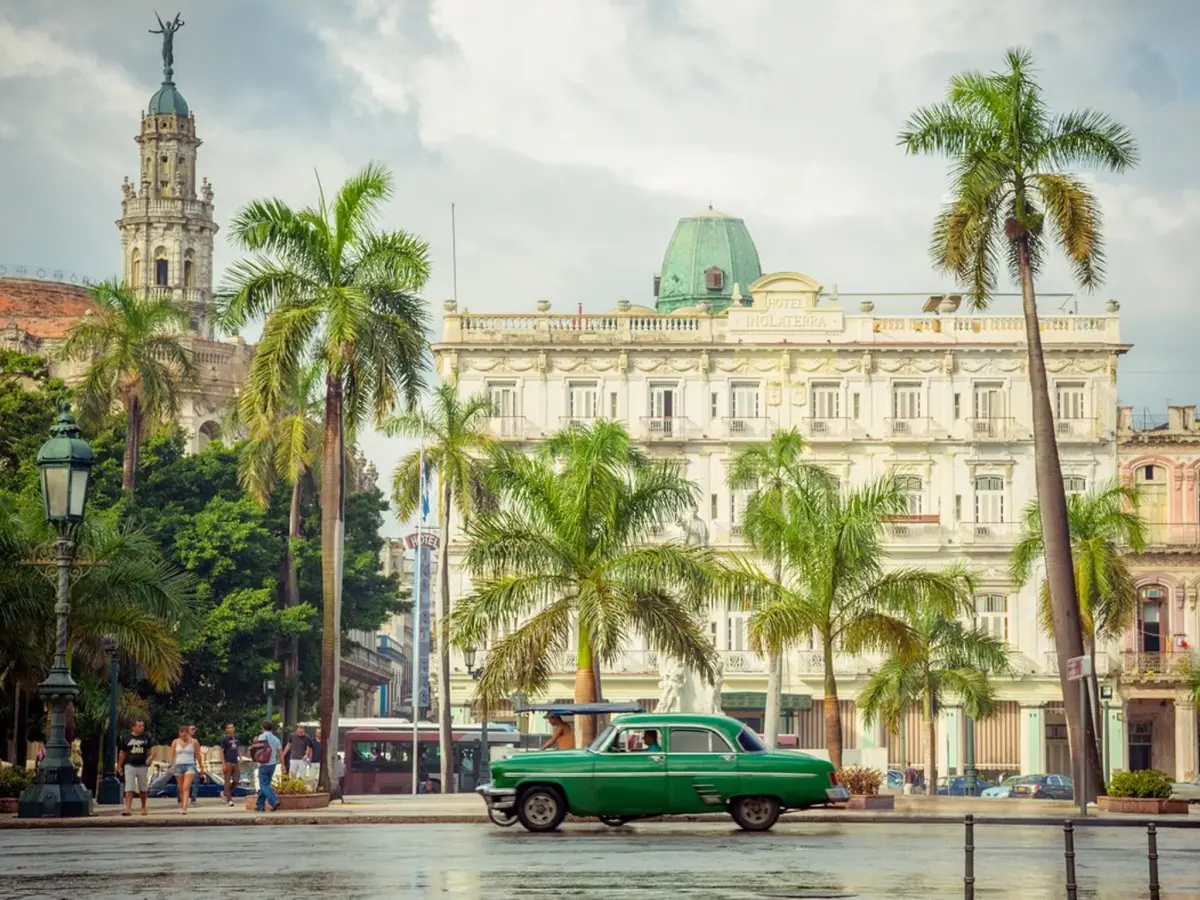
The streets of Havana function as a living museum of mid-century American automotive history. Following the 1959 revolution and the subsequent trade embargo, the importation of new vehicles ceased, forcing locals to maintain and repair pre-1960 models. Today, these brightly painted Chevrolets, Fords, and Buicks are not just museum pieces; they are essential components of the city's public transportation and tourism sectors.
To experience this unique automotive landscape, follow these steps:
- Head to the Parque Central, where many restored convertibles are stationed for hire.
- Negotiate a price for a one-hour tour before departing, as rates are usually per car rather than per person.
- Request a route that includes the Malecón seawall and the upscale Vedado neighborhood to see the city's architectural variety.
- Avoid vehicles that appear heavily modified with non-original parts if you are seeking an authentic vintage experience.
- Always confirm if the tour includes a stop at the Plaza de la Revolución to view the iconic Che Guevara mural.
What is the history of Havana’s cigar industry?
Havana is synonymous with the world’s finest premium cigars, known as Habanos. The city’s relationship with tobacco dates back to the indigenous peoples, but it became a global industry during the Spanish colonial period. The unique microclimate of the nearby Vuelta Abajo region provides the ideal soil and humidity for cultivating high-quality tobacco leaves, which are then processed and rolled by master artisans in Havana’s historic factories.
The production process in these factories has remained largely unchanged for over a century. Workers, known as torcedores, sit at wooden desks and hand-roll the leaves with incredible precision. Many factories also employ a "reader" who recites news and literature aloud to the staff throughout the workday, a tradition dating back to the nineteenth century. When purchasing cigars, it is vital to visit state-run "La Casa del Habano" shops to ensure authenticity, as street-sold cigars are frequently counterfeit and of poor quality.
How can I enjoy Havana’s music and nightlife?
Music is the pulse of Havana, blending Spanish guitar traditions with African rhythmic complexity. The city is the birthplace of genres like son cubano, which laid the foundation for modern salsa. You can hear live music in almost every corner of the city, from impromptu street performances in the plazas to sophisticated jazz clubs in the Vedado district. The energy is infectious, and dancing is considered a fundamental social activity rather than a specialized skill.
Common venues for authentic musical experiences include:
- The Buena Vista Social Club, which hosts legendary musicians keeping traditional styles alive.
- La Zorra y el Cuervo, a basement jazz club famous for its intimate atmosphere.
- The Malecón, where locals gather at night to play guitars and socialize by the ocean.
- Various "Casas de la Música" located throughout the city that feature high-energy salsa orchestras.
When visiting these spots, remember that the best performances often start quite late, frequently after 10:00 PM, reflecting the city’s nocturnal rhythm.
Common mistakes when visiting Havana
Navigating Havana requires preparation, as the city operates differently from most international tourist destinations. A frequent mistake is failing to understand the dual-currency history or the current digital limitations. While the country has transitioned to a unified currency, travelers should carry sufficient cash, as international credit cards issued by U.S. banks are typically not accepted. Relying solely on digital maps is another error, as offline access is often necessary due to limited public Wi-Fi availability.
Another common pitfall is underestimating the importance of local etiquette. While Cubans are famously hospitable, it is considered impolite to take photographs of locals without asking for permission first. Additionally, do not assume that all historic sites have accessible restrooms or modern amenities. Planning your day with a local guide can help you avoid these logistical hurdles and provide deeper insight into the city’s complex history. By respecting local customs and maintaining a flexible schedule, you will gain a much more authentic appreciation for the resilient spirit of Havana.
Key facts
- Havana was founded in 1519 and is home to Old Havana, a UNESCO World Heritage site featuring colonial architecture.
- The city is famous for its collection of pre-1959 American vintage cars, which remain in active daily use.
- Visitors should carry physical cash in Euros or U.S. Dollars, as international credit cards are generally not accepted.
- The Malecón is a five-mile-long seawall and esplanade that serves as the city’s most popular social gathering spot.
- Authentic Cuban cigars are best purchased at official government-run "La Casa del Habano" stores to avoid counterfeit products.
- Tipping is expected in the tourism sector, and it is standard practice to carry small denominations for service staff.
The bottom line
Havana remains a captivating destination defined by its resilient colonial heritage, vibrant street culture, and frozen-in-time aesthetic. By navigating the city with cash, respecting local customs, and exploring both the historic plazas and the iconic Malecón, visitors gain a unique perspective on Cuban life. It is a city of contrasts where history and contemporary reality blend, offering an unforgettable experience for those prepared for its logistical nuances.
People also ask
Is it safe for tourists to walk around Havana at night?
Havana is generally considered safe for tourists, even after dark, due to a strong police presence and a culture of communal street life. However, travelers should avoid poorly lit areas and exercise standard urban caution in less populated neighborhoods.
What is the best way to travel around the city?
Visitors often use "almendrones," the classic vintage cars that function as shared taxis, for a quintessential Havana experience. For more direct travel, official yellow government taxis are reliable, though it is essential to negotiate the fare before starting the trip.
Can I use my mobile phone and access the internet in Havana?
Internet access is available at designated Wi-Fi hotspots in parks and hotels, requiring the purchase of an ETECSA scratch card. Most international roaming plans do not function reliably, so downloading offline maps before arrival is highly recommended.
What are the must-try foods in the city?
Ropa vieja, a shredded beef stew, is the national dish and a staple in most local restaurants. Other popular items include moros y cristianos (rice and black beans) and fresh tropical fruit juices found at street-side stalls.
Do I need a visa to enter Cuba?
Most travelers require a "tourist card" to enter the country, which can be obtained through airlines or Cuban consulates. Ensure your passport is valid for at least six months beyond your planned date of departure.
What is the best time of year to visit?
The dry season, running from November to April, offers the most pleasant weather for sightseeing with lower humidity. This period avoids the peak of the Atlantic hurricane season, which typically occurs between August and October.
This answer was created with the help of AI research tools and reference sources. Spotted an error? Let us know — we correct mistakes quickly. See our editorial policy.