How big do moths get?
Short answer
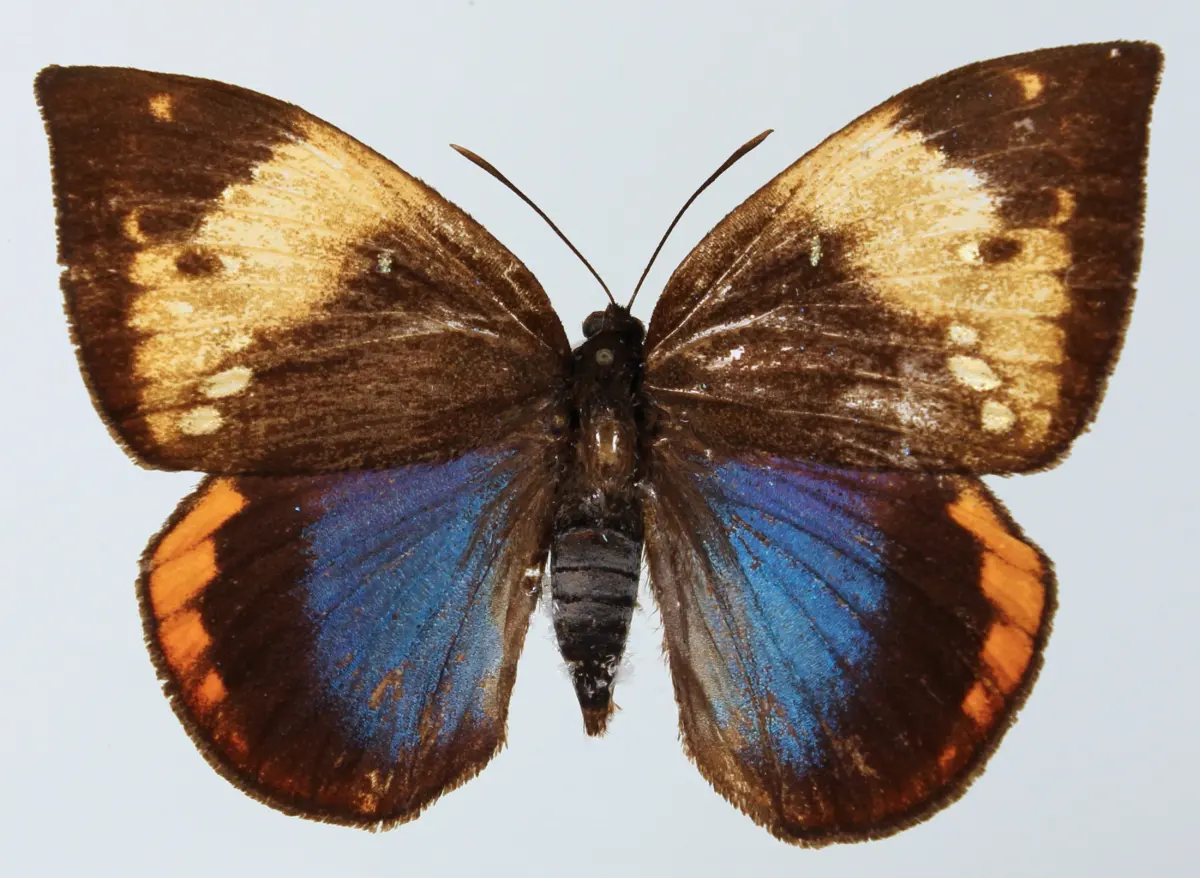
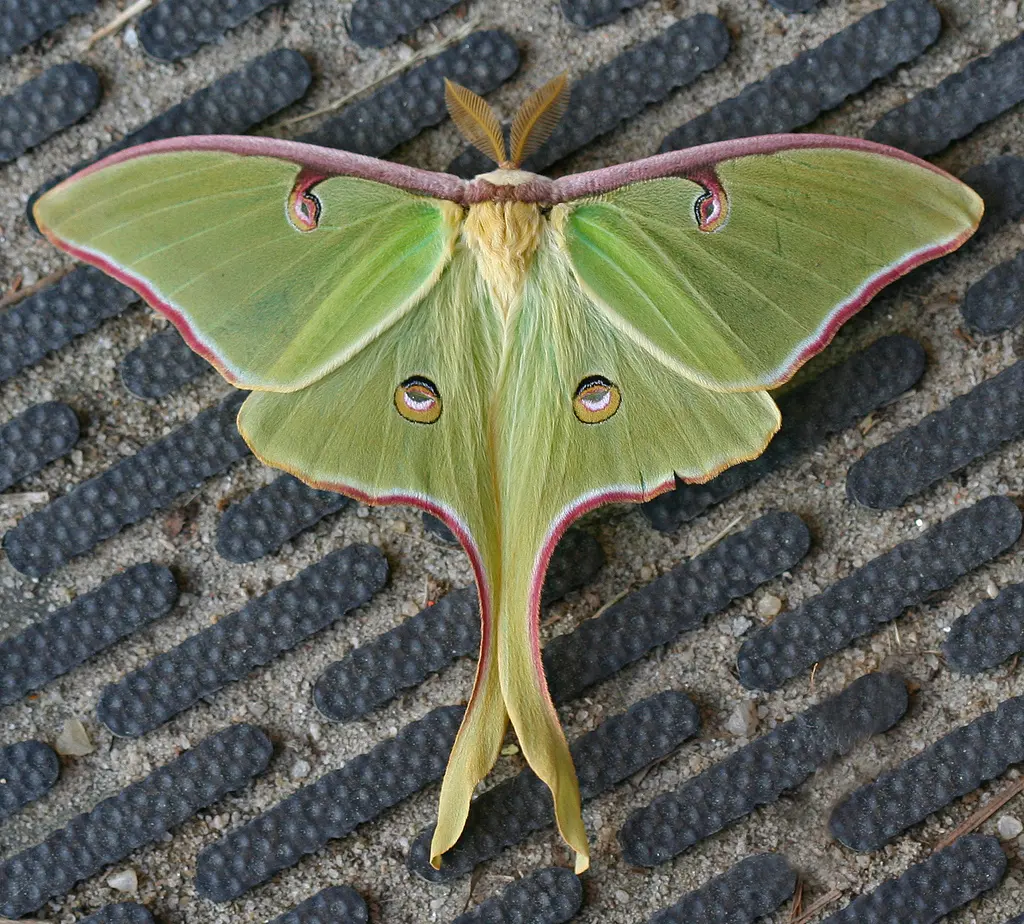
Moths vary dramatically in size, ranging from tiny micro-moths with wingspans of just a few millimeters to massive giants exceeding 10 inches. While most common house moths are small, the largest species, such as the Atlas moth, can rival the size of a human hand or even a small dinner plate.
On this page
How big do the largest moths get?
The world’s largest moths are truly impressive, often mistaken for birds or bats due to their sheer scale. The Atlas moth (Attacus atlas), native to the tropical forests of Southeast Asia, holds the record for the largest total wing surface area, which can reach up to 62 square inches. These insects possess a wingspan that typically measures between 8 and 10 inches, making them one of the most substantial lepidopterans on the planet.
Another contender for the title of largest moth is the White Witch (Thysania agrippina), found in Central and South America. While it lacks the dense wing surface of the Atlas moth, it boasts the widest wingspan of any known moth, occasionally stretching up to 12 inches across. These giants have evolved to survive in dense rainforests, where their size helps them navigate complex environments and deter predators through mimicry.
Why do some moths grow so large?
The primary reason for the extreme size of certain moth species is evolutionary adaptation to their specific ecological niches. Large wingspans allow these moths to glide efficiently through humid, dense air, conserving energy during their short adult lives. Because many of these giant species do not feed as adults—relying entirely on fat reserves stored during their caterpillar stage—they must maximize their physical presence to ensure survival during mating flights.
Size also serves as a critical defense mechanism against predators. Many large moths utilize "disruptive coloration" or mimicry to avoid being eaten by birds or small mammals. For example, the Atlas moth features wing tips that resemble the heads of cobras, a visual deterrent that startles potential threats. By growing to a massive size, these insects can intimidate predators that would otherwise view them as easy prey.
How can you identify moth sizes?
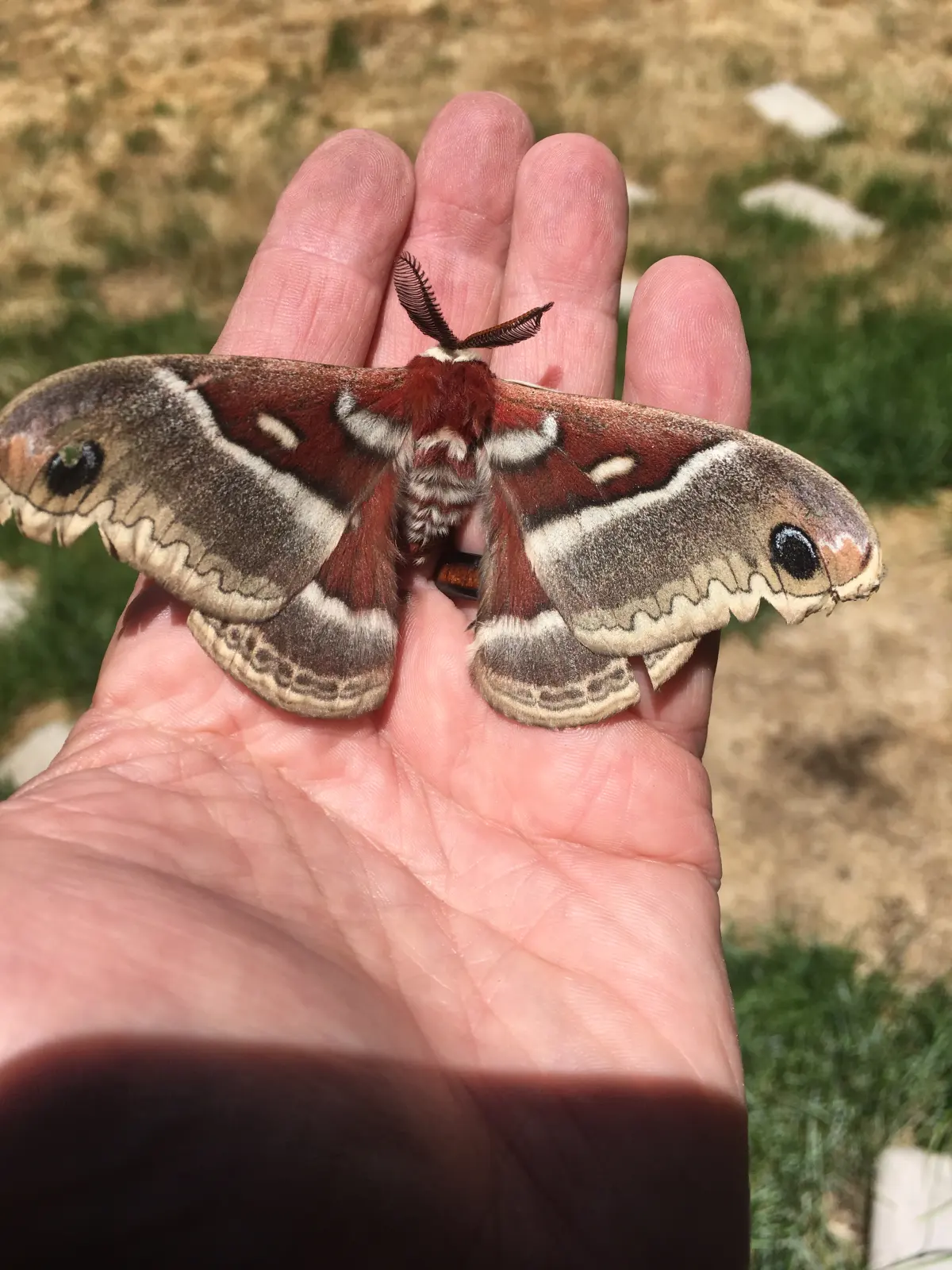
Identifying moths by size requires a basic understanding of how scientists measure them. Unlike butterflies, which are measured from wingtip to wingtip while resting, moths are often measured by their "wingspan," which is the distance from the tip of one forewing to the tip of the other when the insect is spread flat. This standardized method allows researchers to compare species accurately regardless of their resting posture.
To categorize moths effectively, consider these general size groupings:
- Micro-moths: These species typically have a wingspan of less than 20 millimeters.
- Medium-sized moths: These common garden visitors usually range between 30 and 60 millimeters.
- Giant moths: These species exceed 150 millimeters in wingspan and are often found in tropical climates.
When observing moths in your backyard, keep a small ruler or a reference object nearby to estimate their scale. Remember that female moths are often significantly larger than males, as they require extra body mass to produce eggs.
Common mistakes when measuring moths
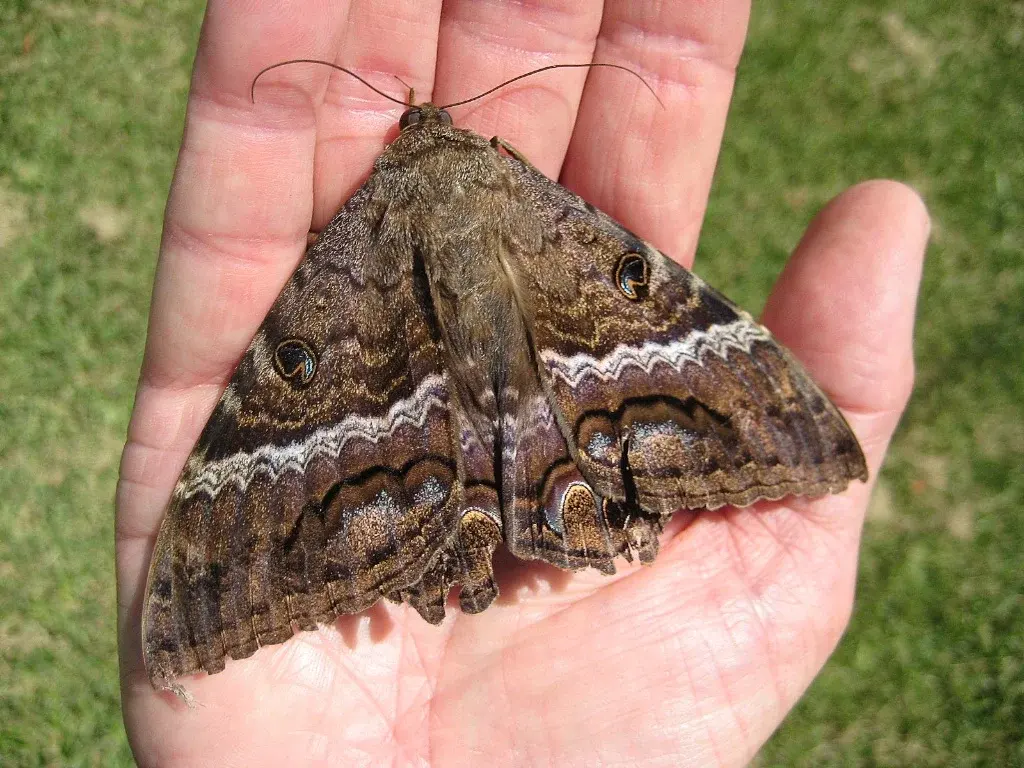
Many people make the mistake of measuring a moth while it is resting with its wings folded, which significantly underestimates its true size. Because many moths fold their wings in a tent-like shape over their bodies, the visible width is often half of the actual wingspan. To get an accurate measurement, you would need to gently spread the wings, which is a delicate process that should only be done by professionals to avoid damaging the insect's fragile scales.
Another common error is failing to account for the body length versus the wingspan. A moth might have a long, slender abdomen but a relatively small wingspan, or vice versa. When recording your observations, always specify whether you are measuring the wingspan or the body length. Avoid handling live moths, as the oils from human skin can damage their wings and interfere with their ability to fly or escape predators.
How to attract and observe moths safely
If you are interested in observing the variety of moth sizes in your local area, you can set up a simple observation station. Moths are naturally attracted to light, particularly wavelengths in the ultraviolet spectrum. By hanging a white sheet near a light source, you can create a viewing screen that allows you to see the diversity of sizes and patterns in your own backyard.
Follow these steps to safely attract and study local moths:
- Hang a clean, white bedsheet against a flat wall or between two trees.
- Position a bright light, such as a mercury vapor bulb, to shine directly onto the sheet.
- Wait until after dark, as most moths are nocturnal and will begin to arrive once the sun sets.
- Use a camera with a macro lens to photograph the moths without disturbing them.
- Turn off the light after a few hours to allow the moths to return to their natural activities.
By following these simple guidelines, you can appreciate the fascinating range of moth sizes while ensuring the safety and health of these essential pollinators.
Key facts
- The Atlas moth (Attacus atlas) is widely considered the largest moth by surface area, with wingspans reaching up to 12 inches.
- The White Witch moth (Thysania agrippina) holds the record for the greatest wingspan of any lepidopteran, measuring up to 14 inches across.
- Most moth species are significantly smaller, with the vast majority of the world's 160,000 species having wingspans of less than two inches.
- Size in moths is often determined by the nutritional quality of the host plant consumed during the caterpillar stage.
- Avoid handling large moths by their wings, as the delicate scales can easily rub off and impair their flight capabilities.
- If you find a large moth, observe it from a distance; many species have evolved "eyespots" on their wings to startle predators.
The bottom line
Moth sizes vary dramatically across the globe, ranging from tiny micro-moths to giants like the White Witch. While their wingspans can reach over a foot, these insects are generally harmless to humans. Their impressive size is a result of evolutionary adaptations for survival, such as camouflage and predator deterrence. Understanding these creatures helps us appreciate the incredible diversity found within the order Lepidoptera in our own backyards.
People also ask
Do large moths bite or sting humans?
No, adult moths do not have stingers and lack the mouthparts necessary to bite humans. Most adult moths do not even eat, as they live only long enough to mate and lay eggs.
Are moths dangerous to have in your house?
Most large moths are harmless and accidentally enter homes attracted by artificial light. However, smaller species like the clothes moth can damage natural fibers such as wool, silk, and fur.
Why are some moths so much larger than butterflies?
Moths often have heavier, furrier bodies to help them retain heat during nocturnal activity. This physical structure allows them to support larger wing spans compared to the typically slender-bodied butterfly.
How long do the largest moths live as adults?
Many of the largest moth species, such as the Atlas moth, live for only one to two weeks as adults. They rely entirely on energy reserves stored during their time as caterpillars.
Can I keep a large moth as a pet?
Keeping wild moths as pets is generally discouraged because they are difficult to feed and have very short lifespans. It is better to observe them in their natural habitat where they can fulfill their ecological roles.
How can I tell the difference between a moth and a butterfly?
Moths typically have feathery or saw-edged antennae, whereas butterflies have thin antennae with club-shaped tips. Additionally, moths usually rest with their wings spread flat, while butterflies often fold theirs vertically.
This answer was created with the help of AI research tools and reference sources. Spotted an error? Let us know — we correct mistakes quickly. See our editorial policy.