What do kangaroos eat?
Short answer
Kangaroos are primarily herbivores that graze on a diverse range of grasses, shrubs, and flowering plants. Their diet varies depending on their specific species and local habitat, but they generally favor fresh green shoots. They possess specialized teeth and a complex digestive system that allows them to efficiently process tough, fibrous vegetation.
On this page
What do kangaroos eat in the wild?
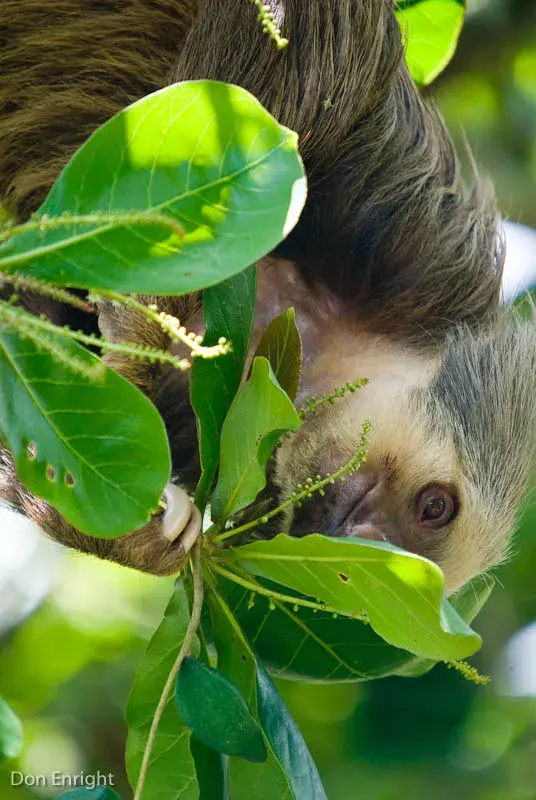
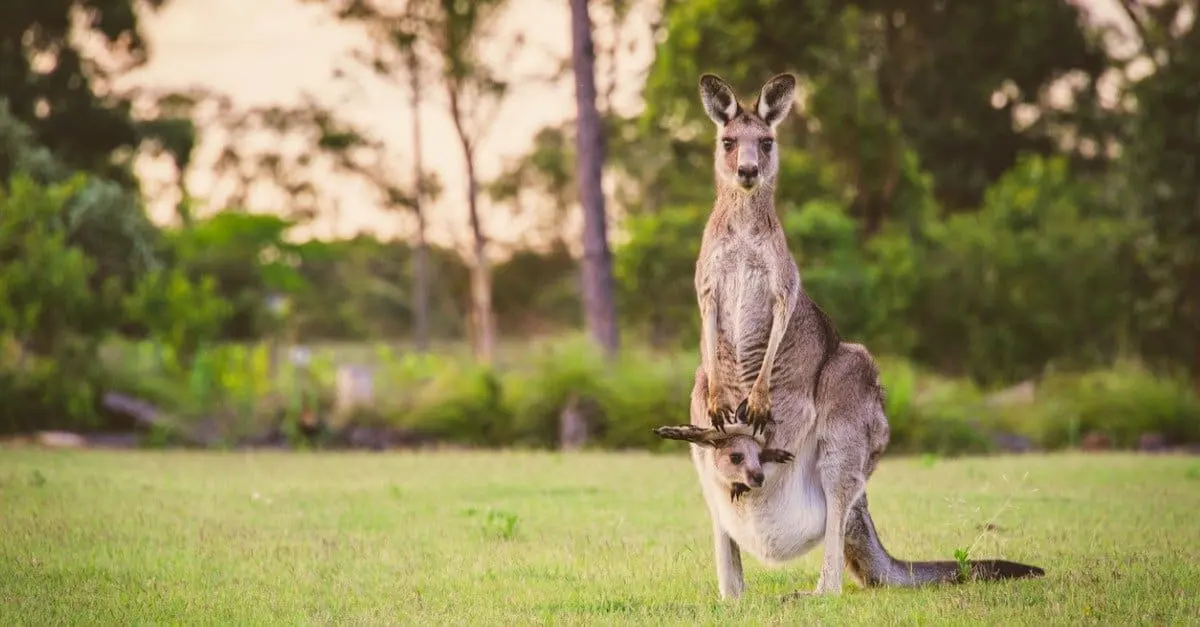
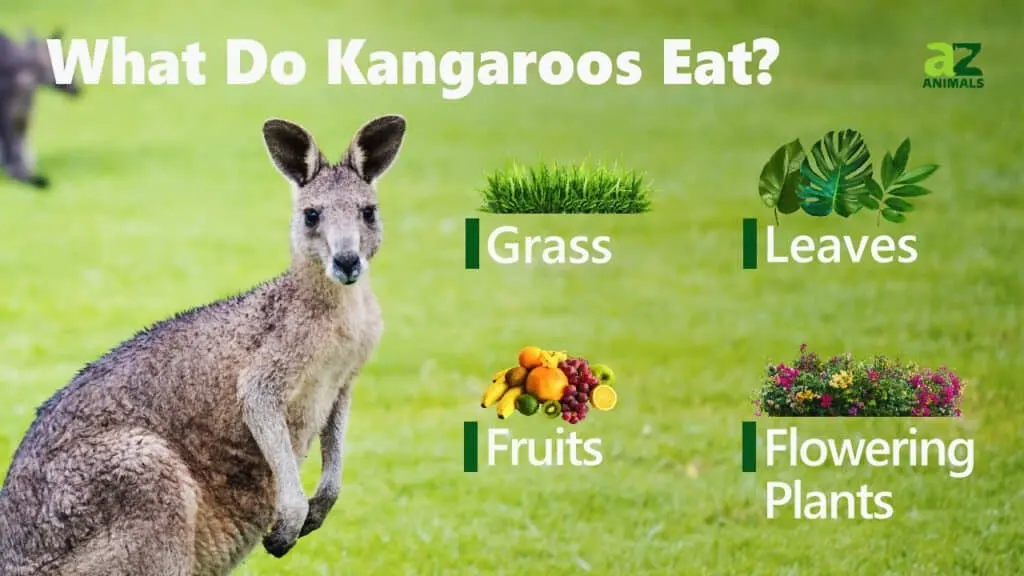
Kangaroos are obligate herbivores, meaning their survival depends entirely on plant-based nutrition. While the popular image of a kangaroo involves grazing on open grasslands, their diet is actually quite varied. They consume a wide array of grasses, including kangaroo grass, spear grass, and tussock grass. In addition to grasses, they frequently browse on the leaves of shrubs, bushes, and trees. Some species, such as the tree-kangaroo, have evolved to spend most of their time in the canopy, where they consume leaves, fruits, and flowers.
The specific diet of a kangaroo is often dictated by the availability of resources within their environment. During the wet season, when vegetation is lush and abundant, they prefer soft, succulent grasses. Conversely, during periods of drought, they are forced to shift their feeding habits to survive. In these challenging times, they may consume bark, roots, or less palatable, fibrous plants that other herbivores might ignore. This dietary flexibility is a key evolutionary adaptation that allows them to thrive across the diverse landscapes of Australia.
How do kangaroos digest their food?
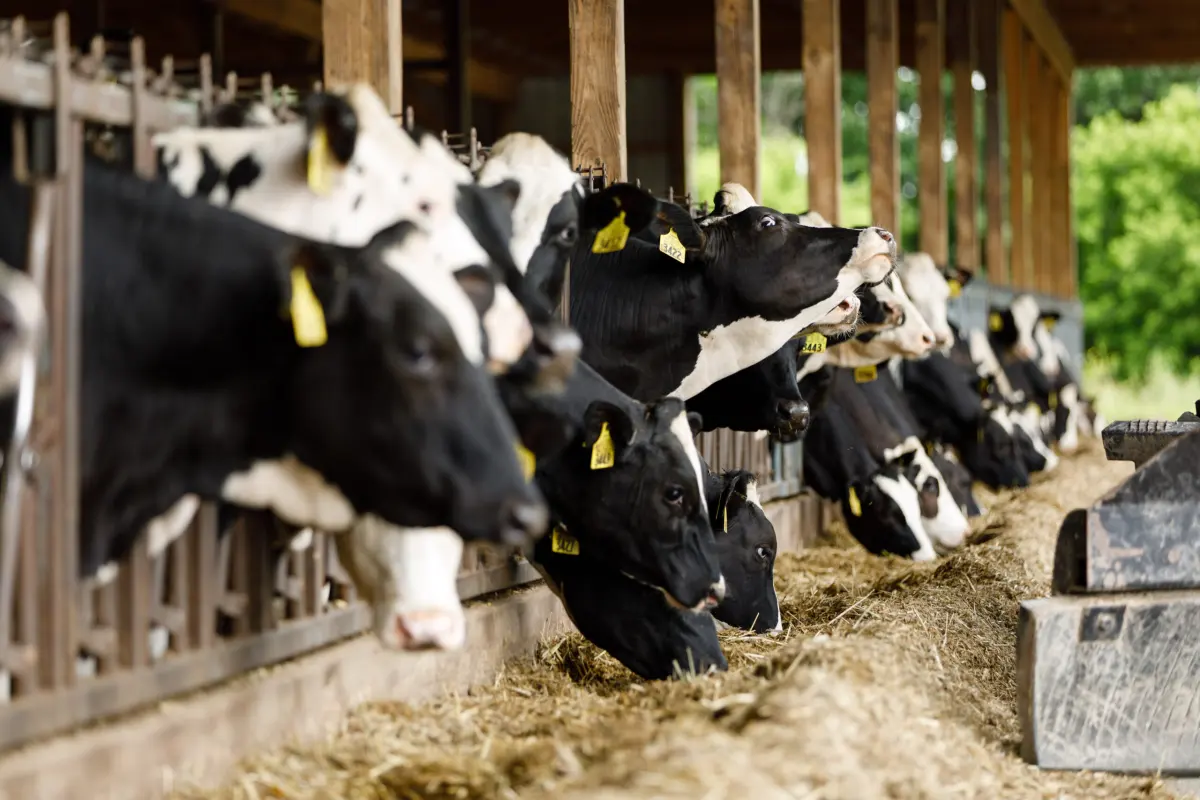
Kangaroos utilize a specialized digestive process known as foregut fermentation, which is remarkably similar to that of ruminants like cows or sheep. When a kangaroo consumes grass, the material first enters a large, sacculated stomach. This organ acts as a fermentation vat where specialized bacteria and protozoa break down the complex cellulose found in plant cell walls. This process is essential because cellulose is otherwise indigestible to most mammals.
The digestive cycle of a kangaroo is highly efficient, allowing them to extract maximum nutrients from low-quality forage. Once the fermentation process is complete, the food passes through the rest of the digestive tract for nutrient absorption. Interestingly, kangaroos do not regurgitate their food to chew the cud like cattle. Instead, they rely on the prolonged transit time within their long, muscular stomach to ensure thorough breakdown. This biological efficiency enables them to maintain their energy levels even when food quality is relatively poor.
What are the nutritional needs of kangaroos?
To remain healthy, kangaroos require a balanced intake of fiber, protein, and essential minerals. Fiber is the most critical component, as it keeps their complex digestive system functioning smoothly and prevents blockages. Protein is necessary for muscle maintenance and growth, particularly in joeys and lactating females. Minerals like calcium and phosphorus are also vital for bone health, especially given the high physical demands placed on their skeletal structure through hopping.
- Fresh grasses provide essential hydration and vitamins.
- Legumes and flowering plants offer a boost in protein content.
- Bark and roots serve as emergency sources of fiber and minerals.
- Water availability is crucial for digestion, even if they can go long periods without drinking.
The nutritional requirements change significantly throughout a kangaroo's life cycle. A growing joey requires higher protein levels to support rapid development, while an adult male may prioritize high-energy grasses to support his larger body mass. Access to diverse plant species ensures that they receive a complete spectrum of micronutrients throughout the year.
Common mistakes when feeding kangaroos
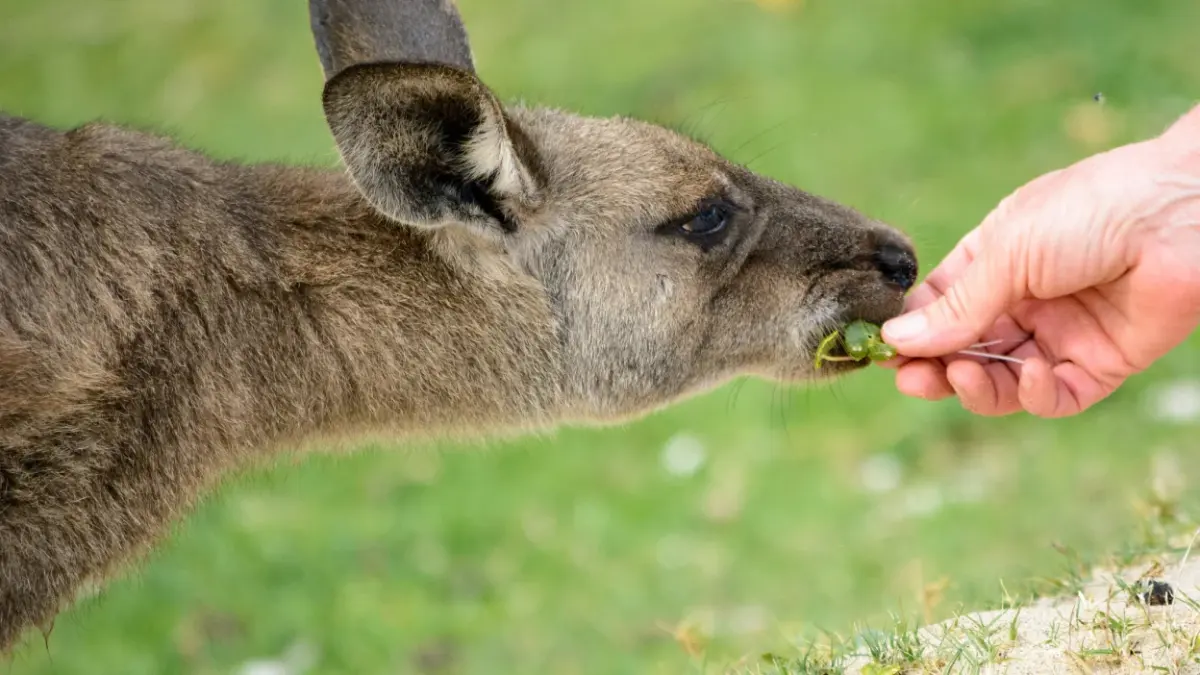
Many well-meaning individuals attempt to feed kangaroos in parks or tourist areas, but this often leads to serious health consequences. One of the most common mistakes is providing human food, such as bread, crackers, or processed snacks. These items are high in carbohydrates and sugars, which can cause severe digestive distress, bloating, and even fatal metabolic disorders in kangaroos. Their systems are not evolved to process human-grade grains or additives.
- Never offer bread, as it lacks the necessary fiber and can cause gut impaction.
- Avoid feeding them vegetables like carrots or potatoes, which are not part of their natural diet.
- Do not attempt to hand-feed kangaroos, as this encourages dangerous behavior and dependency.
- Refrain from providing water in containers that may harbor bacteria or encourage crowding.
Feeding wild animals disrupts their natural foraging patterns and can lead to aggressive behavior toward humans. Furthermore, human food often lacks the essential nutrients that kangaroos obtain from native vegetation, leading to long-term malnutrition and weakened immune systems. It is always best to admire them from a distance and allow them to forage naturally.
Why do kangaroos travel to find food?
Kangaroos are nomadic animals that travel significant distances in search of optimal grazing grounds. This behavior is driven by the patchy distribution of high-quality vegetation across the Australian outback. When an area has been overgrazed or the grass has dried out due to heat, the mob will move to a new location. This migration ensures that they do not deplete the local ecosystem and allows the vegetation in their previous location time to regenerate.
The distance a kangaroo travels depends on environmental conditions and population density. During favorable seasons, they may stay within a relatively small home range. However, when resources are scarce, they may roam dozens of kilometers in a single day. This constant movement is a survival strategy that minimizes competition for food and ensures access to the most nutrient-dense plants available. Their powerful legs and energy-efficient hopping gait make them perfectly suited for this nomadic lifestyle, allowing them to traverse vast territories with minimal energy expenditure while searching for their next meal.
Key facts
- Kangaroos are strict herbivores that consume a variety of grasses, flowering plants, ferns, and mosses.
- Their specialized digestive system, featuring a multi-chambered stomach, allows them to ferment and break down tough plant fibers.
- During droughts, kangaroos often dig into dry creek beds to access water or consume succulent roots and tubers.
- They are crepuscular, meaning they primarily graze during the cooler hours of dawn and dusk to conserve energy.
- Kangaroos have evolved specialized teeth; their lower incisors are designed to act like shears for clipping grass close to the ground.
- Avoid feeding wild kangaroos human food like bread or processed snacks, as these can cause severe digestive distress and metabolic bone disease.
The bottom line
Kangaroos are specialized herbivores that have evolved to thrive on the diverse, often nutrient-poor vegetation of the Australian landscape. By utilizing a multi-chambered stomach and efficient grazing habits, they extract essential energy from grasses and shrubs. To ensure their health, it is vital to respect their natural diet and avoid human interference, as providing improper food sources can cause significant long-term harm to these unique marsupials.
People also ask
Do kangaroos drink a lot of water?
Kangaroos are highly adapted to arid environments and can survive for long periods without drinking if they have access to fresh, green vegetation. When water is available, they will drink, but they are far more efficient at water conservation than most domestic livestock.
Can kangaroos eat fruits or vegetables?
While they may occasionally sample fruits or vegetables in a captive setting, these are not part of their natural diet. Feeding them garden vegetables can disrupt their delicate gut bacteria, leading to dangerous health complications like bloat.
How much do kangaroos eat in a day?
A large kangaroo can consume several kilograms of vegetation daily to maintain its body weight. The exact amount depends on the quality of the forage and the animal's metabolic needs during different seasons.
Do different species of kangaroos eat different things?
Yes, diet varies by habitat; for example, the Eastern Grey Kangaroo prefers lush grasses, while the Red Kangaroo often consumes more shrubs and saltbush. These dietary preferences allow different species to coexist in the same regions without competing for the exact same food source.
Why do kangaroos chew their cud?
Kangaroos perform a process called merycism, which is similar to rumination in cows. They regurgitate partially digested food to chew it a second time, which helps them extract maximum nutrients from tough, fibrous plant material.
Are kangaroos considered pests by farmers?
Because they graze on the same grasses as sheep and cattle, they are sometimes viewed as competitors for pasture. However, their unique digestive systems allow them to thrive on lower-quality forage that other animals might reject.
This answer was created with the help of AI research tools and reference sources. Spotted an error? Let us know — we correct mistakes quickly. See our editorial policy.