What is the Sasquatch?
Short answer
The Sasquatch, also known as Bigfoot, is a legendary apelike creature said to inhabit the wilderness of North America, particularly the Pacific Northwest. While thousands of eyewitnesses have reported sightings since the 19th century, there is no verifiable physical evidence, such as bones or DNA, to support its existence in science.
On this page
What is the Sasquatch?
The Sasquatch is a cryptid described as a large, bipedal primate standing between six and ten feet tall. Witnesses typically report a creature covered in thick, dark brown or reddish hair with human-like facial features and a powerful, muscular build. The name "Sasquatch" originates from the Halkomelem word sásq'ets, used by the Coast Salish peoples of British Columbia to describe a wild man of the woods.
In popular culture, the creature is often synonymous with "Bigfoot," a term coined in 1958 by a journalist covering the discovery of large, mysterious footprints at a construction site in Bluff Creek, California. Despite the lack of an officially recognized biological specimen, the legend remains a significant part of North American folklore. Enthusiasts search for the creature with the hope of proving the existence of an undocumented hominid species, while skeptics view the phenomenon as a combination of misidentified wildlife, elaborate hoaxes, and psychological projection.
How to identify a potential sighting
Identifying a potential Sasquatch encounter requires distinguishing between genuine biological anomalies and common forest phenomena. Most reported sightings occur during low-light conditions, such as dawn or dusk, which can distort the perception of size and movement. Observers often look for specific indicators that might separate a cryptid from known animals like black bears or elk.
- Assess the gait of the subject, noting if the movement is fluid and bipedal rather than the typical quadrupedal motion of a bear.
- Examine the environment for large, human-like footprints that lack the distinct claw marks typically left by ursine species.
- Listen for vocalizations, such as high-pitched screams or wood-knocking sounds, which are frequently cited in anecdotal reports.
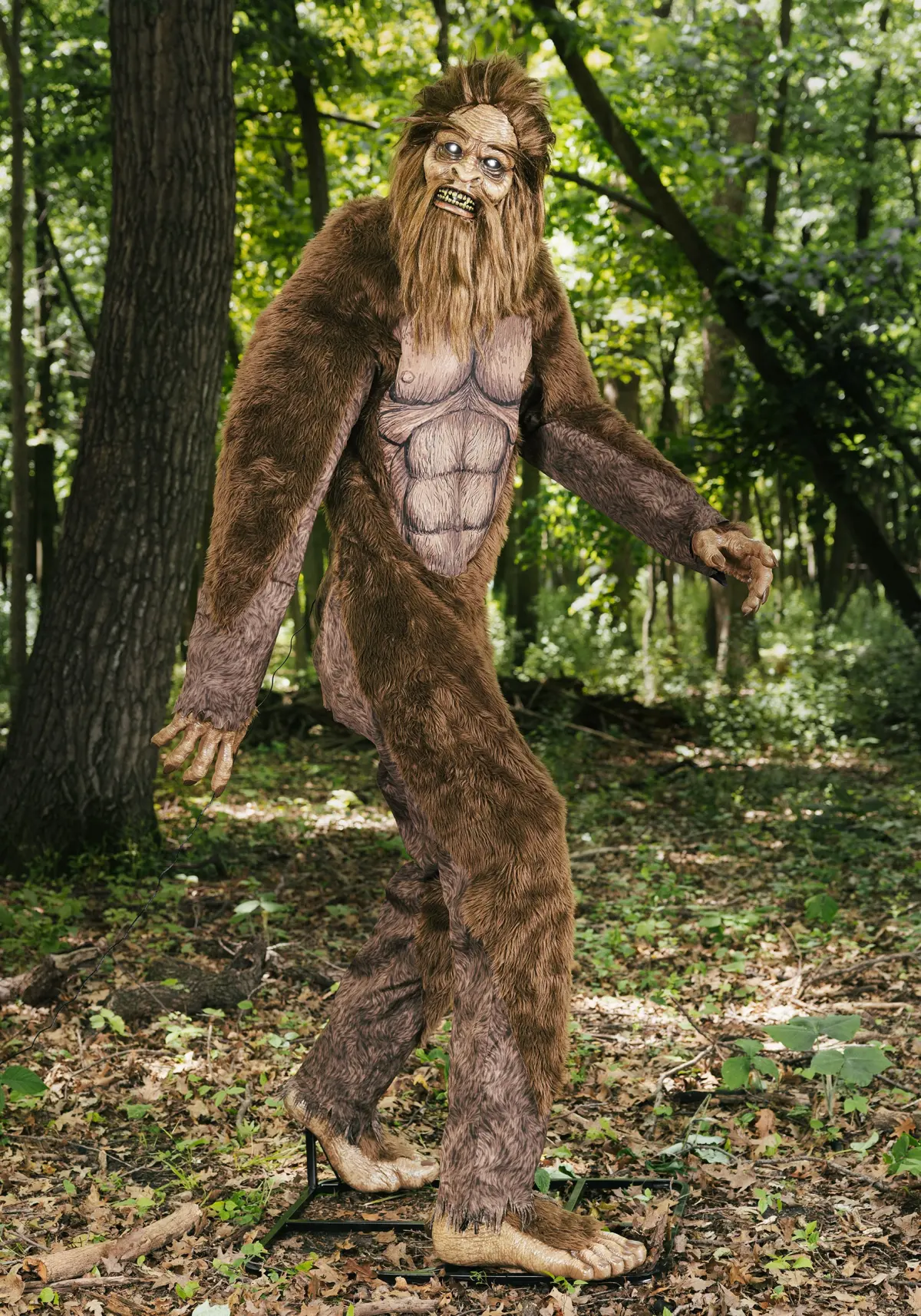
- Record the exact time, weather conditions, and proximity to known hiking trails to help rule out human pranksters in costumes.
These steps help researchers categorize reports, though they rarely provide conclusive evidence. Many sightings are eventually debunked as bears standing on their hind legs or individuals wearing ghillie suits to deceive hikers.
Why the legend persists
The longevity of the Sasquatch legend is driven by a mix of cultural storytelling and the vast, unexplored regions of the North American wilderness. Millions of acres of dense forests in the Pacific Northwest, Canada, and Alaska provide ample terrain where a large creature could theoretically remain hidden. This "blank spot on the map" theory fuels the belief that modern science has simply not yet cataloged every species inhabiting these remote ecosystems.
Furthermore, the psychological phenomenon of pareidolia plays a role, where the human brain attempts to find meaningful patterns in random visual stimuli. When a hiker sees a shadow or a stump in the woods, the mind may instinctively shape it into a familiar, albeit mythical, figure. This, combined with the thrill of the unknown, ensures that the Sasquatch remains a staple of modern folklore. The legend serves as a bridge between the natural world and the human imagination, reflecting our enduring fascination with the mysteries of the wild.
Common mistakes when researching Sasquatch
Aspiring researchers often fall into traps that undermine the credibility of their fieldwork. One of the most frequent errors is the failure to document the environment with scientific rigor. Relying solely on blurry photographs or shaky video footage is rarely sufficient for academic review. Without high-resolution imagery, consistent scale references, or environmental context, even the most compelling story loses its weight in a formal investigation.
- Accepting anecdotal evidence as scientific fact without corroborating physical data.
- Assuming that every large footprint found in mud is automatically a biological trace.
- Ignoring the presence of local wildlife that could explain the phenomenon.
- Failing to account for human activity, such as hunters or researchers in the area.
- Over-relying on audio recordings that may be distorted by wind or electronic interference.
Avoiding these mistakes is essential for anyone who wishes to contribute meaningfully to the study of cryptozoology. Maintaining an objective, skeptical approach prevents the spread of misinformation and ensures that findings are taken seriously by the broader scientific community.
Best practices for field exploration
For those interested in exploring wilderness areas, safety and environmental stewardship should always be the primary concerns. Engaging in "Sasquatch hunting" should never take precedence over basic survival skills or respect for the habitat. Always inform someone of your itinerary, carry a reliable GPS device, and ensure you have adequate supplies for the duration of your trip.
When you are in the field, practice "leave no trace" principles to preserve the integrity of the ecosystem. If you believe you have found evidence, such as hair samples or tracks, document them thoroughly with photographs that include a ruler or common object for scale. Do not disturb the area unnecessarily, as this can destroy potential forensic evidence. By approaching the search with patience, preparation, and a commitment to accuracy, you can explore the legend of the Sasquatch while safely enjoying the beauty and mystery of the great outdoors.
Key facts
- Sasquatch, also known as Bigfoot, is a legendary ape-like creature said to inhabit forests in the Pacific Northwest of North America.
- No physical evidence, such as a body, skeletal remains, or verifiable DNA, has ever been produced to confirm the existence of the species.
- The name "Sasquatch" is derived from sásq’ets, a word from the Halkomelem language used by the Coast Salish peoples of British Columbia.
- Most sightings are attributed to misidentifications of black bears, grizzly bears, or other wildlife standing on their hind legs.
- The modern cultural phenomenon began in 1958 when logger Jerry Crew found large footprints in Humboldt County, California, leading to widespread media coverage.
- When searching for evidence, avoid relying on blurry photographs or shaky video footage, as these are frequently debunked as hoaxes or pareidolia.
The bottom line
Sasquatch remains a compelling figure in North American folklore, representing the enduring human fascination with the unknown wilderness. Despite decades of anecdotal reports and amateur investigations, the creature lacks any empirical biological verification. Most experts conclude that sightings are misidentifications of known animals or elaborate hoaxes. Ultimately, Sasquatch serves as a cultural icon rather than a recognized species within the established field of modern zoology.
People also ask
Is there any scientific evidence that Sasquatch exists?
No peer-reviewed scientific evidence currently supports the existence of Sasquatch. Zoologists classify the creature as a cryptid, meaning it is a part of folklore rather than biological reality.
Why do people believe in Bigfoot if there is no proof?
Belief often stems from cultural tradition, the human desire for mystery, and the misinterpretation of natural phenomena. Many sightings occur in deep wilderness where shadows and movement can easily trick the human eye.
How can I tell the difference between a bear and a Sasquatch?
Bears move on four legs, have distinct ear shapes, and leave claw marks in their tracks. Sasquatch reports almost exclusively describe bipedal movement and human-like footprint shapes without claw indentations.
What is the Patterson-Gimlin film?
Filmed in 1967 by Roger Patterson and Bob Gimlin, this footage shows a dark, hairy figure walking through a creek bed in California. It remains the most famous piece of "evidence," though many experts argue it depicts a person in a suit.
Are there other creatures similar to Sasquatch around the world?
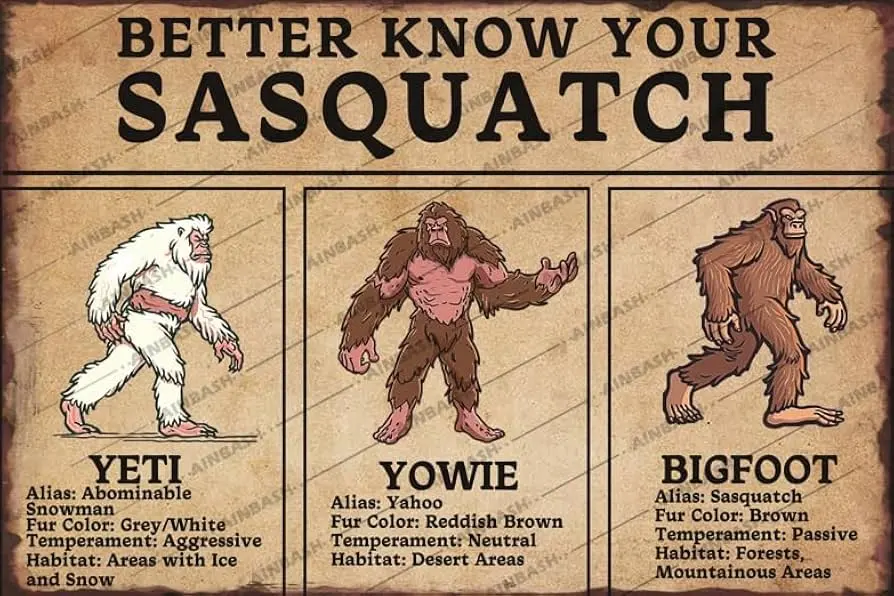
Yes, many cultures have legends of similar forest-dwelling giants. Examples include the Yeti in the Himalayas, the Yowie in Australia, and the Almas in Central Asia.
What should I do if I think I have found a footprint?
Document the find by taking clear, high-resolution photographs with a scale reference, such as a ruler or coin. Avoid disturbing the print, as professional researchers would need to cast it in plaster to analyze the weight and gait.
This answer was created with the help of AI research tools and reference sources. Spotted an error? Let us know — we correct mistakes quickly. See our editorial policy.