Where do rattlesnakes live?
Short answer
Rattlesnakes are native exclusively to the Americas, ranging from southern Canada through the United States and Mexico down to central Argentina. They inhabit diverse environments, including deserts, rocky hills, grasslands, and forests. While they prefer warm climates, some species adapt to high altitudes or cooler regions by hibernating during winter.
On this page
Where do rattlesnakes live geographically?
Rattlesnakes occupy a vast range across the Western Hemisphere, with the highest concentration of species found in the southwestern United States and northern Mexico. The genus Crotalus is the most widespread, while the genus Sistrurus consists of only three species found in fragmented populations across North America. These reptiles are absent from Europe, Asia, Africa, and Australia, as they evolved specifically within the American ecosystems.
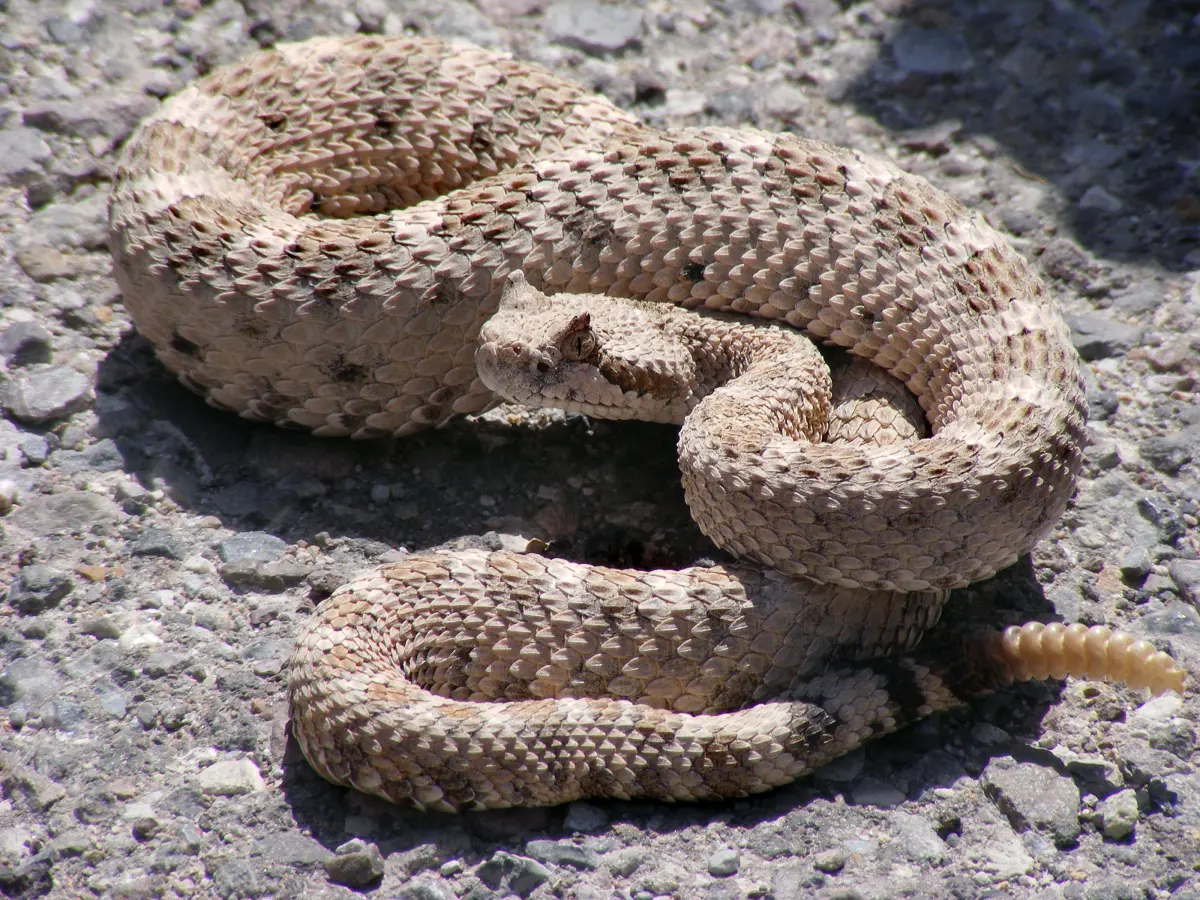
Within this broad distribution, rattlesnakes demonstrate remarkable adaptability to varying latitudes and elevations. Some species, like the timber rattlesnake, thrive in the deciduous forests of the eastern United States, while others, such as the sidewinder, are specialized for the shifting sands of arid deserts. Their presence is dictated primarily by the availability of prey and suitable shelter rather than specific climate zones. As long as the environment provides adequate thermal regulation opportunities and food sources, these snakes can establish stable populations in surprisingly diverse habitats.
What kind of habitats do rattlesnakes prefer?
Rattlesnakes are opportunistic predators that select habitats providing both protection from predators and efficient hunting grounds. They are frequently found in areas with rocky outcrops, which offer deep crevices for shelter and hibernation, known as hibernacula. These structures are vital for species living in cooler climates, as they allow the snakes to retreat below the frost line during winter months.
In addition to rocky terrain, rattlesnakes are commonly found in the following environments:
- Grasslands and prairies where rodent populations are high.
- Scrublands and chaparral zones with dense ground cover.
- Agricultural fields that attract mice and rats.
- Desert floors where they can utilize burrows made by other animals.
While they are often associated with dry landscapes, many species are excellent swimmers and may inhabit areas near rivers, lakes, or swamps. They generally avoid dense, urbanized centers but will occupy suburban fringes if the landscaping provides sufficient cover and a steady food supply.
How do rattlesnakes survive in different climates?
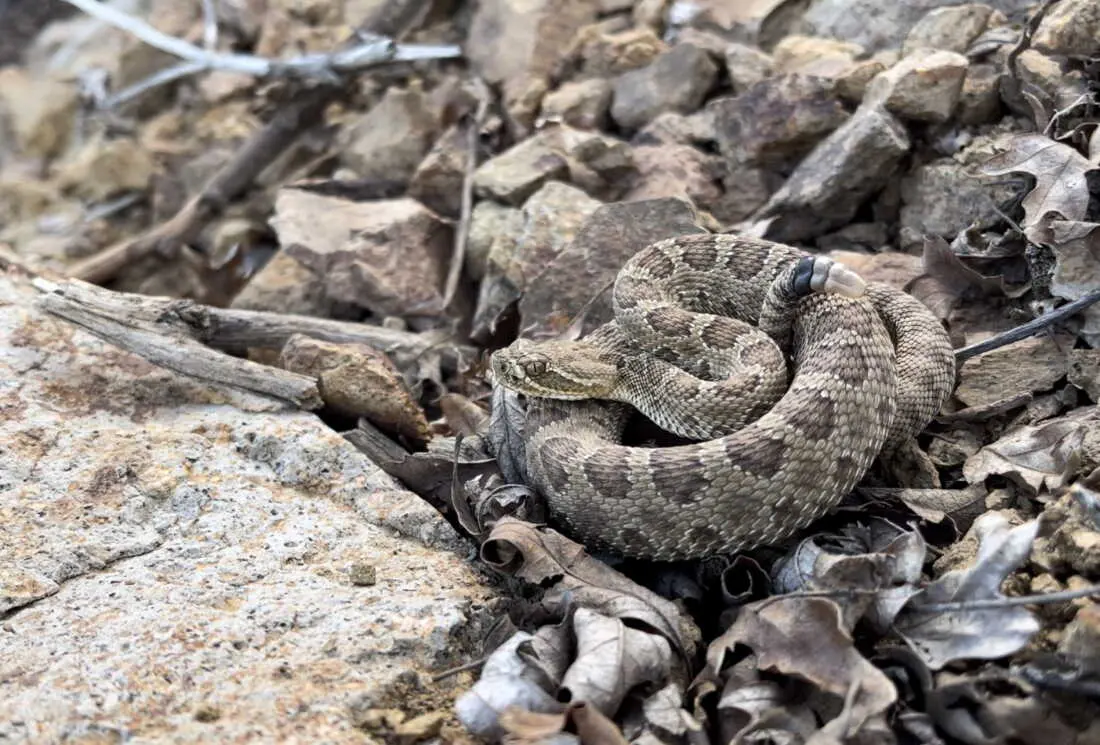
Survival for rattlesnakes depends on their ability to regulate body temperature through behavioral means. As ectotherms, they rely on external heat sources to maintain metabolic functions. In hot desert environments, they are often crepuscular or nocturnal, hunting during the cooler dawn, dusk, or night hours to avoid the intense midday sun. During the heat of the day, they remain hidden in shade or underground burrows.
In colder regions, rattlesnakes undergo a period of dormancy called brumation. Unlike mammalian hibernation, brumation allows the snake to remain somewhat active if temperatures rise temporarily. They often congregate in communal dens to conserve heat throughout the winter. This behavior is essential for species like the massasauga or the prairie rattlesnake, which must survive freezing temperatures. Their ability to endure these seasonal shifts is a testament to their evolutionary success across such a wide range of latitudes.
Common mistakes when identifying rattlesnake habitats
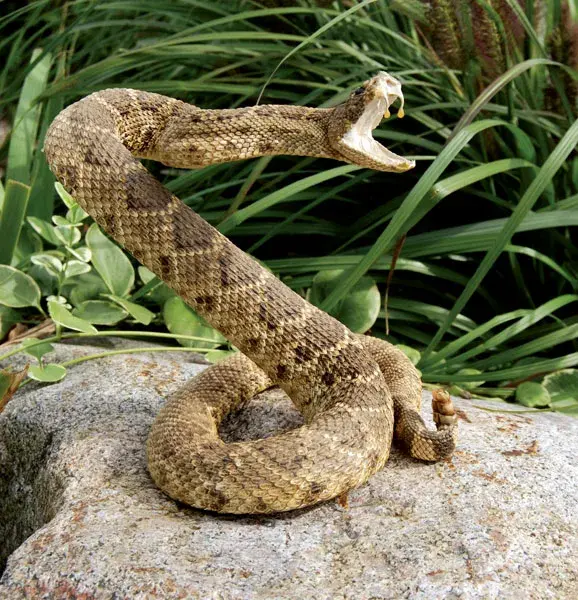
A frequent error is assuming that rattlesnakes only live in sandy, barren deserts. Many people fail to realize that these snakes are just as comfortable in lush, green forests or rocky mountain slopes. Another common mistake is believing that rattlesnakes are strictly ground-dwelling; while they are primarily terrestrial, they are capable of climbing into low bushes or trees to hunt or bask in the sun.
To stay safe when exploring potential rattlesnake habitats, follow these precautions:
- Always watch where you place your hands and feet, especially when stepping over logs or rocks.
- Wear sturdy, over-the-ankle boots and long trousers when hiking in tall grass or brush.
- Use a trekking pole to probe ahead in areas with limited visibility.
- Keep dogs on a short leash to prevent them from investigating hidden crevices.
- Avoid reaching into holes, under rock ledges, or into thick vegetation where you cannot see the ground clearly.
Why do rattlesnakes move into human areas?
Rattlesnakes do not intentionally seek out human contact; however, human expansion frequently encroaches on their natural hunting grounds. When new neighborhoods are built in rural or semi-wild areas, the snakes often remain in the vicinity because the new environment provides an abundance of rodents. Trash, bird feeders, and pet food left outdoors attract mice and rats, which in turn draw rattlesnakes looking for an easy meal.
If you live in an area known for rattlesnake activity, you can minimize the risk of encounters by making your property less attractive to them. Remove piles of wood, debris, or dense brush that provide hiding spots near your home. Seal gaps in foundations or crawl spaces to prevent snakes from seeking shelter under your house. By managing the rodent population and eliminating potential hiding spots, you significantly reduce the likelihood of a rattlesnake taking up residence on your property, ensuring a safer environment for both humans and local wildlife.
Key facts
- Rattlesnakes are native exclusively to the Americas, ranging from southern Canada to central Argentina.
- They thrive in diverse environments including deserts, rocky hills, grassy plains, and forests.
- Most species prefer arid or semi-arid regions, such as the Sonoran Desert in the southwestern United States.
- Rattlesnakes are ectothermic, meaning they rely on external heat sources to regulate their body temperature.
- Always watch where you step and place your hands when hiking in rocky or brush-covered terrain.
- If you encounter a rattlesnake, back away slowly and maintain a distance of at least six feet.
The bottom line
Rattlesnakes are widespread across the Americas, occupying diverse habitats from Canadian forests to South American scrublands. While they prefer warm, rocky environments, their ability to adapt makes them common in many regions. By staying alert on trails, avoiding brushy areas, and keeping your property clear of debris, you can safely coexist with these reptiles. Always respect their space to prevent unnecessary and dangerous human-snake encounters.
People also ask
Do rattlesnakes live in trees?
While they are primarily ground-dwelling, some species like the timber rattlesnake are capable of climbing trees to hunt birds or rodents. However, you are much more likely to encounter them on the ground or basking on rocky outcrops.
Can rattlesnakes live in residential backyards?
Yes, rattlesnakes often inhabit suburban areas that border natural habitats, especially if there is abundant prey like mice or lizards. Keeping your lawn mowed and clearing away woodpiles can make your yard less attractive to them.
Do rattlesnakes live in water?
Most rattlesnakes avoid deep water, but they are capable swimmers if they need to cross a stream or pond. If you see a snake swimming, it is best to keep your distance regardless of the species.
How far north do rattlesnakes live?
The northernmost range of rattlesnakes reaches into southern Canada, specifically in provinces like British Columbia, Alberta, Saskatchewan, and Ontario. These populations have adapted to survive cold winters by hibernating in communal dens.
Do rattlesnakes live in the jungle?
Some species, such as the tropical rattlesnake, inhabit tropical forests and scrublands in Central and South America. They are highly adaptable and can survive in a variety of humid and dry environments.
Are rattlesnakes active at night?
During hot summer months, many rattlesnakes become nocturnal to avoid the intense daytime heat. They are most active during the cooler hours of the early morning and late evening.
This answer was created with the help of AI research tools and reference sources. Spotted an error? Let us know — we correct mistakes quickly. See our editorial policy.