How big do crabs get?
Short answer
Crab sizes vary drastically depending on the species, ranging from tiny pea crabs measuring just a few millimeters to the massive Japanese spider crab. While most common species span only a few inches, the largest specimens can reach a leg span of up to 12 feet, showcasing the immense diversity within the crustacean group.
On this page
How big do the largest crabs get?
The Japanese spider crab (Macrocheira kaempferi) holds the record as the largest arthropod on Earth. These deep-sea giants can reach a leg span of up to 12 feet (3.7 meters) from claw to claw. Despite their intimidating reach, their central body or carapace typically measures about 15 to 18 inches across. They live in the cold waters surrounding Japan, often at depths of 500 to 2,000 feet, where their massive size helps them survive high-pressure environments.
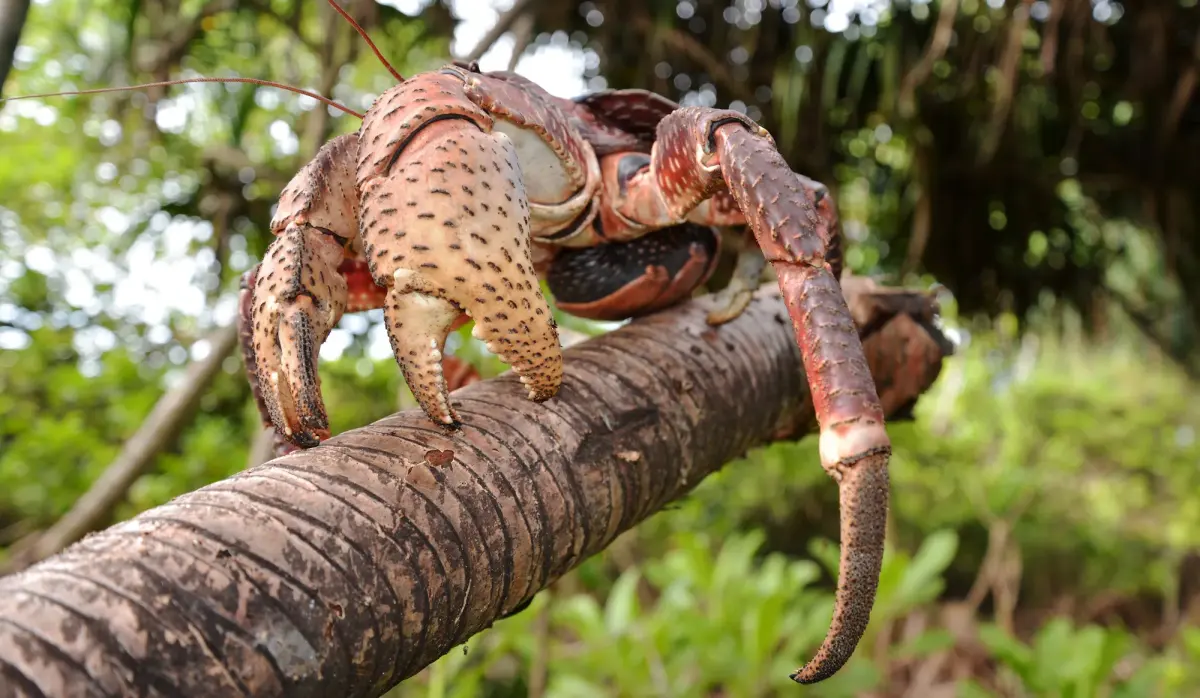
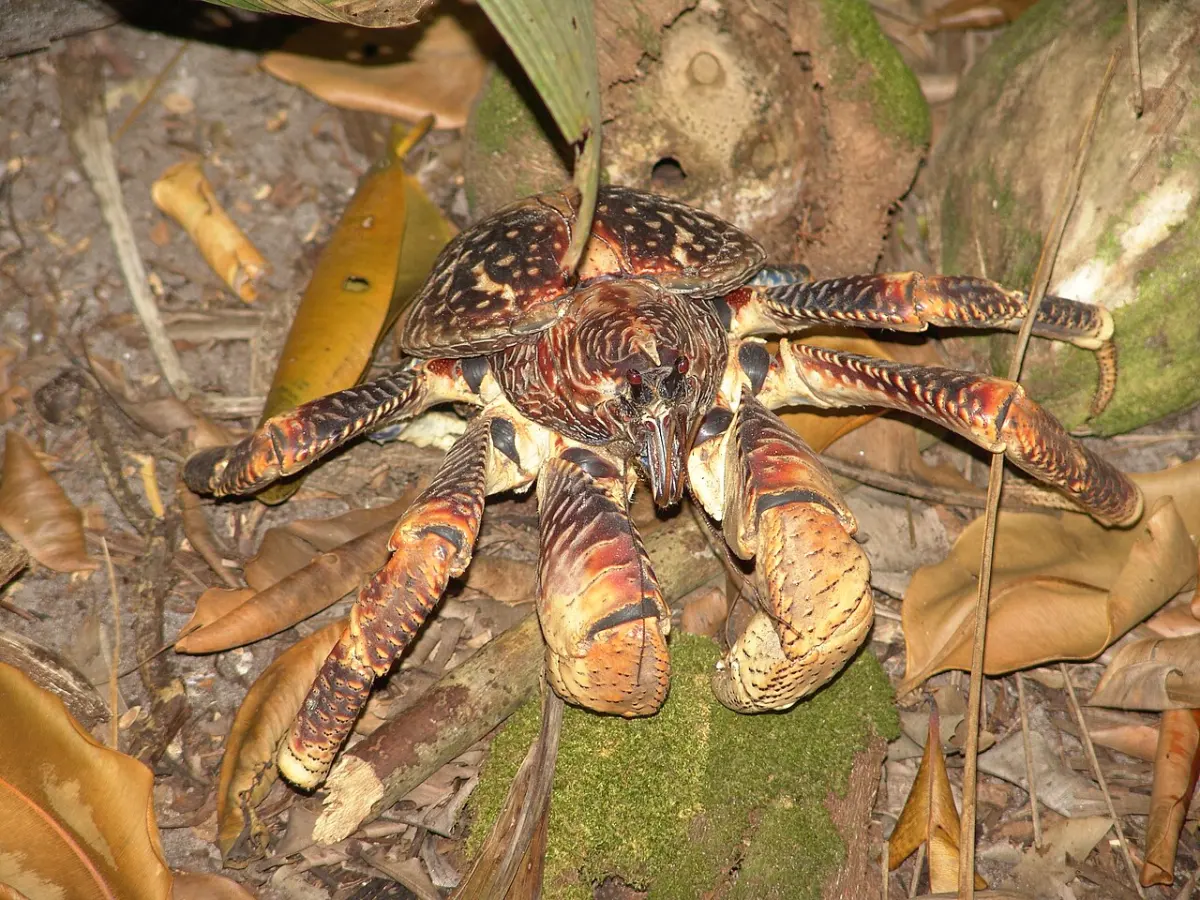
Another notable giant is the coconut crab (Birgus latro), the largest terrestrial arthropod in the world. These land-dwelling crustaceans can grow up to 3 feet in length and weigh as much as 9 pounds. They are famous for their powerful claws, which are strong enough to crack open coconuts. Unlike the spider crab, their size is limited by the need to navigate land, yet they remain formidable predators and scavengers in the tropical islands of the Indo-Pacific.
How do crab sizes vary by species?
Crabs exhibit extreme morphological diversity, with sizes dictated by their environment and evolutionary niche. Most species encountered by humans are significantly smaller than the record-breaking giants mentioned above. The following list highlights the typical size ranges for several well-known crab varieties:
- Pea crab: 0.2 to 0.5 inches (very small, often commensal).
- Blue crab: 7 to 9 inches (point-to-point width).
- Dungeness crab: 7 to 10 inches (carapace width).
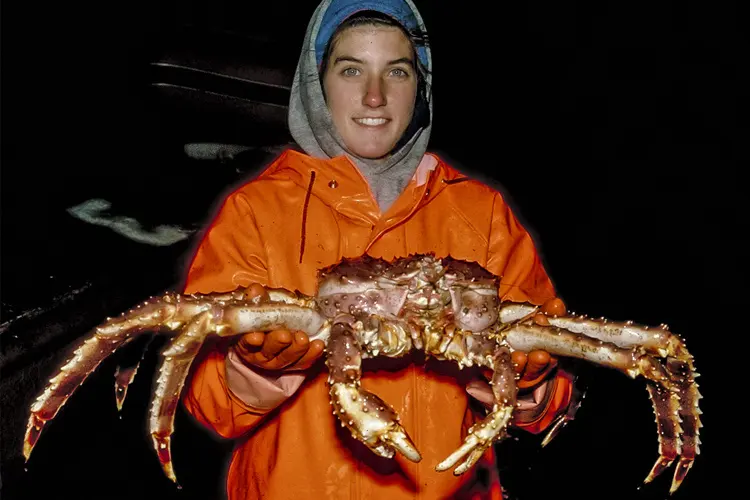
- Alaskan king crab: Up to 5 feet (leg span).
- Fiddler crab: 1 to 2 inches (carapace width).
These variations exist because different species have adapted to specific ecological roles. Smaller crabs often rely on hiding in crevices or shells to avoid predation, while larger species occupy more open environments where their size serves as a primary defense mechanism. Understanding these variations helps marine biologists categorize species and assess the health of local crustacean populations.
How do crabs grow to such sizes?
Crabs grow through a process called molting, which involves shedding their rigid exoskeleton to reveal a larger, softer shell underneath. Because their outer shell cannot expand, growth occurs in sudden bursts immediately after the old shell is discarded. During this vulnerable period, the crab takes in water to expand its soft body tissues before the new shell hardens. This cycle is essential for development, but it also leaves the animal defenseless against predators for several days.
The rate of growth is heavily influenced by environmental factors such as water temperature, food availability, and age. Younger crabs molt frequently, sometimes several times a year, to accommodate rapid growth. As they reach maturity, the frequency of molting decreases significantly. In some species, large adults may only molt once every few years. If a crab does not have access to adequate calcium or nutrients, it may fail to harden its new shell properly, which can be fatal.
How to estimate a crab's size safely?
If you are measuring a crab in the wild or for culinary purposes, you must follow specific protocols to ensure accuracy and animal welfare. The most common method involves measuring the carapace width rather than the leg span, as limbs are easily lost or regenerated. To perform a measurement correctly, follow these steps:
- Use a pair of calipers for precision, rather than a flexible tape measure.
- Measure the carapace at its widest point, excluding the lateral spines if applicable.
- Keep the crab calm by placing it on a flat, stable surface.
- Release the animal quickly if it is not being harvested, ensuring it is returned to its natural habitat.
A common mistake is attempting to measure a crab while it is still actively moving or defensive. This can lead to injury for both the human and the crab, as their claws can exert significant pressure. Always approach from the rear to avoid the reach of the claws, and never lift a crab by its legs, as they are prone to autotomy, a defense mechanism where the crab voluntarily sheds a limb to escape.
Common mistakes when identifying crab sizes?
One of the most frequent errors people make is confusing leg span with carapace width. Many species, such as the Alaskan king crab, have incredibly long legs that make them appear much larger than their central body mass suggests. Relying on visual estimation often leads to significant overestimations. Always use scientific measurements if you are tracking growth rates or identifying a specific species for research or commercial purposes.
Another mistake is assuming that a crab is fully grown based on its size alone. Because environmental conditions vary, two crabs of the same species and age can differ in size depending on their access to nutrition. Furthermore, some species stop growing once they reach sexual maturity, while others continue to grow throughout their entire lifespan. By focusing on the carapace width and understanding the specific life cycle of the species, you can avoid these common pitfalls and gain a more accurate understanding of how large these fascinating creatures truly become.
Key facts
- The Japanese spider crab holds the record for the largest leg span of any arthropod, reaching up to 12 feet (3.7 meters) from claw to claw.
- Pea crabs are the smallest known species, often measuring less than 0.5 inches (1.2 centimeters) in width.
- A crab’s size is limited by its exoskeleton, which it must shed through a process called molting to grow larger.
- During the molting phase, a crab is extremely vulnerable and soft, often hiding in crevices until its new shell hardens.
- Weight varies significantly by species; while a pea crab weighs almost nothing, a large Japanese spider crab can weigh up to 42 pounds (19 kilograms).
- When identifying a crab's size, always measure the carapace width rather than the legs, as appendages are frequently lost and regenerated.
The bottom line
Crab sizes span a massive spectrum, ranging from the tiny pea crab to the formidable Japanese spider crab. Their growth is strictly dictated by the molting cycle, where they shed their hard shells to expand. Understanding that size is species-dependent and influenced by environmental factors helps clarify why these crustaceans vary so wildly, from creatures that fit on a fingertip to those spanning entire rooms.
People also ask
Do all crabs grow to the same size?
No, crab sizes vary drastically based on their species and environment. Some species remain microscopic throughout their lives, while others grow to span several feet.
How often do crabs grow larger?
Crabs grow in spurts during their molting process. A juvenile crab may molt frequently to support rapid growth, while adults molt much less often as their growth slows down.
Can a crab grow back a lost limb?
Yes, crabs possess the ability to regenerate lost legs or claws during subsequent molts. The new limb usually appears smaller at first but reaches full size over several molting cycles.
Does water temperature affect how big crabs get?
Generally, crabs in colder waters grow slower but often reach larger maximum sizes than those in warmer, tropical environments. This is a common biological trend known as Bergmann's rule.
How can I tell how old a crab is by its size?
It is difficult to determine age by size alone because growth rates depend on food availability and water temperature. Researchers typically analyze growth rings in the crab's eyestalks or internal structures to estimate age.
Are there any giant crabs that live on land?
The coconut crab is the largest terrestrial arthropod in the world, capable of reaching weights of nine pounds. Despite their size, they are technically hermit crabs that have evolved to live entirely on land.
This answer was created with the help of AI research tools and reference sources. Spotted an error? Let us know — we correct mistakes quickly. See our editorial policy.