Why do flowers smell?
Short answer
Flowers produce scents primarily to attract specific pollinators, such as bees, moths, or birds, which facilitate reproduction. These chemical signals, composed of volatile organic compounds, act as advertising beacons. By advertising nectar or pollen rewards, plants ensure their survival through cross-pollination, allowing them to produce seeds and expand their populations effectively.
On this page
Why do flowers smell like perfume?
Flowers emit scents through the release of volatile organic compounds (VOCs) from their petals, sepals, and sometimes reproductive organs. These chemicals, which include terpenes, benzenoids, and fatty acid derivatives, evaporate easily at room temperature. When these molecules drift through the air, they create a chemical gradient that pollinators can track back to the source. This process is essentially a biological marketing strategy, signaling that a high-energy reward of nectar or protein-rich pollen is available for the visitor.
The specific "perfume" of a flower is a complex mixture of dozens or even hundreds of different chemicals. A plant’s scent profile is highly specific, often evolved to appeal to the sensory receptors of a single type of pollinator. For instance, flowers pollinated by bees often produce sweet, floral scents, while those pollinated by beetles may emit spicy or even fermented odors. By tailoring their chemical signature, plants reduce the risk of their pollen being wasted on the wrong species.
How do pollinators find flowers by scent?
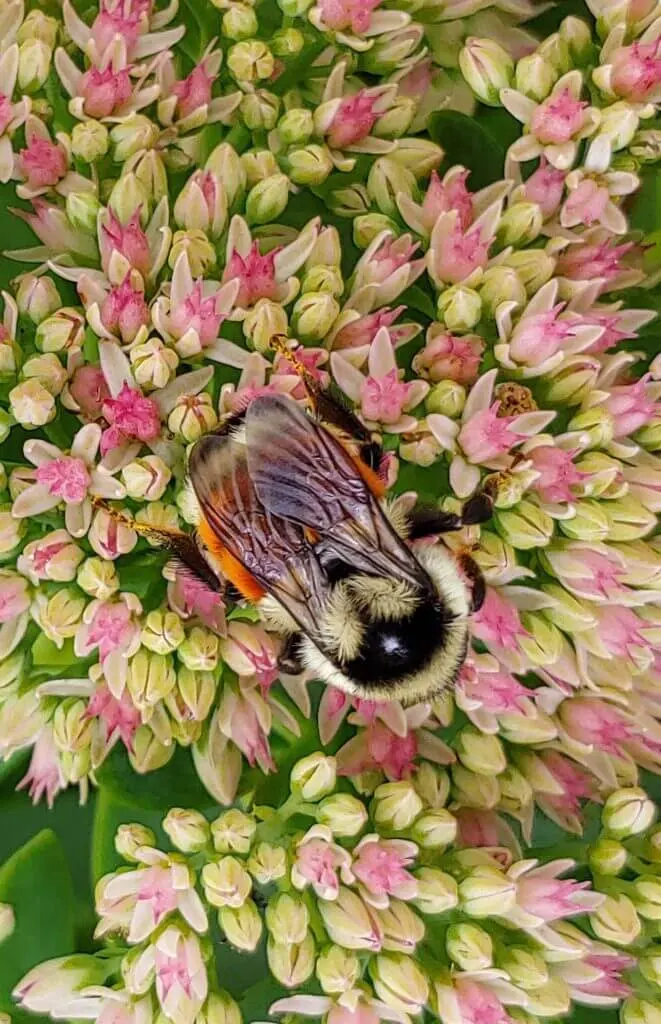
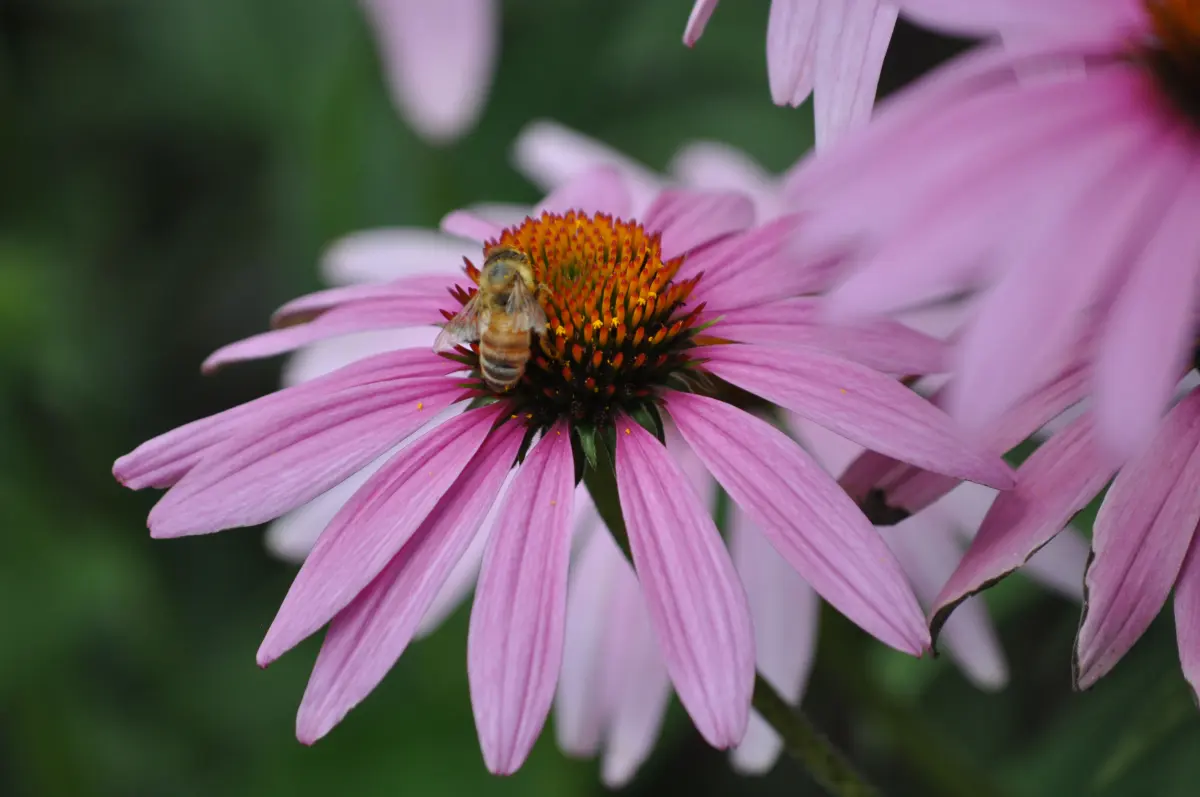
Pollinators possess highly sensitive olfactory organs, often located on their antennae, which can detect specific chemical concentrations from hundreds of yards away. When a bee or moth catches a scent plume, it follows the concentration gradient toward the flower. This behavior, known as anemotaxis, involves flying upwind while zigzagging to maintain contact with the scent trail. Once the insect reaches the flower, it uses both visual cues and scent to land accurately.
The timing of scent emission is equally critical for successful pollination. Many plants synchronize their fragrance release with the activity patterns of their primary pollinators:
- Day-blooming flowers: Typically release scents during daylight hours to attract bees, butterflies, and birds.
- Night-blooming flowers: Emit strong, often heavy or musky scents in the evening to guide nocturnal moths and bats.
- Seasonal pulses: Some species intensify their scent during peak flowering times to maximize reproductive success within a short window.
Why do some flowers smell bad?
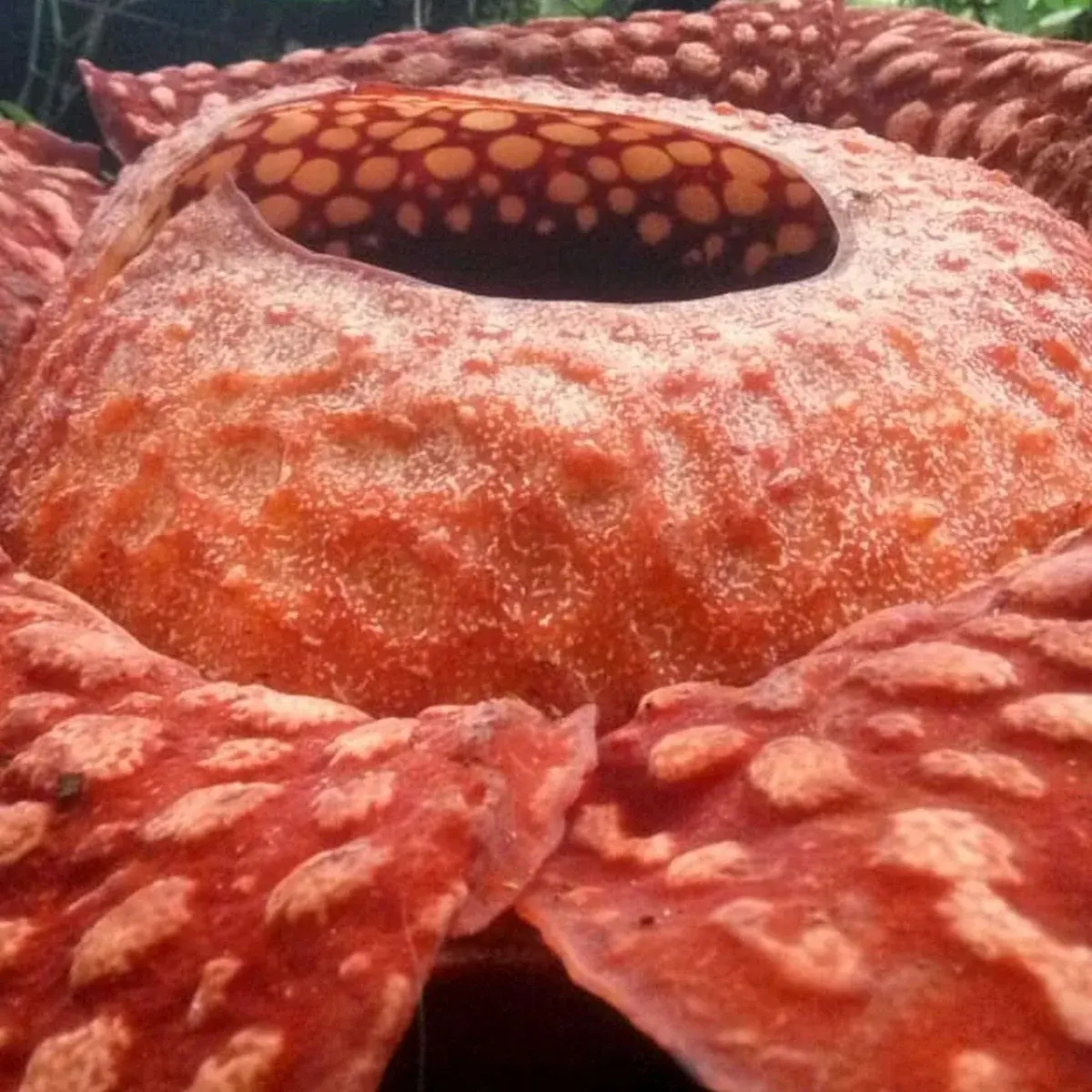
Not all flowers aim to smell pleasant to humans, as beauty is subjective in the natural world. Flowers that smell like rotting meat, feces, or decay are specifically adapted to attract carrion-feeding insects, such as blowflies and dung beetles. These insects are naturally drawn to decomposition, which they associate with egg-laying sites or food. By mimicking the smell of death, these plants—such as the titan arum or the corpse flower—effectively recruit pollinators that other plants ignore.
This strategy, known as sapromyophily, is highly efficient in environments where pollinators are scarce or competition for traditional nectar-seekers is intense. These plants often feature dark, flesh-colored petals to complete the illusion of rotting tissue. While these odors are repulsive to most people, they are essential for the survival of the plant species. Without this specialized mimicry, these unique flowers would fail to attract the specific insects required for their fertilization.
Common mistakes when choosing fragrant plants
Home gardeners often struggle to create a fragrant garden because they do not account for environmental variables. One common mistake is planting fragrant varieties in areas with high wind, which disperses the scent before it can accumulate or reach the gardener. Another frequent error is selecting plants that bloom at different times of the day, resulting in a garden that is fragrant only in the morning or only at night.
To achieve the best results in your own garden, follow these steps:
- Assess your site: Choose a sheltered, sunny spot where air is relatively still to allow scents to pool.
- Group by timing: Plant day-scented flowers like jasmine near seating areas and night-scented flowers like moonflowers near bedroom windows.
- Consider the soil: Ensure your plants have the specific nutrients they need, as scent production is metabolically expensive and requires healthy plants.
- Avoid over-fertilizing: Excessive nitrogen can promote leaf growth at the expense of flower and scent production.
How to preserve the scent of flowers
If you wish to enjoy floral fragrances indoors, proper harvesting and handling are essential. Most flowers are at their peak fragrance when they are just beginning to open. Cutting them too early means the scent glands have not fully developed, while cutting them too late can cause the flower to fade quickly. Use sharp, clean shears to make a diagonal cut on the stem, which maximizes surface area for water uptake.
Once cut, follow these guidelines to keep the scent lingering:
- Keep them cool: Heat causes volatile oils to evaporate too quickly, depleting the scent.
- Change the water: Bacteria in stagnant water can produce foul odors that mask the delicate floral fragrance.
- Avoid direct sunlight: Intense UV rays can degrade the chemical compounds responsible for the scent.
- Minimize handling: Touching the petals can bruise the tissue and disrupt the microscopic glands that release the aromatic oils.
By following these simple practices, you can extend the life of your flowers and ensure that their natural perfume remains potent for as long as possible.
Key facts
- Flowers produce volatile organic compounds (VOCs) to create scents that attract specific pollinators like bees, moths, or bats.
- Scent intensity often peaks when the plant's target pollinator is most active, such as night-blooming flowers attracting moths.
- Some flowers, like the corpse flower, emit foul odors resembling rotting meat to attract carrion-feeding beetles and flies.
- You can enhance your garden's scent by planting flowers like jasmine or nicotiana, which release fragrance primarily in the evening.
- Avoid over-fertilizing fragrant plants, as excessive nitrogen promotes leaf growth at the expense of the essential oils that create perfume.
- To maximize scent in cut flowers, keep them in a cool location away from direct sunlight, which can degrade the aromatic compounds.
The bottom line
Flowers produce scents as a sophisticated evolutionary strategy to ensure their survival through pollination. By releasing specific chemical compounds, they signal to pollinators that nectar or pollen is available. Whether a bloom smells sweet to attract bees or pungent to lure flies, fragrance is a vital communication tool. Understanding these biological triggers helps gardeners cultivate more vibrant spaces while appreciating the complex chemistry behind every floral aroma.
People also ask
Do all flowers have a scent?
No, many flowers lack a noticeable scent because they rely on other methods, such as bright colors or unique shapes, to attract pollinators. Some species have evolved to be scentless to avoid attracting unwanted pests or herbivores.
Why do some flowers smell better at night?
Night-blooming flowers release their scent in the dark to attract nocturnal pollinators like hawk moths and bats. Because these pollinators rely on smell rather than sight, the plants produce stronger fragrances after sunset.
Can a flower's smell change throughout the day?
Yes, many flowers adjust their scent production based on the daily cycle of their specific pollinators. This ensures that the plant conserves energy by only releasing fragrance when the target insect is likely to be nearby.
Does the color of a flower affect its smell?
While color and scent are both evolutionary tools to attract pollinators, they are not directly linked by the same genes. However, plants often evolve both traits simultaneously to create a "sensory package" that appeals to a specific type of visitor.
Why do some flowers smell like rotting meat?
Flowers that mimic the smell of decay are specifically adapted to attract flies and beetles that lay eggs on carrion. By producing these odors, the plant tricks these insects into visiting, which facilitates pollination without needing to offer nectar.
Are there health benefits to smelling flowers?
Many floral scents, such as lavender or rose, are used in aromatherapy to help reduce stress and improve mood. While the plant produces these scents for survival, humans have long utilized these natural oils for their calming psychological effects.
This answer was created with the help of AI research tools and reference sources. Spotted an error? Let us know — we correct mistakes quickly. See our editorial policy.