What is weathering?
Short answer
Weathering is the natural process of breaking down rocks, minerals, and soils through contact with the Earth's atmosphere, water, and biological organisms. Unlike erosion, which transports debris, weathering occurs in situ, meaning materials remain in their original location. It is the fundamental geological force that creates soil and shapes landscapes over time.
On this page
Why weathering happens
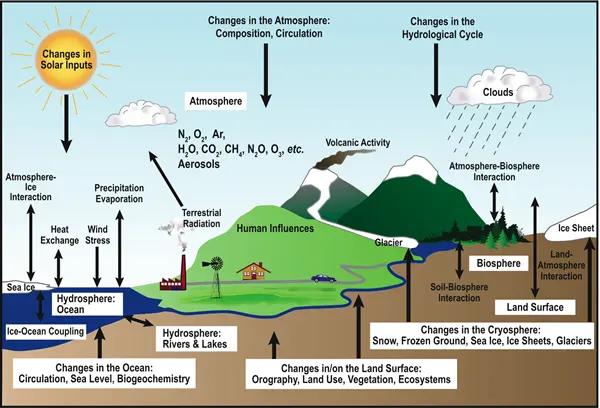
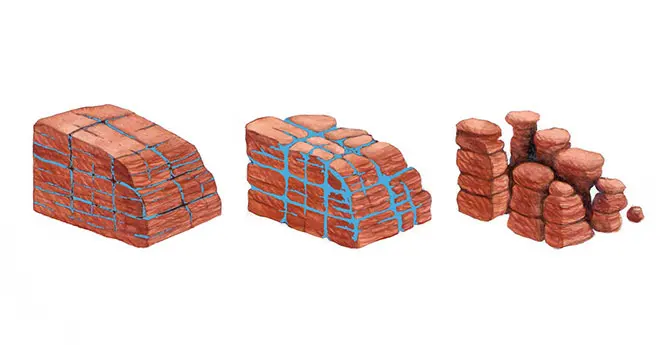
Weathering is primarily driven by the interaction between the lithosphere and the atmosphere. When rocks are exposed at the Earth's surface, they encounter conditions significantly different from those under which they originally formed. High pressures and temperatures deep underground give way to lower surface temperatures and fluctuating moisture levels, causing internal stresses within the rock structure.
Chemical reactions also play a critical role in this breakdown. Rainwater, often slightly acidic due to dissolved carbon dioxide, reacts with minerals like feldspar to transform them into clay. Meanwhile, physical forces such as temperature fluctuations cause minerals to expand and contract at different rates, eventually fracturing the rock. This combination of chemical and mechanical processes ensures that even the hardest granite eventually yields to the elements.
How weathering works
The process is categorized into two main types: mechanical and chemical. Mechanical weathering involves the physical disintegration of rock without changing its chemical composition. Chemical weathering, conversely, alters the molecular structure of the minerals, often weakening the rock significantly. These processes frequently work in tandem, as mechanical fractures increase the surface area available for chemical attacks.
Common mechanisms include:
- Frost wedging: Water enters cracks, freezes, and expands, exerting pressure that splits the rock.
- Exfoliation: The removal of overlying rock layers reduces pressure, causing the underlying rock to expand and peel off in sheets.
- Oxidation: Oxygen reacts with iron-bearing minerals, creating rust and weakening the rock's structural integrity.
- Hydrolysis: Water reacts with silicate minerals to create new, softer substances like kaolinite clay.
How long does it take to weather rock
The timescale for weathering varies wildly depending on the rock type and the local climate. In tropical environments with high heat and heavy rainfall, chemical weathering can break down solid basalt into deep, nutrient-rich soil in just a few thousand years. Conversely, in arid, cold environments, rocks may remain largely unchanged for millions of years because the lack of water inhibits chemical reactions.
Human-made structures provide a clear timeline for observation. Marble statues, for instance, can show visible signs of surface pitting and loss of detail within only a few decades when exposed to acid rain in urban environments. Granite, a much harder igneous rock, can withstand similar conditions for centuries. Factors influencing the rate include:
- Mineral composition: Softer minerals like calcite dissolve faster than quartz.
- Climate: Higher temperatures and moisture accelerate chemical reactions.
- Topography: Steep slopes shed debris, exposing fresh rock to weathering.
- Biological activity: Plant roots and burrowing animals accelerate physical breakdown.
Best ways to identify weathering
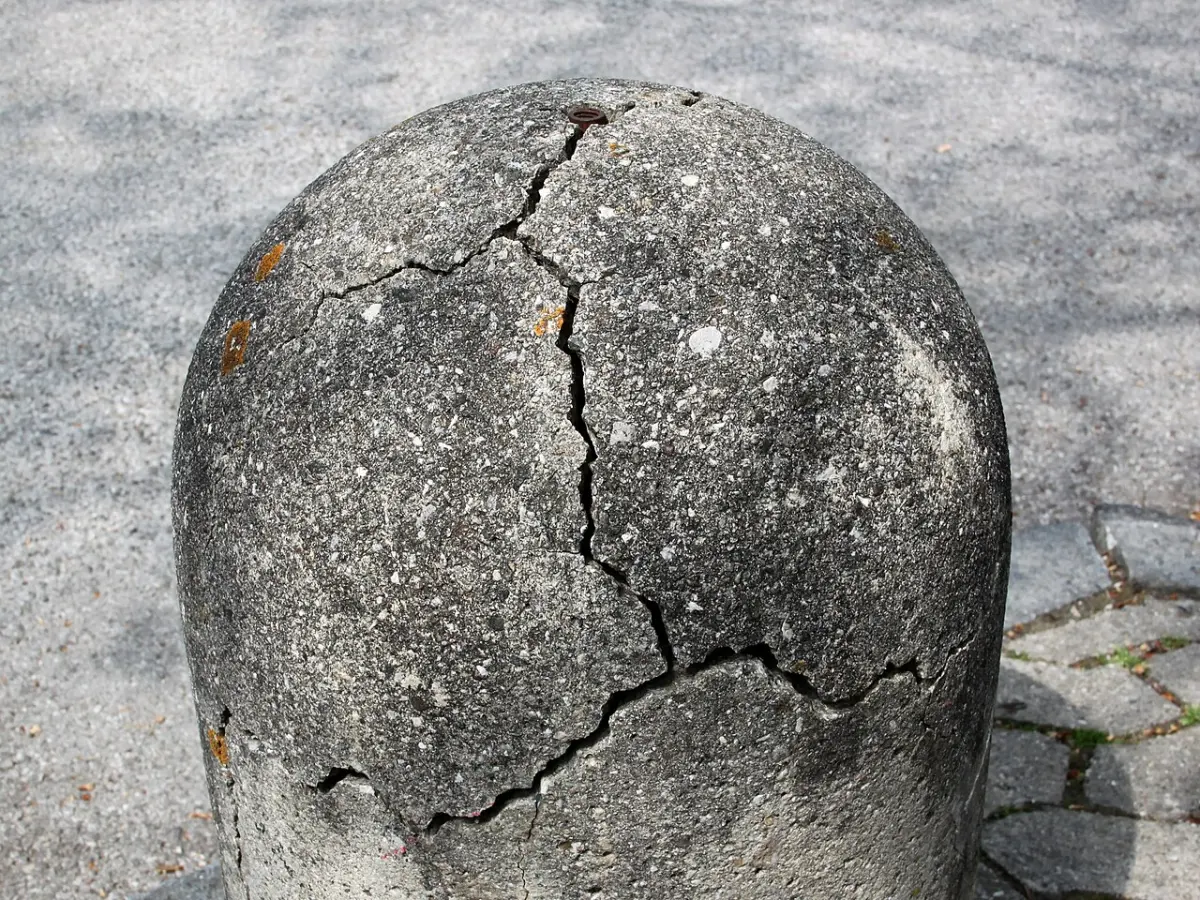
Identifying weathering requires careful observation of rock surfaces and the surrounding soil. Freshly exposed rock usually appears sharp, angular, and uniform in color. Weathered rock, by contrast, often exhibits rounded edges, discoloration, or a soft, crumbly texture. If you can easily scrape a piece of rock away with a pocketknife, it has likely undergone significant chemical alteration.
To assess the degree of weathering in a field setting, look for these indicators:
- Color changes, such as reddish-brown staining, which indicates iron oxidation.
- The presence of "grus," which is the accumulation of small, angular rock fragments around a central boulder.
- Deep, reddish soils, which are often the end product of intense chemical weathering in humid climates.
- Lichen growth, which can chemically etch the surface of rocks over long periods.
Common mistakes when studying weathering
One frequent error is confusing weathering with erosion. While weathering breaks down the material, erosion is the process of moving that material away via wind, water, or ice. If you see a canyon, you are looking at the result of erosion; if you see a pile of loose, decomposed granite at the base of a cliff, you are looking at the result of weathering.
Another mistake is assuming that all rocks weather at the same speed. Beginners often overlook the role of biological agents, such as tree roots or bacteria, which can accelerate the process significantly. Furthermore, people often ignore the importance of surface area. A large, solid boulder weathers much slower than a pile of gravel because the gravel has a vastly larger surface area exposed to the air and water. Understanding these distinctions is essential for accurately interpreting the geological history of any landscape you encounter.
Key facts
- Weathering is the natural process of breaking down rocks, minerals, and soils through contact with the Earth's atmosphere, water, and biological organisms.
- Physical weathering, or mechanical weathering, breaks rocks into smaller pieces without changing their chemical composition, often through frost wedging or thermal expansion.
- Chemical weathering alters the molecular structure of minerals, commonly through oxidation, carbonation, or hydrolysis, which turns hard rock into softer clay.
- Biological weathering occurs when living organisms, such as tree roots or burrowing animals, exert pressure or release acids that physically and chemically degrade stone.
- To identify weathering in your garden, look for cracks in stone walls, powdery surfaces on boulders, or rust-colored stains on iron-rich rocks.
- Avoid mistaking erosion for weathering; weathering happens in place, while erosion is the act of transporting those broken materials away by wind or water.
The bottom line
Weathering is the silent, ongoing transformation of the Earth’s surface that breaks solid rock into the soil and sediment we rely on today. By understanding how physical, chemical, and biological forces interact with our environment, we can better appreciate the geological history of our landscapes. Whether through freezing water or acidic rain, these natural processes continuously reshape our world, turning mountains into fertile, life-sustaining earth.
People also ask
What is the difference between weathering and erosion?
Weathering is the stationary breakdown of rock material, while erosion is the subsequent movement of that material by agents like rivers, glaciers, or wind. Think of weathering as the preparation of debris and erosion as the delivery service.
How long does it take for rocks to weather?
The timeframe varies wildly based on climate and rock type, ranging from a few years for soft limestone in rainy areas to millions of years for granite in arid deserts. Generally, warmer and wetter environments accelerate the process significantly.
Can human activity speed up weathering?
Yes, human activities like industrial pollution increase the acidity of rainfall, which chemically accelerates the decay of limestone and marble buildings. Mining and construction also expose fresh rock surfaces to the elements, increasing the rate of physical breakdown.
Does weathering create soil?
Weathering is the primary engine behind soil formation, as it breaks down solid bedrock into smaller mineral particles. These particles mix with organic matter, air, and water to create the fertile foundation necessary for plant life.
What is frost wedging?
Frost wedging occurs when water seeps into rock cracks, freezes, and expands by about nine percent. This pressure acts like a wedge, eventually forcing the rock to split apart after repeated freeze-thaw cycles.
Why do some rocks turn orange or red?
This color change is usually caused by oxidation, a chemical weathering process where iron minerals in the rock react with oxygen. This creates iron oxide, commonly known as rust, which weakens the rock's structural integrity.
This answer was created with the help of AI research tools and reference sources. Spotted an error? Let us know — we correct mistakes quickly. See our editorial policy.