What is air pressure?
Short answer
Air pressure is the force exerted by the weight of the atmosphere pressing down on a surface. It is caused by gravity pulling gas molecules toward Earth. Measured in units like millibars or pascals, this pressure varies based on altitude, temperature, and weather patterns, constantly shifting as air masses move globally.
On this page
What is air pressure and how does it work?
Air pressure, often called atmospheric pressure, is the result of the immense weight of the air column extending from the surface to the top of the atmosphere. Although air molecules are invisible, they possess mass and are constantly pulled toward the planet by gravity. At sea level, this weight is significant, exerting approximately 14.7 pounds of force per square inch on everything it touches.
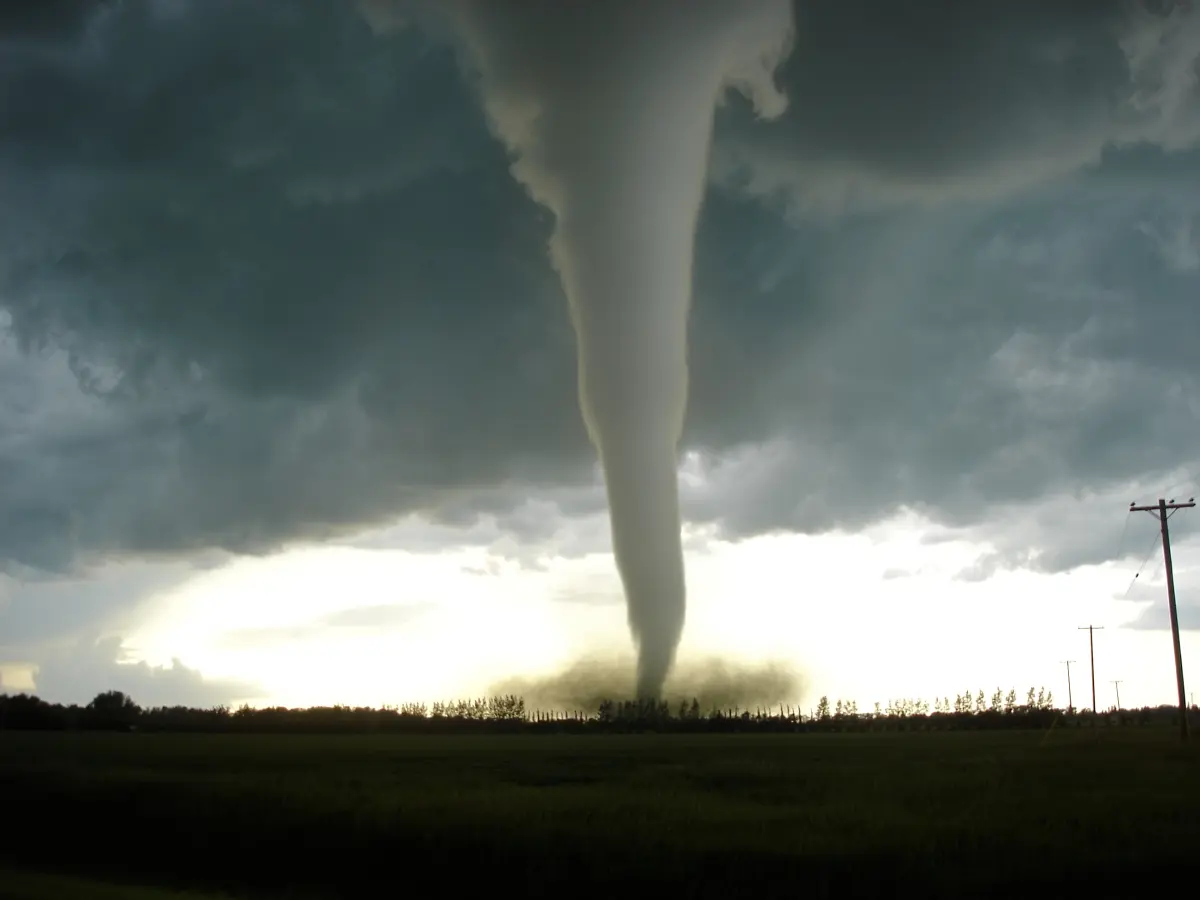
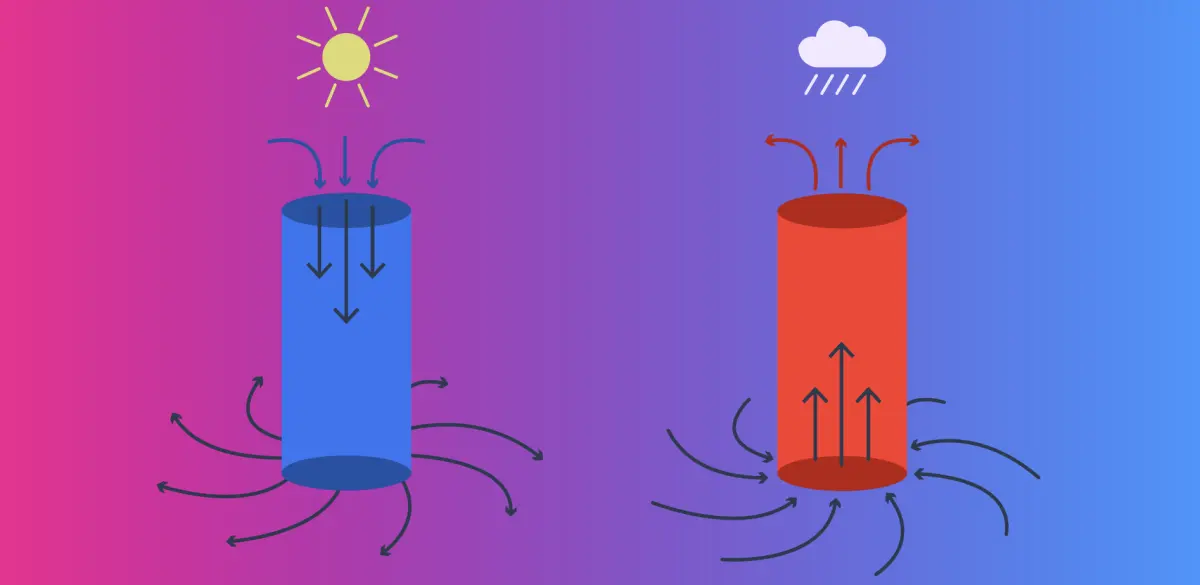
The pressure is not static; it fluctuates based on the density of the air. When air is cold, molecules pack closer together, increasing density and pressure. Conversely, warm air expands and becomes less dense, leading to lower pressure. These variations are the primary drivers of wind, as air naturally flows from areas of high pressure to areas of low pressure to achieve equilibrium.
How do meteorologists measure air pressure?
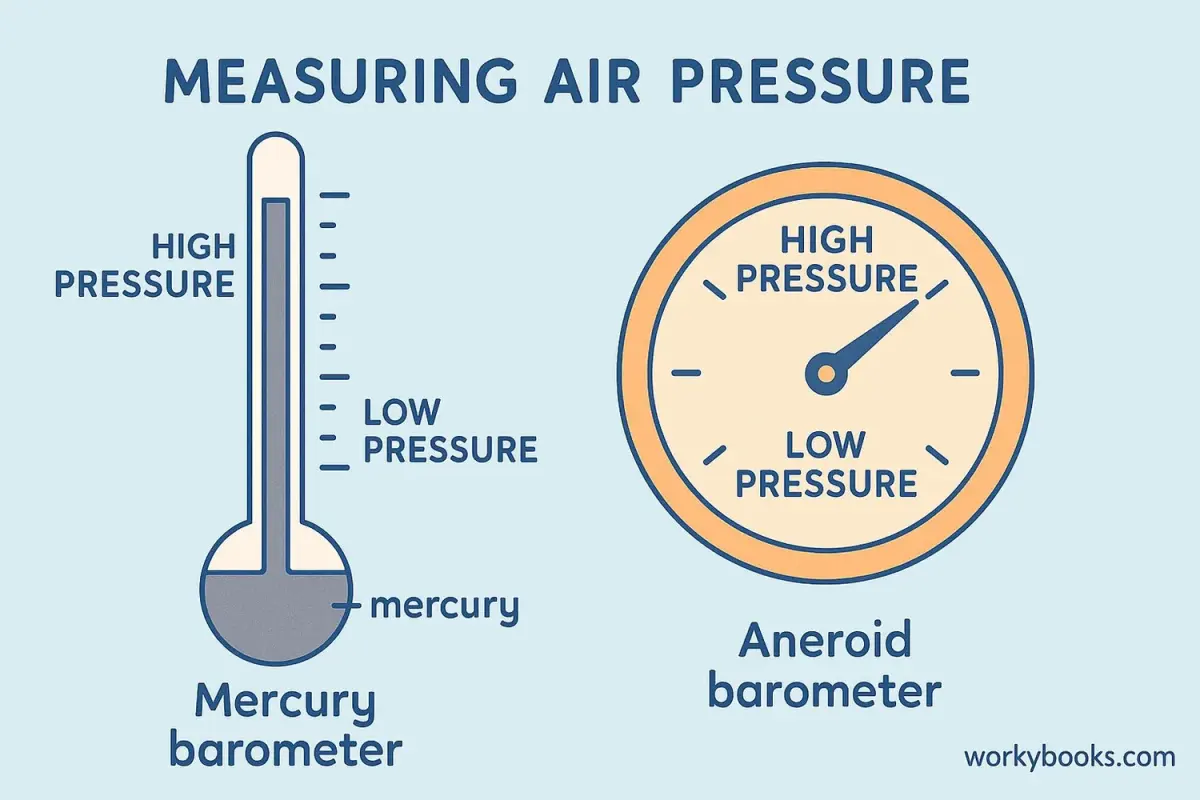
Scientists use a device called a barometer to track changes in atmospheric pressure. The most traditional version is the mercury barometer, invented by Evangelista Torricelli in 1643. In this instrument, a glass tube filled with mercury sits in a reservoir; as air pressure increases, it pushes the mercury higher up the tube. Modern weather stations typically use aneroid barometers, which employ a flexible metal box that expands or contracts with pressure changes.
Meteorologists use several standard units to quantify these readings:
- Millibars (mb): The most common unit used in weather maps.
- Hectopascals (hPa): Equivalent to millibars, frequently used in international aviation.
- Inches of mercury (inHg): Often cited in television weather reports in the United States.
- Standard Atmosphere (atm): A unit defined as 1013.25 millibars at sea level.
Why does air pressure change with altitude?
Air pressure decreases rapidly as you move higher above sea level. This happens because there is less air overhead to exert weight on you as you climb. At the summit of Mount Everest, the pressure is roughly one-third of that at sea level, which is why climbers often require supplemental oxygen. The atmosphere is thickest near the Earth's surface and becomes increasingly thin as it transitions into the vacuum of space.
This relationship between altitude and pressure is predictable and follows a logarithmic scale. Pilots and mountaineers rely on this consistency to determine their elevation using an altimeter, which is essentially a barometer calibrated to display height rather than pressure. Understanding this gradient is vital for aviation safety, as aircraft must adjust their cabin pressure to ensure passengers can breathe comfortably while flying at high altitudes.
How to use a barometer for weather forecasting
Monitoring pressure trends is a reliable way to anticipate local weather changes. A steady or rising barometer usually indicates stable, fair weather, whereas a rapid drop in pressure often signals an approaching storm or front. To use a barometer effectively, you should record the reading at the same time each day to establish a baseline for your specific location.
Follow these steps to interpret your readings:
- Observe the trend over a six-hour period to determine if the pressure is rising, falling, or remaining steady.
- If the pressure is falling rapidly, prepare for high winds or precipitation within the next 12 to 24 hours.
- If the pressure rises sharply after a storm, expect clearing skies and cooler temperatures.
- Keep a log of these changes to correlate pressure patterns with the actual weather experienced in your area.
Common mistakes when measuring air pressure
One frequent error is failing to calibrate a barometer for local elevation. Because pressure drops with altitude, a raw reading taken in a mountain town will be significantly lower than one taken at the beach, even if the weather conditions are identical. You must adjust your device to "sea level pressure" to compare your data with official weather reports. Another mistake is placing a barometer near heat sources like radiators, ovens, or direct sunlight.
These external factors can artificially lower the air density inside the device, causing inaccurate readings. Furthermore, users often ignore the "rate of change" in favor of absolute numbers. A single low reading is less informative than the speed at which the pressure is dropping. Avoid these pitfalls by keeping your instrument in a stable, room-temperature environment and focusing on the direction of the trend rather than the specific numerical value displayed on the dial.
Key facts
- Air pressure is the weight of the atmosphere pressing down on the Earth's surface, measured in units like millibars or hectopascals.
- At sea level, the average atmospheric pressure is approximately 1,013.25 millibars, or 14.7 pounds per square inch.
- As altitude increases, air pressure drops because there is less air overhead pushing down on you.
- You can observe pressure changes at home using a barometer, which tracks how the weight of the air shifts before weather events.
- To avoid inaccurate barometer readings, ensure the device is calibrated to your specific elevation above sea level.
- Rapid drops in air pressure often signal the arrival of a storm, while rising pressure typically indicates fair and stable weather.
The bottom line
Air pressure is the invisible weight of the atmosphere constantly exerting force on everything on Earth. By understanding how this pressure fluctuates with altitude and temperature, you can better interpret weather patterns and environmental changes. Whether you are using a barometer to forecast a storm or simply adjusting to a change in elevation, recognizing these atmospheric forces provides a practical lens for viewing the world around you.
People also ask
Why do my ears pop when I travel in an airplane or drive up a mountain?
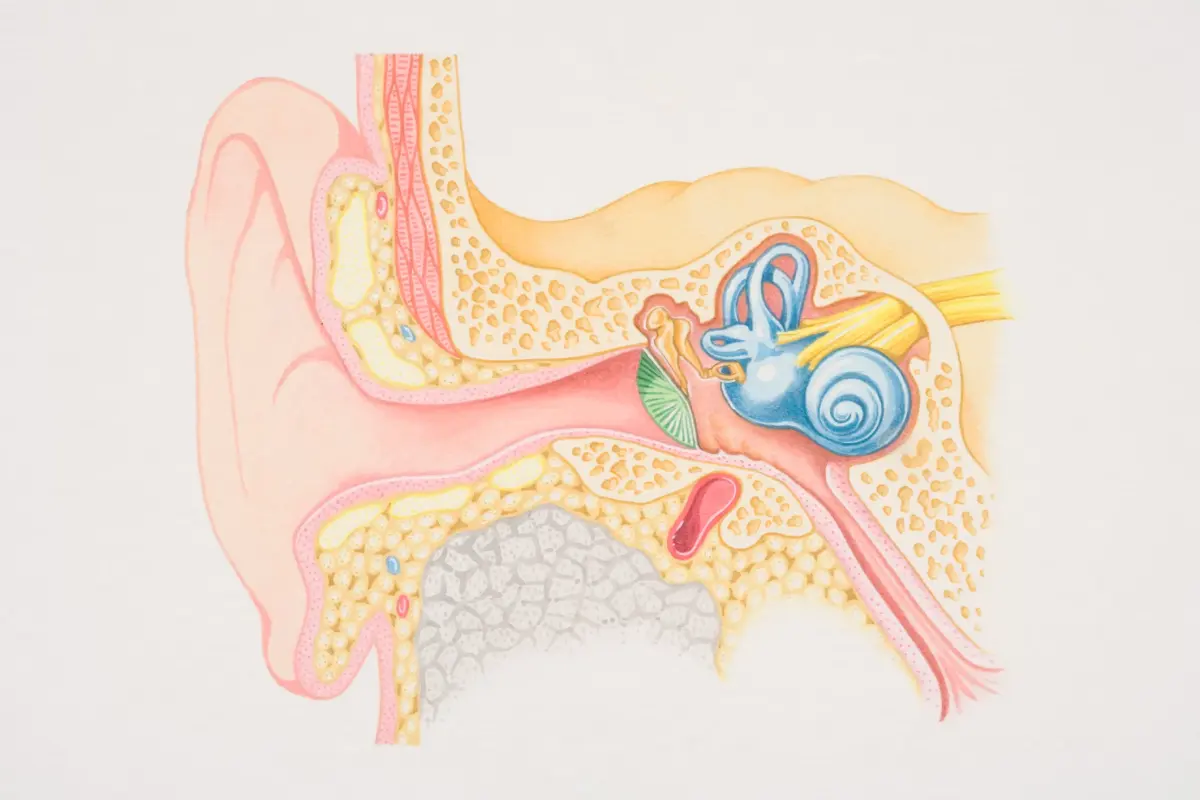
Your ears pop because the air pressure inside your middle ear is adjusting to the lower pressure of the outside environment. This equalization happens through the Eustachian tubes, which allow air to move between your throat and ear to balance the pressure against your eardrum.
How does air pressure affect the human body?
Most people do not feel standard air pressure because internal body pressure pushes outward with equal force. However, significant changes in pressure can affect joints, sinuses, and blood flow, which is why some individuals experience discomfort during rapid weather shifts.
Is air pressure the same thing as wind?
Air pressure and wind are closely linked but distinct; pressure is the force of the air, while wind is the movement of air from high-pressure areas to low-pressure areas. Nature constantly works to balance these differences, creating the currents we experience as wind.
Can you measure air pressure without a barometer?
You can estimate pressure changes by observing cloud formations and wind direction, though these methods are less precise than a digital or analog barometer. A simple "water barometer" can also be built using a glass bottle and a tube to observe changes in water levels.
Does air pressure change based on the temperature?
Yes, warm air is less dense and exerts lower pressure, while cold air is denser and exerts higher pressure. This relationship is a fundamental driver of global weather patterns and the formation of high and low-pressure systems.
Why are high-pressure systems associated with clear skies?
In a high-pressure system, air sinks toward the surface, which prevents clouds from forming and suppresses vertical air movement. This sinking motion warms the air and evaporates moisture, leading to the sunny, dry conditions typically seen in fair weather.
This answer was created with the help of AI research tools and reference sources. Spotted an error? Let us know — we correct mistakes quickly. See our editorial policy.