Where do robins live?
Short answer
American robins live across much of North America, ranging from Alaska and Canada down to central Mexico. They occupy diverse environments, including forests, woodlands, orchards, and suburban lawns. While some populations migrate south for the winter, others remain in their breeding territories throughout the year, provided food sources remain accessible.
On this page
Where do robins live in North America?
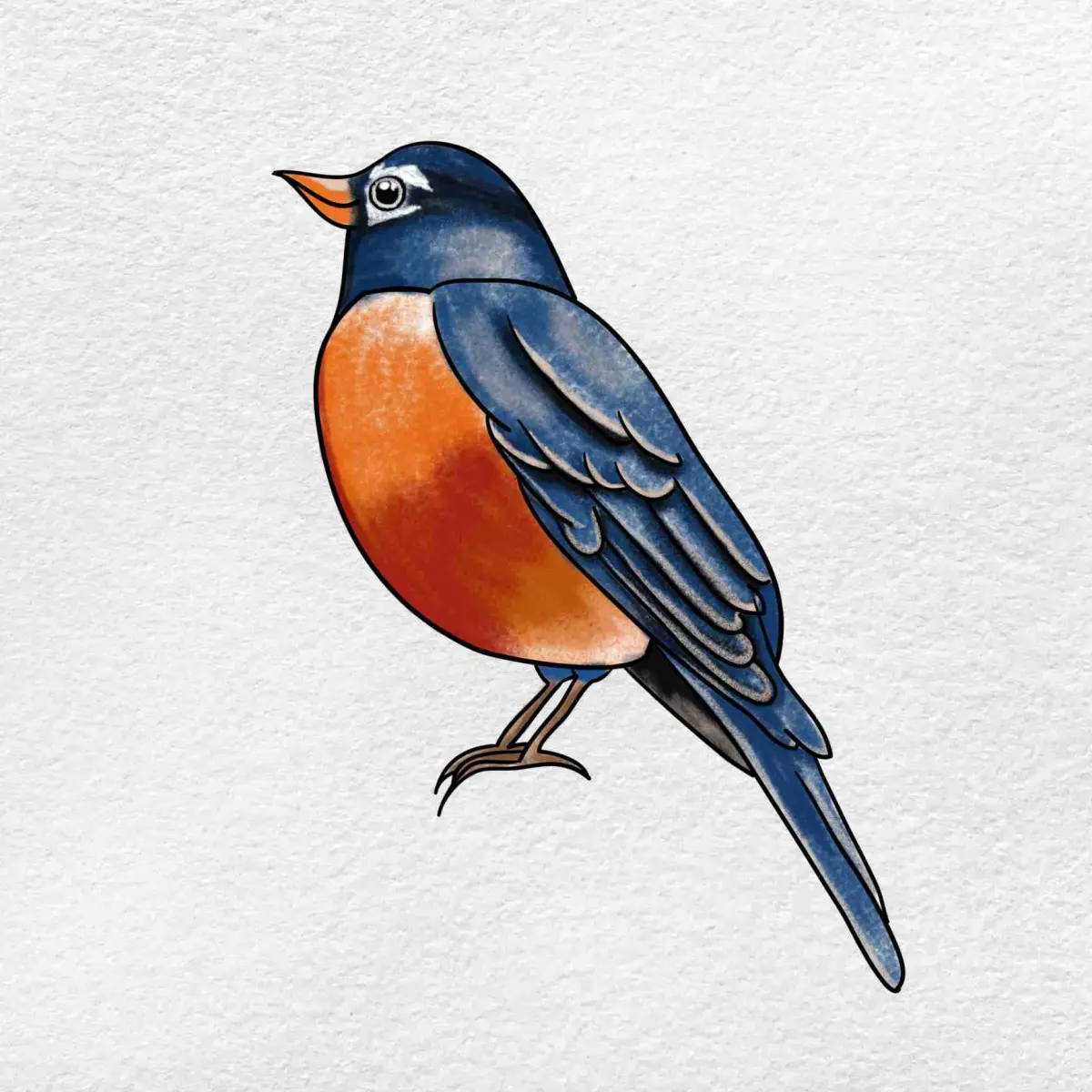
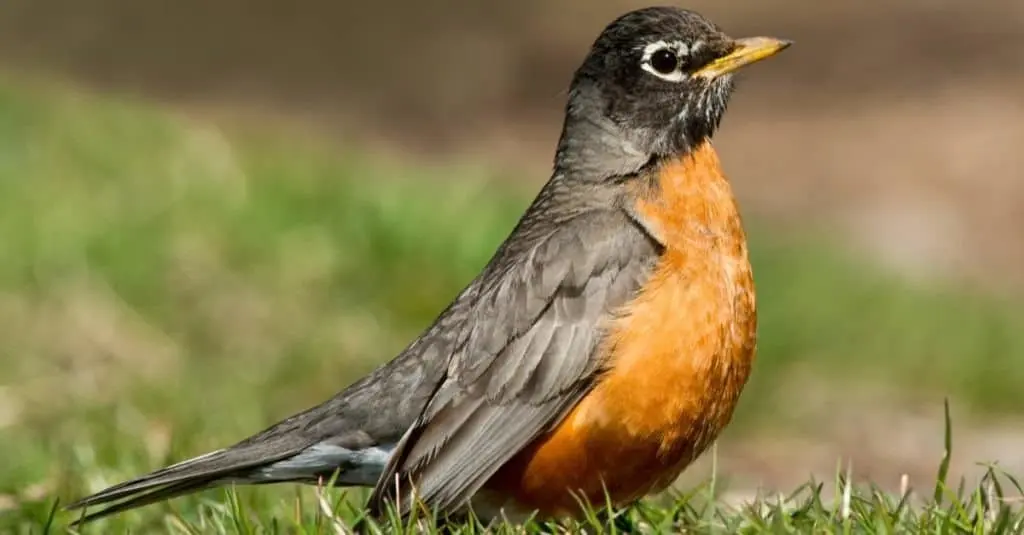
The American robin (Turdus migratorius) is one of the most widespread birds on the continent. Their breeding range encompasses nearly all of Canada and Alaska, extending south through the United States to the highlands of Mexico. Because they are highly adaptable, they thrive in a vast array of habitats ranging from deep coniferous forests and mountain meadows to manicured city parks and residential backyards.
These birds are particularly fond of "edge" habitats, which are areas where forests meet open fields. This transition zone provides them with the cover they need for nesting and the open ground required for foraging. While they are common in wilderness areas, they have become increasingly synonymous with human-altered landscapes. Their ability to exploit lawns for earthworms and fruit-bearing ornamental trees for winter sustenance allows them to maintain high population densities in suburban environments.
Do robins migrate or stay year-round?
Robins exhibit complex migratory patterns depending on their specific geographic location. Many northern populations are true migrants, moving south during the autumn months to escape the freezing temperatures and snow cover that make foraging difficult. These birds may travel hundreds or even thousands of miles to reach the southern United States or Mexico, where they join local populations for the winter season.
However, many robins are considered "partial migrants." In milder climates, they may simply shift their range to lower elevations or denser woods where food is more plentiful. During the winter, robins often form large, nomadic flocks that wander in search of berries and fruit. If you notice a sudden influx of robins in your area during mid-winter, it is likely a group of these wandering migrants passing through rather than the same birds that nested in your yard during the spring.
How to attract robins to your backyard
If you want to encourage robins to visit your property, you must provide the specific resources they require for nesting and feeding. Unlike many songbirds, robins are not typically attracted to traditional bird feeders filled with sunflower seeds. Instead, they prefer natural food sources and open spaces.
- Maintain a healthy lawn without using chemical pesticides, as these can kill the earthworms that serve as a primary food source.
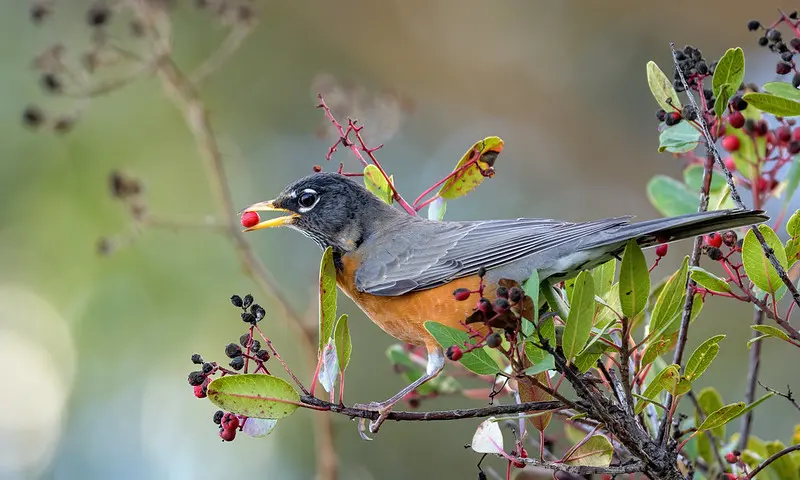
- Plant native fruit-bearing trees and shrubs, such as holly, serviceberry, dogwood, and winterberry, to provide a winter food supply.
- Provide a shallow birdbath with a fountain or dripper, as robins are highly attracted to the sound and sight of moving water.
- Leave a portion of your yard slightly unkempt to provide nesting materials like twigs, mud, and dried grass.
Common mistakes when birding for robins
A frequent mistake beginners make is assuming that all robins are present in their area throughout the entire year. Because their behavior changes so drastically between seasons, people often worry that the birds have abandoned their habitat when, in reality, the robins have simply shifted their diet from worms to berries. During the winter, they tend to move into the canopy of trees and become much quieter, making them harder to spot than in the spring.
Another error is providing the wrong type of nest box. Robins are "open-cup" nesters and will not use the enclosed wooden boxes designed for bluebirds or wrens. If you want to assist them with nesting, you can install a simple "nest shelf" under the eaves of a porch or shed. This provides a stable platform that mimics the protected ledges where they naturally build their nests, keeping their eggs safe from predators and harsh weather during the breeding season.
How to identify robin nesting sites
Robins are meticulous builders that choose locations offering both stability and protection. They typically build their nests in the crotch of a tree, on a horizontal branch, or against a flat surface on a building. They use a foundation of coarse grass and twigs, which they then reinforce with a cup of mud. This mud layer is a diagnostic feature of a robin's nest, acting as a sturdy, waterproof glue that holds the structure together.
- Look for nests at heights between 5 and 15 feet above the ground.
- Search for the characteristic blue-green eggs, which are usually laid in clutches of three to four.
- Observe the female, who does the majority of the construction work, often making dozens of trips to collect mud from damp areas.
- Ensure you maintain a respectful distance, as robins are highly protective parents and will often sound a loud, frantic alarm call if they feel their nest is being threatened by humans or pets.
Key facts
- The American robin (Turdus migratorius) is found across North America, ranging from Alaska and Canada down to central Mexico.
- These birds prefer open habitats like lawns, parks, golf courses, and agricultural fields where they can forage for earthworms.
- During winter, robins often congregate in large flocks in wooded areas or shrublands to feed on berries and fruit.
- They are highly adaptable and frequently nest in human-made structures, such as porch eaves, window ledges, and light fixtures.
- To attract robins, maintain a lawn without pesticides to ensure a healthy supply of soil invertebrates.
- Avoid removing dense shrubs or trees from your property, as these provide essential shelter and nesting sites for breeding pairs.
The bottom line
American robins are highly adaptable birds that occupy a vast range across North America, thriving in both wild landscapes and suburban neighborhoods. By providing pesticide-free lawns for foraging and planting native fruit-bearing shrubs for winter survival, you can easily support these birds on your property. Understanding their preference for open spaces and natural food sources is the key to observing them throughout the changing seasons.
People also ask
Do robins migrate south for the winter?
Many robins are partial migrants, meaning some stay in their breeding range while others move south to find food. Their movement is driven more by the availability of fruit than by cold temperatures.
How can I tell the difference between a male and female robin?
Males typically have darker, more vibrant orange breasts and a deeper black head compared to the duller, grayish-brown plumage of females. These differences are often most noticeable during the spring breeding season.
What should I feed robins in my backyard?
Robins rarely visit traditional bird feeders because they prefer insects and fruit. You can attract them by offering mealworms or planting native berry-producing shrubs like holly, dogwood, or serviceberry.
Why do robins pull worms out of the ground?
Robins use their keen eyesight and hearing to detect vibrations in the soil caused by earthworms. They pull the worms out to consume them as a primary source of protein for themselves and their nestlings.
How long do robins live in the wild?
Most robins live about two years in the wild, though some individuals have been recorded living up to 14 years. High mortality rates among fledglings are common due to predators and harsh weather.
Are robins considered a sign of spring?
While they are often associated with spring, many robins remain in northern regions throughout the winter. Their perceived arrival is often just a shift in behavior as they move from hidden forest areas to open lawns.
This answer was created with the help of AI research tools and reference sources. Spotted an error? Let us know — we correct mistakes quickly. See our editorial policy.