Where do penguins live?
Short answer
Penguins live almost exclusively in the Southern Hemisphere. While many people associate them only with the frozen landscapes of Antarctica, they inhabit diverse environments ranging from icy polar regions to temperate coastlines and tropical islands near the equator. They are found in South America, Africa, Australia, New Zealand, and various oceanic islands.
On this page
Where do penguins live in the world?
Penguins are flightless marine birds that thrive in a variety of climates throughout the Southern Hemisphere. Contrary to popular belief, they do not live at the North Pole or in the Arctic. Their distribution is dictated by cold ocean currents, which provide the nutrient-rich waters necessary for their primary food sources, such as krill, squid, and small fish.
While some species are famous for enduring the extreme sub-zero temperatures of the Antarctic continent, others prefer much milder conditions. For instance, the Galápagos penguin lives on islands near the equator, where it relies on the cool, nutrient-dense waters of the Cromwell Current to survive. Across the globe, these birds have adapted to diverse nesting grounds, including rocky cliffs, sandy beaches, and dense forests.
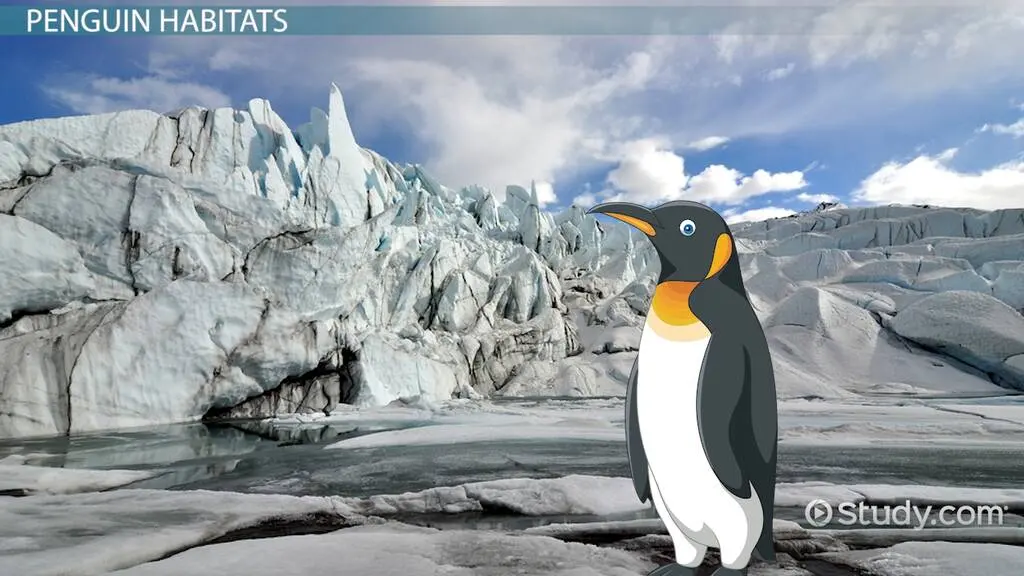
- Antarctica: Home to Emperor and Adélie penguins.
- South America: Includes Patagonia and the Galápagos Islands.
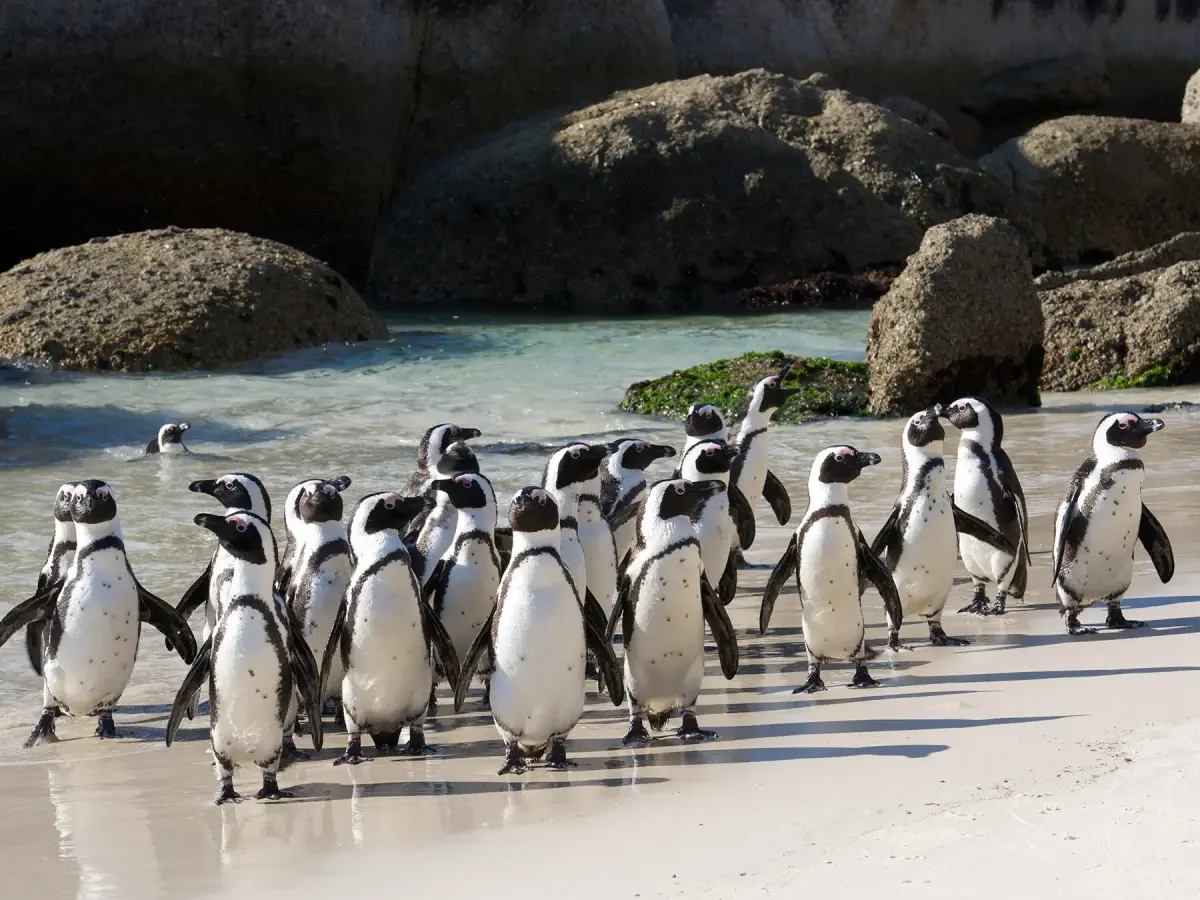
- Africa: Primarily the Boulders Beach colony in South Africa.
- Oceania: Found across Australia and New Zealand.
How do penguins adapt to different climates?
Penguins utilize specialized physiological traits to manage their body temperature across varying environments. In polar regions, species like the Emperor penguin possess dense, overlapping feathers and a thick layer of blubber to insulate against freezing winds. Conversely, species living in warmer climates have developed behaviors to shed heat, such as panting or standing with their flippers extended to increase surface area for cooling.
The environment significantly influences their nesting habits. Polar species often nest on sea ice or barren rocky outcrops where snow is minimal during breeding seasons. In contrast, temperate species often dig burrows in the soil or hide in vegetation to protect themselves and their chicks from the intense sun. These adaptations ensure that penguins can successfully raise their young regardless of the ambient temperature.
- Counter-current heat exchange in flippers keeps blood flow regulated.
- Excessive preening maintains the waterproofing of feathers.
- Huddling behavior in cold climates reduces individual heat loss.
- Burrowing or seeking shade in warm climates prevents overheating.
Why do penguins choose specific habitats?
The primary driver for penguin habitat selection is proximity to reliable food sources. Penguins are highly specialized hunters that require high-energy prey, which is typically found in areas where cold, nutrient-rich currents rise to the surface. By nesting near these marine "hotspots," penguins minimize the energy spent traveling between the ocean and their colonies.
Safety from terrestrial predators is another critical factor in habitat selection. Many penguins choose remote islands or rugged, inaccessible coastlines to establish their breeding colonies. By avoiding areas with high populations of land-based mammals, they significantly increase the survival rate of their chicks. This explains why many colonies are found on small, isolated rocks or islands where they can guard their nests more effectively against threats.
Common mistakes when identifying penguin habitats
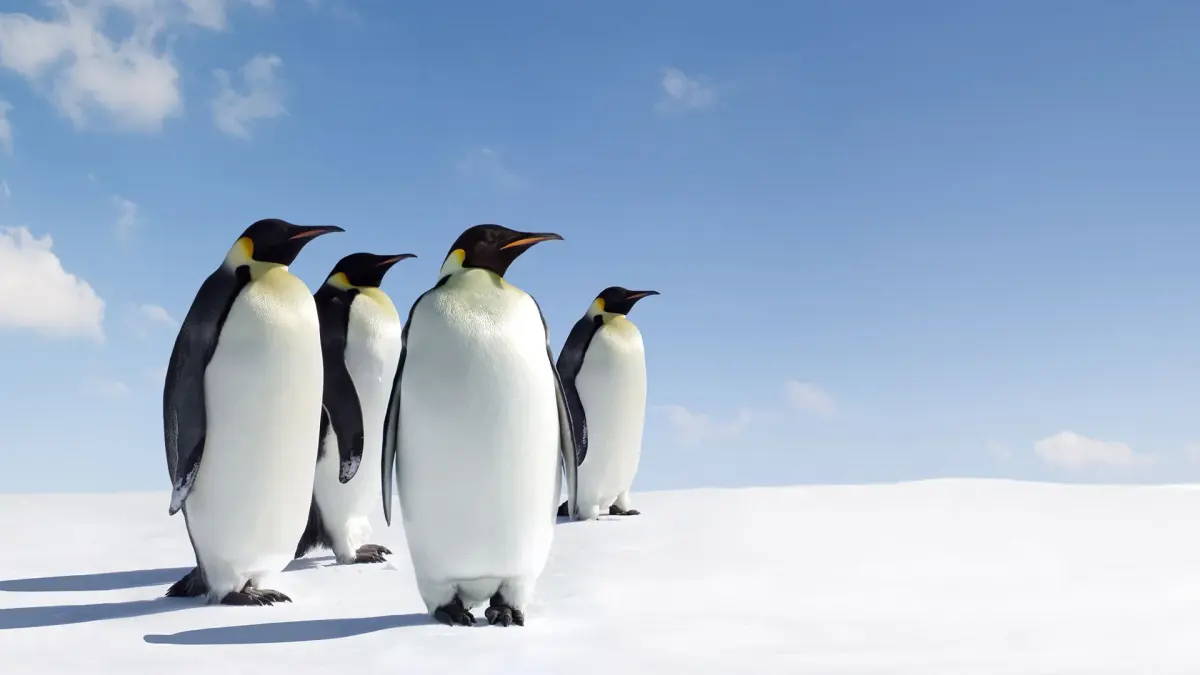
A frequent error is assuming that all penguins live on ice. Many people mistakenly believe that penguins are exclusively polar animals, leading to confusion when they see images of penguins on sandy beaches or in tropical forests. In reality, only a small percentage of the 18 recognized penguin species spend their entire lives in the Antarctic circle.
Another common mistake is thinking that penguins are strictly migratory in a way that takes them across the equator. While some species travel long distances at sea, they do not migrate to the Northern Hemisphere. Their entire life cycle, from breeding to molting, remains anchored to the Southern Hemisphere. Understanding this geographical boundary is essential for anyone interested in observing or studying these birds in their natural environment.
Best places to see penguins in the wild
If you are planning to observe penguins, it is vital to choose locations that prioritize wildlife conservation. Responsible tourism ensures that human presence does not disrupt nesting behaviors or introduce diseases to sensitive colonies. Always maintain a respectful distance, as penguins are easily stressed by human activity, especially during their vulnerable molting or breeding periods.
The best locations offer infrastructure that allows for viewing without encroaching on the birds' space. Popular sites include the Falkland Islands, which host massive colonies of King and Gentoo penguins, and the Otago Peninsula in New Zealand, where the rare Yellow-eyed penguin resides. When visiting these areas, follow all posted guidelines regarding noise levels, photography, and movement. By adhering to these rules, you help preserve these unique habitats for future generations of both penguins and human observers.
Key facts
- All wild penguins live exclusively in the Southern Hemisphere, ranging from Antarctica to the Galápagos Islands.
- Only four of the 18 recognized penguin species, including the Emperor and Adélie, live on the Antarctic continent year-round.
- The Galápagos penguin is the only species that lives north of the equator, inhabiting islands near the equator line.
- Penguins do not live in the Arctic or at the North Pole, where polar bears are the dominant apex predators.
- Most penguin populations are concentrated in temperate zones, such as the coasts of South Africa, Chile, Argentina, and New Zealand.
- When visiting penguin colonies, always maintain a distance of at least 15 to 30 feet to avoid stressing the birds during nesting.
The bottom line
While often associated with the frozen landscapes of Antarctica, penguins are actually a diverse group of birds inhabiting various environments across the Southern Hemisphere. From the icy shelves of the South Pole to the tropical waters of the Galápagos, these flightless swimmers have adapted to a wide range of climates. Understanding their true geographic range helps clarify why they are never found naturally in the Arctic.
People also ask
Can penguins survive in hot climates?
Yes, several species thrive in warm environments, such as the African penguin in South Africa and the Galápagos penguin. These birds have adapted by panting, holding their wings away from their bodies, and spending more time in cool ocean currents.
Do penguins live in the North Pole?
No, penguins are entirely absent from the Arctic and the North Pole. The cold-adapted birds found in the far north are auks, such as puffins, which are unrelated to penguins despite their similar appearance.
How do penguins stay warm in freezing Antarctic temperatures?
Penguins utilize a thick layer of blubber and dense, waterproof feathers to trap body heat. They also huddle together in large groups to share warmth and reduce exposure to harsh, frigid winds.
Are there penguins in zoos in the Northern Hemisphere?
Yes, many zoos and aquariums house penguins in climate-controlled habitats that mimic their natural environmental needs. These facilities provide necessary cooling systems to ensure the birds remain healthy despite the local external weather.
Do all penguins live on ice?
No, most penguin species live on rocky shores, sandy beaches, or grassy islands. Only a few species, most notably the Emperor penguin, spend significant portions of their life cycle on sea ice.
Can penguins fly?
Penguins are flightless birds that have evolved wing structures into flippers for swimming. Their bodies are specifically designed for high-speed underwater maneuverability rather than aerial travel.
This answer was created with the help of AI research tools and reference sources. Spotted an error? Let us know — we correct mistakes quickly. See our editorial policy.