Where do sloths live?
Short answer
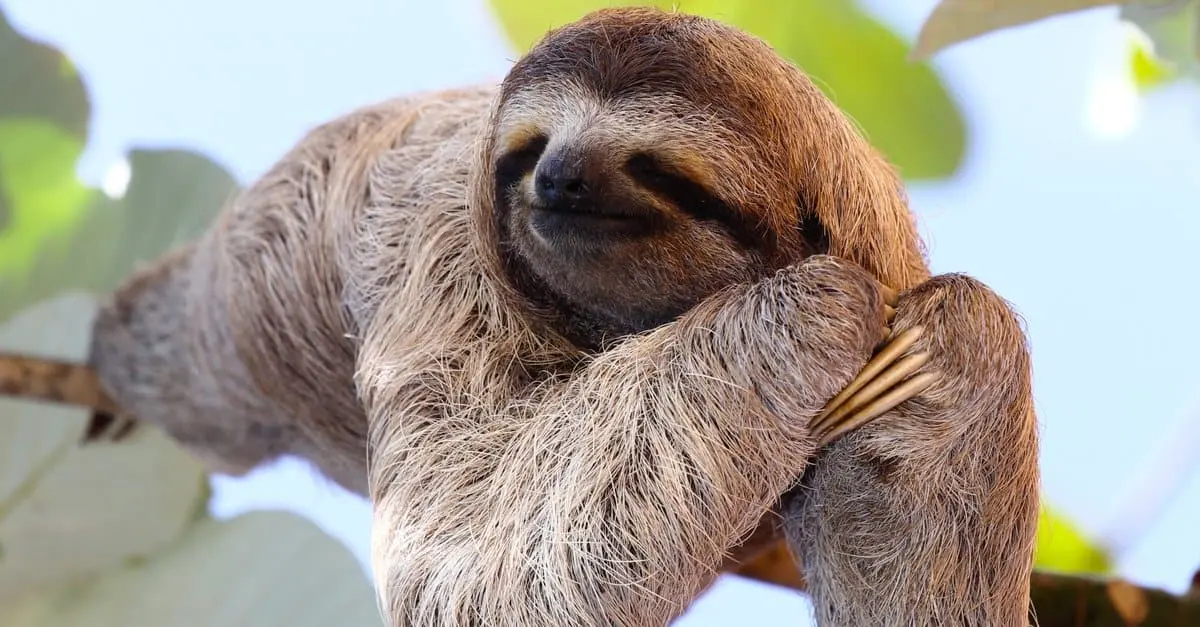
Sloths live exclusively in the tropical rainforests of Central and South America. They inhabit the dense canopies of countries ranging from Honduras in the north to northern Argentina in the south. These arboreal mammals thrive in humid, warm environments where they spend nearly their entire lives suspended from tree branches high above ground.
On this page
Where do sloths live in the wild?
Sloths are native to the Neotropical realm, specifically occupying the tropical rainforests of Central and South America. Their geographic range extends from the lush jungles of Honduras and Nicaragua down through Panama, Colombia, Venezuela, and the vast Amazon Basin in Brazil. They are also found in the coastal forests of Ecuador, Peru, and parts of Bolivia and northern Argentina. Because they are specialized for an arboreal lifestyle, they require continuous forest cover to move safely and efficiently.
These animals are strictly adapted to warm, humid climates where temperatures remain relatively stable throughout the year. They are rarely found in high-altitude mountain ranges or arid, open plains, as these environments lack the necessary canopy density for their survival. Within their preferred habitats, sloths occupy various vertical levels of the forest, though they are most commonly spotted in the middle and upper canopy layers. This elevation provides them with protection from ground-dwelling predators and access to their primary food sources.
How do sloths adapt to their environment?
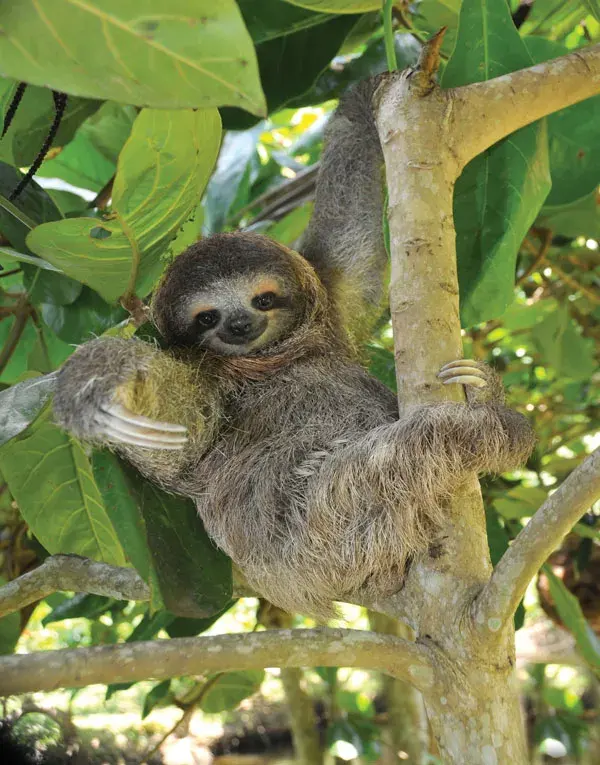
The sloth’s body is a marvel of evolutionary specialization designed for life in the trees. Their long, curved claws act as natural hooks, allowing them to hang from branches for hours without expending significant muscle energy. This grip is so secure that sloths have even been observed remaining suspended after death. Furthermore, their coarse fur grows in the opposite direction of most mammals, parting at the belly to allow rainwater to drain off during frequent tropical downpours.
To survive in the canopy, sloths have developed several unique biological traits:
- A metabolic rate that is among the lowest of any non-hibernating mammal, which helps them conserve energy.
- A symbiotic relationship with algae that grows in their fur, providing camouflage against predators like jaguars and harpy eagles.
- A specialized digestive system capable of breaking down tough, fibrous leaves that other animals cannot easily process.
- A slow movement pattern that makes them nearly invisible to predators relying on motion detection.
What is the best way to spot a sloth?
Finding a sloth in the wild requires extreme patience and a keen eye, as their stillness makes them difficult to distinguish from termite nests or clumps of leaves. The best time to search is during the early morning or late afternoon when they are slightly more active. If you are visiting a rainforest, consider hiring a local guide who is trained to identify the subtle shapes and silhouettes of sloths hidden high in the branches.
Follow these steps to increase your chances of a successful sighting:
- Scan the middle and upper canopy layers, particularly where branches are thick and tangled.
- Look for "clumps" in the trees that do not match the surrounding foliage shape or color.
- Use high-quality binoculars to inspect suspicious shapes, as sloths often look like bundles of fur or moss.
- Listen for the sound of branches moving, though sloths are generally silent, their weight can occasionally cause minor rustling.
- Check Cecropia trees, as these are a favorite food source for many sloth species and are often frequented by them.
Why do sloths come down to the ground?
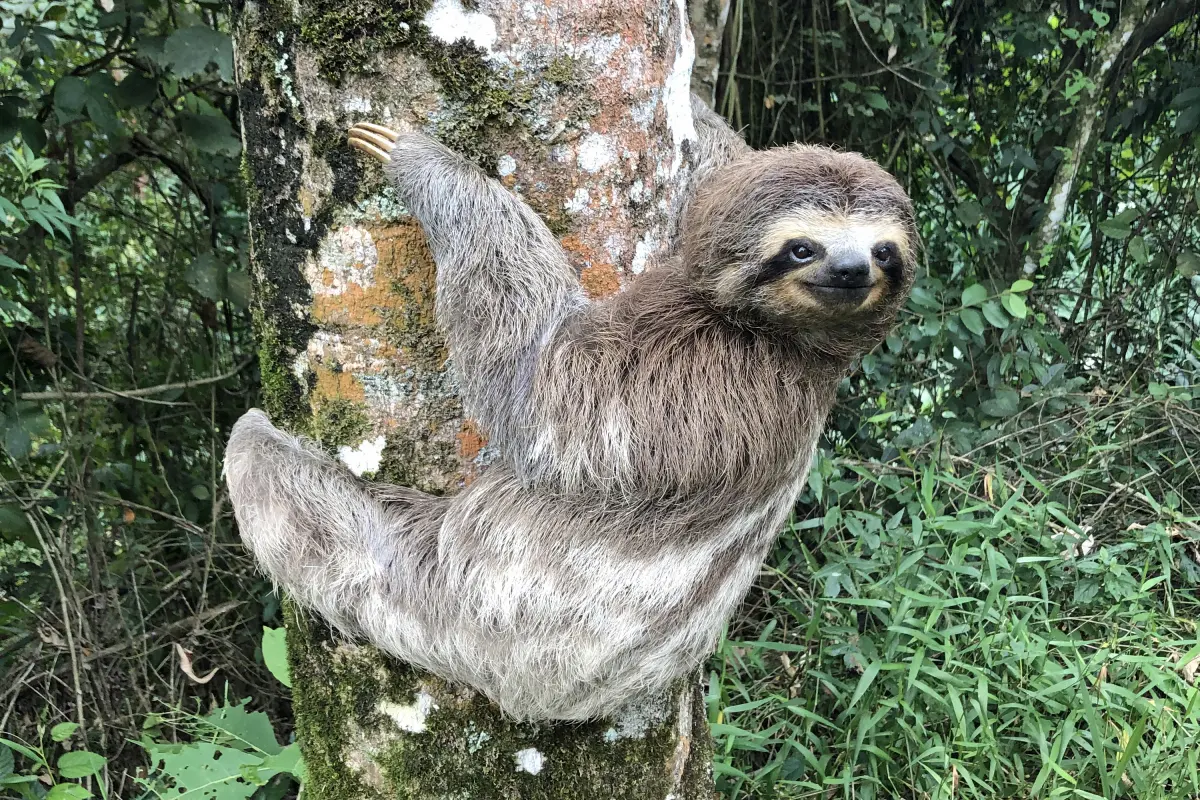
While sloths spend almost their entire lives in the trees, they do descend to the forest floor for one specific and dangerous reason: to defecate. This behavior is one of the greatest mysteries in biology, as it exposes them to predators like jaguars, ocelots, and snakes. They typically descend once a week to dig a small hole at the base of a tree, deposit their waste, and then slowly climb back up to the safety of the canopy.
Researchers believe this ritual may be linked to their complex relationship with moths that live in their fur. By defecating on the ground, the sloth provides a habitat for these moths to lay their eggs. In return, the moths help keep the sloth's fur healthy by recycling nutrients. This behavior highlights the intricate ecological connections within the rainforest, proving that even the most peculiar habits serve a purpose in the survival of the species.
Common mistakes when looking for sloths
One of the most frequent errors observers make is expecting sloths to be active or fast-moving. Many tourists assume they will see sloths climbing or interacting, but in reality, these animals sleep for 15 to 20 hours a day. Expecting high-energy behavior often leads to disappointment; instead, appreciate the stillness as a sophisticated survival strategy. Another mistake is attempting to get too close or making loud noises, which can cause the sloth to become stressed or flee into deeper, inaccessible parts of the forest.
Avoid these common pitfalls to ensure an ethical and successful experience:
- Do not use flash photography, as it can startle the animal and disrupt their sensitive eyes.
- Never attempt to touch or feed a wild sloth, as this can transmit diseases and alter their natural behaviors.
- Do not assume that a sloth on the ground is injured; observe from a distance before concluding it needs human intervention.
- Avoid tracking sloths during heavy rainstorms, as they will likely be curled into tight, even less visible balls to stay dry.
Key facts
- Sloths are native to the tropical rainforests of Central and South America.
- They inhabit the canopy layer of the forest, rarely descending to the ground.
- Two-toed sloths are primarily nocturnal, while three-toed sloths are active during the day.
- These animals require high-humidity environments and dense vegetation to survive.
- A common mistake is assuming sloths can survive in temperate climates; they are strictly tropical mammals.
- If visiting their habitat, maintain a distance of at least 15 feet to avoid stressing the animals.
The bottom line
Sloths are specialized mammals restricted to the tropical rainforests of Central and South America. They thrive high in the canopy, where their slow metabolism and unique physiology allow them to survive on a leaf-based diet. Because they are perfectly adapted to this specific environment, they cannot survive in captivity or colder climates. Protecting these dense, humid forest habitats remains the most vital step in ensuring their future.
People also ask
Can sloths swim?
Yes, sloths are surprisingly capable swimmers and can move three times faster in water than on land. They use their long arms to perform a dog-paddle stroke to cross rivers.
Why do sloths move so slowly?
Their slow metabolism is an evolutionary adaptation to a diet of low-energy leaves. By moving minimally, they conserve the limited calories they obtain from their food.
Do sloths live in groups?
Sloths are solitary animals that prefer to live alone in their own home ranges. They only come together briefly for mating purposes.
How long do sloths stay in the trees?
Sloths spend almost their entire lives in the canopy, including sleeping, eating, and giving birth. They only descend to the forest floor about once a week to defecate.
Are sloths endangered?
Some species, such as the pygmy three-toed sloth, are critically endangered due to habitat loss. Protecting the rainforest canopy is essential for their continued survival.
Can you keep a sloth as a pet?
It is highly discouraged and often illegal to keep sloths as pets. They have complex dietary and environmental needs that are impossible to replicate in a domestic home.
This answer was created with the help of AI research tools and reference sources. Spotted an error? Let us know — we correct mistakes quickly. See our editorial policy.