Where do kangaroos live?
Short answer
Kangaroos live exclusively in Australia, Tasmania, and New Guinea. While they are most famous for inhabiting the vast Australian outback, these marsupials occupy diverse environments ranging from arid deserts and open grasslands to lush tropical rainforests and mountainous regions, depending on the specific species and their unique ecological adaptations.
On this page
Where do kangaroos live in the wild?
Kangaroos are endemic to the Australian continent and surrounding islands. The four most common species—the red kangaroo, eastern grey kangaroo, western grey kangaroo, and common wallaroo—are distributed across almost every part of Australia. They have evolved to thrive in environments that would be inhospitable to many other mammals, including the scorching deserts of the interior and the dense, humid forests of the coastal fringes.
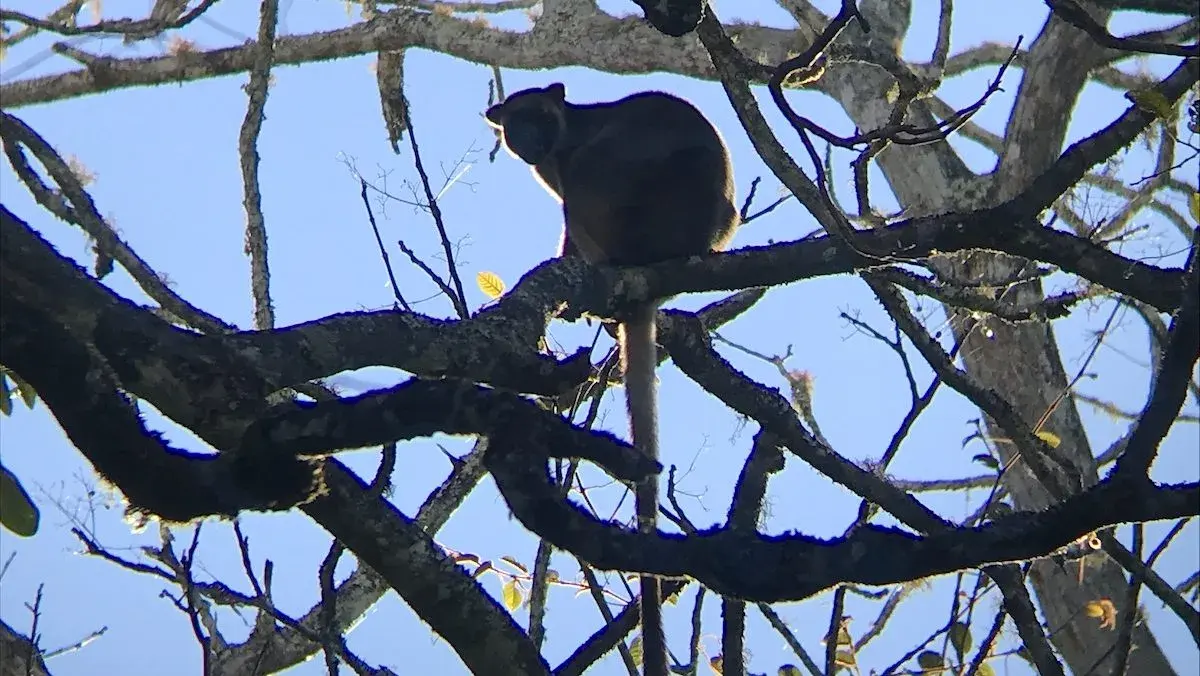
Beyond the mainland, kangaroos are found on the island state of Tasmania and throughout the island of New Guinea. In New Guinea, the tree-kangaroo species have adapted to life in high-altitude rainforests, moving through the canopy with specialized limbs. While human development has altered some of their traditional ranges, these animals remain widespread across the continent. Their ability to survive in both extreme heat and temperate climates has allowed them to maintain stable populations in the wild.
How to spot kangaroos in their natural habitat
If you are traveling to Australia to view kangaroos, timing and location are critical factors. Kangaroos are crepuscular, meaning they are most active during the dawn and dusk hours when temperatures are cooler. During the heat of the day, they typically retreat to the shade of trees or scrubland to conserve energy and avoid dehydration. You are unlikely to see them moving across open plains at high noon.
When searching for them, focus on areas where open grazing land meets thick vegetation. This transition zone provides both food and protection. To increase your chances of a successful sighting, follow these steps:
- Visit national parks or nature reserves during the early morning or late afternoon.
- Look for movement near water sources, as kangaroos gather there to drink.
- Keep a respectful distance, as wild kangaroos can be unpredictable if they feel threatened.
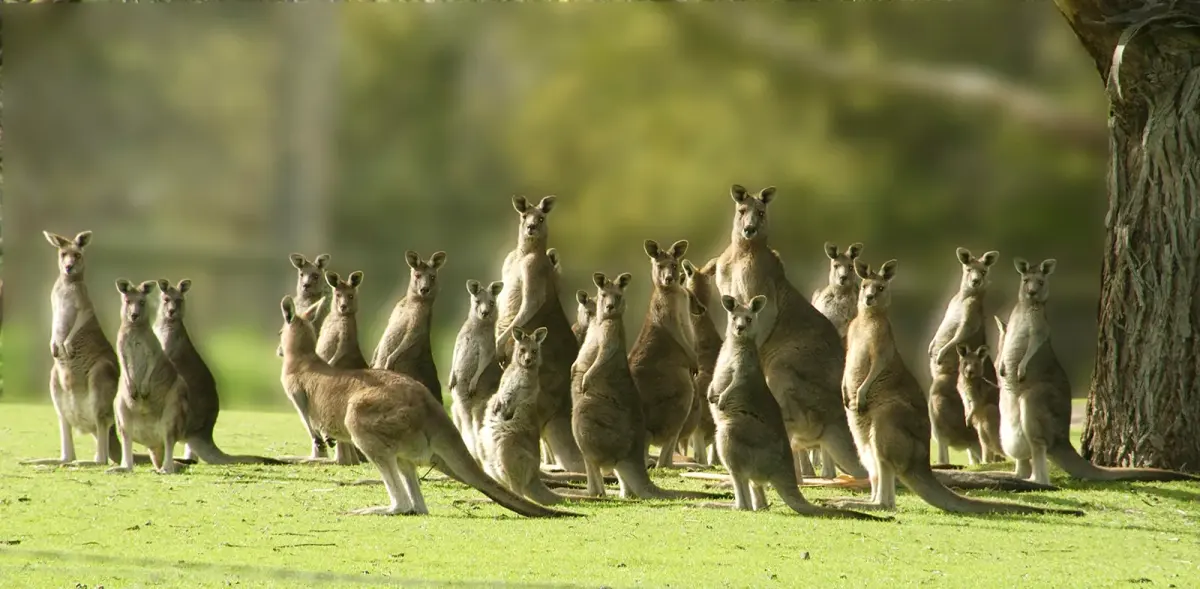
- Scan the horizon in grassy paddocks where groups, known as mobs, often feed together.
Which environments do kangaroos prefer?
Different species of kangaroos have developed specific preferences for their living conditions. The red kangaroo, the largest of the species, prefers the arid, flat plains and deserts of central Australia. Their bodies are built for endurance in high temperatures, allowing them to travel vast distances in search of sparse vegetation. In contrast, grey kangaroos favor the more temperate, wetter regions along the eastern and southern coasts.
These environments offer a variety of grasses and shrubs that serve as the primary diet for these herbivores. The diversity of the Australian landscape ensures that different species do not always compete for the same resources. For instance, the wallaroo is specifically adapted to rocky, mountainous terrain, utilizing its strong, stocky build to navigate rugged slopes. This specialization allows kangaroos to occupy almost every ecological niche available on the continent, ensuring their survival across varied climates.
Common mistakes when looking for kangaroos
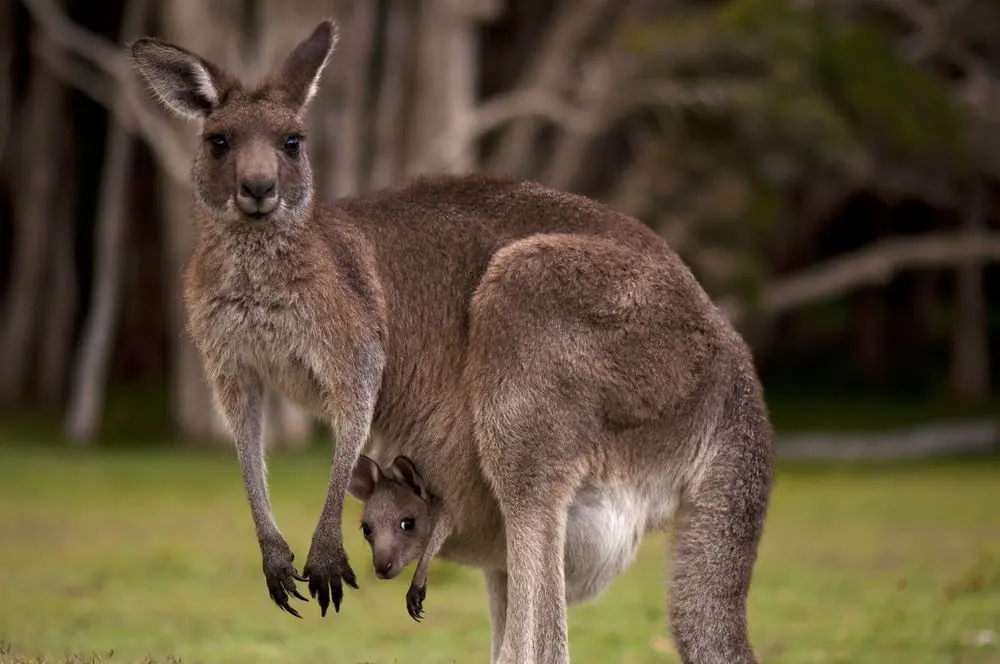
Many visitors make the mistake of assuming kangaroos are easily found in urban city centers. While some golf courses and outer suburban parks may host small groups, you are far more likely to see them in rural or protected areas. Expecting to see them in the middle of a bustling city is a common error that leads to disappointment. Always plan to travel to the outskirts or designated wildlife areas.
Another frequent mistake is approaching kangaroos too quickly or making loud noises. These animals are naturally skittish and possess a highly developed sense of hearing and smell. If you move toward them abruptly, they will likely flee before you can get a clear look. To avoid scaring them away, follow these guidelines:
- Approach slowly and walk in a zig-zag pattern rather than directly toward them.
- Keep your voice low and avoid sudden movements that might trigger a flight response.
- Use binoculars to observe them from a distance, which is safer for both you and the animal.
- Never attempt to feed wild kangaroos, as this alters their natural behavior and can be dangerous.
Why do kangaroos move between territories?
Kangaroos are nomadic by nature, constantly moving to follow the availability of food and water. In the arid interior of Australia, rainfall is unpredictable and localized. When a specific area experiences a drought, the vegetation dries up, forcing the local mob to migrate to greener pastures. This movement is essential for their long-term survival, as they rely heavily on fresh, succulent grasses to maintain their hydration levels.
Seasonal changes also dictate their movement patterns. During the winter months, some species may move to lower elevations to avoid harsh winds or frost. Conversely, in the summer, they seek out higher altitudes or dense forests that provide natural insulation against the sun. This instinctive migration ensures that they always remain within reach of necessary resources. By constantly shifting their range, kangaroos effectively manage the limited resources of the Australian landscape, demonstrating a sophisticated level of adaptation to one of the world's most challenging environments.
Key facts
- Kangaroos are endemic to Australia and surrounding islands, meaning they are found nowhere else in the wild.
- The Red Kangaroo, the largest species, prefers the arid, open plains and grasslands of the Australian interior.
- Eastern Grey Kangaroos inhabit the more fertile, forested regions along the eastern coast of the continent.
- Tree-kangaroos have evolved to live in the tropical rainforest canopies of Queensland and New Guinea.
- Kangaroos do not live in dense urban centers, though they are frequently spotted in suburban outskirts near bushland.
- If you encounter a wild kangaroo, maintain a distance of at least 10 meters to avoid startling the animal.
The bottom line
Kangaroos are exclusively native to Australia and its neighboring islands, occupying diverse environments ranging from arid deserts and open grasslands to dense tropical rainforests. While they are highly adaptable, they primarily thrive in rural and bushland areas rather than urban centers. Understanding their specific habitat needs is essential for conservation, as protecting these varied ecosystems ensures that these iconic marsupials continue to flourish across the continent.
People also ask
Can kangaroos live in zoos outside of Australia?
Yes, kangaroos are commonly kept in zoos and wildlife parks worldwide. These facilities must provide climate-controlled environments and specialized diets to mimic their natural Australian habitats.
Do kangaroos live in the desert?
Many kangaroo species, particularly the Red Kangaroo, are well-adapted to desert conditions. They can survive for long periods without standing water by obtaining moisture from vegetation and roots.
Are kangaroos found in New Zealand?
Kangaroos are not native to New Zealand. While some small populations of wallabies were introduced there, there are no wild kangaroo populations in the country.
Do kangaroos live in groups?
Kangaroos are social animals that live in groups called mobs, troops, or herds. These groups typically consist of a dominant male, several females, and their offspring.
Can kangaroos survive in snowy environments?
Some species, such as the Eastern Grey Kangaroo, live in the Australian Alps where snow occurs seasonally. They have thick fur that provides insulation against cold temperatures during winter months.
Do kangaroos live in trees?
Most kangaroo species are terrestrial, but tree-kangaroos are a notable exception. These specialized marsupials have strong forelimbs and padded feet designed for climbing and living in high forest canopies.
This answer was created with the help of AI research tools and reference sources. Spotted an error? Let us know — we correct mistakes quickly. See our editorial policy.