What is a baby horse called?
Short answer
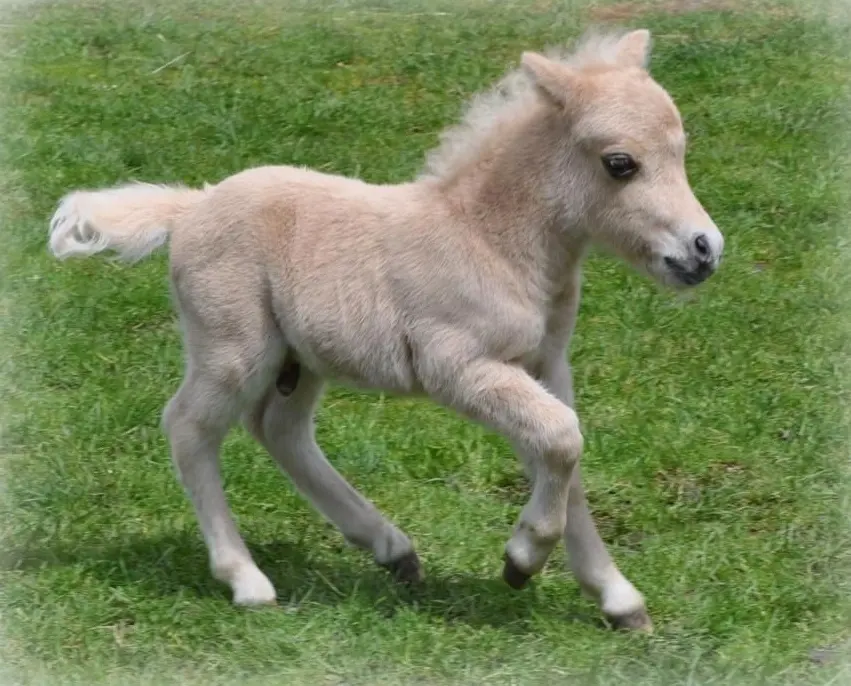
A baby horse is called a foal. This term applies to both male and female horses from birth until they are weaned from their mother, typically around four to six months of age. Once a foal is weaned, it is referred to as a weanling until it reaches its first birthday.
On this page
What is the difference between a foal, colt, and filly?
While "foal" is the general term for a baby horse, breeders use more specific labels to identify the animal's sex and age. A colt is a young male horse that has not yet reached maturity, typically under the age of four. A filly is a young female horse, also under the age of four. These terms help owners and veterinarians track the development and reproductive status of the animal.
Once a horse reaches the age of four, the terminology changes again. A mature male is called a stallion if he is intact, or a gelding if he has been castrated. A mature female is called a mare. Understanding these distinctions is essential for proper record-keeping, as nutritional requirements and training expectations often differ based on the age and sex of the horse.
How do you care for a newborn foal?
The first few hours after birth are critical for a foal's survival. A healthy newborn should stand within one to two hours and begin nursing shortly thereafter. If a foal fails to stand or nurse within this timeframe, it requires immediate veterinary intervention. Owners must ensure the foal receives colostrum, the mare's first milk, which provides essential antibodies to protect the young horse from infections.
Daily care for a foal involves monitoring its physical health and ensuring it remains hydrated. Owners should watch for signs of distress, such as lethargy, failure to pass meconium, or persistent straining. Providing a safe, clean environment is also vital to prevent umbilical infections.
- Ensure the foal stands and nurses within two hours of birth.
- Monitor the umbilical cord for signs of swelling or discharge.
- Schedule a veterinary examination within the first 24 hours.
- Keep the stall bedding clean and dry to reduce bacterial exposure.

When should a foal be weaned?
Weaning is the process of transitioning a foal from its mother's milk to a diet of solid food, such as hay and grain. This typically occurs between four and six months of age, depending on the foal's health and the mare's condition. Abrupt weaning can cause significant stress, so many experts recommend a gradual approach to help the foal adjust to life without its mother.
There are several methods for weaning that prioritize the animal's psychological well-being. Some owners use a "fence-line" method, where the foal and mare are separated by a sturdy fence but can still see and smell each other. This reduces anxiety while allowing the foal to become independent. Regardless of the method, the foal should have access to high-quality forage and fresh water throughout the process.
- Gradual weaning reduces the risk of weight loss and digestive upset.
- Provide a companion animal, such as a calm older horse, to offer comfort.
- Ensure the foal is eating solid food consistently before full separation.
- Maintain a consistent routine to minimize environmental stressors during this transition.

Why do foals grow so quickly?
Foals experience a period of rapid growth during their first year of life. By the time they reach their first birthday, they have often achieved nearly 60 to 70 percent of their adult height. This accelerated development is a survival trait, as wild horses needed to be physically capable of keeping up with the herd to avoid predators. Because of this, proper nutrition is paramount during the first twelve months.
A balanced diet for a growing foal must include adequate protein, calcium, and phosphorus to support bone development. Overfeeding, however, can lead to developmental orthopedic diseases, such as epiphysitis or osteochondritis dissecans. Owners should work closely with an equine nutritionist to ensure the foal receives the right balance of nutrients. Regular weigh-ins and height measurements help track growth and ensure the foal is developing at a healthy, steady rate.
Common mistakes when raising a foal
One of the most frequent errors is failing to socialize the foal properly. A young horse that is not handled regularly may become difficult to manage as it grows larger and stronger. Owners should introduce basic handling, such as wearing a halter and leading, in a calm, patient manner. Avoid using force or intimidation, as this can create long-term behavioral issues and fear-based responses.
Another common mistake is neglecting the foal's hoof care. Even young horses require regular visits from a farrier to ensure their hooves are growing correctly and to address any potential limb deformities early. Ignoring these issues can lead to permanent structural problems that affect the horse for its entire life. By focusing on consistent socialization and preventative health care, owners set their foals up for a successful and healthy future.
Key facts
- A baby horse of either sex is called a foal from birth until it is weaned from its mother.
- Once a foal is weaned, usually between four and six months of age, it is referred to as a weanling.
- A young horse between the ages of one and two years is known as a yearling.
- A male foal is specifically called a colt, while a female foal is called a filly.
- Newborn foals typically stand on their own within one to two hours after birth.
- Avoid handling a newborn foal excessively during the first few days to allow for essential bonding with the mare.
The bottom line
Understanding the terminology for young horses is essential for any equine enthusiast. While all young horses are foals at birth, they transition through specific stages—weanling and yearling—as they mature. Recognizing these distinctions based on age and gender, such as identifying a colt or a filly, helps owners provide appropriate care and training throughout the horse's development from a fragile newborn into a healthy, capable adult animal.
People also ask
How long does a mare carry her foal before birth?
A mare’s gestation period typically lasts about 11 to 12 months, or roughly 340 days. This duration can vary based on the breed and individual health of the horse.
At what age is a horse considered an adult
A horse is generally considered an adult when it reaches four or five years of age. By this time, most horses have finished their physical growth and skeletal development.
What is a maiden mare?
A maiden mare is a female horse that has never been bred or given birth to a foal. Breeders often monitor these mares more closely during their first pregnancy.
When should a foal start eating solid food?
Foals begin to nibble on grass or hay within a few weeks of birth while still nursing. By the time they are weaned, they should be fully accustomed to consuming solid forage and grain.
How much does a newborn foal weigh?
A newborn foal usually weighs approximately 10 percent of the mare's body weight. For an average-sized horse, this typically ranges between 80 and 120 pounds.
What is a gelding?
A gelding is a male horse that has been castrated. This procedure is commonly performed to make the animal more manageable and less aggressive for riding or work.
This answer was created with the help of AI research tools and reference sources. Spotted an error? Let us know — we correct mistakes quickly. See our editorial policy.