Where do hedgehogs live?
Short answer
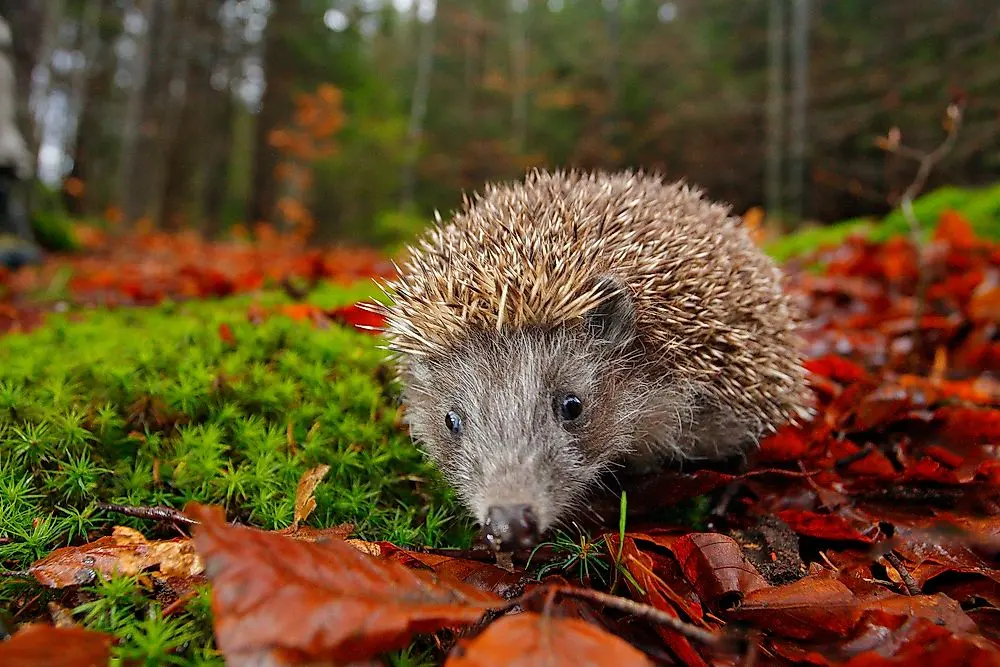
Hedgehogs live across diverse environments in Europe, Asia, and Africa, having been introduced to New Zealand as well. They occupy habitats ranging from woodlands and grasslands to suburban gardens and deserts. These nocturnal mammals prefer areas with dense ground cover, such as hedgerows, thickets, and piles of leaves, for nesting and protection.
On this page
Where do hedgehogs live in the wild?
Wild hedgehogs are found throughout Europe, Asia, and Africa, occupying a wide variety of ecological niches. While they are absent from the Americas and Australia, they have successfully colonized New Zealand after being introduced in the 19th century. Their distribution depends heavily on the specific species, such as the European hedgehog (Erinaceus europaeus), which thrives in temperate climates, and the Desert hedgehog (Paraechinus aethiopicus), which is adapted to arid environments.
These animals are primarily terrestrial, meaning they spend their lives on the ground rather than in trees. They are highly adaptable and can be found in various landscapes, provided there is enough shelter and a consistent food supply. Their preferred habitats include:
- Deciduous woodlands with thick undergrowth.
- Agricultural land, particularly edges of fields and hedgerows.
- Grasslands and meadows that provide insects.
- Semi-arid regions and rocky outcrops for desert-dwelling species.
How do hedgehogs build their nests?
Hedgehogs are solitary creatures that spend most of their time foraging, but they require secure nesting sites to sleep during the day and hibernate during the winter. They construct nests, known as hibernacula when used for winter sleep, using a variety of natural materials. These nests are typically tucked away in sheltered spots to protect the animal from predators and extreme weather conditions.
To build a suitable nest, a hedgehog will gather materials such as dried leaves, grass, moss, and twigs. They arrange these materials into a dome-shaped structure that provides insulation and camouflage. Common locations for these nests include:
- Beneath dense bramble bushes or thick hedges.
- Inside hollow logs or abandoned burrows of other animals.
- Under piles of garden debris or compost heaps.
- In rock crevices or beneath dense shrubbery.

Why do hedgehogs live in suburban gardens?
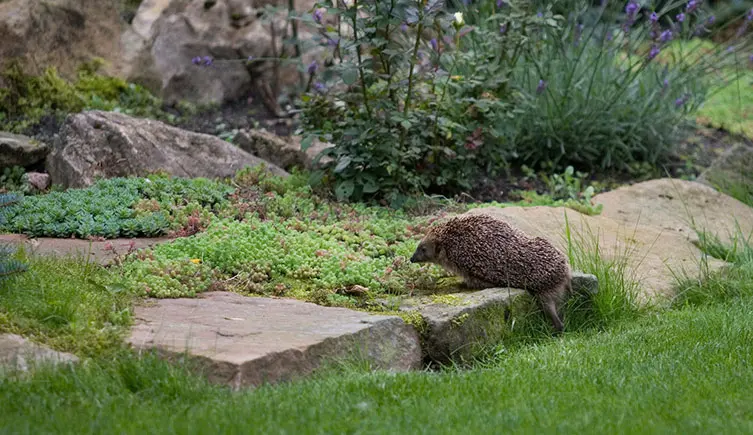
In recent decades, hedgehogs have increasingly moved into human-dominated landscapes, specifically suburban gardens. These areas often provide a "mosaic" habitat that mimics the forest edge, offering a mix of lawns for foraging and borders for nesting. Gardens are particularly attractive because they often contain fewer natural predators compared to open countryside and provide supplemental water or food sources left by residents.
However, urban living comes with significant risks that hedgehogs must navigate. Roads pose the greatest threat, as hedgehogs are frequently struck by vehicles while crossing streets at night. Additionally, modern fencing often creates barriers that prevent hedgehogs from roaming freely between gardens, which is essential for them to find enough food and potential mates. To support local populations, people often create "hedgehog highways"—small gaps at the base of fences—to allow these animals to move safely through neighborhoods.
Common mistakes when creating a hedgehog habitat
Many people attempt to make their gardens "hedgehog-friendly" but inadvertently create hazards. One of the most common mistakes is leaving deep, steep-sided ponds in the garden without an escape route. While hedgehogs can swim, they often struggle to climb out of smooth-sided plastic or concrete ponds, which can lead to drowning. It is essential to ensure that any water feature has a shallow, sloped edge or a ramp made of logs or stones.
Another frequent error involves the use of chemical pesticides and slug pellets. Because hedgehogs are insectivores, they consume large quantities of beetles, slugs, and caterpillars; if these prey items are poisoned, the hedgehog can suffer secondary poisoning. Furthermore, gardeners should avoid clearing away all "messy" areas during the autumn. Hedgehogs rely on piles of leaves and brush to build their winter nests, and cleaning these areas too thoroughly can leave them without a place to hibernate safely during the coldest months of the year.
Best practices for supporting local hedgehogs
If you want to encourage hedgehogs to live in your outdoor space, the most effective approach is to provide a combination of food, water, and safety. By mimicking their natural environment, you can turn your backyard into a sanctuary that supports their health and longevity. Consistency is key, especially during the autumn when hedgehogs are trying to gain enough weight to survive their winter hibernation.
Follow these steps to create a welcoming environment:
- Provide a shallow dish of fresh water, especially during dry summer months.
- Offer supplemental food such as high-quality meat-based cat or dog food, but avoid milk, which causes severe digestive issues.
- Build or purchase a dedicated wooden hedgehog house to provide a dry, predator-proof shelter.
- Keep a portion of your garden wild, allowing grass to grow long and leaving log piles to encourage natural insect populations.
- Check piles of garden waste carefully with a pitchfork before burning or moving them to ensure no hedgehogs are nesting inside.
Key facts
- Hedgehogs are native to Europe, Asia, and Africa, but they are not found in the Americas or Australia.
- They thrive in diverse habitats, including woodlands, meadows, hedgerows, parks, and suburban gardens.
- These animals are nocturnal, spending their days sleeping in nests made of leaves, grass, or hollow logs.
- To attract hedgehogs to your garden, provide a shallow bowl of water and avoid using chemical pesticides.
- Never feed hedgehogs milk, as it causes severe digestive issues; instead, offer meaty cat food or specialized hedgehog biscuits.
- Avoid placing garden netting low to the ground, as hedgehogs can easily become tangled and suffer fatal injuries.
The bottom line
Hedgehogs are adaptable creatures found across Europe, Asia, and Africa, preferring habitats that offer dense cover and abundant insect prey. Whether in rural woodlands or urban gardens, they rely on safe corridors to forage and hibernate. By providing clean water, avoiding harmful chemicals, and ensuring your garden is free of dangerous obstacles, you can help these beneficial, nocturnal mammals thrive in your local environment.
People also ask
Do hedgehogs hibernate?
European hedgehogs hibernate during the winter months when food supplies become scarce. They build insulated nests called hibernacula and lower their body temperature to survive until spring.
Can I keep a hedgehog as a pet?
While some species like the African pygmy hedgehog are kept as pets in certain regions, they require specialized care and enclosures. Many wild hedgehog species are protected by law and cannot be kept in captivity.
How large is a typical hedgehog territory?
A single hedgehog may travel up to two miles in a single night while foraging for food. They require interconnected green spaces to maintain a healthy range and find potential mates.
Why do hedgehogs curl into a ball?
This is a primary defense mechanism used to protect their soft underbelly from predators. Their sharp spines act as a deterrent, making it difficult for animals like badgers or foxes to attack them.
How can I tell if a hedgehog is sick?
A hedgehog seen out during the day, wobbling while walking, or lying on its side is likely in distress. Contact a local wildlife rescue center immediately if you encounter an animal displaying these symptoms.
Do hedgehogs carry diseases?
Like many wild animals, hedgehogs can carry parasites such as ticks, fleas, and ringworm. Always wear gloves when handling a sick or injured hedgehog to prevent the transmission of these organisms.
This answer was created with the help of AI research tools and reference sources. Spotted an error? Let us know — we correct mistakes quickly. See our editorial policy.