What is a group of wolves called?
Short answer
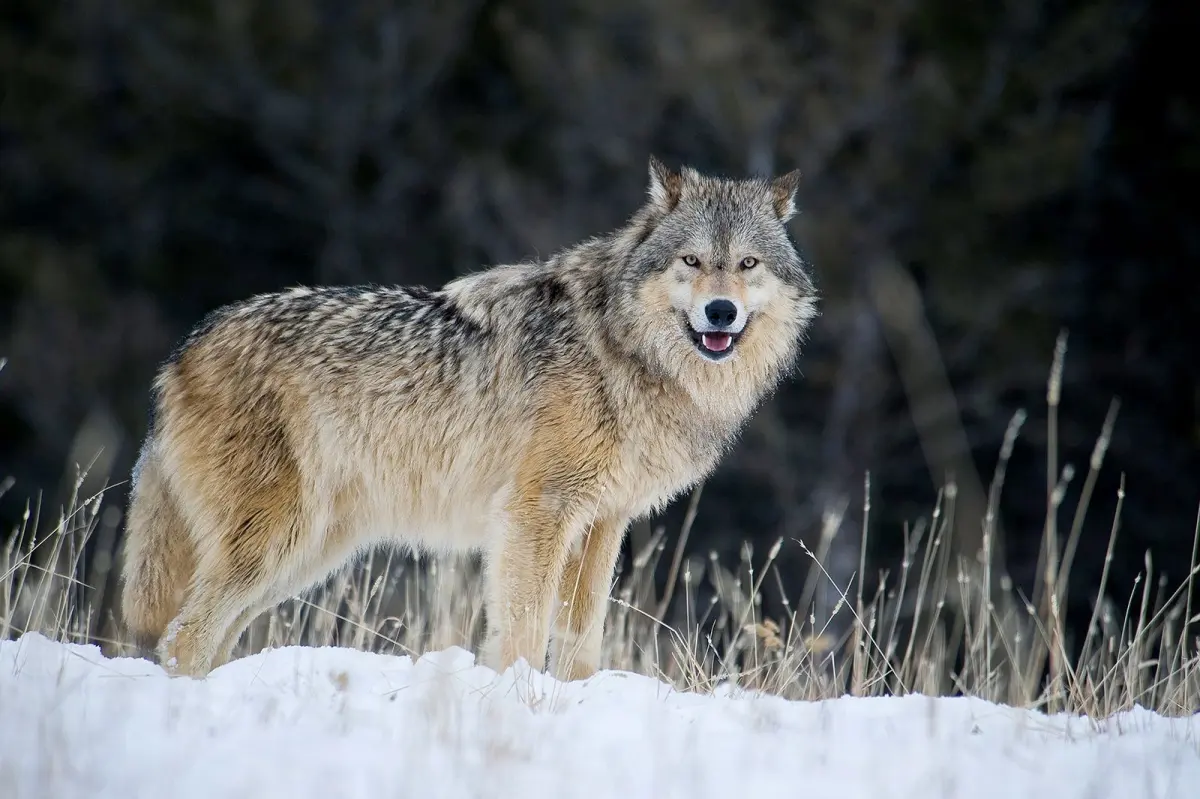
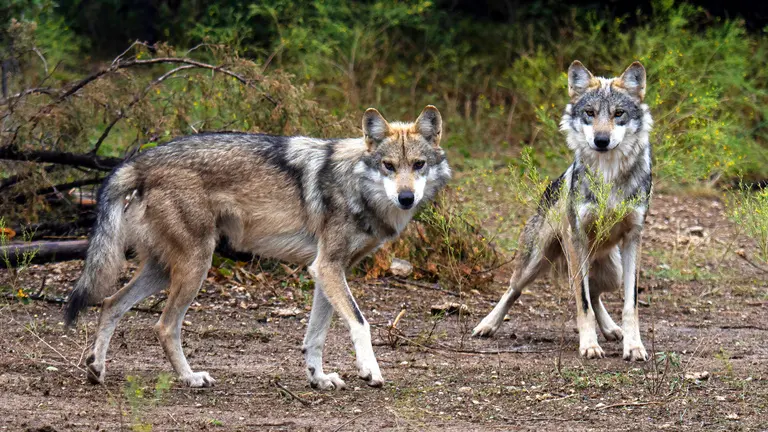
A group of wolves is called a pack. While this is the most common term, researchers occasionally refer to a small group as a family unit. These social structures are highly organized, typically consisting of a breeding pair and their offspring, functioning as a cohesive team for hunting and territory defense.
On this page
What defines a wolf pack structure
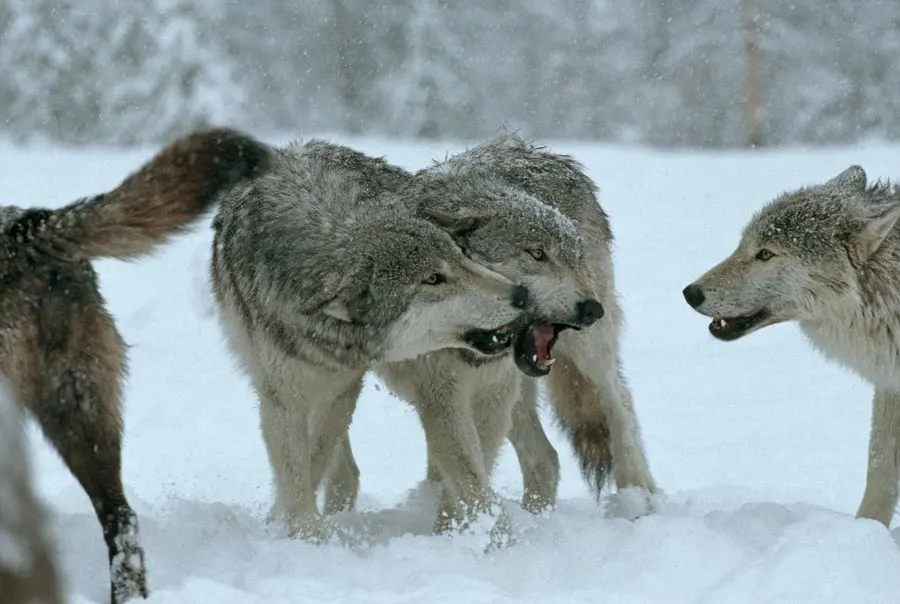
A wolf pack is primarily a family unit rather than a rigid hierarchy based on constant fighting for dominance. Most packs consist of a mated breeding pair—often called the alpha male and female—and their biological offspring from various years. This structure ensures that younger wolves learn survival skills, such as tracking prey and navigating terrain, from their parents and older siblings.
The size of a pack varies significantly depending on the availability of prey and the size of the territory. In areas with abundant large ungulates like elk or moose, packs may grow to include 10 to 15 members. Conversely, in regions where food is scarce, packs are often much smaller, sometimes consisting of only a pair and their most recent litter. This flexibility allows wolves to adapt their social organization to the environmental pressures of their specific habitat.
How do wolf packs hunt together
Wolves rely on their pack structure to take down prey much larger than themselves. Hunting is a coordinated effort that requires communication, endurance, and strategic positioning. By working as a unit, wolves can isolate weaker or younger animals from a herd, significantly increasing their chances of a successful kill while minimizing the risk of injury to individual pack members.
The hunting process generally follows a specific sequence of behaviors:
- Detection: The pack uses its keen sense of smell and hearing to locate prey from miles away.
- Stalking: Wolves approach the target silently, often using terrain to remain hidden until the last possible moment.
- The Rush: Once the prey is alerted, the pack initiates a high-speed chase to test the animal's stamina.
- The Kill: If the prey tires or falters, the pack closes in to secure the animal through coordinated bites.
Why do wolves howl in groups
Howling is a primary method of long-distance communication within and between wolf packs. Contrary to popular belief, wolves do not howl at the moon; they howl to signal their location to other pack members, warn rival packs to stay away from their territory, or strengthen social bonds. When a pack howls together, the varying pitches of the individual voices can make the group sound much larger than it actually is, which serves as a powerful deterrent to intruders.
Social cohesion is reinforced during these vocal sessions. Before a hunt, wolves often engage in group howling, which appears to synchronize the pack's energy and focus. This behavior is also observed when a pack is reuniting after being separated for a period. It acts as a rallying cry that helps maintain the integrity of the family unit, ensuring that all members remain connected despite the vast distances they may cover while patrolling their home range.
Common mistakes when identifying wolf behavior
Many people mistakenly apply the term "alpha" to describe a wolf that has gained its position through physical aggression. In the wild, status is usually inherited through birth order and age, not through constant combat. Assuming that the leader of a pack must be the most aggressive individual is a common misconception that stems from observations of captive wolves kept in artificial, high-stress environments.
Another frequent error is assuming that all wolves in a pack are related. While most are, packs occasionally accept "dispersing" wolves from other groups. These newcomers may join a pack to fill a vacancy or to find a mate, eventually integrating into the family unit. Understanding these nuances is essential for anyone interested in wildlife biology, as it highlights the complexity of wolf social dynamics beyond simple, rigid labels.
How to observe wolves safely in the wild
Observing wolves in their natural environment requires patience, preparation, and a deep respect for their space. Because wolves are naturally wary of humans, they will typically avoid contact whenever possible. If you are planning an excursion to wolf country, follow these steps to ensure both your safety and the well-being of the animals:
- Research the area: Identify regions with active wolf populations and check local regulations regarding wildlife viewing.
- Use proper equipment: Bring high-quality binoculars or a spotting scope to observe from a significant distance without disturbing the pack.
- Maintain silence: Keep noise to a minimum to avoid alerting the animals to your presence.
- Keep your distance: Never attempt to approach, feed, or call out to a wolf, as this can cause stress and alter their natural behaviors.
By following these guidelines, you can gain a deeper appreciation for the intricate social lives of these apex predators while ensuring that your presence does not interfere with their survival. Always remember that the goal of observation is to witness their natural behavior without leaving a trace of your own footprint.
Key facts
- A group of wolves is most commonly referred to as a pack.
- Packs typically consist of 5 to 12 wolves, though they can range from 2 to over 30 members.
- The social hierarchy is usually based on a family unit, often led by a breeding pair known as the alpha male and female.
- Wolves use howls to communicate with their pack, mark territory, and coordinate movements during hunts.
- Packs maintain large territories that can span anywhere from 50 to 1,000 square miles depending on prey availability.
- A common mistake is assuming pack members fight for dominance; research shows most packs are stable family groups led by parents.
The bottom line
A wolf pack is a sophisticated family unit that functions as a cooperative team for hunting and territory defense. Rather than a group of unrelated animals competing for rank, these packs are typically led by a breeding pair and their offspring. Understanding this social structure is essential for appreciating how these apex predators survive and thrive in diverse ecosystems across the Northern Hemisphere.
People also ask
Do wolves always stay in the same pack for their entire lives?
No, young wolves often leave their natal pack once they reach sexual maturity, usually between one and three years of age. They disperse to find mates and establish their own territories or join new packs.
How do wolves within a pack communicate with each other?
Wolves use a complex system of body language, scent marking, and vocalizations. Howling serves to assemble the pack, warn rivals, or maintain contact across long distances.
What happens if a wolf is separated from its pack?
A lone wolf is highly vulnerable and faces significant challenges in hunting large prey and defending territory. These individuals often travel long distances to find a mate or a new pack to join.
Are wolves aggressive toward members of other packs?
Yes, wolves are highly territorial and will defend their home range against intruders. Conflicts between neighboring packs can be lethal and are a primary cause of natural mortality in wolf populations.
How does a pack decide when to hunt?
Hunting is a cooperative effort that requires coordination and communication. The pack tracks prey by scent and sight, often using strategic maneuvers to isolate weaker or younger individuals from a herd.
Is the term "alpha" still used by scientists to describe pack leaders?
Modern biologists often prefer the term "breeding pair" over "alpha." This reflects the understanding that the pack structure is fundamentally a family unit rather than a competitive hierarchy based on physical combat.
This answer was created with the help of AI research tools and reference sources. Spotted an error? Let us know — we correct mistakes quickly. See our editorial policy.