What do hamsters eat?
Short answer
Hamsters are omnivores that thrive on a balanced diet of high-quality commercial pellets, fresh vegetables, and occasional protein sources. A proper diet consists of a base of fortified lab blocks or seed mixes supplemented with small portions of leafy greens, seeds, and insects to ensure they receive essential vitamins and minerals.

On this page
What is the best diet for hamsters?
The foundation of a healthy hamster diet should be a high-quality commercial pellet or lab block. These products are specifically formulated to provide a balanced ratio of protein, fiber, and fats, preventing the animal from selectively eating only their favorite seeds. While seed mixes are popular, they often lead to nutritional imbalances because hamsters will prioritize fatty sunflower seeds over healthier components. To maintain optimal health, ensure that the primary food source contains at least 15 to 18 percent protein and 4 to 7 percent fat.
Beyond the base diet, variety is essential for enrichment and nutritional completeness. You should supplement their daily pellets with small amounts of fresh produce and occasional protein treats. Always introduce new foods slowly to avoid digestive upset, particularly diarrhea. A consistent feeding schedule helps regulate their metabolism, as hamsters are crepuscular creatures that are most active during the twilight hours. Providing a stable, nutrient-dense diet prevents common issues like obesity and dental problems, which are frequently observed in captive hamsters.
Which fresh vegetables are safe for hamsters?
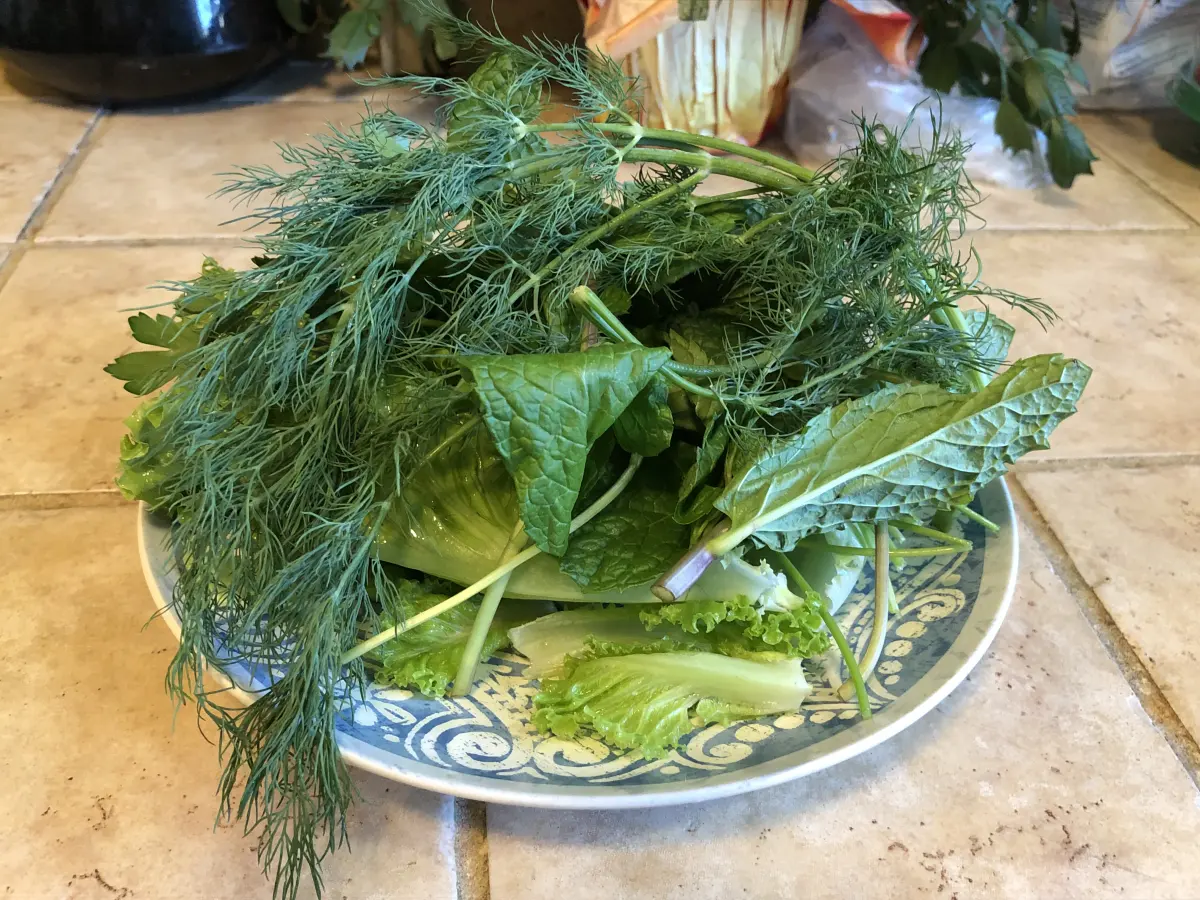
Fresh vegetables provide vital hydration and micronutrients that dry food lacks. When offering produce, always wash it thoroughly to remove pesticides and cut it into small, manageable pieces. It is crucial to remove any uneaten fresh food from the cage within 24 hours to prevent spoilage and bacterial growth. Focus on offering a variety of textures and flavors to keep your pet engaged.
The following vegetables are generally safe and healthy for hamsters:
- Broccoli (in small florets)
- Carrots (in moderation due to sugar content)
- Cucumber (excellent for hydration)
- Kale or spinach (in small quantities)
- Bell peppers (remove seeds first)
Avoid feeding your hamster onions, garlic, chives, or leeks, as these contain compounds that can damage a hamster's red blood cells. Additionally, never feed them potato skins or raw beans, which can be toxic. Always monitor your pet’s stool after introducing a new vegetable; if they develop loose droppings, discontinue that specific treat immediately.

How to provide protein for hamsters?
While hamsters are primarily herbivores, they are opportunistic omnivores in the wild, often consuming insects and larvae. In captivity, providing a small amount of animal protein once or twice a week supports their muscle health and overall vitality. This mimics their natural foraging behavior and provides essential amino acids that plant-based diets may lack. Protein sources should always be plain, unseasoned, and fully cooked to avoid the risk of foodborne illness.
Recommended protein sources include:
- Hard-boiled eggs (a small slice is sufficient)
- Plain, cooked chicken (no salt or spices)
- Mealworms (live or dried, available at pet stores)
- Plain, unsweetened yogurt (a very small drop)
- Crickets (ensure they are from a reputable pet supply source)
Never offer raw meat or dairy products with high fat content, as these can lead to severe gastrointestinal distress. If you choose to provide insects, ensure they are specifically raised for pet consumption to avoid parasites or chemical contamination from wild-caught insects.

Common mistakes when feeding hamsters
One of the most frequent errors owners make is overfeeding or providing too many high-sugar treats. Hamsters have sensitive digestive systems and are prone to diabetes, particularly dwarf breeds like Campbell's or Winter White hamsters. Treats such as fruit should be limited to tiny pieces once or twice a week to manage sugar intake. Another common mistake is failing to provide enough hard items for chewing; hamsters have teeth that grow continuously, and they require hard textures to wear them down naturally.
Avoid these common pitfalls to ensure your pet's longevity:
- Feeding human "junk food" like chips, chocolate, or processed sweets.
- Leaving old, damp food in the cage, which encourages mold.
- Providing citrus fruits, which are too acidic for their delicate stomachs.
- Forgetting to provide a constant supply of fresh, clean water.
- Giving nuts or seeds that are salted or roasted in oil.
How to store and serve hamster food properly
Proper storage is essential to maintain the nutritional integrity of your hamster’s food. Dry pellets and seed mixes should be kept in an airtight container in a cool, dark, and dry area to prevent oxidation and the growth of pests. If food is exposed to moisture, it can quickly develop mold, which is highly toxic to small rodents. Always check the expiration date on commercial bags and discard any food that smells stale or shows signs of infestation.
When serving, use a shallow, heavy ceramic bowl that cannot be easily tipped over. Hamsters are natural hoarders and will often stuff their cheek pouches to carry food to their burrows. This is normal behavior, so do not be alarmed if the food bowl appears empty shortly after feeding. Instead of constantly refilling the bowl, check their nesting area occasionally to ensure they are not hoarding large amounts of perishable fresh food that could rot. By managing their storage and feeding habits, you create a safe environment for your pet.
Key facts
- Hamsters are omnivores and require a balanced diet of high-quality commercial pellets, fresh vegetables, and occasional protein.
- A healthy hamster diet should consist of approximately 16–20% protein and 5% fat to maintain proper metabolism.
- Always provide constant access to fresh, clean water via a drip-style bottle or a shallow, tip-proof ceramic bowl.
- Avoid feeding citrus fruits, onions, garlic, raw potatoes, or chocolate, as these are toxic to hamsters.
- Limit high-sugar treats like grapes or dried fruit to once or twice a week to prevent diabetes and obesity.
- Hamsters have ever-growing incisors, so providing safe wooden chews or hard treats is essential for dental health.
The bottom line
Providing a nutritious diet for your hamster involves a consistent base of commercial pellets supplemented with fresh vegetables and occasional protein. By avoiding toxic human foods and monitoring portion sizes, you prevent common health issues like obesity and dental decay. Always prioritize fresh water and safe chewing materials to ensure your pet remains healthy, active, and satisfied throughout its lifespan in your care.
People also ask
How much food should I give my hamster daily?
Most adult hamsters require about one to two tablespoons of high-quality lab blocks or seed mix per day. Monitor their food hoarding habits, as they often stow extra food in their bedding to eat later.
Can hamsters eat human food scraps?
You can offer small pieces of plain, cooked chicken or boiled egg as a protein treat. Never feed them seasoned, fried, or processed human foods, as these contain harmful levels of salt and preservatives.
Why is my hamster stuffing food into its cheeks?
Hamsters possess specialized cheek pouches used to transport food to their nesting areas for safekeeping. This is a natural survival instinct and does not mean they are necessarily hungry or overeating.
Is it safe to feed my hamster wild-caught insects?
Avoid insects found outside, as they may carry pesticides or parasites that can make your pet sick. If you want to provide live prey, purchase mealworms or crickets from a reputable pet supply store.
Should I provide a salt lick for my hamster?
Salt licks are generally unnecessary and can lead to excessive sodium intake, which puts stress on a hamster's kidneys. A balanced commercial diet already contains the minerals a healthy hamster needs.
How can I tell if my hamster is overweight?
Gently feel your hamster’s sides; you should be able to feel the ribs without pressing hard. If you notice a heavy, rounded shape or difficulty moving, consult a veterinarian to adjust their portion sizes.
This answer was created with the help of AI research tools and reference sources. Spotted an error? Let us know — we correct mistakes quickly. See our editorial policy.