What do capybaras eat?
Short answer
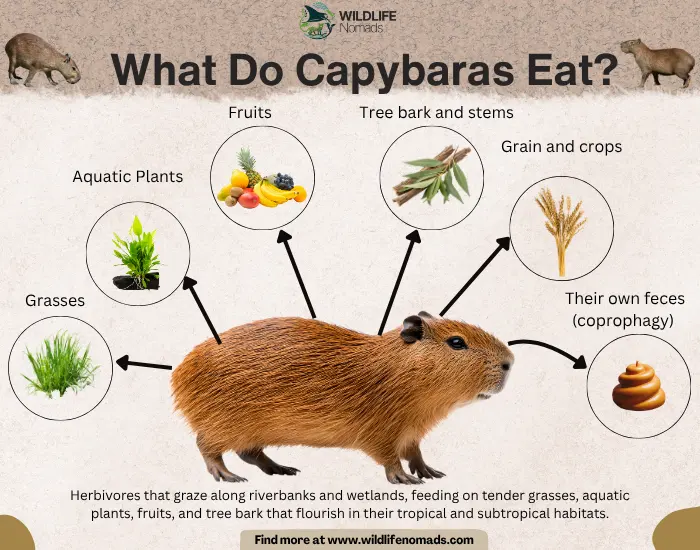
Capybaras are strict herbivores that primarily consume grasses and aquatic plants. As semi-aquatic rodents, they spend significant time grazing in wetlands, consuming between six and eight pounds of vegetation daily. Their specialized digestive system allows them to process tough, fibrous plant material, which they supplement by practicing coprophagy to maximize nutrient absorption.
On this page
What do capybaras eat in the wild?
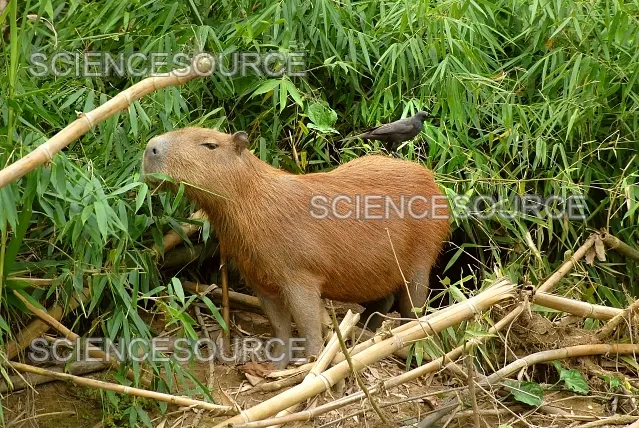
In their natural South American habitats, capybaras function as grazers that rely heavily on the availability of lush, green vegetation. Their diet consists almost exclusively of grasses, which grow abundantly along the riverbanks and marshes they frequent. During the wet season, they have access to a wide variety of succulent grasses, but they must adapt their feeding habits when the dry season reduces the availability of these primary food sources.
When fresh grass is scarce, capybaras shift their focus to other accessible plant matter to survive. They are known to consume the following items:
- Aquatic plants found in rivers and ponds.
- The bark of certain trees, which provides essential roughage.
- Various types of reeds and sedges that grow in shallow water.
- Fruit and tubers if they are available in their immediate vicinity.
This dietary flexibility is crucial for their survival in environments where seasonal changes drastically alter the landscape. By consuming a broad range of plant species, they ensure they receive the necessary minerals and moisture required to maintain their large body mass.
How does the capybara digestive system work?
The capybara possesses a highly specialized digestive tract designed to break down the high-cellulose content of their fibrous diet. Because grass is difficult to digest, they utilize a process called hindgut fermentation. Within their large cecum, a specialized pouch in the digestive tract, microorganisms break down plant fibers into usable energy. This process is essential for extracting nutrients from the tough, silica-rich grasses that make up the bulk of their intake.
To ensure they extract as much nutrition as possible, capybaras engage in cecotrophy, a form of coprophagy. They produce specific, nutrient-rich droppings called cecotropes, which they consume directly from the anus. This behavior allows them to:
- Pass food through the digestive system a second time.
- Absorb vitamins and proteins that were not fully processed during the first pass.
- Maintain a healthy population of gut bacteria.
Without this secondary digestion, the animal would struggle to meet its high metabolic requirements. It is a biological necessity that allows them to thrive on a diet that would be nutritionally insufficient for many other mammals.
Why do capybaras eat aquatic plants?
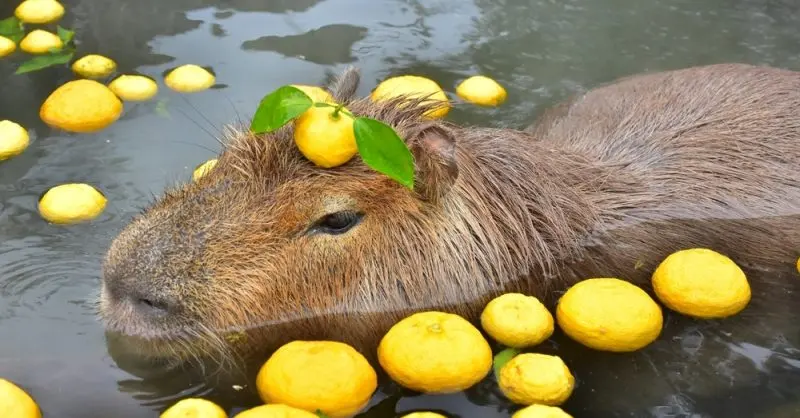
Water-based vegetation serves as a vital component of the capybara's diet, particularly during periods of intense heat. Aquatic plants are often more tender and easier to digest than the coarse, sun-dried grasses found on land. Furthermore, these plants are rich in water, helping the rodents maintain hydration while they spend long hours submerged in rivers or lakes to regulate their body temperature.
The consumption of aquatic flora also provides a safety advantage. By feeding on plants within the water, capybaras can remain partially submerged, allowing them to retreat quickly if a predator approaches. They are known to feed on:
- Water hyacinths, which are frequently found in their native wetlands.
- Various species of pondweed that grow in slow-moving water.
- Floating vegetation that collects near the riverbanks.
By integrating these plants into their daily intake, capybaras minimize the energy spent searching for food. They can graze while staying close to their preferred aquatic environment, which is essential for their protection and comfort.
Common mistakes when feeding captive capybaras
Caring for a capybara in captivity requires strict adherence to their natural dietary needs. A common mistake is providing a diet that is too high in sugar or starch, such as excessive fruit, bread, or commercial rodent pellets. These items can lead to obesity, dental issues, and severe digestive imbalances. Owners must prioritize high-fiber forage to keep the animal's gut flora healthy and functional.
Another frequent error is failing to provide enough grazing space or high-quality hay. Because they are designed to graze for many hours, a sedentary lifestyle combined with improper food leads to health complications. To maintain a healthy captive capybara, follow these guidelines:
- Provide unlimited access to high-quality Timothy hay or orchard grass.
- Offer fresh, leafy greens like romaine lettuce or kale in moderation.
- Ensure constant access to clean, fresh water for drinking and swimming.
- Avoid all toxic plants, such as azaleas or lilies, which can be fatal.
Consulting with an exotic animal veterinarian is essential to calibrate the diet based on the animal's age, weight, and activity level.
How much do capybaras eat daily?
The amount of food a capybara consumes depends heavily on its size, age, and the quality of the available vegetation. On average, an adult capybara will consume between six and eight pounds of fresh plant material every single day. Because they are social animals that live in groups, they often graze together, which can lead to significant localized impacts on the vegetation in their territory.
During the growth phase, younger capybaras may consume a higher percentage of their body weight to support rapid development. Their feeding schedule is typically most active during the early morning and late afternoon hours, allowing them to avoid the midday heat. By spreading their feeding over these periods, they maintain a steady intake of energy.
Ultimately, the capybara’s survival is dictated by its ability to locate enough forage to sustain its massive frame. As long as they have access to a consistent supply of grasses and water-based plants, they can effectively manage their metabolic needs throughout the year. Their evolutionary success is a direct result of this efficient relationship with their environment.
Key facts
- Capybaras are strict herbivores that consume between 6 and 8 pounds of grasses and aquatic plants daily.
- They possess specialized teeth that grow continuously throughout their lives to compensate for the wear caused by grinding tough vegetation.
- These rodents practice coprophagy, meaning they eat their own feces to extract maximum nutrients and beneficial bacteria from their food.
- During the dry season, they shift their diet to include reeds, grains, melons, and squashes when grasses become scarce.
- A common mistake is feeding them human snacks like bread or processed grains, which can cause severe digestive blockages and obesity.
- They require constant access to fresh water, as they prefer to eat while standing in or near shallow ponds and rivers.
The bottom line
Capybaras are specialized herbivores that rely on a steady intake of grasses and aquatic vegetation to maintain their health. By practicing coprophagy, they maximize nutrient absorption from their fibrous diet. To keep them healthy, prioritize fresh, natural forage and avoid processed human foods or lawn clippings. Providing consistent access to water is essential for their digestion, comfort, and overall well-being in any managed environment.
People also ask
Do capybaras eat meat?
No, capybaras are strictly herbivorous animals. Their digestive systems are evolved specifically to process high-fiber plant matter, and they lack the enzymes required to digest animal proteins.
Can capybaras eat fruit?
They can eat fruit in moderation, but it should not be a primary part of their diet. Excessive sugar consumption can lead to health issues like dental decay and metabolic imbalances.
How much water do capybaras need to drink?
While they get much of their hydration from the succulent plants they consume, they need access to clean water for drinking and thermoregulation. Dehydration is a significant risk if they are kept in environments without aquatic access.
Do capybaras eat toxic plants?
Capybaras are generally selective eaters, but they can accidentally ingest toxic vegetation if their habitat is degraded. Owners should ensure their enclosure is free of poisonous plants like oleander or certain nightshades.
Why do capybaras eat their own poop?
This behavior, known as cecotrophy, allows them to re-ingest partially digested food. This second pass through the digestive tract ensures they absorb essential vitamins and minerals that were missed the first time.
Can capybaras eat lawn clippings?
Lawn clippings are dangerous because they can ferment quickly and cause bloat. Furthermore, clippings may contain pesticides or herbicides that are toxic to these sensitive rodents.
This answer was created with the help of AI research tools and reference sources. Spotted an error? Let us know — we correct mistakes quickly. See our editorial policy.