Where do wasps live?
Short answer
Wasps inhabit nearly every terrestrial environment on Earth, excluding extreme polar regions. They build nests in diverse locations, including underground burrows, hollow trees, wall voids, and sheltered eaves of buildings. While some species are solitary and live in individual cells, social wasps construct complex communal paper nests for their colonies.
On this page
Where do wasps build their nests?
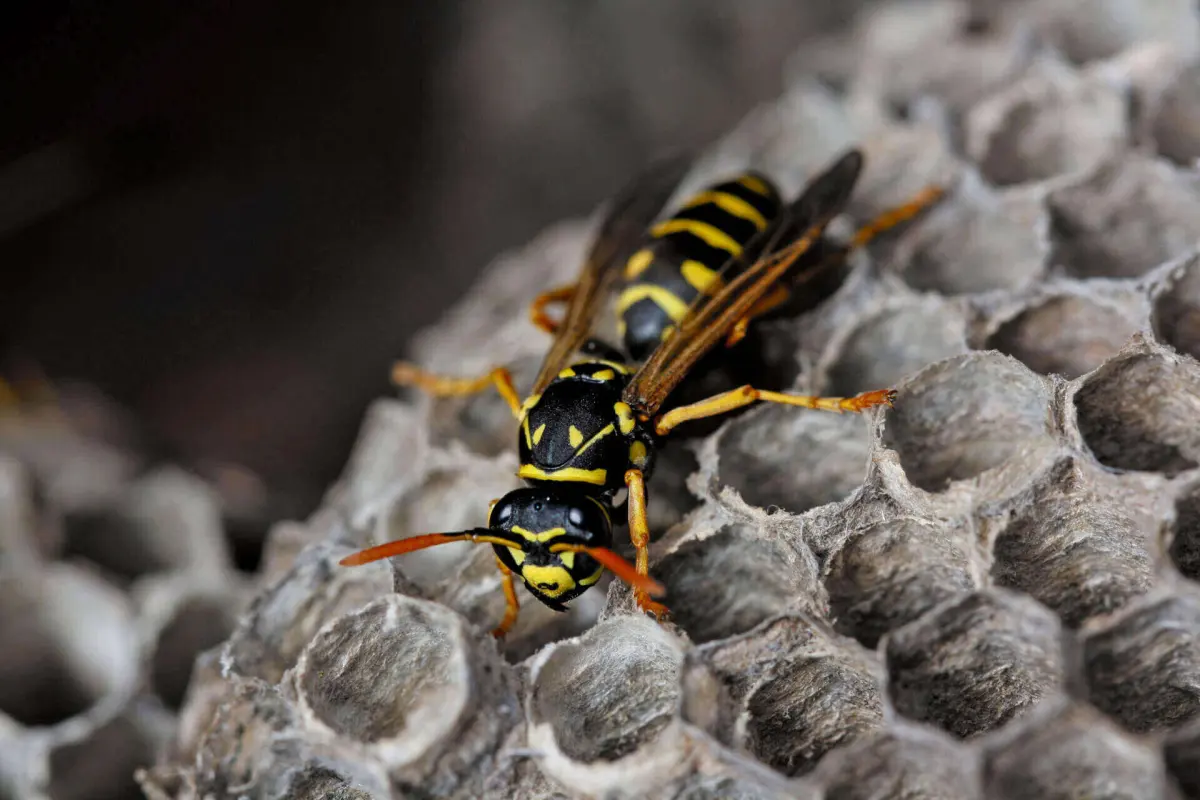
Wasps exhibit remarkable versatility when selecting nesting sites, adapting to both natural and human-made environments. Social wasps, such as yellowjackets and hornets, often construct nests in protected areas that offer stability and camouflage. Common natural sites include abandoned rodent burrows in the soil, dense shrubbery, hollow logs, and the high branches of trees. These locations provide necessary protection from predators and harsh weather conditions.
In urban and suburban settings, wasps frequently exploit structures created by humans. They often utilize the voids within exterior walls, attics, crawl spaces, and the undersides of roof eaves. Because these areas are typically dry and shielded from direct wind, they serve as ideal nurseries for developing larvae. Understanding these preferences helps property owners identify potential nesting sites before a colony becomes established.
- Underground: Yellowjackets frequently occupy abandoned rodent tunnels.
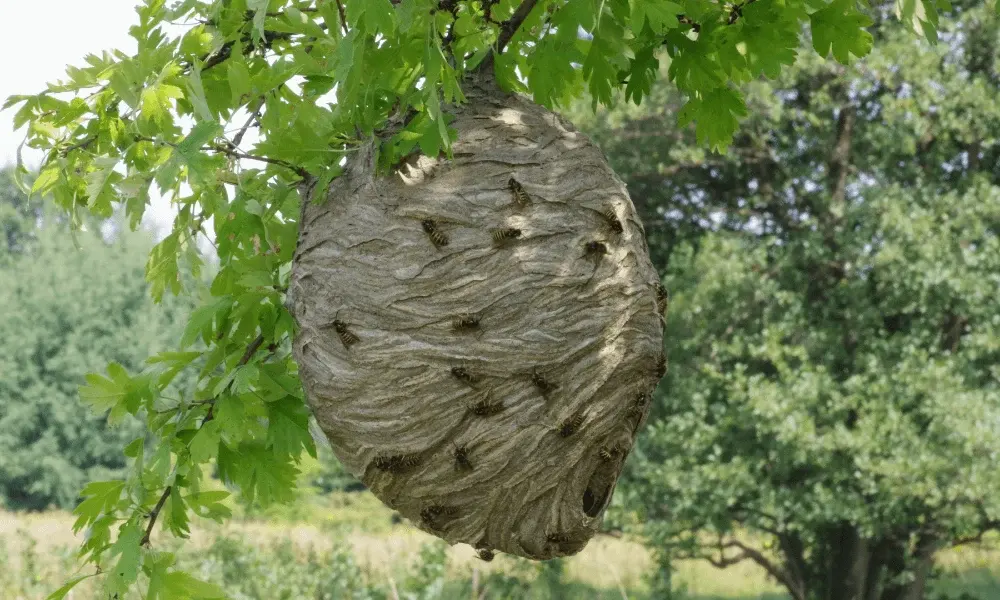
- Elevated: Hornets often build large, papery nests in tree canopies.
- Structural: Mud daubers prefer flat surfaces like porch ceilings or rafters.
- Hidden: Paper wasps often hide nests inside wall voids or vents.
How do solitary wasps live?
Unlike their social counterparts, solitary wasps do not live in large, cooperative colonies. Each female is responsible for her own reproduction and survival, typically building a small, individual nest to house her offspring. These nests are often constructed from mud, clay, or plant fibers and are placed in sheltered crevices, under rocks, or even inside hollow plant stems.
Because these wasps do not have a colony to defend, they are generally much less aggressive than social species. They spend their time hunting for prey, such as spiders or caterpillars, which they paralyze and store within their cells to serve as food for their developing larvae. Once the egg is laid and the food supply is secured, the female seals the cell and leaves, having no further interaction with her young.
- Locate a suitable site, such as a wall crack or mud bank.
- Construct individual cells using mud or chewed plant material.
- Hunt for specific prey to paralyze and provision the cell.
- Lay a single egg inside the cell.
- Seal the cell permanently to protect the larva.
Why do wasps choose specific locations?
Wasps select nesting sites based on three primary criteria: safety, proximity to food, and environmental stability. A successful nest must be shielded from heavy rain and direct sunlight, as extreme temperatures can kill developing larvae. Furthermore, the location must be close enough to a reliable food source—such as nectar, aphids, or other insects—to allow the workers to forage efficiently without expending excessive energy.
The architectural style of the nest often dictates the choice of location. Paper wasps, for instance, create open-comb nests that require a degree of overhead protection, leading them to favor porch ceilings or deck railings. Conversely, hornets build large, enclosed, football-shaped nests that are structurally sound enough to hang from tree branches. By choosing locations that match their specific biological needs, wasps ensure the highest possible survival rate for their colony.
Common mistakes when dealing with wasp nests
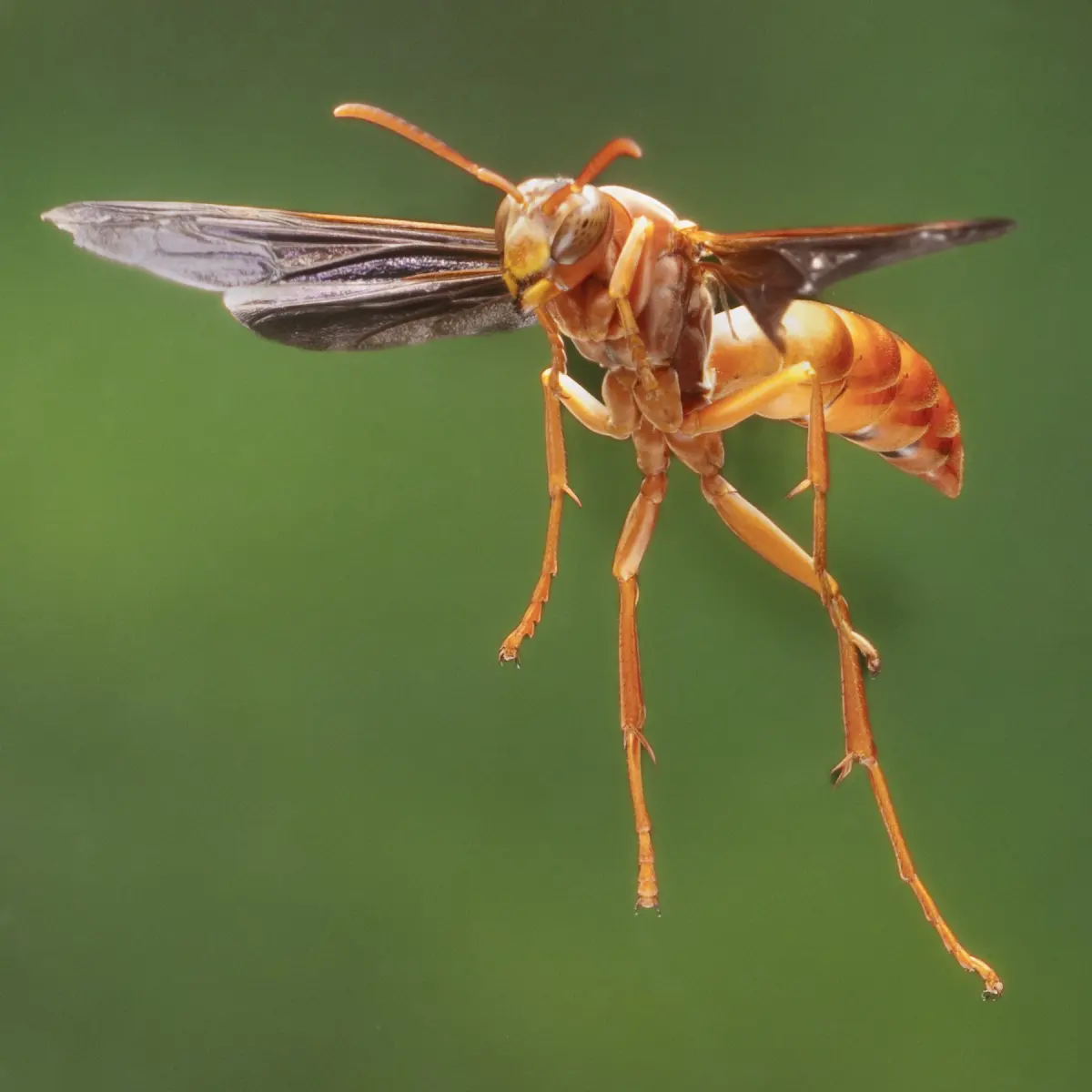
Many people make the mistake of attempting to remove a wasp nest without proper identification or protective equipment. A common error is assuming that all wasps are equally aggressive; however, disturbing a yellowjacket nest can trigger a defensive swarm, whereas a solitary mud dauber is unlikely to sting unless handled directly. Misidentifying the species often leads to unnecessary panic or, conversely, a dangerous lack of caution.
Another frequent mistake is using ineffective methods to "seal" a nest. For example, plugging the entrance of a nest located inside a wall void often forces the wasps to chew through drywall and enter the living space of the home. Similarly, spraying a nest with water or using household cleaners is rarely effective and only serves to agitate the colony. Always prioritize professional intervention if a nest is large or located in a difficult-to-reach area.
How to prevent wasps from nesting
Preventing wasp infestations is significantly easier than removing an established nest. The most effective strategy involves "exclusion," which means sealing potential entry points around your home. Inspect the exterior of your house for gaps in siding, holes in vents, or cracks near window frames. Using fine-mesh screens on vents and sealing cracks with silicone caulk can effectively deny wasps access to the internal structures of your building.
Additionally, maintain your yard to reduce the number of attractive nesting sites. Keep grass trimmed, clear away piles of debris or wood, and seal off abandoned rodent burrows in the ground. Because many wasps are attracted to the scent of food, keep garbage cans tightly sealed and minimize outdoor pet feeding. By making your property less hospitable, you encourage wasps to seek nesting locations elsewhere, keeping your living space safe and undisturbed throughout the active season.
Key facts
- Wasps build nests in varied locations, including underground burrows, hollow trees, wall voids, and sheltered eaves.
- Social wasps, such as yellowjackets and hornets, construct complex nests from a paper-like substance made of chewed wood fibers and saliva.
- Solitary wasps, like mud daubers, often build small, hardened mud tubes or cells in protected areas like sheds and garages.
- A single wasp colony can house anywhere from a few dozen to several thousand individuals depending on the species and time of year.
- To prevent infestations, seal cracks in exterior siding and screen attic vents to block potential nesting sites.
- Avoid swatting at wasps near a nest, as this releases alarm pheromones that signal other wasps to attack.
The bottom line
Wasps are highly adaptable insects that build diverse nests in both natural and man-made environments. While their presence near homes can be concerning, understanding their nesting habits helps in managing potential conflicts. By sealing entry points and respecting their role as natural pest controllers, you can coexist safely. Always prioritize safety by avoiding direct contact with large colonies and seeking professional help for complex removals.
People also ask
How can I tell if a wasp nest is active?
An active nest will show consistent flight activity of wasps entering and exiting the entrance hole throughout the day. If the nest appears dusty, crumbling, or shows no movement over several days, it is likely abandoned.
Should I remove a wasp nest myself?
You should only attempt removal if the nest is small, accessible, and you are not allergic to stings. For large nests or those located in difficult areas, it is safer to hire a professional pest control service.
Do wasps reuse their nests the following year?
Most social wasps, such as paper wasps and yellowjackets, do not reuse old nests. Each spring, a new queen starts a fresh colony, though she may choose a similar location nearby if it is favorable.
What time of day is best to treat a wasp nest?
Treatment is most effective at night or very early in the morning when the wasps are less active and all colony members are inside the nest. Use a red-filtered flashlight to avoid attracting them to your light source.
Are wasps beneficial to the environment?
Yes, many wasps are essential pollinators and natural pest controllers that prey on garden insects like caterpillars and aphids. They play a critical role in maintaining the balance of local ecosystems.
Why do wasps build nests near human homes?
Human structures provide excellent protection from weather, predators, and temperature fluctuations. Eaves, porch ceilings, and wall voids offer stable, dry environments that are ideal for raising brood.
This answer was created with the help of AI research tools and reference sources. Spotted an error? Let us know — we correct mistakes quickly. See our editorial policy.