How long do meerkats live?
Short answer
Meerkats typically live between 5 and 15 years. In the wild, their average lifespan is closer to 6 to 8 years due to heavy predation and environmental pressures. However, individuals kept in protected environments, such as zoos or wildlife sanctuaries, frequently reach 12 to 15 years of age with proper veterinary care.
On this page
How long do meerkats live in the wild?
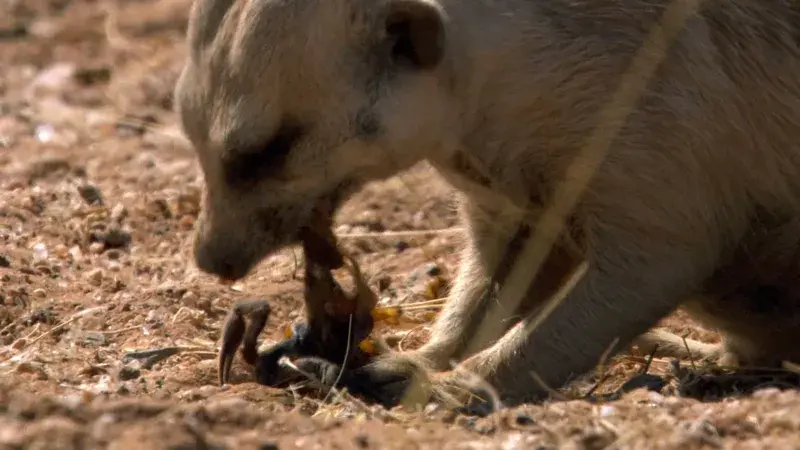
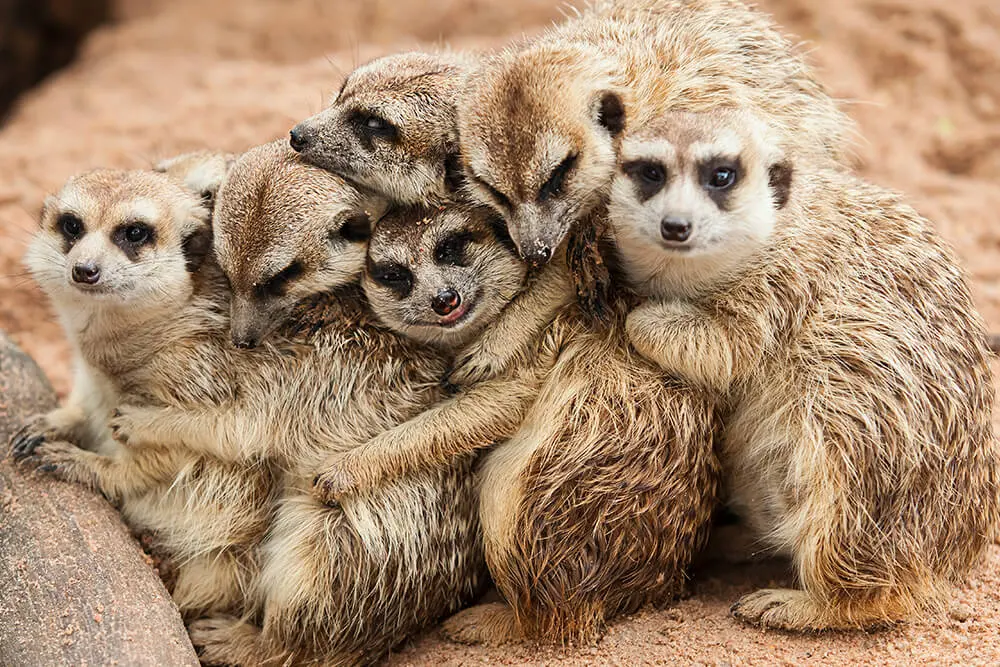
In their natural habitat across the Kalahari Desert and surrounding regions of southern Africa, meerkats face a precarious existence. While they are highly social and intelligent creatures, the harsh environment and constant threat of predators significantly shorten their lives. Most wild meerkats do not survive past their first year due to high infant mortality rates and attacks from eagles, jackals, and snakes. Those that survive to adulthood often live for about 6 to 8 years.
Survival for a wild meerkat depends heavily on the strength of its mob. Because they rely on communal vigilance to spot danger, smaller groups are at a much higher risk of predation. Factors that dictate their lifespan in the wild include:
- Availability of food sources like scorpions, insects, and small reptiles.
- The success of the dominant breeding pair in maintaining group stability.
- Exposure to extreme weather conditions, including droughts and flash floods.
- The presence of endemic diseases that can spread rapidly through a burrow system.
How long do meerkats live in captivity?
When meerkats are kept in controlled environments like zoos, their life expectancy increases dramatically. Without the constant threat of predators and with access to consistent, high-quality nutrition, these animals often live well into their teens. It is not uncommon for a well-cared-for meerkat in a professional facility to reach 12 to 15 years of age. Veterinary staff monitor these animals closely, providing preventative care that is impossible for wild populations to receive.
The environment in captivity is designed to mimic their natural social structure while removing the stressors that lead to premature death. By providing a balanced diet and enrichment activities, caretakers help prevent obesity and behavioral issues. Key elements that contribute to their longevity in captivity include:
- Regular health screenings and parasite control.
- Specialized diets that replicate the nutritional profile of their natural insectivorous intake.
- Climate-controlled enclosures that protect them from extreme temperature fluctuations.
- Enrichment programs that encourage natural foraging and digging behaviors.
Why do some meerkats live longer than others?
Genetics and social hierarchy play a significant role in determining how long an individual meerkat survives. In a meerkat mob, the dominant pair usually enjoys the best access to food and the safest sleeping positions within the burrow. This preferential treatment often results in the dominant members living longer than subordinate adults, who may be forced to forage in riskier areas or endure harsher conditions.
Beyond social status, individual health and temperament are vital factors. Meerkats that are more alert and better at communicating alarm calls to their group are less likely to be surprised by predators. Furthermore, those that avoid injury during territorial disputes with rival mobs have a better chance of reaching old age. The following factors often differentiate long-lived individuals from those that perish early:
- Strong social integration, which ensures the individual is never left alone during foraging.
- Efficient foraging skills, allowing the meerkat to maintain a healthy weight even during scarce seasons.
- Resilience against common pathogens found in the soil of their habitat.
- Successful participation in pup-sitting, which reinforces their status and safety within the mob.
Common mistakes when caring for meerkats
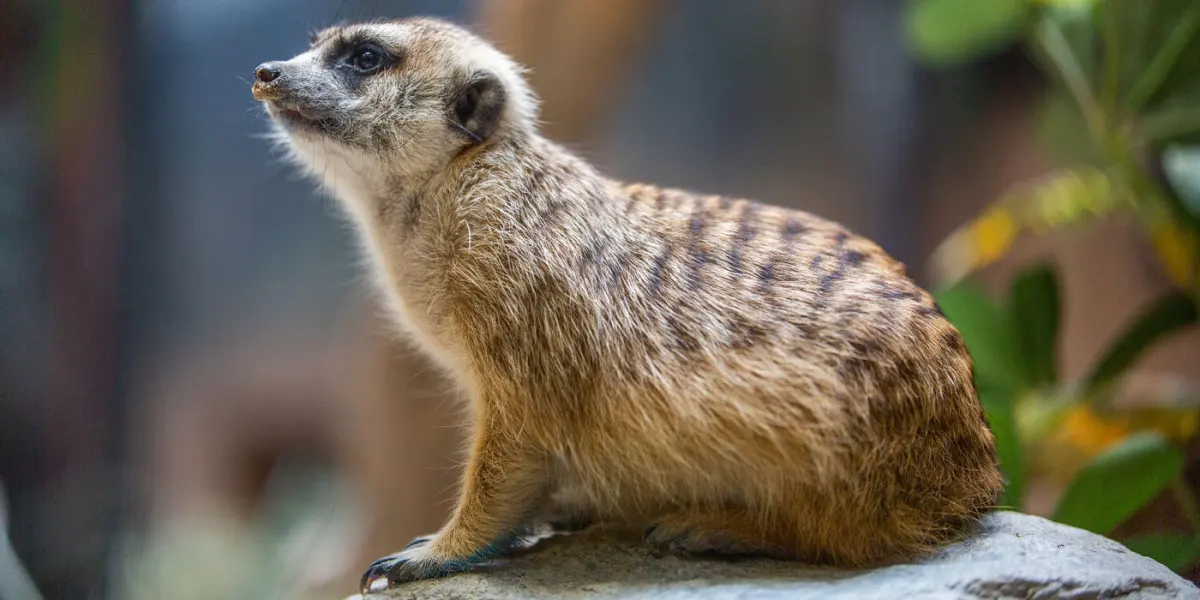
Keeping meerkats as private pets is a significant mistake that almost always leads to a shorter lifespan and poor quality of life. Meerkats are obligate social animals, meaning they suffer severe psychological distress if kept alone or in pairs. They require complex, large-scale enclosures that allow for deep digging and constant social interaction. Without these specific environmental requirements, captive meerkats often develop stress-related illnesses, self-mutilation behaviors, and weakened immune systems that lead to an early death.
Another critical error is providing an improper diet. Many owners attempt to feed them standard cat or dog food, which lacks the specific chitin and insect-based nutrients required for a meerkat’s digestive system. This can lead to metabolic bone disease and severe nutritional deficiencies. To avoid these issues, consider the following:
- Never attempt to house a meerkat in a standard domestic cage.
- Avoid feeding them processed human foods or high-sugar fruits.
- Ensure they have access to a veterinarian who specializes in exotic small mammals.
- Provide deep, sandy substrate to satisfy their innate need to dig tunnels.
How to support meerkat conservation efforts
Supporting the longevity of wild meerkat populations involves protecting the ecosystems they call home. Because they are highly sensitive to habitat degradation, conservation efforts focus on maintaining the health of the Kalahari landscape. By supporting organizations that work to prevent overgrazing and land fragmentation, you help ensure that these animals have the space and resources needed to thrive. Protecting their natural predators and prey is also essential for maintaining the delicate balance of their desert environment.
If you are interested in contributing to the welfare of meerkats, focus on supporting reputable wildlife sanctuaries and research organizations. These groups provide valuable data on population health and work to mitigate the impact of climate change on southern African wildlife. You can make a difference by:
- Donating to research projects that monitor wild meerkat mobs.
- Advocating for the protection of desert habitats from industrial development.
- Educating others on why meerkats are unsuitable as household pets.
- Visiting accredited zoos that prioritize animal welfare and conservation education.
Key facts
- Meerkats typically live between 12 and 14 years in captivity.
- In the wild, their average lifespan is significantly shorter, often ranging from 3 to 7 years.
- Predation by eagles, hawks, jackals, and snakes is the leading cause of early mortality.
- Social hierarchy and group protection are essential for survival, as solitary meerkats rarely survive long.
- Disease and starvation during periods of extreme drought are common natural threats to their longevity.
- Providing adequate shelter and a high-protein diet is critical for those managing meerkats in controlled environments.
The bottom line
The lifespan of a meerkat is heavily dictated by its environment. While wild meerkats face constant threats from predators and harsh weather, typically living under seven years, those in captivity benefit from safety and consistent nutrition. Ultimately, their survival depends on the strength of their social group, as these communal animals rely on collective vigilance and shared resources to navigate a dangerous natural world.
People also ask
Do male and female meerkats have different lifespans?
There is no significant difference in the average lifespan between males and females. However, dominant individuals often live longer because they have priority access to food and safer sleeping burrows.
What is the primary cause of death for wild meerkats?
Predation is the most frequent cause of death, as meerkats are small and vulnerable when foraging. Environmental factors like disease outbreaks and food scarcity also play major roles in population decline.
Can meerkats be kept as household pets to help them live longer?
Keeping meerkats as pets is generally discouraged and often illegal, as they are highly social animals that require complex burrowing environments. They are not domesticated and can become aggressive or suffer from severe stress in home settings.
How does group size affect a meerkat's survival?
Larger groups have more individuals available to act as sentinels, which increases the chance of spotting predators early. Smaller groups are much more vulnerable to attacks and often struggle to maintain their territory.
Do meerkats live longer in zoos than in the wild?
Yes, meerkats in zoos consistently live longer because they are protected from natural predators and receive consistent medical care. They also have a reliable food source, which eliminates the stress of daily foraging.
What is the oldest recorded age for a meerkat?
While rare, some meerkats in protected environments have been known to reach up to 15 or 16 years of age. These individuals are outliers, as most do not survive past their mid-teens due to age-related health decline.
This answer was created with the help of AI research tools and reference sources. Spotted an error? Let us know — we correct mistakes quickly. See our editorial policy.