What is Emily Carr University of Art and Design known for?
Short answer
Emily Carr University of Art and Design, located in Vancouver, British Columbia, is globally recognized as a premier institution for fine arts, media arts, and design. It is renowned for its interdisciplinary approach, state-of-the-art facilities, and a strong focus on professional practice, preparing students for careers in the creative and cultural industries.
On this page
What is Emily Carr University known for?
Emily Carr University of Art and Design (ECU) is widely regarded as Canada’s leading post-secondary institution for art and design. Established in 1925, the university has built a reputation for fostering creative innovation through a curriculum that bridges traditional studio practices with contemporary digital technologies. It is particularly known for its rigorous approach to undergraduate and graduate education, which emphasizes critical thinking, technical proficiency, and social responsibility.
The university’s influence extends well beyond the classroom, as it serves as a central hub for Vancouver’s vibrant creative sector. By maintaining strong ties with local industries, galleries, and community organizations, ECU ensures that its students are deeply integrated into the professional art world. Its alumni include many of Canada’s most celebrated painters, filmmakers, animators, and industrial designers, all of whom have contributed to the school’s enduring legacy of excellence in the visual arts.
How to apply to Emily Carr University
Applying to ECU is a competitive process that requires more than just academic grades. Prospective students must submit a comprehensive portfolio that demonstrates their creative potential, technical ability, and conceptual development. The admissions committee looks for evidence of a student's unique voice and their ability to experiment with different mediums.
To successfully navigate the application process, follow these essential steps:
- Review the specific portfolio requirements for your chosen program, such as Bachelor of Fine Arts or Bachelor of Design.
- Select 10 to 15 pieces of recent work that showcase your range, creative process, and ability to solve visual problems.
- Prepare a written statement that articulates your artistic interests, motivations, and goals for pursuing a degree at the university.
- Submit your official transcripts and English language proficiency scores if required by the admissions portal.
Applicants should ensure that their portfolio reflects a cohesive narrative of their artistic journey. It is crucial to include process work, such as sketches or journals, alongside finished pieces to provide the committee with insight into your creative thinking.
Why students choose the Great Northern Way campus
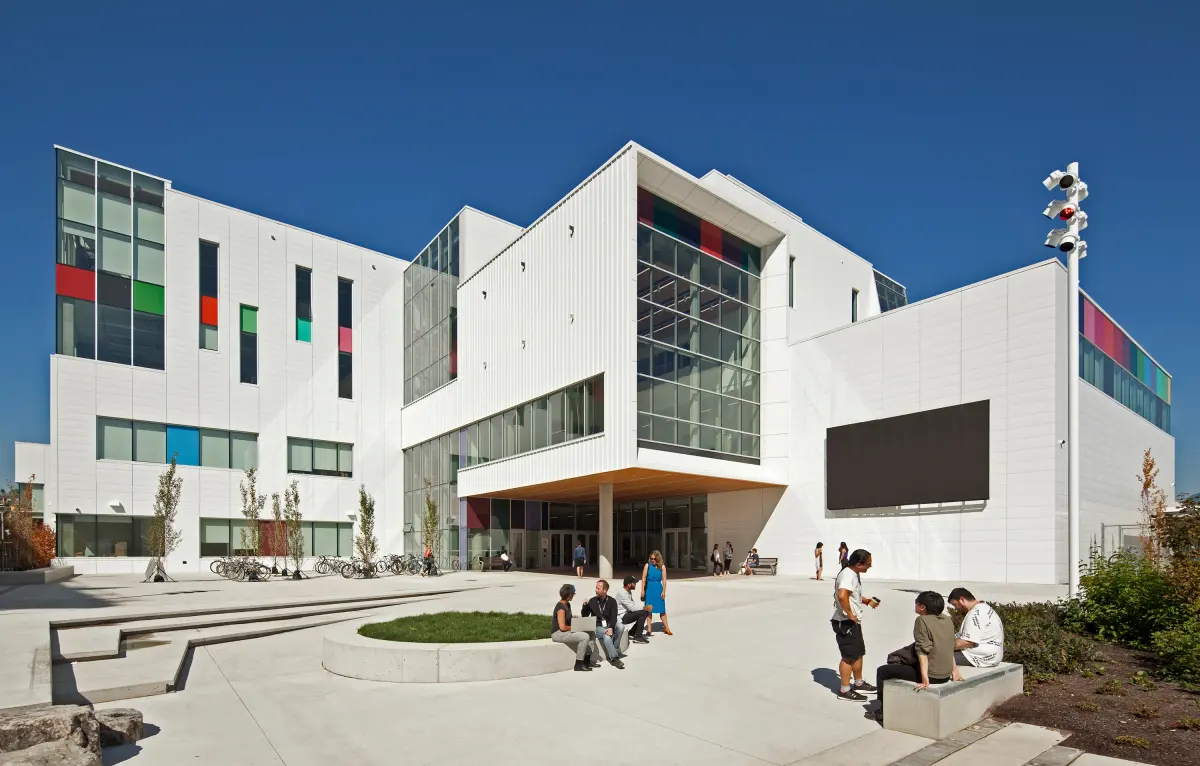
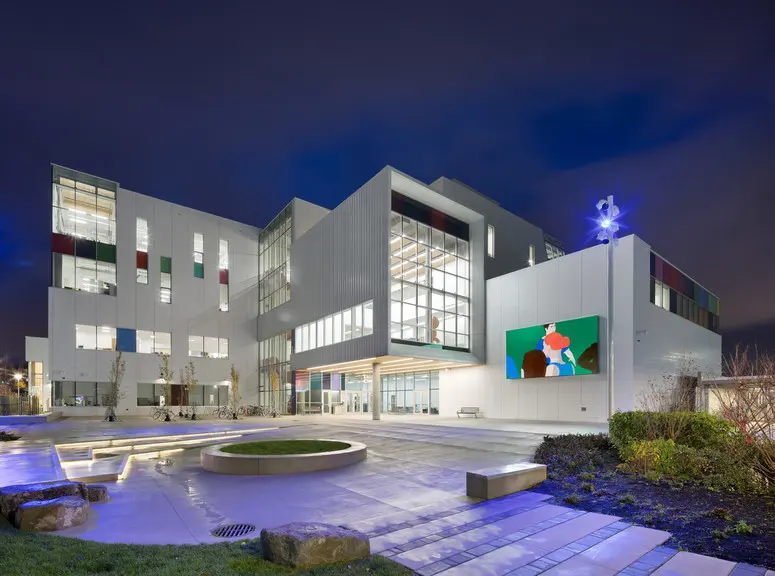
In 2017, the university moved to its current flagship campus on Great Northern Way in Vancouver. This facility was specifically designed to support interdisciplinary collaboration, featuring massive, open-concept studios that allow students from different disciplines to work side-by-side. The building itself is a testament to the university’s commitment to modern design, utilizing natural light and flexible spaces to inspire creativity.
The campus includes specialized labs that are rare in other academic settings, providing students with access to high-end equipment. These resources are essential for students who want to push the boundaries of their craft. Key facilities available to students include:
- Advanced digital fabrication labs with 3D printers and CNC routers.
- Specialized motion capture and sound recording studios for media artists.
- Industrial-grade printmaking and textile facilities.
- Dedicated gallery spaces for student exhibitions and public showcases.
These resources allow students to transition seamlessly from theoretical concepts to physical prototypes, ensuring they are prepared for the modern workforce.
Common mistakes when preparing a portfolio
One of the most frequent errors applicants make is focusing too heavily on technical perfection while neglecting conceptual depth. While technical skill is important, the admissions committee is primarily interested in how a student thinks and how they approach complex ideas. A portfolio that looks technically polished but lacks personal voice or intellectual curiosity often fails to stand out.
Another common mistake is failing to curate the portfolio according to the specific program guidelines. Students should avoid the following pitfalls:
- Including too many works that are all in the same medium, which limits the perception of your versatility.
- Failing to label or describe the context of the work, leaving the committee to guess at your intent.
- Including collaborative work without clearly defining your specific contribution to the project.
- Ignoring the university’s emphasis on contemporary issues, such as sustainability or social justice, which are central to the curriculum.
By avoiding these errors, applicants can create a submission that accurately reflects their potential as a creative practitioner.
What career paths are available for graduates
Graduates of Emily Carr University are highly sought after in diverse sectors, ranging from traditional fine arts to the tech-driven design industry. Because the curriculum emphasizes professional practice, students often graduate with a robust portfolio and a network of industry contacts. Many alumni pursue careers as independent artists, while others find roles in major corporations, design firms, and film studios.
The interdisciplinary nature of the degree allows graduates to be highly adaptable in a changing job market. Typical career paths for ECU alumni include:
- Interaction and User Experience (UX) designers for software and web development companies.
- Professional animators and visual effects artists for the thriving Vancouver film and television industry.
- Industrial designers focusing on sustainable product development and manufacturing.
- Curators, gallery directors, and arts administrators who manage cultural institutions.
- Freelance illustrators and graphic designers working across print and digital media platforms.
The university’s focus on entrepreneurship ensures that students are not only skilled creators but also capable of managing their own professional practices. This holistic approach to education prepares graduates to navigate the complexities of the modern creative economy with confidence and strategic vision.
Key facts
- Founded in 1925, the university is located in Vancouver, British Columbia, on the Great Northern Way campus.
- It is the only public university in British Columbia dedicated exclusively to arts, design, and media education.
- The institution offers undergraduate and graduate degrees, including Bachelor of Fine Arts, Bachelor of Design, and Master of Fine Arts.
- Students have access to specialized facilities like the Intersections Digital Studios, wood shops, metal labs, and printmaking studios.
- The university is named after Emily Carr, a renowned Canadian artist and writer known for her depictions of Indigenous cultures and Pacific Northwest landscapes.
- Prospective students must submit a portfolio demonstrating creative potential, technical skill, and conceptual thinking to be considered for admission.
The bottom line
Emily Carr University of Art and Design stands as a premier destination for students seeking a rigorous, professional education in the creative arts. By combining technical mastery with critical theory and industry-standard facilities, the school prepares graduates for diverse careers in design, media, and fine arts. Its reputation for fostering innovation makes it a vital hub for the cultural and creative economy in Canada.
People also ask
Is Emily Carr University a private or public institution?
It is a public research university funded by the government of British Columbia. This status ensures that it meets provincial academic standards and receives public support for its facilities and programs.
What are the most popular majors at the university?
Popular programs include Communication Design, Industrial Design, Illustration, and Visual Arts. These degrees focus on blending traditional artistic techniques with modern digital and manufacturing technologies.
How competitive is the admission process?
Admission is highly competitive because the university prioritizes portfolio quality over high school grades alone. Applicants should focus on creating a diverse body of work that shows their personal voice and creative process.
Does the university offer career support for graduates?
Yes, the Career Development + Work Integrated Learning office provides students with internship opportunities, job boards, and professional workshops. These services help students transition from academic projects to professional creative industries.
Can international students apply to Emily Carr?
International students are welcome and make up a significant portion of the student body. They must meet specific English language proficiency requirements and obtain a valid study permit to attend.
What should I avoid when preparing my portfolio?
Avoid submitting generic work or pieces that look like they were copied from online tutorials. Admissions officers look for original ideas, risk-taking, and a clear understanding of why you want to pursue art at a university level.
This answer was created with the help of AI research tools and reference sources. Spotted an error? Let us know — we correct mistakes quickly. See our editorial policy.