What do llamas eat?
Short answer
Llamas are hardy herbivores that primarily consume grasses, hay, and browse. As pseudo-ruminants, they possess a three-compartment stomach designed to ferment fibrous plant material efficiently. A balanced diet consists of high-quality forage supplemented with minerals, clean water, and occasional treats, ensuring they maintain proper body condition and digestive health throughout their lives.
On this page
What do llamas eat in the wild?
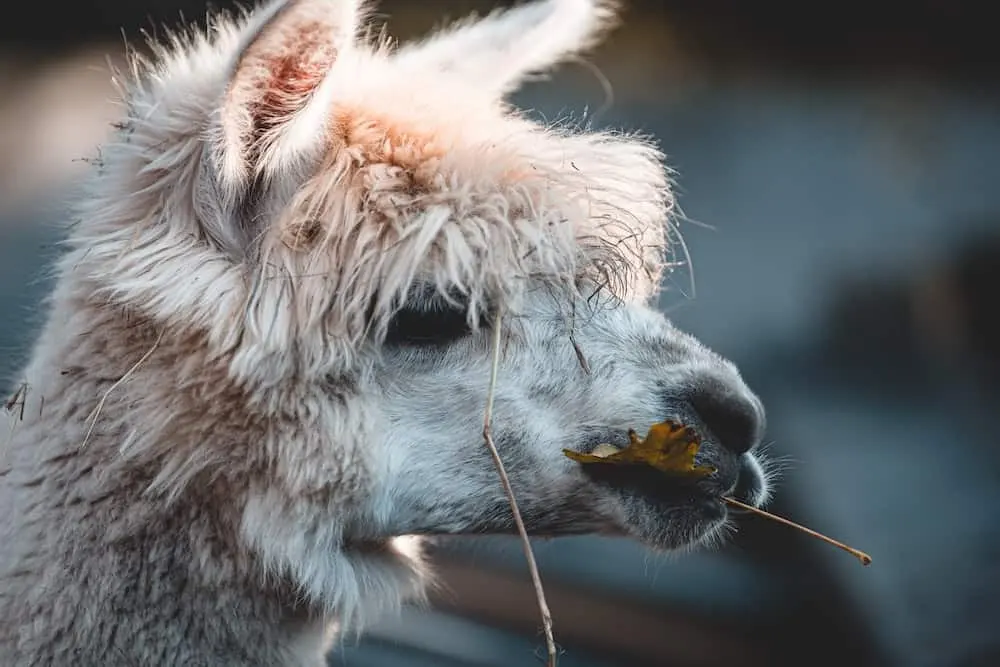
In their native Andean highlands, llamas are opportunistic grazers that consume a wide variety of alpine vegetation. Their natural diet consists largely of tough, fibrous grasses, sedges, and low-lying shrubs that thrive in high-altitude environments. Because these plants are often sparse and nutrient-poor, llamas have evolved to be highly efficient at extracting energy from coarse forage.
Beyond grasses, llamas frequently browse on the leaves and tender stems of woody plants. This dietary flexibility allows them to survive in harsh climates where food sources may change significantly with the seasons. Their specialized upper lip helps them select specific plant parts, while their teeth are adapted to grind down abrasive vegetation. This natural grazing behavior keeps them active and helps prevent the overgrowth of their teeth.
- Ichu grass (a stiff, bunch-type grass common in the Andes)
- Various mountain sedges
- Leaves from hardy, high-altitude shrubs
- Lichens and mosses found on rocky terrain
How to feed llamas on a farm?
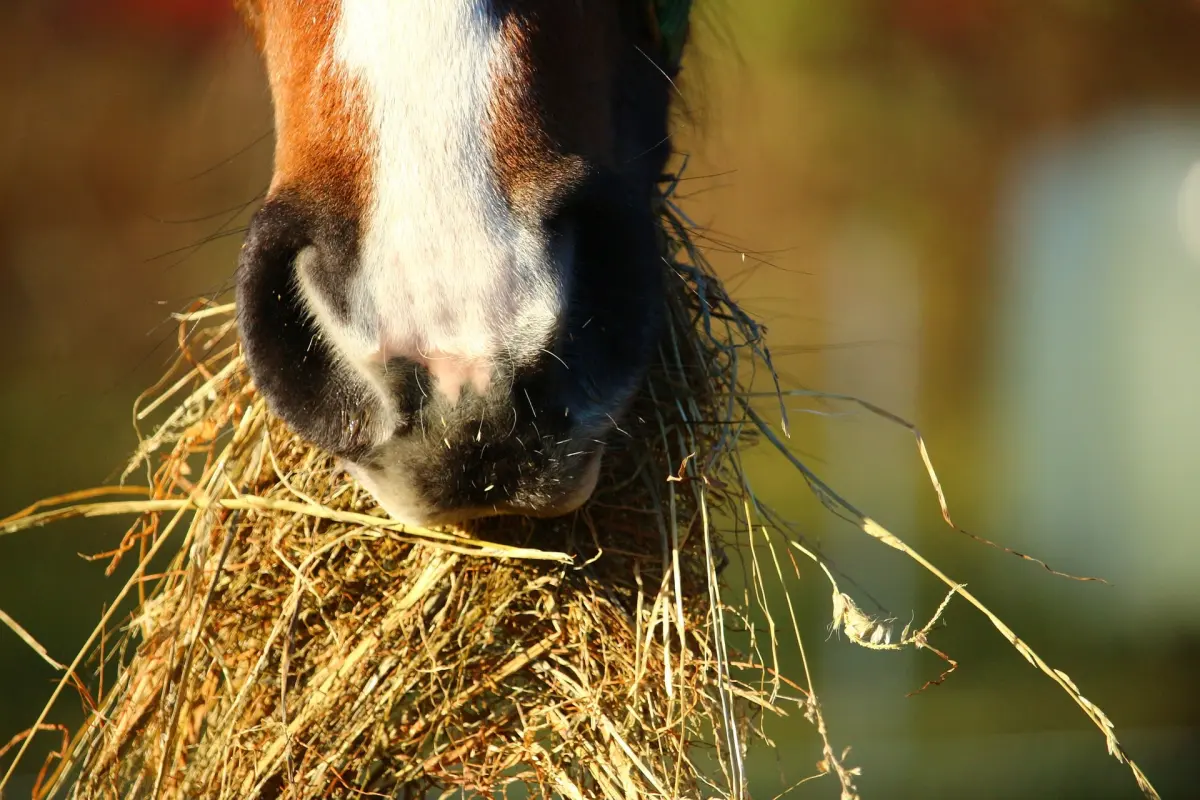
Domesticated llamas require a diet that mimics their natural foraging patterns while accounting for the lower activity levels of farm life. The foundation of their daily intake should be high-quality grass hay, such as orchard grass or timothy. Legume hays, like alfalfa, are significantly higher in protein and calories and should be provided sparingly to avoid obesity.
Owners must ensure that llamas have constant access to fresh, clean water, as they can consume several gallons daily depending on the temperature. Providing a loose mineral supplement specifically formulated for camelids is essential for preventing deficiencies in selenium, copper, and zinc. These minerals support immune function and healthy fiber growth, which is critical for the animal's overall well-being.
- Provide free-choice access to high-quality grass hay.
- Offer a specialized camelid mineral mix in a weather-protected feeder.
- Monitor body condition scores monthly to adjust hay or supplement intake.
- Ensure water troughs are scrubbed and refilled daily to prevent algae growth.

What are the best treats for llamas?
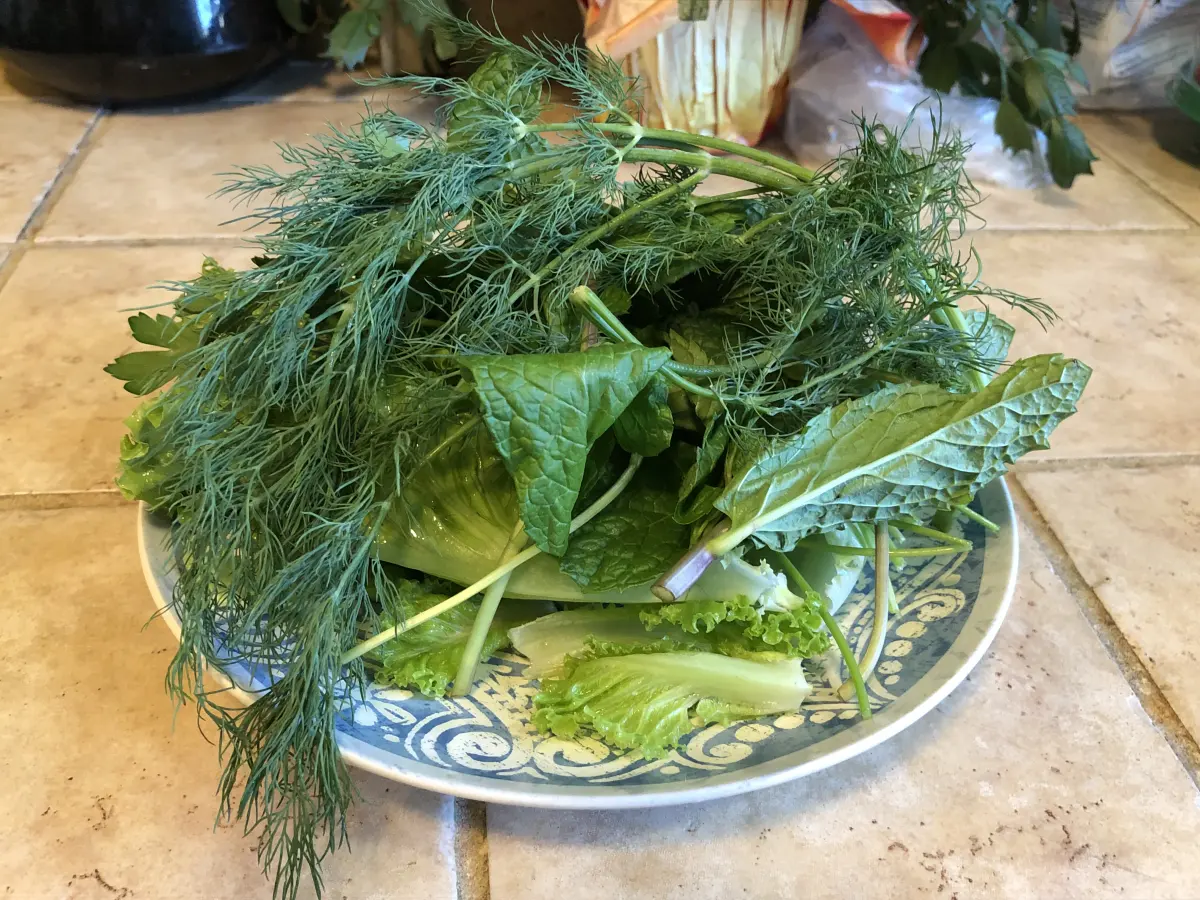
Occasional treats can be used for training or bonding, but they should never constitute a large portion of the diet. Llamas generally enjoy crunchy vegetables, which provide enrichment and hydration. Safe options include carrots, celery, and pumpkin pieces, all of which should be cut into bite-sized chunks to prevent choking hazards.
While many llamas show interest in fruits like apples or bananas, these should be offered in very small quantities due to their high sugar content. Excessive sugar can disrupt the delicate balance of the llama's forestomach, leading to digestive upset or metabolic issues. Always avoid feeding garden waste, lawn clippings, or ornamental plants, as many common landscape flowers and shrubs are toxic to camelids.
- Carrots (chopped into small rounds)
- Celery stalks
- Pumpkin chunks (seeds removed)
- Small slices of apple (without seeds)

Common mistakes when feeding llamas
One of the most frequent errors owners make is overfeeding, particularly with high-protein alfalfa hay or grain-based concentrates. Llamas are prone to becoming overweight, which places significant stress on their joints and heart. It is vital to remember that these animals have evolved to thrive on relatively poor-quality forage; providing energy-dense food is often unnecessary and harmful.
Another common mistake is failing to recognize the danger of toxic plants in the pasture. Many common garden plants, such as azaleas, rhododendrons, oleander, and yew, are highly poisonous to llamas if ingested. Owners should conduct a thorough survey of their property to remove or fence off any vegetation that could pose a lethal risk. Regularly checking the pasture for invasive weeds is a necessary part of responsible herd management.
- Feeding lawn clippings, which can ferment rapidly and cause bloat.
- Providing "all-purpose" livestock feed, which often contains urea or other additives harmful to camelids.
- Allowing access to toxic ornamental plants like foxglove or lily of the valley.
- Neglecting to provide a salt block or loose mineral supplement.
Why do llamas spit up their food?
Llamas are pseudo-ruminants, meaning they perform a process called rumination, or "chewing the cud." After swallowing food, they periodically regurgitate a bolus of partially digested material from their stomach back into their mouth to chew it again. This secondary mastication breaks down tough cellulose fibers, allowing the llama to extract more nutrients from the forage.
While this process is normal, owners may occasionally mistake the sight of a llama chewing cud for vomiting or illness. However, if a llama is seen spitting out large amounts of undigested food or appears to be in distress while chewing, it may indicate a medical issue like an impaction or a dental problem. Observing the animal's normal behavior is key to distinguishing between healthy rumination and potential health concerns that require veterinary attention.
Key facts
- Llamas are modified ruminants that consume between 2% and 4% of their body weight in dry matter daily.
- Their diet primarily consists of high-quality grasses, hay, and browse from shrubs or trees.
- They possess a three-compartment stomach, allowing them to efficiently extract nutrients from tough, fibrous vegetation.
- Clean, fresh water is essential, with an adult llama requiring approximately 2 to 5 gallons per day depending on weather.
- Avoid feeding llamas lawn clippings, as these can ferment quickly and cause dangerous digestive blockages or toxicity.
- Providing a loose mineral supplement formulated specifically for camelids is necessary to prevent common nutritional deficiencies.
The bottom line
Llamas are hardy, efficient herbivores that thrive on a simple diet of grass, hay, and access to fresh water. To keep them healthy, prioritize high-quality forage and avoid overfeeding concentrates or rich legumes. Always monitor their body condition, provide specific camelid minerals, and ensure their grazing area is free of toxic plants. Proper nutrition is the foundation for a long, productive life for these animals.
People also ask
Can llamas eat the same food as sheep or goats?
While they share some dietary needs, llamas require a lower protein intake than many high-production sheep breeds. Feeding them exclusively on rich alfalfa can lead to obesity, so a mix of grass hay is generally safer.
Is it safe to feed llamas kitchen scraps or fruits?
Most fruits and vegetables are acceptable as occasional treats, but they should never form a significant portion of the diet. Avoid items like onions, garlic, or chocolate, which can be toxic to many livestock animals.
Do llamas need grain supplements?
Healthy adult llamas on good pasture or high-quality hay usually do not require grain. Grain should only be offered to underweight animals, pregnant females, or growing juveniles under the guidance of a veterinarian.
How do llamas handle poisonous plants?
Llamas are generally selective grazers, but they may consume toxic plants if their pasture is overgrazed or lacks variety. It is crucial to walk your property and remove plants like oleander, foxglove, or nightshade.
Do llamas require a salt block?
Yes, but it is better to provide a loose mineral mix rather than a hard salt block. Llamas have difficulty licking hard blocks, which can lead to insufficient mineral intake and potential dental wear.
How often should llamas be fed?
Llamas are natural browsers that prefer to graze throughout the day. Providing free-choice access to hay or pasture mimics their natural behavior and helps maintain healthy gut motility and mental well-being.
This answer was created with the help of AI research tools and reference sources. Spotted an error? Let us know — we correct mistakes quickly. See our editorial policy.