What do clownfish eat?
Short answer
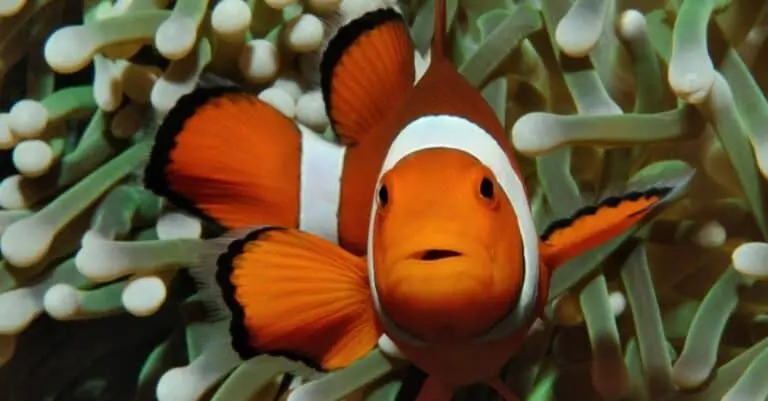
Clownfish are omnivorous reef-dwellers that consume a diverse diet consisting of small crustaceans, zooplankton, algae, and fish eggs. In the wild, they forage for food near their host anemones. In home aquariums, they thrive on a mix of high-quality flake foods, frozen mysis shrimp, brine shrimp, and specialized marine pellets.
On this page
What do clownfish eat in the wild?
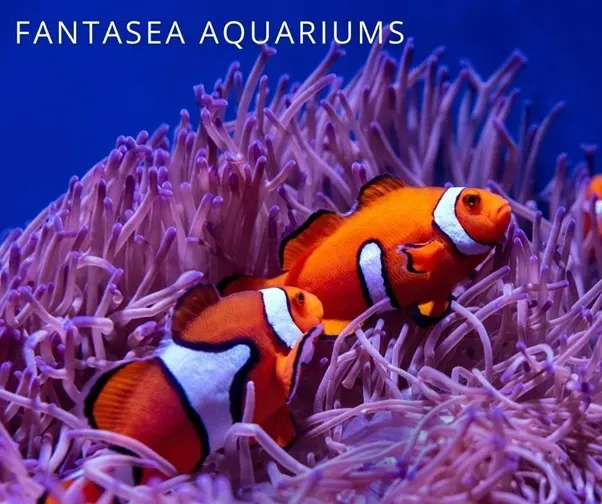
In their natural coral reef habitats, clownfish are opportunistic omnivores that consume whatever small organisms drift within reach of their host anemone. Their diet primarily consists of zooplankton, which includes tiny floating animals like copepods, larvae, and fish eggs. They also graze on various types of algae that grow on the surrounding reef structure, which helps keep their local environment clean.
Because they rarely venture far from the safety of their anemone, clownfish rely on the current to bring food to them. They are highly efficient at snatching passing prey out of the water column with quick, darting movements. This opportunistic behavior ensures they receive a balanced intake of proteins and plant matter, which is essential for their vibrant coloration and immune system health. By consuming both animal and plant material, they play a small but functional role in the nutrient cycling of the reef ecosystem.
Best food for clownfish in home aquariums
When keeping clownfish in captivity, it is important to replicate the variety they would find in the ocean. A high-quality diet should be the foundation of their nutrition, as it directly impacts their long-term health and resistance to common marine diseases. Providing a single type of food is rarely sufficient for these active swimmers.
To ensure your clownfish remain healthy and energetic, consider incorporating the following items into their weekly feeding schedule:
- High-quality marine flakes or pellets designed specifically for clownfish.
- Frozen mysis shrimp, which are rich in protein and essential fatty acids.
- Frozen brine shrimp, which are excellent for enticing picky eaters.
- Occasional vegetable-based flakes or dried seaweed to provide necessary fiber.
- Freshly hatched baby brine shrimp for juvenile clownfish to support rapid growth.
How to feed clownfish properly
Establishing a consistent feeding routine is vital for maintaining water quality and ensuring your fish receive adequate nutrition. Most adult clownfish should be fed once or twice per day, providing only as much food as they can consume within two to three minutes. Overfeeding is one of the most common issues in marine husbandry and can lead to significant problems.
Follow these steps to ensure your fish are fed correctly:
- Turn off or dim the aquarium pumps briefly so the food does not get sucked into the filtration system immediately.
- Sprinkle a small amount of food near the surface or drop thawed frozen food into the current.
- Observe the fish to ensure they are actively feeding and that no food is settling at the bottom of the tank.
- If food remains after three minutes, remove the excess with a net or siphon to prevent it from decaying.
Common mistakes when feeding clownfish
One of the most frequent errors owners make is assuming that clownfish only eat processed dry foods. While flakes and pellets are convenient, they often lack the complex nutritional profile found in live or frozen prey. Relying solely on dry food can lead to nutritional deficiencies, resulting in faded colors and stunted growth over time. Another common mistake is failing to thaw frozen foods properly before adding them to the tank.
Frozen cubes often contain excess phosphates and nitrates from the packaging water, which can trigger unwanted algae blooms in your aquarium. Always thaw frozen food in a small cup of tank water and strain it using a fine-mesh net before feeding. Furthermore, avoid dumping large quantities of food into the tank at once. This practice not only causes waste to accumulate in the substrate but can also spike ammonia levels, which is highly toxic to clownfish and other reef inhabitants.
Why clownfish stop eating
If your clownfish suddenly stops eating, it is usually a sign of stress, poor water quality, or an underlying health issue. Before assuming the fish is sick, check your water parameters, specifically ammonia, nitrite, and nitrate levels, as these can easily suppress an appetite. A sudden change in tank decor or the introduction of aggressive tank mates can also cause the fish to hide and refuse food out of fear.
If the water quality is perfect and the fish is still not eating, observe it closely for signs of disease, such as white spots, cloudy eyes, or rapid breathing. Sometimes, a change in diet can help; if they are refusing pellets, try offering highly palatable frozen mysis shrimp to stimulate their feeding response. If the fish continues to refuse food for more than three days, consult a specialist or a veterinarian who focuses on aquatic species to discuss potential treatments or environmental adjustments.
Key facts
- Clownfish are omnivores that consume a diverse diet of algae, plankton, copepods, and small crustaceans in the wild.
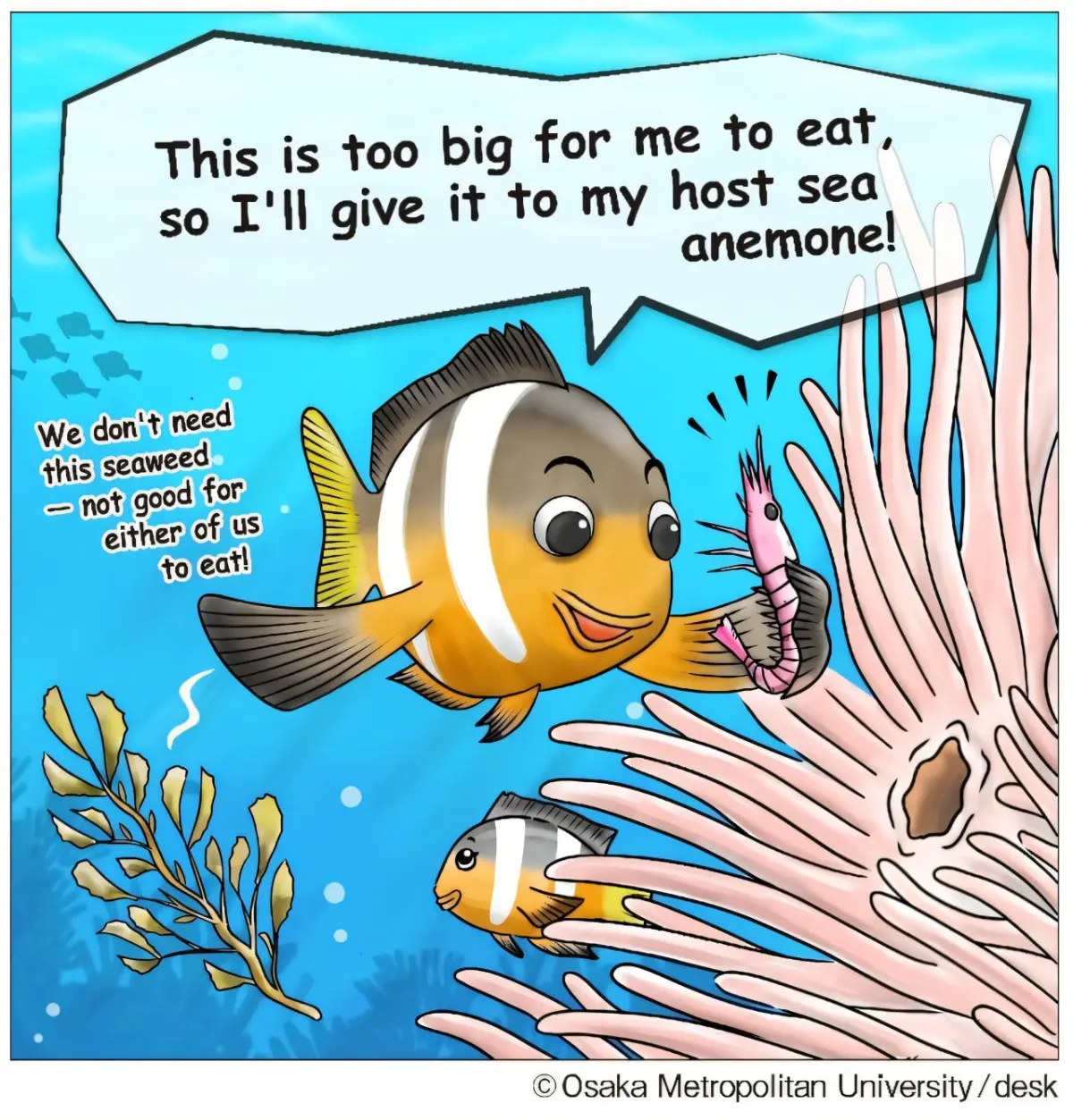
- In their natural reef habitat, they frequently scavenge leftover food scraps from their host sea anemone.
- Captive clownfish thrive on a varied diet of high-quality flake food, frozen brine shrimp, and mysis shrimp.
- Overfeeding is a common mistake that leads to poor water quality and dangerous ammonia spikes in home aquariums.
- Providing food two to three times daily in small portions mimics their natural grazing behavior more effectively than one large meal.
- Vitamin-enriched foods help maintain the vibrant orange and white coloration of clownfish by supporting their overall immune health.
The bottom line
Clownfish are versatile omnivores that require a varied diet to remain healthy and vibrant. Whether in the wild or an aquarium, they benefit from a mix of plant-based matter and small proteins. By avoiding the common error of overfeeding and focusing on high-quality, diverse food sources, you can ensure your clownfish thrive while maintaining a clean, stable environment within their reef habitat.
People also ask
Do clownfish need to eat the same food as their host anemone?
No, clownfish do not rely on the anemone for nutrition, though they may steal pieces of food the anemone catches. Providing a separate, balanced diet is essential to ensure the fish receives all necessary nutrients.
How can I tell if my clownfish is being overfed?
You are likely overfeeding if there is uneaten food settling on the substrate or if the water appears cloudy. Excess food decays quickly, which can lead to nitrate buildup and stress your fish.
Can clownfish survive on flake food alone?
While high-quality flakes can serve as a staple, they lack the variety needed for long-term health. Supplementing with frozen or live foods is necessary to replicate the nutritional diversity of their natural environment.
How much food should I give a single clownfish?
Offer only as much as the fish can consume within two minutes. If food remains after this time, reduce the portion size during the next feeding session.
Do clownfish eat the tentacles of their host anemone?
Healthy clownfish do not eat their host anemone. They have a specialized mucus coating that protects them from the anemone's stinging cells, allowing them to live safely within the tentacles.
Should I soak my clownfish food in vitamins?
Soaking frozen food in liquid vitamins or garlic extract can boost the immune system and encourage picky eaters to feed. This is particularly helpful for new fish adjusting to a captive environment.
This answer was created with the help of AI research tools and reference sources. Spotted an error? Let us know — we correct mistakes quickly. See our editorial policy.