What was the biggest dinosaur?
Short answer
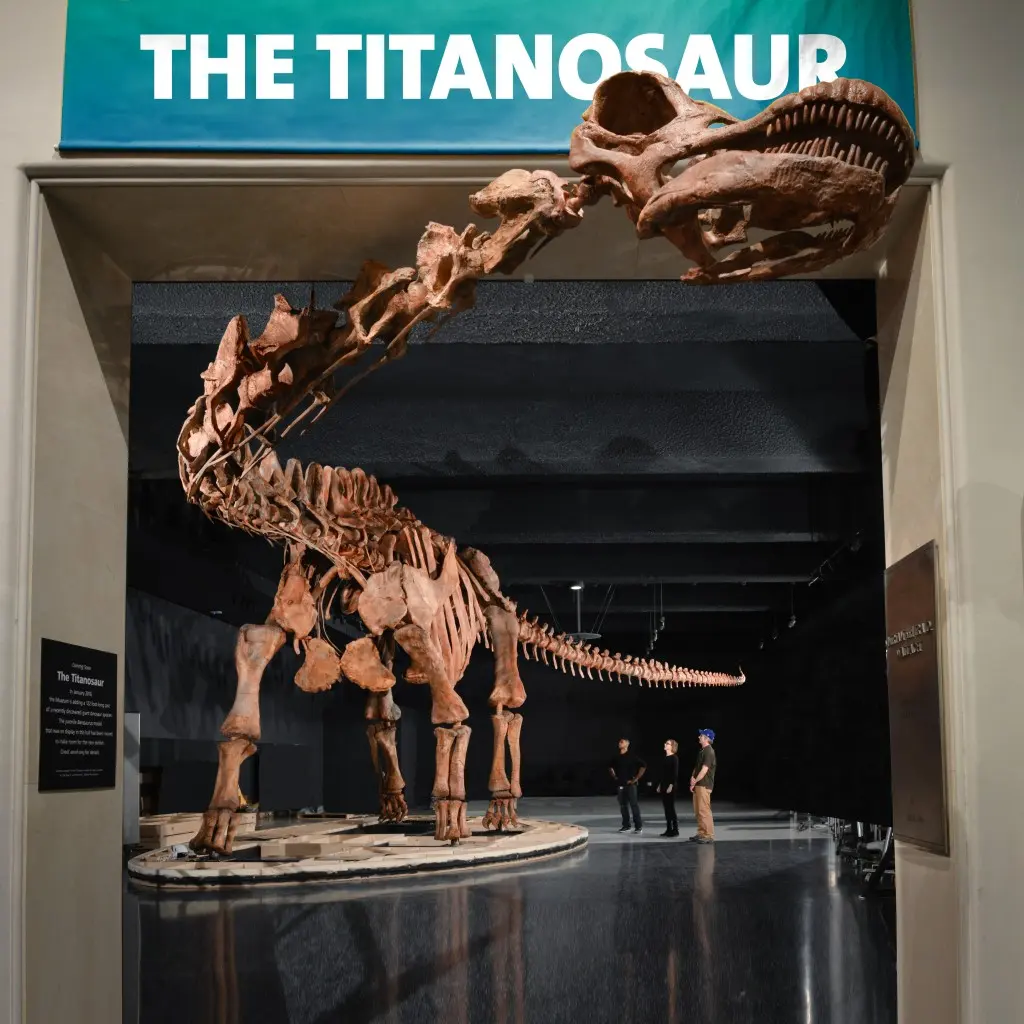
The title of the biggest dinosaur generally belongs to the titanosaurs, a group of long-necked sauropods. While estimates vary due to incomplete fossil records, Patagotitan mayorum is widely considered the largest based on preserved skeletal remains. It reached lengths of approximately 37 meters and weighed roughly 70 metric tons during the Cretaceous period.
On this page
Which dinosaur was the largest?
Determining the largest dinosaur is a complex challenge for paleontologists because complete skeletons are rarely discovered. Most giant sauropods are known only from partial remains, such as a few vertebrae or a femur, requiring scientists to extrapolate total body size by comparing these fragments to more complete, smaller relatives. This process introduces a significant margin of error in weight and length estimates.
Currently, the most reliable candidate for the title is Patagotitan mayorum, discovered in Argentina. Researchers estimate this massive herbivore lived about 100 million years ago and reached lengths exceeding 37 meters. Other contenders, such as Argentinosaurus, are often cited as potentially larger, but their fossil evidence is even more fragmented. Because of these limitations, experts often categorize the "biggest" dinosaur by specific criteria:
- Heaviest: Argentinosaurus (estimated at 70–90 tons)
- Longest: Patagotitan or Supersaurus
- Tallest: Giraffatitan (due to its upright neck structure)
How do scientists measure dinosaur size?
Paleontologists use several scientific methods to estimate the mass and length of creatures that have been extinct for millions of years. The most common approach is the volumetric method, which involves creating detailed 3D digital models of a dinosaur’s skeleton and wrapping them in an estimated volume of soft tissue, such as muscle and skin.
Once the total volume is established, scientists apply specific density values to calculate the final weight. This is a delicate process because the amount of air sacs in the bones—a feature common in sauropods to reduce weight—is difficult to determine from fossils alone. To improve accuracy, researchers often follow these steps:
- Scan available fossil bones using high-resolution laser technology.
- Reconstruct the missing parts of the skeleton using data from closely related species.
- Calculate the volume of the body cavity and muscle mass.
- Compare the results against the known masses of modern large animals like elephants or whales.
Why are sauropods so massive?
The immense size of sauropods was an evolutionary advantage that allowed them to survive in competitive environments. By growing to such gargantuan proportions, these dinosaurs could reach food sources, such as high-canopy leaves, that were inaccessible to smaller herbivores. This specialized feeding strategy allowed them to occupy a unique ecological niche.
Furthermore, their size provided a natural defense mechanism against predators. Even the most aggressive theropods, such as Giganotosaurus, would have struggled to take down a healthy adult sauropod. Their massive bodies also acted as heat sinks, helping them maintain a stable internal temperature, a phenomenon known as gigantothermy. This allowed them to thrive in various climates without needing the high metabolic rates required by smaller, active mammals.
Common mistakes when identifying giant dinosaurs
A frequent error among enthusiasts is assuming that the largest dinosaur is always the most famous one. For instance, Brachiosaurus and Diplodocus are household names, but they are significantly smaller than the titanosaurs discovered in the last two decades. Relying on outdated textbooks or pop culture depictions often leads to misconceptions about which species actually held the record.
Another mistake is ignoring the difference between length and weight. A dinosaur might be very long due to a whip-like tail, but it may not be as heavy as a shorter, more robustly built species. When researching dinosaur sizes, keep these points in mind to avoid confusion:
- Do not confuse length with mass; a long neck does not always mean a heavy animal.
- Be skeptical of "record-breaking" claims in news headlines, as they are often based on preliminary estimates.
- Always check if the dinosaur in question is known from a complete skeleton or just a few isolated bones.
What is the future of dinosaur discovery?
The field of paleontology is constantly evolving as new excavation techniques and analytical tools become available. As more sites in South America, Africa, and Asia are explored, it is highly probable that even larger specimens will be unearthed. The discovery of Patagotitan was only possible because of dedicated field work in remote regions, suggesting that the "largest" dinosaur title may change again.
Technological advancements, such as machine learning and improved bone histology, are also helping scientists refine their estimates of growth rates and maximum sizes. By studying the growth rings in fossilized bones, researchers can now determine how quickly these giants reached their adult size. This provides a more nuanced understanding of their biology than simple length measurements ever could. As we continue to refine these methods, our picture of these prehistoric giants will become increasingly detailed and accurate, revealing the true scale of life on Earth during the Mesozoic Era.
Key facts
- Argentinosaurus is widely considered the largest dinosaur known from reliable fossil evidence.
- Estimates suggest this titanosaur reached lengths of 30 to 35 meters (98 to 115 feet).
- Scientific weight estimates for Argentinosaurus range from 70 to 100 metric tons.
- Paleontologists calculate these sizes using mathematical models based on incomplete skeletal remains.
- Avoid assuming that the largest dinosaur is also the tallest; Sauroposeidon may have had a longer neck.
- Do not confuse dinosaurs with marine reptiles like Mosasaurus, which were not dinosaurs at all.
The bottom line
Determining the largest dinosaur is a complex task because fossil records are rarely complete. Currently, Argentinosaurus holds the title for the largest land animal based on available data, with immense weight and length. While new discoveries continue to refine our understanding of prehistoric giants, these creatures remain the pinnacle of terrestrial evolution, showcasing the incredible biological limits of size supported by a skeletal frame.
People also ask
How do scientists estimate the size of a dinosaur from just a few bones?
Researchers use comparative anatomy to scale up measurements from living animals like elephants or crocodiles. By analyzing the circumference of limb bones, they can estimate the total body mass a skeleton was required to support.
Was Argentinosaurus the heaviest animal to ever live?
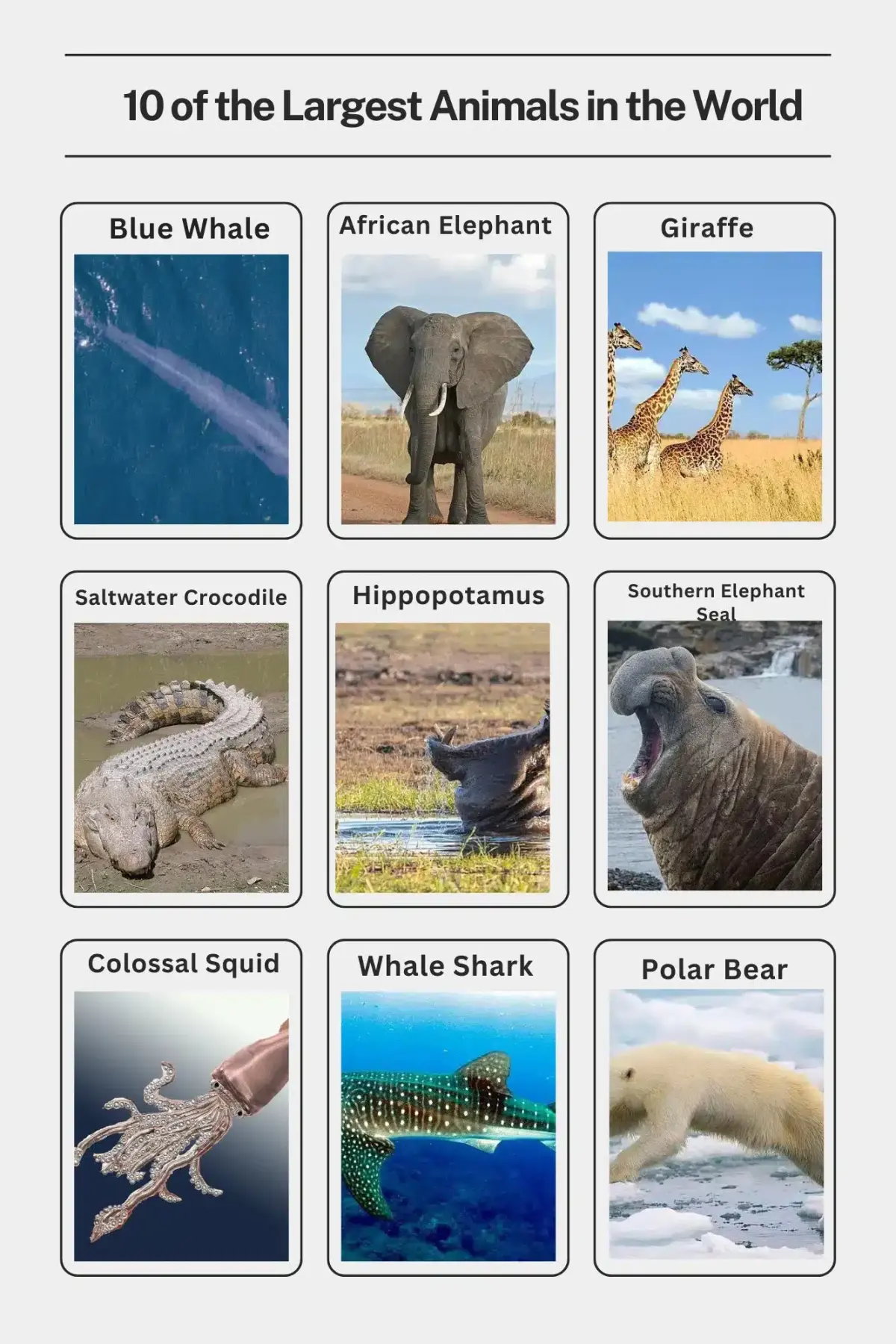
No, the blue whale is significantly larger and heavier than any known dinosaur. While Argentinosaurus is the largest terrestrial animal, blue whales can exceed 150 metric tons in weight.
Why are there so many different size estimates for the same dinosaur?
Estimates vary because most giant dinosaur skeletons are incomplete, requiring scientists to infer the missing proportions. Different researchers use varied mathematical formulas and reference animals, leading to a range of plausible results.
Did giant dinosaurs have to eat constantly to maintain their size?
Yes, these massive herbivores likely spent the majority of their day feeding on low-nutrient vegetation. Their enormous digestive systems functioned like fermentation vats to extract enough energy from tough plant matter.
Are new dinosaurs still being discovered that could be larger?
Yes, paleontologists frequently uncover new species of titanosaurs in regions like Patagonia. It is possible that future discoveries of more complete skeletons will reveal animals that surpass current size records.
How did these giants support their own weight on land?
Their limbs were column-like, similar to those of modern elephants, which allowed them to bear immense weight without constant muscle strain. Their bones were also structurally dense and, in some areas, hollowed out to reduce weight while maintaining strength.
This answer was created with the help of AI research tools and reference sources. Spotted an error? Let us know — we correct mistakes quickly. See our editorial policy.