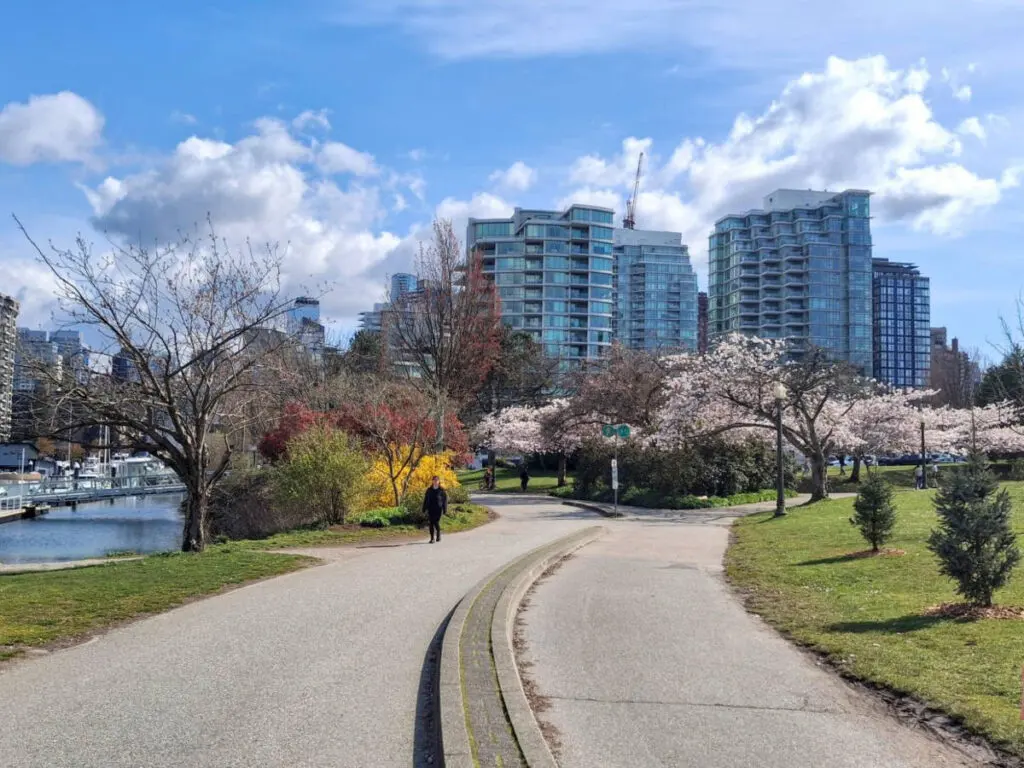
What are the best beaches in Vancouver?
Short answer
Vancouver’s best beaches include English Bay for its central urban convenience, Kitsilano for its massive saltwater pool, and Spanish Banks for expansive low-tide sandbars. Whether seeking sunset views, family-friendly amenities, or quiet nature escapes, the city’s coastline offers diverse options accessible by transit, cycling, or car throughout the summer season.
On this page
Best beaches in Vancouver for families
Kitsilano Beach, locally known as "Kits Beach," is the premier destination for families due to its extensive range of amenities. The area features a large playground, basketball courts, and the famous Kitsilano Pool, which is the longest saltwater swimming pool in Canada. Lifeguards are on duty during the summer months, providing a safer environment for children to swim. The beach is also adjacent to a grassy park area, perfect for picnics and shade breaks away from the direct sun.
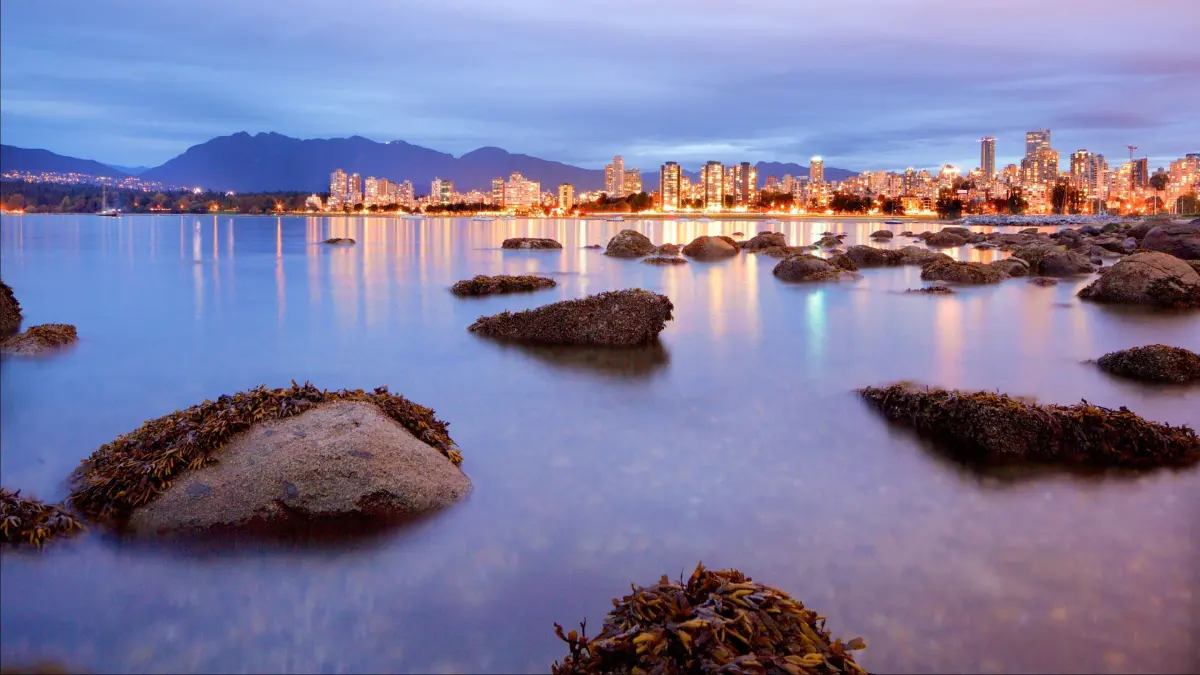
Spanish Banks is another excellent choice for families, particularly those with younger children. Because the beach is located on a shallow bay, the tide recedes for nearly a kilometer at low tide, creating vast, warm tidal pools that are safe for wading. This unique geography allows children to explore marine life without the danger of deep water or strong currents. Families should keep the following tips in mind for a successful visit:
- Check the tide charts online before leaving to ensure you arrive during a low-tide window.
- Bring water shoes, as the sand can be mixed with small shells and pebbles.
- Utilize the designated picnic areas, which are equipped with tables and nearby washrooms.
How to get to Vancouver beaches by public transit
Navigating Vancouver’s beaches via public transit is efficient and encouraged, as parking near popular spots is often limited and expensive. The TransLink system provides bus routes that drop passengers within a short walking distance of most major shorelines. For those visiting English Bay or Second Beach, the number 5 or 6 bus routes from downtown Vancouver offer frequent service. During peak summer weekends, extra shuttles are often deployed to handle the high volume of beachgoers heading toward the West End.
If you are traveling to the beaches located further west, such as Jericho or Spanish Banks, the number 4 or 14 buses are the most reliable options. These lines run through the Kitsilano neighborhood, allowing visitors to stop at multiple beaches along the way. To ensure a smooth trip, follow these steps:
- Purchase a Compass Card or use a contactless payment method at the bus reader.
- Download the Transit app to track real-time bus arrivals and avoid long waits in the heat.
- Plan your return trip in advance, as late-evening buses can become crowded after sunset.
Best beaches for sunset views
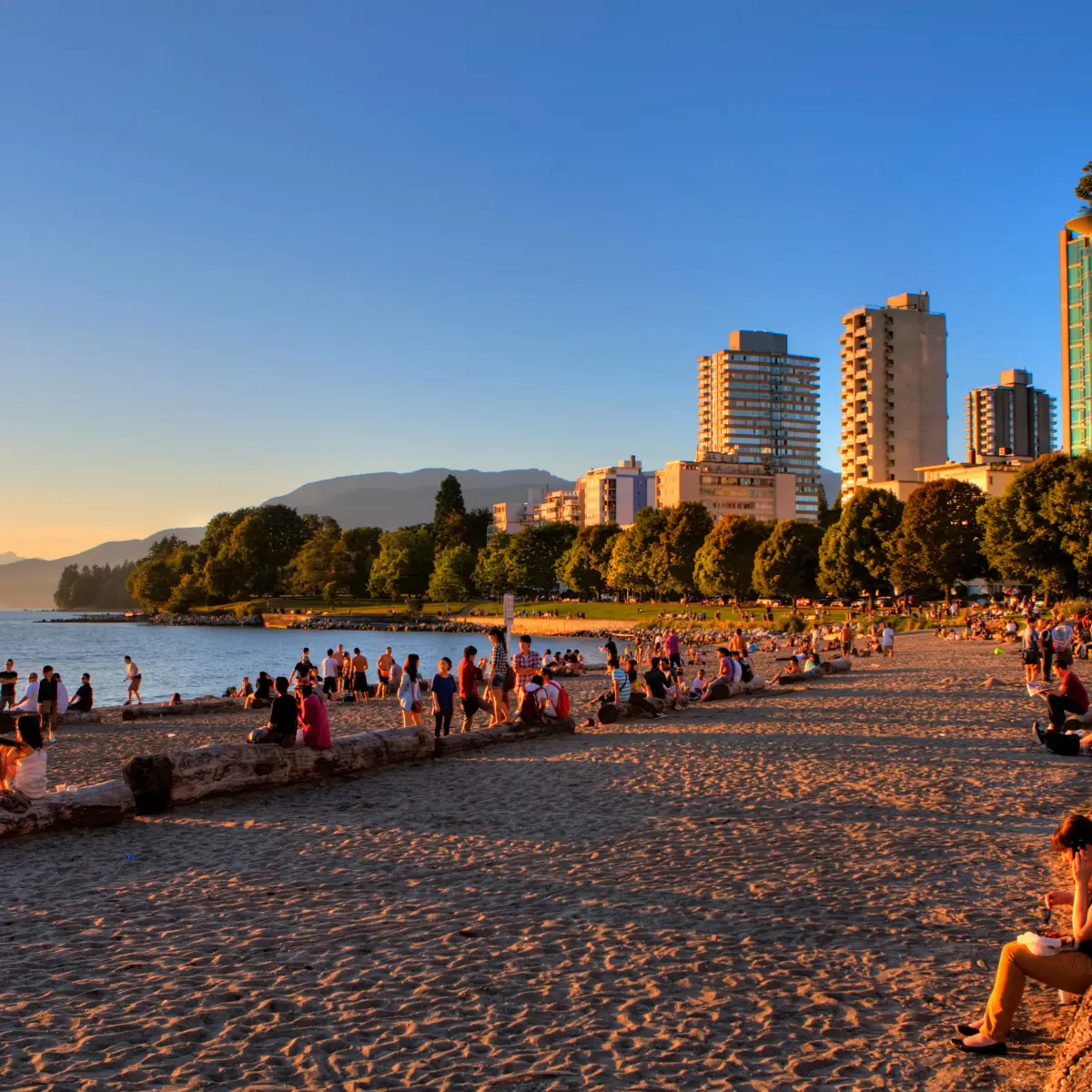
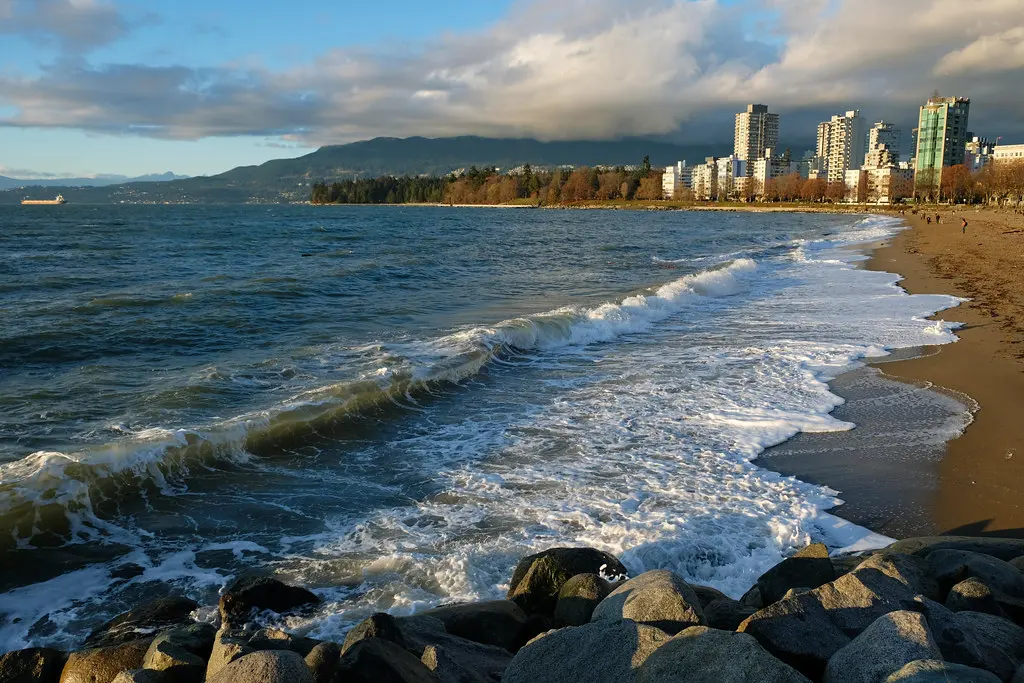
English Bay Beach is widely considered the top location in the city for watching the sunset. Situated at the edge of the West End, it offers an unobstructed view of the Pacific Ocean and the mountains of Vancouver Island in the distance. The beach is surrounded by restaurants and cafes, making it easy to grab a drink or a snack while waiting for the sky to change colors. It is a social hub, often filled with locals playing music and enjoying the evening atmosphere.
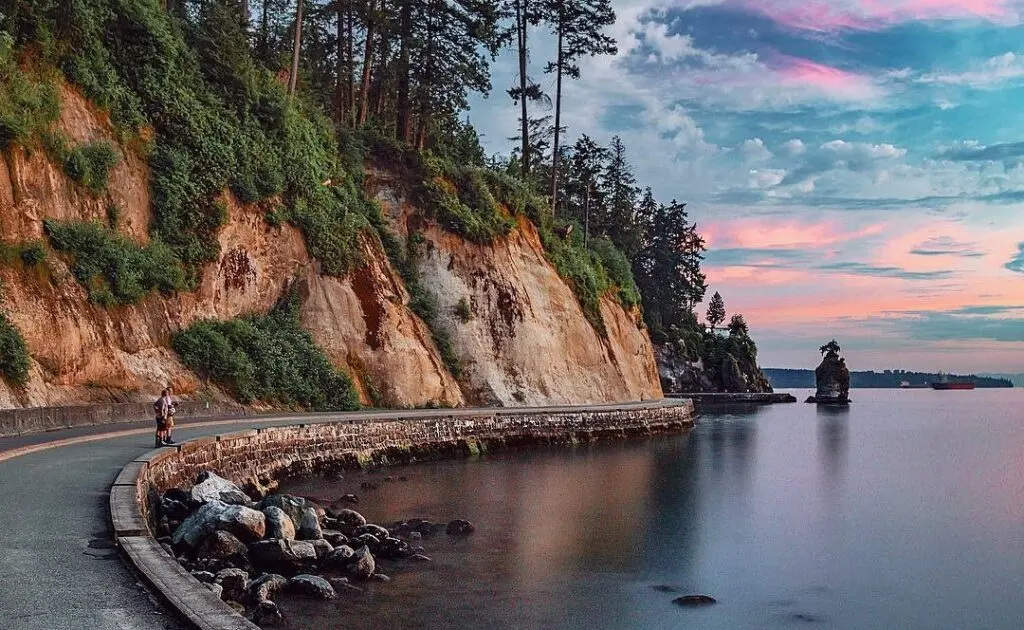
For a more secluded experience, head toward the beaches along Stanley Park, specifically Third Beach. This location is tucked away from the main city streets and provides a more rugged, natural backdrop for the sunset. The trees surrounding the beach frame the horizon beautifully, creating a peaceful environment that feels miles away from the urban core. Visitors should remember that Stanley Park is a large area, so allow at least 20 minutes to walk or cycle from the park entrance to reach the sand.
Common mistakes when visiting Vancouver beaches
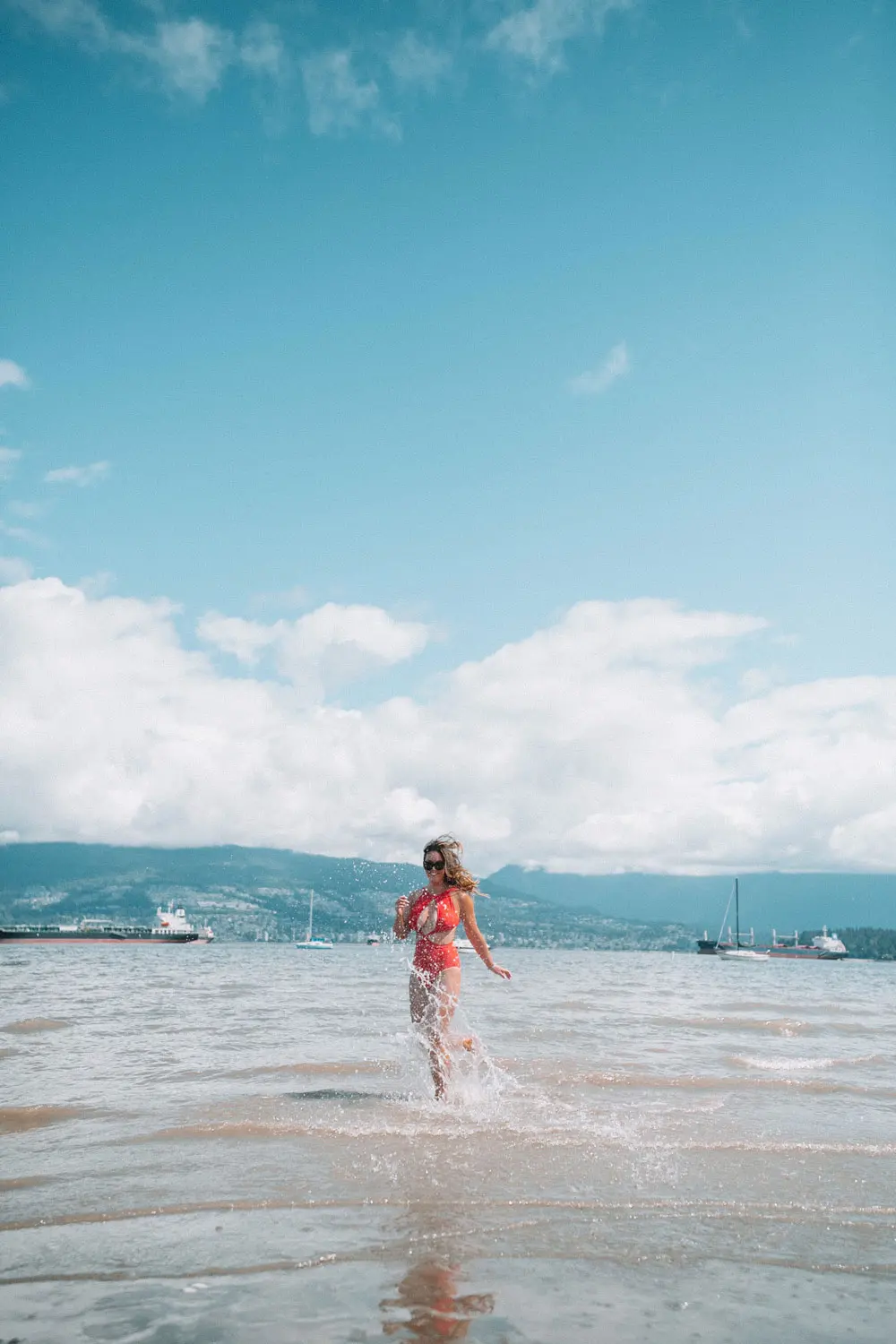
One of the most frequent errors visitors make is underestimating the temperature of the water. Even on the hottest summer days, the Pacific Ocean in Vancouver remains quite cold, often hovering between 15°C and 18°C. Many swimmers jump in without acclimating, which can lead to cold-water shock. Always wade in slowly and ensure you are a strong swimmer before heading out past the designated buoy lines. Never swim alone, and always keep a close eye on children, even in shallow areas.
Another common mistake is failing to pack out all trash. Vancouver beaches are natural habitats for local wildlife, and litter can be harmful to the ecosystem. Many beaches have limited trash bins, and they often overflow during busy weekends. If you find that the bins are full, do not leave your bags on the ground, as seagulls and raccoons will quickly scatter the waste. Instead, bring a reusable bag to carry your trash back to your accommodation or a central transit hub where disposal is more consistent.
Best time of year to visit
The ideal window for beach activities in Vancouver is from late June through early September. During this period, the city experiences its driest weather and the warmest water temperatures of the year. July and August are the peak months, characterized by long, sunny days and vibrant beach life. However, these months also see the highest crowds, so arriving before 10:00 AM is recommended to secure a good spot on the sand, especially on weekends.
If you prefer a quieter experience, consider visiting in early September. The weather remains pleasant, but the influx of tourists begins to taper off as schools reopen. The evenings are cooler, but the beaches are significantly less congested, allowing for a more relaxing visit. Regardless of when you choose to go, always check the local weather forecast, as Vancouver’s coastal climate can change rapidly. Even on overcast days, the beaches remain beautiful for walking, cycling the seawall, or enjoying a quiet moment by the water.
Key facts
- Kitsilano Beach features a 137-meter saltwater pool, the longest in Canada, which is heated and open from May to September.
- English Bay Beach is the most central location and serves as the primary site for the annual Celebration of Light fireworks festival in July.
- Wreck Beach, located at the tip of Point Grey, is a world-famous clothing-optional beach accessible via a steep trail of nearly 500 wooden steps.
- Spanish Banks offers the lowest tide in the city, allowing visitors to walk nearly one kilometer out into the ocean during low tide.
- Alcohol consumption is strictly prohibited on all Vancouver beaches, and violators face significant fines from local park rangers.
- Most major beaches provide accessible beach wheelchairs for rent, which can be reserved through the Vancouver Park Board website.
The bottom line
Vancouver offers a diverse range of coastal experiences, from the vibrant, social atmosphere of Kitsilano to the secluded, natural beauty of Wreck Beach. Whether you prioritize accessibility, swimming facilities, or scenic views, the city’s well-maintained shoreline provides something for every visitor. Always check local water quality reports and parking availability before heading out to ensure a safe and enjoyable day by the Pacific Ocean.
People also ask
Are dogs allowed on Vancouver beaches?
Dogs are only permitted on designated off-leash beaches, such as Hadden Park or the eastern section of Spanish Banks. They are strictly prohibited on most public swimming beaches to maintain hygiene and safety.
Can I have a bonfire on the beach?
Beach fires are prohibited at all Vancouver parks and beaches to prevent fire hazards and environmental damage. You must use designated fire pits only at specific locations like Spanish Banks if they are currently permitted by the city.
Is the water in Vancouver safe for swimming?
Vancouver Coastal Health monitors water quality at all public beaches throughout the summer months. You should check the official city website for current water quality advisories before swimming, especially after heavy rainfall.
Which beach is best for families with children?
Kitsilano Beach and Second Beach are ideal for families due to their proximity to playgrounds, concession stands, and supervised swimming areas. These locations also feature lifeguards on duty during the peak summer season.
Is there a fee to access Vancouver beaches?
All public beaches in Vancouver are free to access for the general public. While there is no entry fee, you may need to pay for parking in nearby lots during the busy summer months.
What is the best time of year to visit the beaches?
The best time to visit is between late June and early September when the weather is warm and lifeguards are stationed at major beaches. Outside of these months, the beaches remain open for walking and scenery but are generally too cold for swimming.
This answer was created with the help of AI research tools and reference sources. Spotted an error? Let us know — we correct mistakes quickly. See our editorial policy.