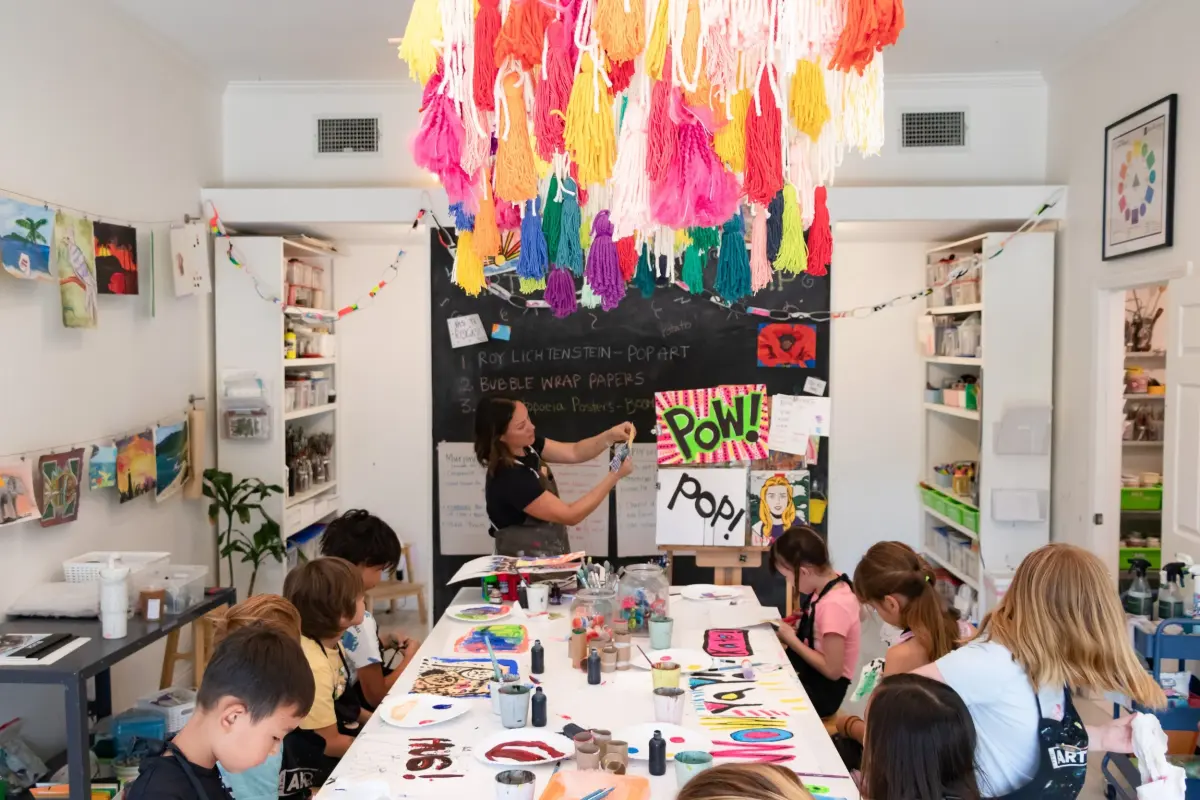
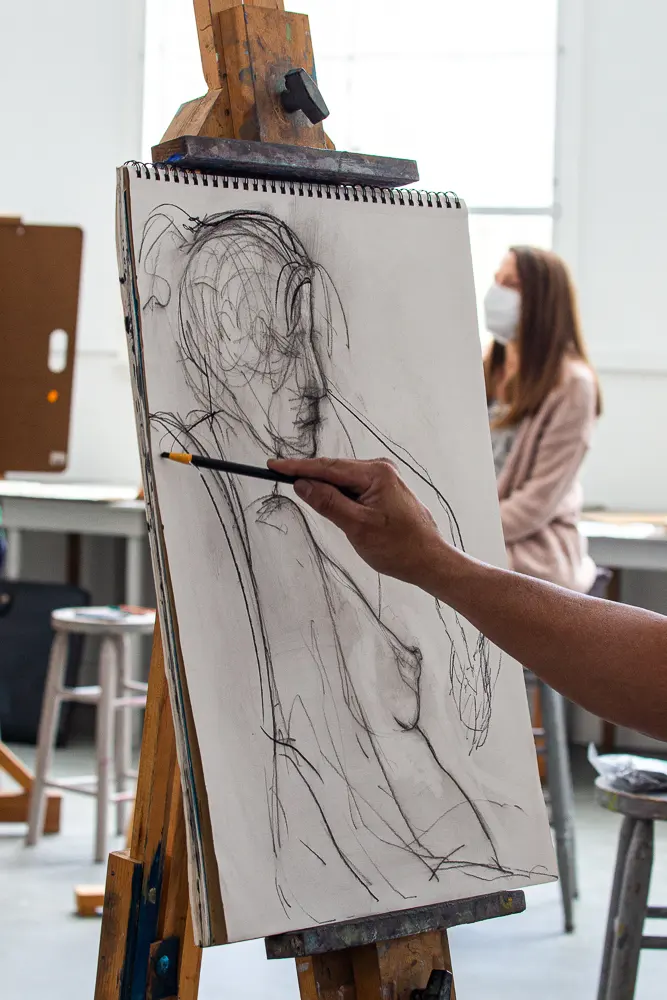
Where can you take drawing classes in Vancouver?
Short answer
Vancouver offers diverse drawing instruction through public community centers, specialized art schools, and private university programs. Beginners can access affordable workshops at city-run facilities, while serious students often choose institutions like Emily Carr University of Art + Design or the Vancouver Academy of Art for rigorous, classical technical training and professional development.
On this page
Where to find drawing classes in Vancouver
Vancouver provides a robust ecosystem for artists, ranging from casual drop-in sessions to intensive certificate programs. The City of Vancouver operates dozens of community centers that offer introductory drawing courses at accessible price points. These programs are ideal for hobbyists who want to explore charcoal, graphite, or ink in a low-pressure environment. Most community center sessions run on a seasonal basis, with registration opening several weeks before each term begins.
For those seeking professional instruction, private institutions like the Vancouver Academy of Art focus on classical realism and foundational techniques. These schools often feature longer-term commitments, such as semester-based courses or full-time ateliers. Additionally, Emily Carr University of Art + Design offers continuing studies programs that cater to adults looking to refine their portfolios or develop new artistic skills. Researching these options requires checking specific institution websites, as schedules and enrollment availability fluctuate throughout the calendar year.
How to choose the right drawing class
Selecting the correct class depends entirely on your current skill level and long-term objectives. Beginners should prioritize courses that emphasize "observational drawing," which teaches students how to accurately translate three-dimensional objects onto a two-dimensional surface. Intermediate artists might look for specialized workshops, such as figure drawing, portraiture, or perspective studies, to challenge their existing technical abilities. Always review the instructor’s portfolio or credentials to ensure their teaching style aligns with your personal aesthetic goals.
- Define your primary goal: Are you drawing for relaxation, or are you preparing a portfolio for art school?
- Assess your time commitment: Can you dedicate three hours a week, or do you require an intensive weekend workshop?
- Visit the studio space: Ensure the environment is well-lit and equipped with the necessary drawing horses or easels.
- Compare costs: Factor in tuition, supply lists, and potential membership fees for community centers.
Best drawing classes for beginners
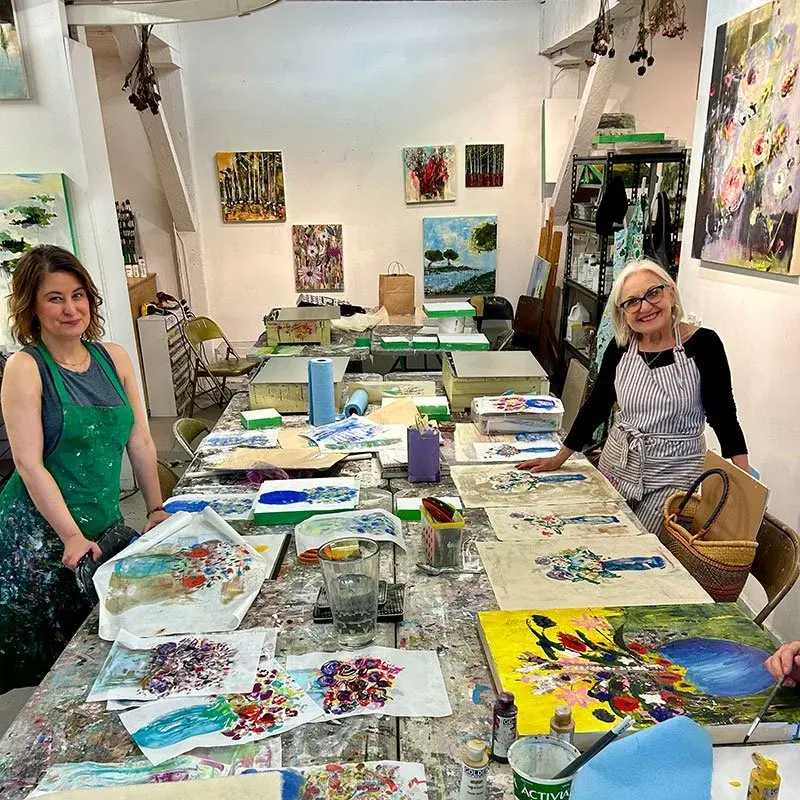
If you are new to the medium, look for classes that provide structured, step-by-step guidance on basic mark-making and composition. Many local studios offer "Drawing 101" courses that cover the fundamentals of line, tone, and shading. These classes typically provide a supportive atmosphere where instructors can offer individualized feedback on your progress. Starting with a group class is often more effective than self-teaching, as it allows you to observe the techniques and common challenges faced by your peers.
- The Vancouver Community College (VCC) continuing education department often hosts entry-level visual arts courses.
- Local community centers like the Roundhouse or Mount Pleasant Community Centre frequently list affordable, short-term drawing workshops.
- Private studios often host "intro to sketching" nights that allow you to test the instructor’s teaching style before committing to a full term.
- Online resources are helpful, but in-person classes provide immediate physical feedback on your grip and pressure application.
Common mistakes when starting drawing classes
Many students fall into the trap of purchasing expensive, professional-grade materials before they understand the basics. High-quality paper and specialized pencils are beneficial, but they cannot compensate for a lack of foundational practice. Avoid the temptation to skip technical exercises, such as blind contour drawing or value scaling, in favor of jumping straight to complex portraiture. These foundational drills are essential for developing the hand-eye coordination required for more advanced work.
Another frequent error is neglecting the importance of consistent practice outside of the classroom. Drawing is a physical skill that requires muscle memory, much like playing a musical instrument. If you only pick up your pencil during your weekly class, your progress will inevitably stall. Aim to sketch for at least fifteen minutes daily, focusing on simple objects around your home. This consistent habit is the most effective way to internalize the lessons taught in your formal classes and accelerate your overall artistic growth.
How long does it take to learn to draw
The time required to achieve proficiency varies significantly based on your natural aptitude and the frequency of your practice. Most students notice a marked improvement in their observational skills after completing a twelve-week foundational course. However, mastering complex subjects like human anatomy or intricate perspective requires years of dedicated study and repetition. Do not feel discouraged if your early drawings do not match your mental vision; this gap is a standard part of the developmental process for every artist.
Progress is rarely linear, and you will likely experience periods of rapid growth followed by plateaus. During these plateaus, it is helpful to switch your focus to a different medium or subject matter to keep your practice engaging. Whether you attend a community center course or a rigorous academy program, the key is to maintain a curious mindset. By consistently applying the techniques learned in your classes, you will gradually build the confidence and technical expertise necessary to express your unique artistic voice through your drawings.
Key facts
- The Emily Carr University of Art + Design offers a wide range of continuing studies courses for all skill levels.
- Vancouver Community College provides specialized certificate programs and individual workshops in foundational drawing techniques.
- The Federation of Canadian Artists, located on Granville Island, hosts regular classes taught by professional working artists.
- Many local community centres, such as the West End or Kitsilano locations, offer low-cost, hobby-focused drawing sessions.
- Private studios like the Vancouver Academy of Art emphasize classical training methods, including life drawing and anatomy.
- Always check if a course provides materials, as many introductory classes require students to purchase their own charcoal, paper, and pencils.
The bottom line
Vancouver offers a diverse landscape for aspiring artists, ranging from casual community centre workshops to rigorous classical training at professional academies. To find the best fit, identify whether you seek a structured academic path or a flexible hobbyist environment. Always verify material requirements and instructor credentials before enrolling. By exploring these local resources, you can effectively develop your technical skills within a supportive creative community.
People also ask
Do I need to have prior experience to join a beginner drawing class?
Most beginner courses in Vancouver are designed for individuals with no prior artistic training. Instructors typically start with basic mark-making and observation skills to build your confidence.
How much should I expect to pay for a typical drawing course?
Prices vary significantly based on the institution and duration. Community centre classes may cost around $100–$200, while specialized multi-week programs at art colleges can range from $400 to $800.
Are there drop-in life drawing sessions available in the city?
Yes, several studios and art collectives offer uninstructed drop-in sessions. These are excellent for practicing figure drawing without the commitment of a full course.
What supplies should I buy before my first class?
Wait until the first session to purchase supplies, as instructors often have specific preferences. Most classes will require a basic set of graphite pencils, an eraser, and a sketchbook.
Can I find online drawing classes based in Vancouver?
Many local institutions now offer hybrid or fully remote options. Check the websites of Emily Carr or local private studios for their current virtual course catalogs.
What is the difference between a workshop and a full course?
A workshop is usually a one-time intensive session focused on a specific technique or subject. A full course spans several weeks, allowing for structured progression and personalized feedback.
This answer was created with the help of AI research tools and reference sources. Spotted an error? Let us know — we correct mistakes quickly. See our editorial policy.