How do you draw a dragon?
Short answer
Drawing a dragon involves constructing a skeletal framework using basic geometric shapes, such as circles for the joints and cylinders for the limbs. By layering anatomical details like muscle mass, wing membranes, and scales over this foundation, you create a believable creature that balances reptilian features with dynamic, expressive movement.
On this page
How to structure a dragon drawing
The most effective way to draw a dragon is to begin with a "mannequin" or stick-figure skeleton. Start by placing a large circle for the chest cavity and a smaller circle for the hip area, connecting them with a curved line to represent the spine. This creates the essential flow of the dragon’s body, whether it is coiled, flying, or standing. Once the spine is established, add smaller circles for the shoulders, elbows, wrists, hips, knees, and ankles.
Connecting these joints with simple cylinders allows you to determine the length and thickness of the limbs before adding detail. This structural approach prevents the anatomy from looking distorted or disconnected. Always ensure the neck is long enough to support a heavy head, as dragons are often depicted with a significant reach. By establishing these proportions early, you ensure the creature remains balanced and anatomically plausible regardless of the pose.
Best drawing tools for beginners
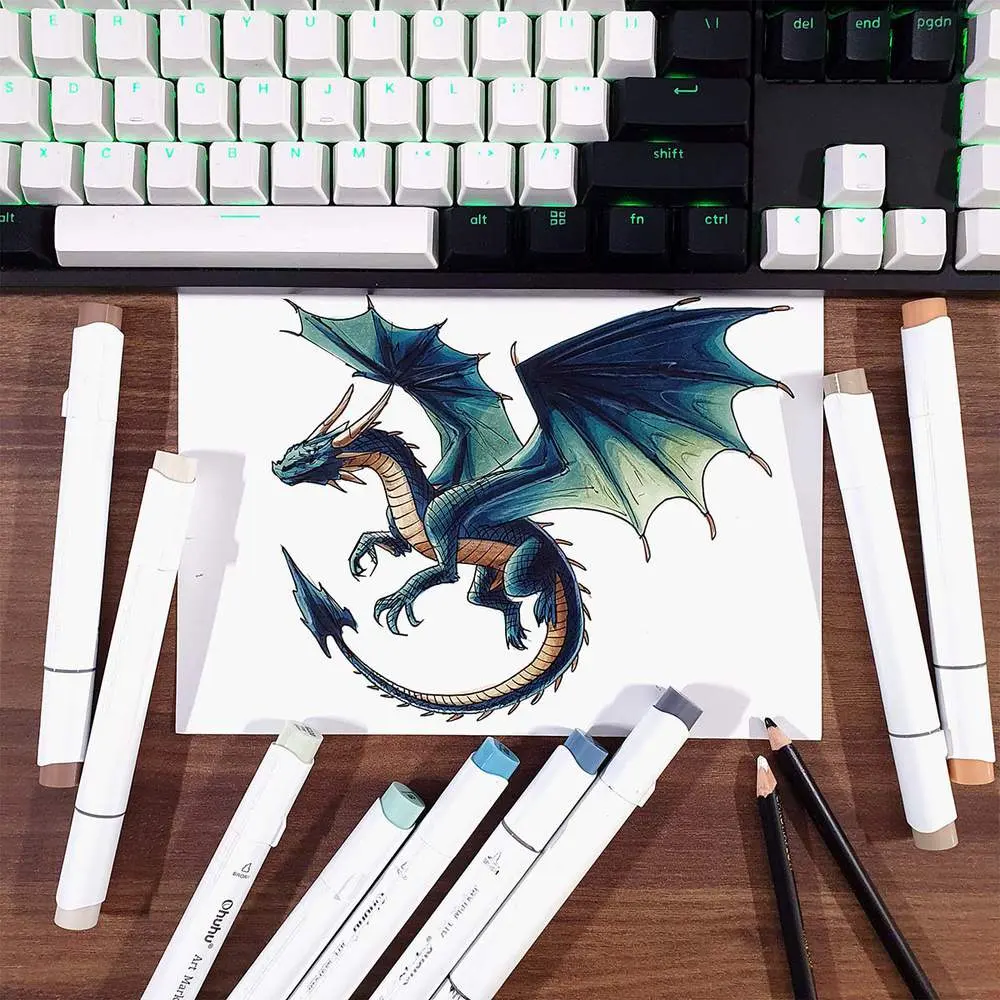
For those starting out, a standard HB graphite pencil is ideal for sketching the initial framework because it is easy to erase. You should also keep a kneaded eraser nearby, as it can lift graphite off the paper without damaging the surface or leaving residue. Once the structure is set, a 2B or 4B pencil is excellent for adding darker shadows and defining the contours of the dragon's scales or horns.
When you are ready to finalize your work, consider using fine-liner pens with varying tip sizes. A 0.1mm tip is perfect for intricate scale patterns, while a 0.5mm tip works well for outlining the primary silhouette. If you prefer working digitally, a pressure-sensitive tablet is the industry standard. It allows you to simulate the feel of traditional media while providing the convenience of layers, which are essential for separating the rough sketch from the refined line art.
How to design dragon wings
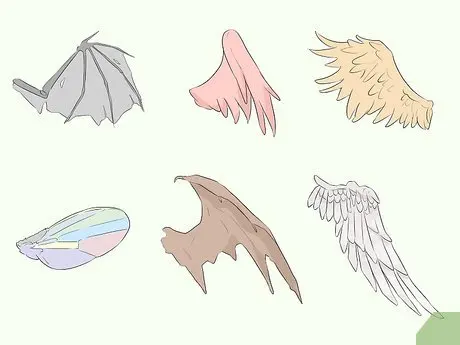
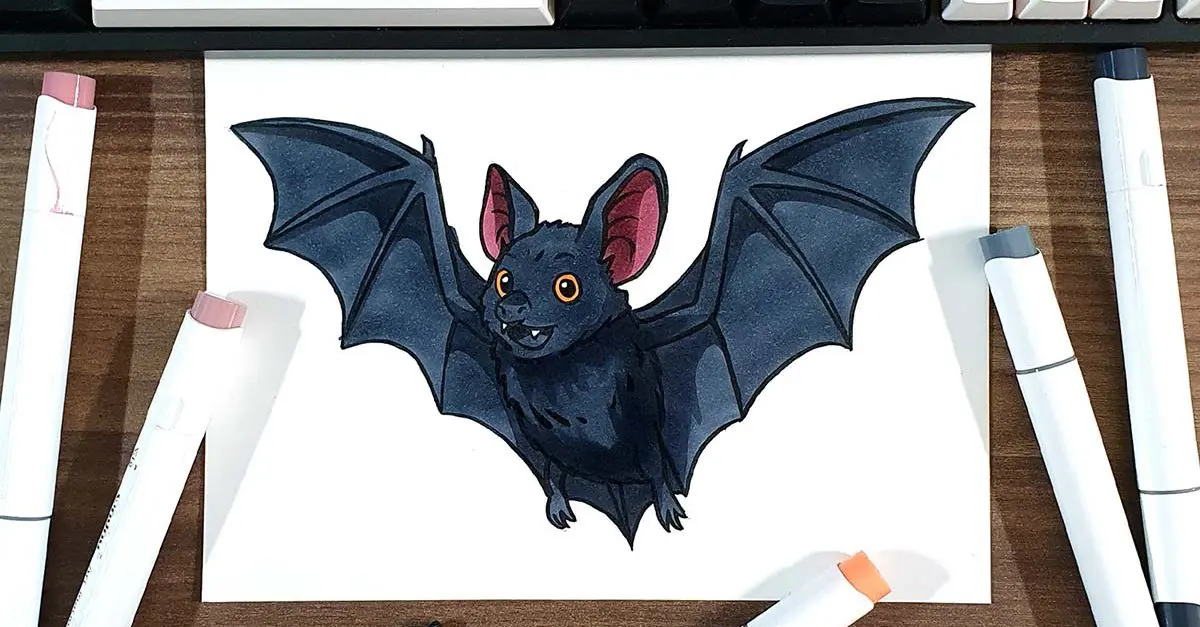
Dragon wings are essentially modified forelimbs, similar to the anatomy of a bat. The structure consists of a "thumb" claw at the top, followed by several elongated "fingers" that act as the struts for the wing membrane. To draw these correctly, follow these steps:
- Draw a long, curved bone extending from the shoulder to the wingtip.
- Add three or four smaller, radiating bones that fan out like an umbrella.
- Connect these bones with a thin, slightly sagging membrane to show weight and tension.
Avoid drawing the membrane as a perfectly straight line between the fingers. In nature, membranes are flexible and tend to curve inward slightly between the supporting bones due to gravity and air resistance. Adding small tears or notches in the membrane can also enhance the realism, suggesting that the dragon has seen many battles or long journeys through rough environments.
Common mistakes when drawing dragons
A frequent error is neglecting the weight of the creature. Dragons are massive, powerful beings, so their limbs should appear thick and muscular rather than spindly. If the legs look too thin, the dragon will appear incapable of supporting its own body weight. Similarly, avoid making the head too small; a large, heavy skull is necessary to house the jaw muscles required for a creature that breathes fire or hunts large prey.
Another common pitfall is the uniform placement of scales. Many beginners draw scales in a perfect grid, which looks artificial and rigid. Instead, follow the natural curves of the muscles. Scales should be smaller and tighter around joints and larger across the chest and back. By varying the size and shape of the scales based on the underlying muscle tension, you create a sense of three-dimensional depth that makes the dragon look alive.
Why dragon anatomy feels confusing
The complexity of dragon anatomy often stems from trying to combine features from different animals, such as lizards, birds, and mammals. To simplify this, think of the dragon as a predatory reptile with mammalian muscle groups. The chest should be deep to house large lungs, and the tail should serve as a counterbalance, especially if the dragon is bipedal. If the dragon is quadrupedal, the tail acts as a rudder for stability during flight.
By treating the dragon as a biological entity that must function in a physical environment, you resolve many design issues. Consider where the wings attach to the torso; they should be anchored to a strong, bony ridge on the back to support the massive effort of flight. When you focus on how the creature moves and breathes, the design choices become intuitive rather than arbitrary. Consistency in these anatomical rules is what separates a generic sketch from a professional-grade fantasy illustration.
Key facts
- Start by sketching basic geometric shapes like circles for the head and chest, and ovals for the hips to establish the dragon's posture.
- Use a "line of action" to create a fluid, dynamic curve through the spine, which makes the dragon look alive rather than stiff.
- Focus on the anatomy of the wings by mimicking the structure of a bat's wing, using long, finger-like bones to support the membrane.
- Incorporate overlapping scales by drawing them in a staggered, brick-like pattern rather than straight rows to create a realistic texture.
- Add weight to the dragon by drawing thicker, muscular legs and a long, heavy tail that acts as a counterbalance for the body.
- Avoid drawing perfectly symmetrical features, as slight variations in the horns, teeth, or scales add a sense of natural, organic detail.
The bottom line
Drawing a dragon effectively requires balancing reptilian anatomy with imaginative flair. By establishing a strong skeletal foundation using geometric shapes and a clear line of action, you create a believable posture. Focus on the interplay between muscular limbs, leathery wings, and textured scales to bring the creature to life. Remember that consistency in lighting and anatomy is the key to making your mythical beast appear truly formidable.
People also ask
What is the best way to make a dragon look fierce?
Focus on the eyes and the mouth. Narrow, reptilian pupils and sharp, serrated teeth create an immediate sense of danger and predatory intent.
How do I draw wings that look functional?
Ensure the wings are large enough to support the body's mass. A good rule of thumb is that the wingspan should be at least twice the length of the dragon's body.
Should I draw a dragon with four legs or two?
This depends on the archetype. A "wyvern" has two legs and two wings, while a traditional European dragon typically features four legs and two wings.
How can I create a sense of scale for a giant dragon?
Place a small, recognizable object, such as a knight, a tree, or a mountain peak, near the dragon. This provides a visual anchor for the viewer to judge size.
What are the most common mistakes when drawing dragon scales?
Beginners often draw scales too uniformly or too small. Vary the size of the scales based on the body part, using larger plates for the chest and smaller ones for the neck.
How do I draw fire coming out of a dragon's mouth?
Use a bright, glowing core for the center of the flame and darker, smoky edges. Show the fire originating from deep within the throat to suggest a powerful internal source.
This answer was created with the help of AI research tools and reference sources. Spotted an error? Let us know — we correct mistakes quickly. See our editorial policy.