How do you make muffins?
Short answer
Making muffins involves combining dry and wet ingredients separately before gently folding them together. The key is to avoid overmixing, which creates tough, rubbery textures. By baking at a high initial temperature, you achieve a rapid rise and a domed top. This simple, reliable process yields tender, flavorful baked goods every time.
On this page
How to make muffins from scratch
The muffin method is a fundamental baking technique characterized by the separation of wet and dry components. You begin by whisking together flour, sugar, baking powder, and salt in a large bowl. In a separate vessel, you combine liquid ingredients such as milk, eggs, melted butter, or oil. The goal is to create a batter that is just barely combined.
Once the wet and dry mixtures are ready, pour the liquids into the dry ingredients. Use a spatula to gently fold the mixture until the flour streaks disappear. It is perfectly acceptable for the batter to remain lumpy; in fact, lumps are necessary for a light, airy crumb. Overmixing develops gluten, which leads to dense, chewy muffins rather than the desired soft, cake-like consistency.
- Preheat your oven to 400°F (200°C) for a high-temperature initial rise.
- Whisk dry ingredients thoroughly to ensure even distribution of leavening agents.
- Mix wet ingredients until the eggs are fully incorporated.
- Fold the two mixtures together until just combined.
- Portion the batter into a greased or lined muffin tin.
- Bake until a toothpick inserted into the center comes out clean.
How long does it take to bake muffins
Most standard-sized muffins require between 18 and 22 minutes in a 400°F oven. Larger bakery-style muffins may take up to 25 or 30 minutes, while mini muffins often finish in 10 to 12 minutes. The exact timing depends heavily on the moisture content of your add-ins, such as fresh berries or grated vegetables, which can introduce extra steam and liquid.
To determine if your muffins are finished, look for a golden-brown top that springs back when pressed lightly with a finger. A wooden skewer or toothpick inserted into the center should emerge with no raw batter clinging to it. If you are using fruit, be aware that a small amount of fruit juice or melted sugar on the tester is normal, but the crumb surrounding it should be fully set.
- Use an oven thermometer to verify the internal temperature of your oven.
- Rotate the muffin tin halfway through the baking process for even browning.
- Let the muffins cool in the pan for five minutes before transferring to a wire rack.
- Avoid leaving them in the hot tin too long, as trapped steam will make the bottoms soggy.

Best ingredients for muffin beginners
For those new to baking, starting with high-quality, room-temperature ingredients is essential for success. Using large eggs and fresh milk ensures the emulsion holds together properly during mixing. Unsalted butter provides a rich flavor, while neutral vegetable oils create a moister, softer crumb that remains tender even after the muffins have cooled completely to room temperature.
Flour selection also plays a significant role in the final texture of your muffins. All-purpose flour is the standard choice, offering enough protein to provide structure without making the muffin tough. If you prefer a lighter result, you can substitute a small portion of the flour with cake flour. Always measure your flour by spooning it into the measuring cup and leveling it off with a knife, as scooping directly from the bag packs the flour and leads to dry, dense results.
- Use fresh baking powder, as expired leavening agents will result in flat, heavy muffins.
- Incorporate room-temperature ingredients to prevent the melted butter from seizing into lumps.
- Add flavor enhancers like pure vanilla extract, lemon zest, or ground cinnamon to the wet mixture.
- Fold in solid add-ins, such as chocolate chips or nuts, during the very final seconds of mixing.
Why muffins turn out dense or rubbery
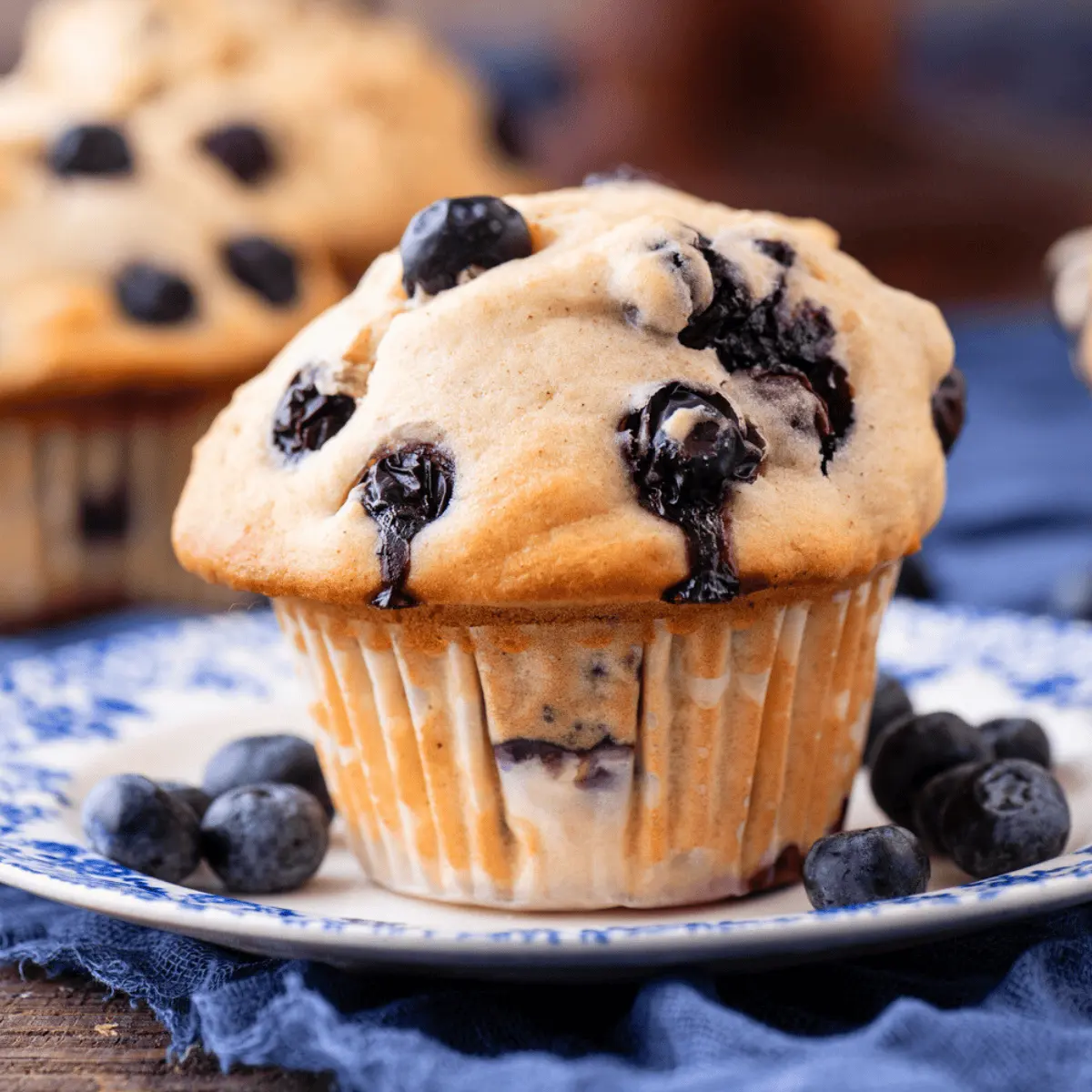
A dense or rubbery texture is almost always the result of overmixing the batter. When flour is agitated with liquid, the proteins glutenin and gliadin form gluten strands. While gluten is desirable in bread, it is detrimental to muffins, where you want a delicate, tender structure. By stopping the moment the dry flour streaks disappear, you prevent the formation of these tough, elastic networks.
Another common cause of poor texture is using too much flour or not enough leavening. If your muffins do not rise, check the date on your baking powder; if it is older than six months, it may have lost its potency. Additionally, ensure your oven is fully preheated before the muffins go inside. A cold oven prevents the leavening agents from reacting quickly enough, resulting in a flat, dense product that fails to develop a proper crown.
- Avoid using an electric mixer; always mix by hand with a spatula.
- Ensure your baking powder is active by testing a small amount in hot water.
- Do not overfill the muffin cups, as this can cause the batter to spill and lose structure.
- Check that your oven temperature is accurate, as an oven that runs cool will produce pale, gummy muffins.
Common mistakes when making muffins
One of the most frequent errors is failing to prepare the muffin tin correctly. Even with non-stick pans, using paper liners or a light coating of cooking spray is necessary to prevent sticking. Another mistake is letting the batter sit on the counter for too long before baking. Once the wet and dry ingredients meet, the chemical leavening begins to work immediately; if you wait too long, the gas escapes and the muffins will not rise.
Finally, many bakers make the mistake of over-crowding the oven. If the oven is too full, the temperature will drop significantly, and the airflow will be restricted, leading to uneven cooking. Always leave enough space between the pans and the oven walls to allow for proper heat circulation. By following these precise steps and avoiding these common pitfalls, you will consistently produce professional-quality muffins that are light, moist, and perfectly domed every single time you bake.
Key facts
- The "muffin method" requires mixing dry and wet ingredients in separate bowls before combining them briefly.
- Overmixing the batter is the most common error, as it develops gluten and leads to tough, rubbery muffins.
- Baking powder is the primary leavening agent, which reacts when moistened and again when heated in the oven.
- Filling muffin cups about three-quarters full ensures a classic domed top without the batter overflowing.
- Preheating the oven to 375°F (190°C) provides the initial burst of heat needed for the muffins to rise quickly.
- A toothpick inserted into the center of a muffin should come out clean or with just a few moist crumbs when finished.
The bottom line
Making perfect muffins relies on the simple technique of mixing wet and dry ingredients separately before combining them with minimal effort. By avoiding overmixing and ensuring your leavening agents are active, you can achieve a tender, light crumb every time. Whether you prefer sweet fruit variations or savory cheese additions, mastering this fundamental method provides a versatile foundation for endless baking experiments in your own kitchen.
People also ask
Why did my muffins turn out dense and heavy?
This usually happens if the baking powder is expired or if the batter was stirred too vigorously. Ensure your leavening agent is fresh and fold the ingredients together gently until just combined.
Can I replace butter with oil in muffin recipes?
Yes, using oil instead of butter will result in a moister muffin that stays soft for several days. However, butter provides a richer flavor profile that many bakers prefer.
How do I prevent muffins from sticking to the pan?
Grease the muffin tin thoroughly with non-stick cooking spray or butter, or use paper liners for easy removal. If you skip these steps, the sugar in the batter will caramelize and bond to the metal.
Why do my muffins have flat tops instead of high domes?
A low oven temperature often prevents the muffins from rising properly before the structure sets. Make sure your oven is fully preheated to the correct temperature before inserting the tray.
How long should muffins cool before I eat them?
Allow muffins to cool in the pan for about five minutes, then transfer them to a wire rack. Cooling prevents the bottoms from becoming soggy due to trapped steam.
Can I add fresh fruit to my muffin batter?
You can add berries or chopped fruit, but toss them in a tablespoon of flour first to prevent them from sinking to the bottom. Fold them in at the very end of the mixing process.
This answer was created with the help of AI research tools and reference sources. Spotted an error? Let us know — we correct mistakes quickly. See our editorial policy.