How do you draw freckles?
Short answer
Drawing realistic freckles involves layering varied, translucent dots across the bridge of the nose and cheeks. Use fine-tipped tools like brow pencils or liquid liners to create irregular shapes. Focus on organic placement, avoiding perfect symmetry or uniform spacing, to mimic the natural, sun-kissed appearance of genuine skin pigmentation.
On this page
How to choose the right tools for freckles
Achieving a natural look depends heavily on the tools you select. For a temporary, makeup-based application, choose a waterproof felt-tip brow pen or a fine-point liquid eyeliner in a shade slightly lighter than your deepest skin tone. These tools allow for precise, tiny dots that do not smudge easily. Avoid using standard black liquid liners, as they often appear too harsh and artificial against the skin.
If you prefer a softer, more diffused result, a small stippling brush and a cream or powder product work best. Dip the brush lightly into the product and gently tap it onto the skin to create a textured, uneven effect. For digital artists, use a brush with low opacity and jitter settings to simulate the scattering of pigment. Regardless of the medium, the key is choosing a tool that offers control over the size and intensity of each individual mark.
How to map freckle placement naturally
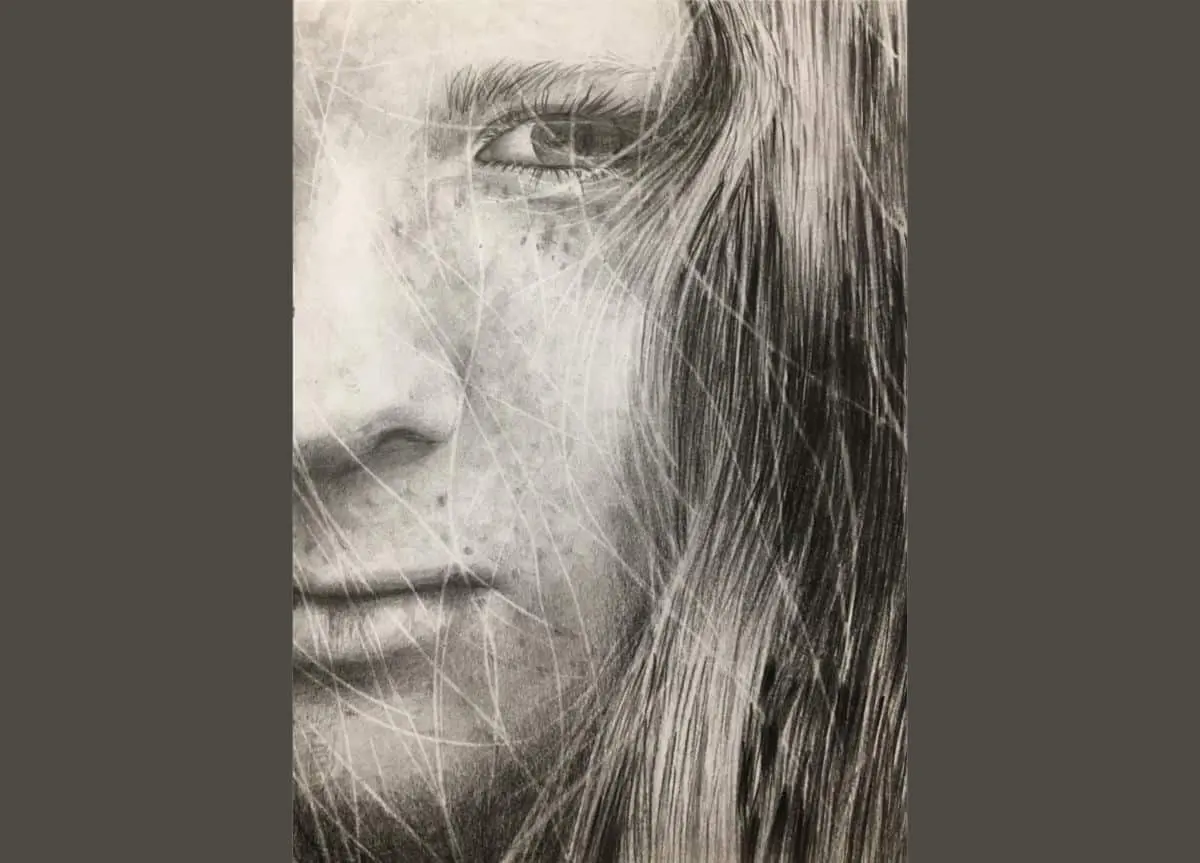
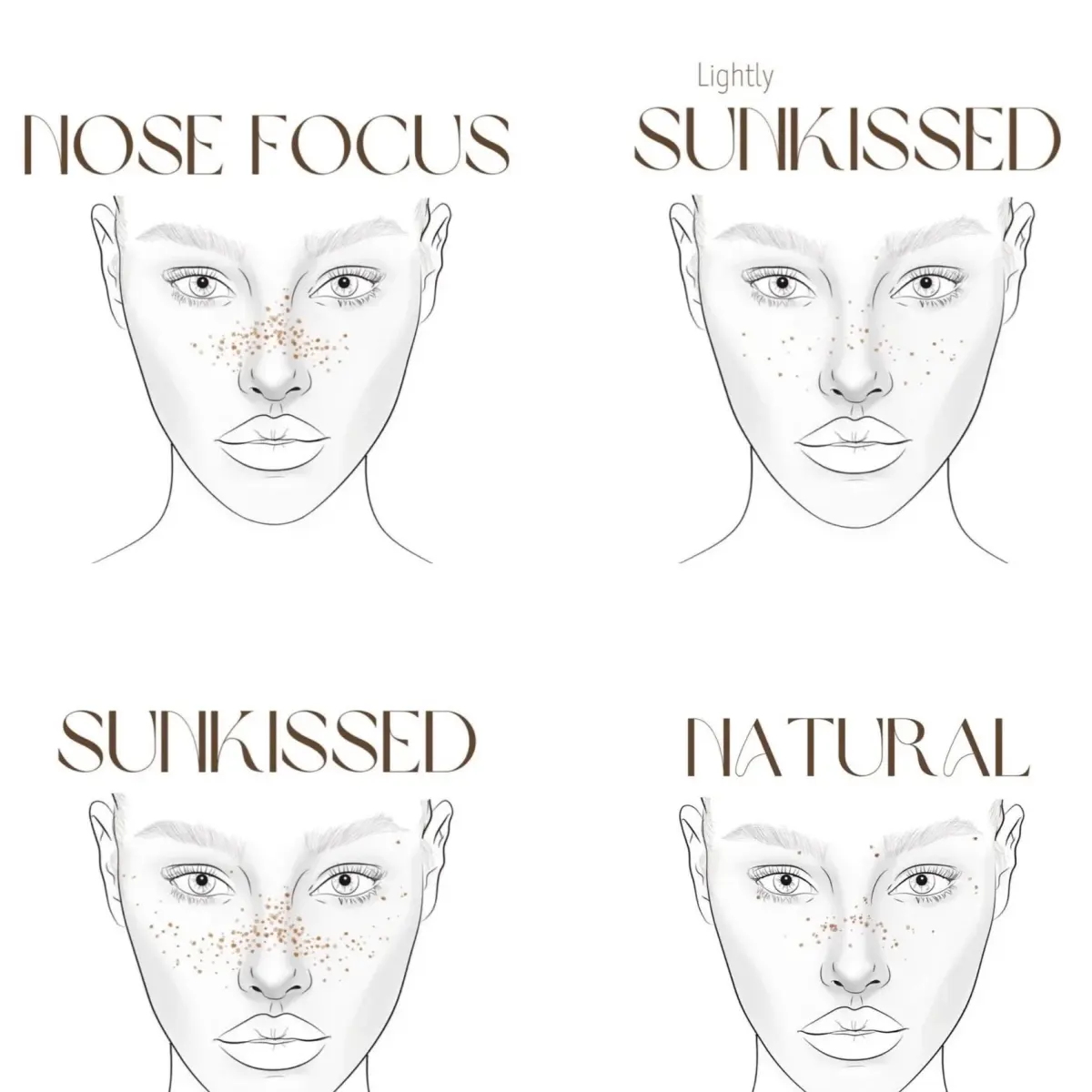
Freckles are not distributed evenly across the face; they naturally cluster where the sun hits the skin most directly. Start by focusing your application on the bridge of the nose and the tops of the cheeks. These areas receive the most ultraviolet exposure, which triggers the production of melanin. Avoid placing freckles in a straight line or a perfect circle, as this creates an unnatural, stamped appearance.
Follow these steps to ensure a realistic distribution:
- Identify the high points of your face, specifically the nose bridge and upper cheekbones.
- Lightly dot the product in these areas, keeping the density highest at the center of the bridge.
- Gradually decrease the number of dots as you move outward toward the temples.
- Add a few sparse, stray freckles on the forehead or chin to balance the overall look.
How to create realistic freckle texture and shape
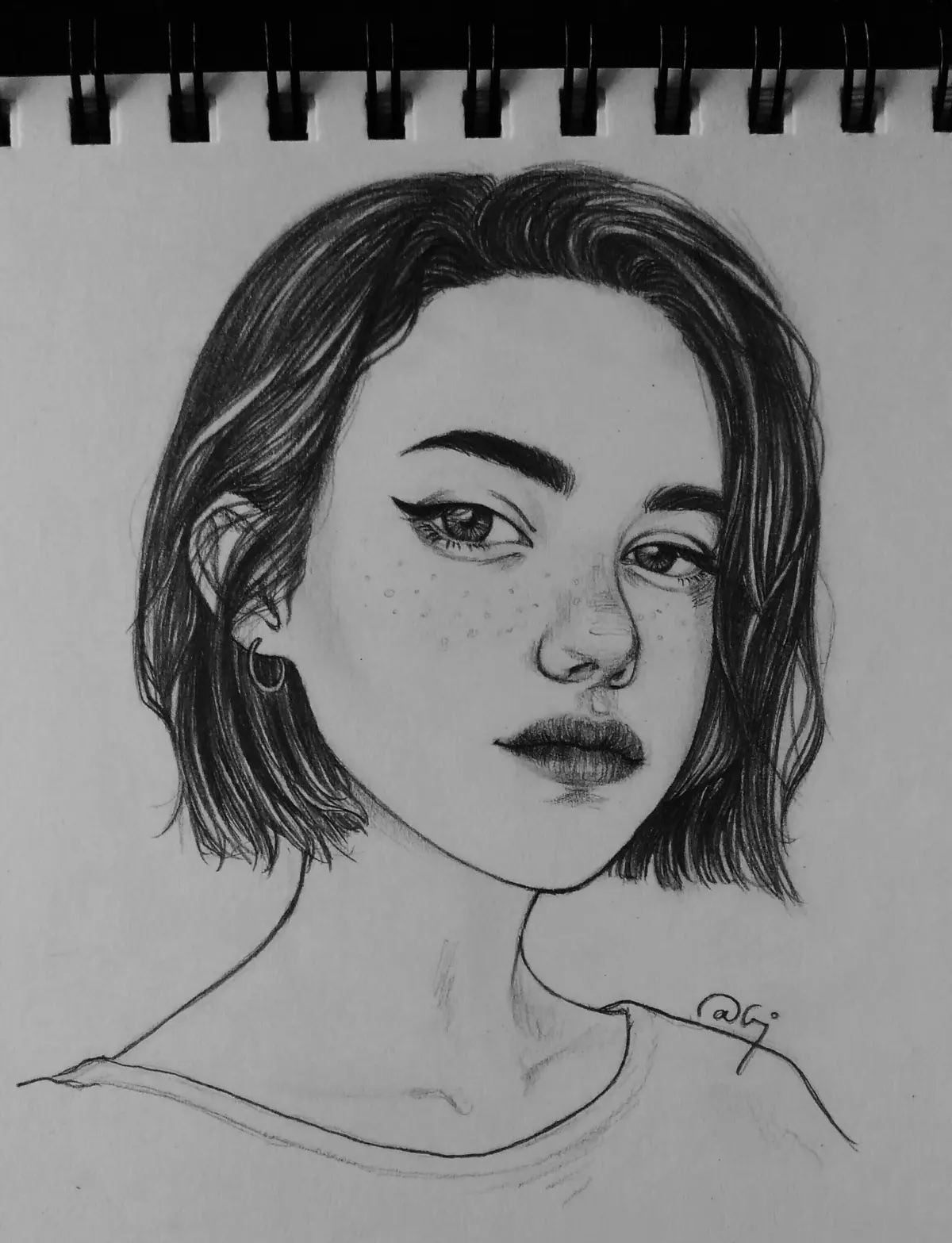
The secret to convincing freckles lies in their irregularity. Real freckles vary in size, shape, and opacity, so your drawing should reflect this diversity. If every dot is the same size, the result will look like a pattern rather than skin. Vary your pressure when applying the product to ensure some marks appear darker and more defined while others remain faint and soft.
Consider these techniques to enhance authenticity:
- Use at least two different shades of brown to create depth and dimension.
- Vary the pressure of your pen to change the diameter of each individual dot.
- Soften the edges of some dots by tapping them with a clean fingertip immediately after application.
- Overlap a few dots occasionally to create irregular, clustered shapes that mimic natural sun spots.
Common mistakes when drawing freckles
One of the most frequent errors is creating dots that are too uniform in size and spacing. When freckles are placed at equal intervals, the human eye immediately identifies them as a pattern rather than natural skin texture. Additionally, many beginners choose a color that is too dark or cool-toned. Freckles are typically warm-toned, ranging from light tan to reddish-brown; using a cool-toned ash brown can make the face look muddy or bruised.
Another mistake is failing to set the product, which leads to smudging throughout the day. If you are using makeup, lightly dust the area with a translucent setting powder to lock the freckles in place. Avoid applying heavy foundation over the top of your freckles, as this can make them look like they are floating on top of the skin rather than appearing as part of the complexion.
How to maintain a fresh freckle look
Once you have applied your freckles, the goal is to keep them looking subtle and integrated. If you are using a long-wear liquid product, ensure your skin is clean and dry before application to prevent the pigment from bleeding. If you find the freckles look too bold, you can gently buff over them with a damp beauty sponge to sheer out the color. This technique helps the pigment blend into your natural skin tone for a seamless finish.
For those who want a semi-permanent option, some individuals use henna or specialized freckle pens designed for longevity. If you choose these methods, perform a patch test on your skin first to ensure you do not have an adverse reaction to the ingredients. Remember that freckles should look like an enhancement of your features, not a mask. By keeping the application light and focusing on the areas where the sun naturally hits, you can achieve a youthful, radiant appearance that lasts all day.
Key facts
- Freckles are clusters of concentrated melanin triggered by sun exposure, typically appearing on the face, shoulders, and arms.
- Use at least three different shades of brown or taupe cosmetic pencils to mimic the natural variation in skin pigment.
- Apply dots in irregular, asymmetrical patterns rather than uniform grids to achieve a realistic, organic appearance.
- Always tap the dots gently with your fingertip immediately after application to soften the edges and blend them into the skin.
- Focus the highest density of freckles across the bridge of the nose and the tops of the cheeks where the sun hits most directly.
- Avoid using black or dark grey liners, as these colors appear harsh and unnatural against most skin tones.
The bottom line
Drawing realistic freckles is all about embracing asymmetry and natural variation. By using multiple shades of brown, varying the size of your dots, and focusing on sun-exposed areas, you can create a believable, youthful look. Remember to soften the edges of your marks by tapping them with your fingers, then set the final result with powder to ensure your work remains fresh throughout the entire day.
People also ask
Can I use permanent makeup for freckles?
Yes, cosmetic tattooing known as "freckle tattooing" is a semi-permanent procedure where pigment is deposited into the skin. It typically lasts one to three years before fading and requires professional application by a licensed technician.
Should I apply freckles before or after foundation?
It is best to apply freckles after your foundation and concealer but before setting your makeup with powder. This ensures the freckles sit naturally on the skin and allows you to set them in place for longevity.
What is the best tool for drawing realistic freckles?
A fine-tipped felt liquid eyeliner or a sharpened brow pencil provides the most control for creating tiny, precise dots. Some artists also use a specialized freckle pen designed with a soft, flexible tip for varied dot sizes.
How do I make freckles look less like polka dots?
Vary the pressure of your pen to create different sizes and shapes of dots. By mixing light taps with slightly firmer presses, you prevent the uniform look that makes drawn-on freckles appear artificial.
Do freckles need to be set with powder?
Yes, applying a light dusting of translucent setting powder over your drawn-on freckles helps lock them in place. This prevents them from smudging or fading throughout the day, especially if you have oily skin.
Can I use henna to create temporary freckles?
Henna can be used to stain the skin for a semi-permanent effect that lasts several days. Ensure you use natural, skin-safe henna and perform a patch test on your arm before applying it to your face.
This answer was created with the help of AI research tools and reference sources. Spotted an error? Let us know — we correct mistakes quickly. See our editorial policy.