How long do flamingos live?
Short answer
Flamingos typically live between 20 and 30 years in the wild, though they often survive much longer in captivity. With consistent care and protection from predators, some individuals in zoos have reached ages exceeding 60 or even 70 years. Their lifespan depends heavily on environmental stability, food availability, and health status.
On this page
How long do flamingos live in the wild?
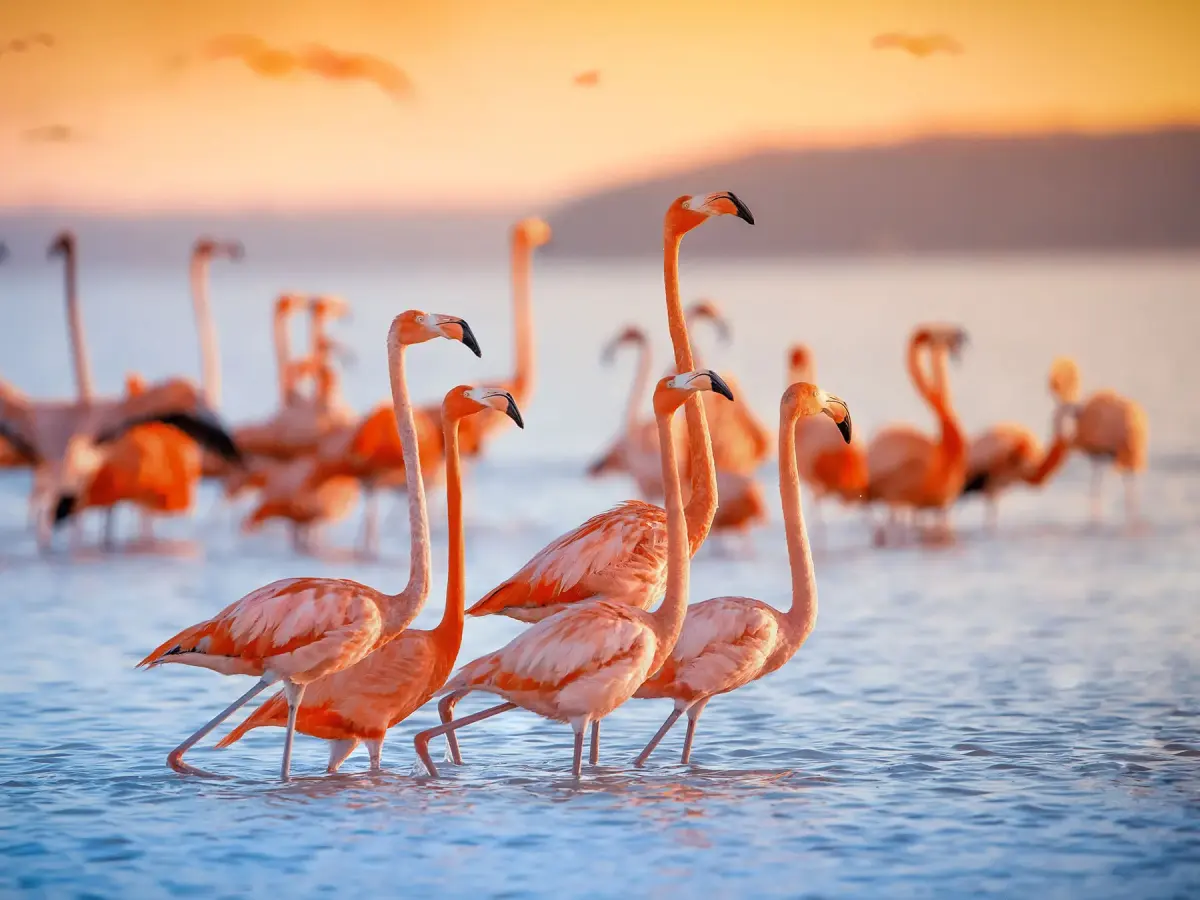
In their natural habitats, flamingos face numerous environmental challenges that limit their longevity. While they are resilient birds, factors such as predation, disease, and the drying up of alkaline lakes significantly impact their survival rates. On average, a wild flamingo that survives its vulnerable chick stage can expect to live for two to three decades.
The primary threats to wild populations include habitat degradation and human encroachment. Because flamingos rely on specific saline or alkaline wetlands for breeding and foraging, any disruption to these water sources forces them to relocate, which consumes vital energy reserves. When resources are abundant and threats are minimal, some wild flamingos have been documented living into their late thirties or early forties.
How long do flamingos live in captivity?
Captive flamingos often enjoy significantly longer lifespans than their wild counterparts due to the absence of natural predators and the guarantee of a consistent, nutritious diet. In controlled environments like accredited zoos and sanctuaries, it is not uncommon for these birds to thrive well into their fifties or sixties. The oldest recorded flamingo, a Greater Flamingo named Greater, lived at the Adelaide Zoo in Australia and reached the age of 83 before passing away in 2014.
Several factors contribute to this extended longevity in captivity:
- Protection from apex predators such as eagles, jackals, and hyenas.
- Regular veterinary checkups to detect and treat underlying health issues early.
- Specialized diets that mimic the carotenoid-rich algae and crustaceans found in the wild.
- Stable, temperature-controlled environments that prevent the stress of extreme weather fluctuations.
Why do flamingos live so long?
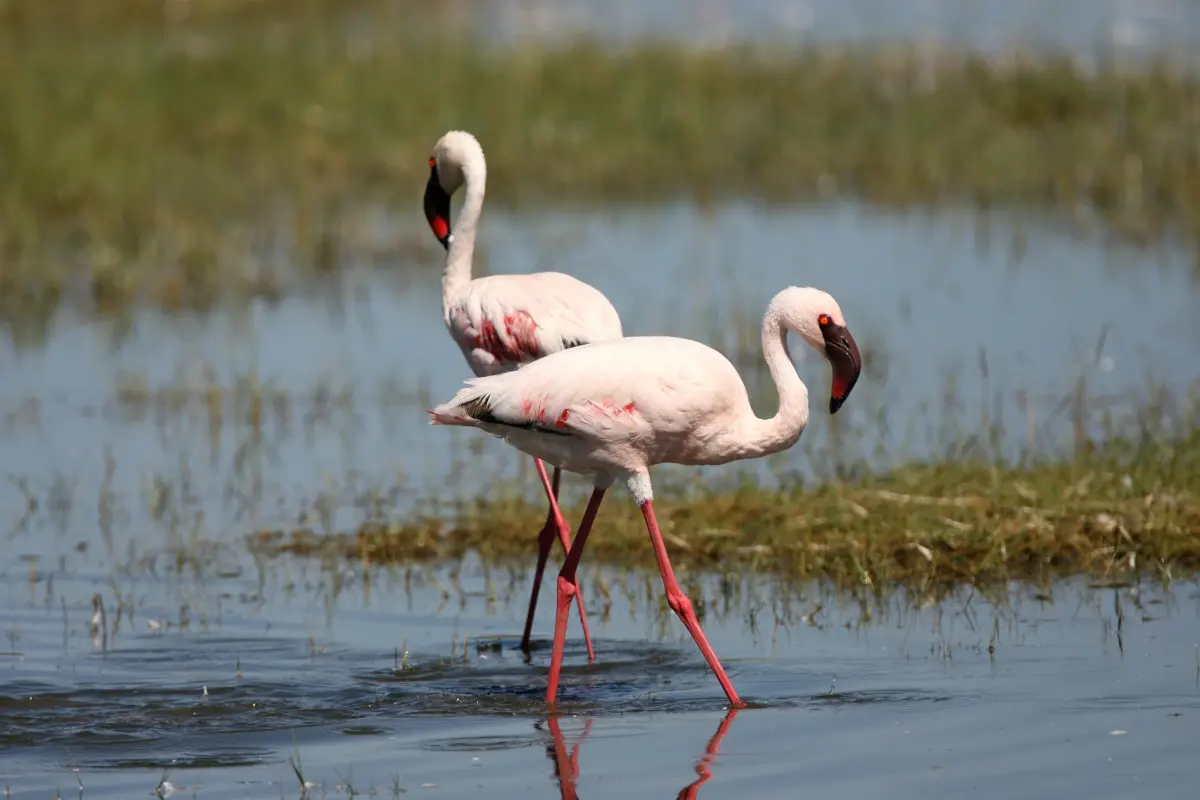
Flamingos possess unique biological adaptations that contribute to their overall hardiness. Their specialized beaks allow them to filter-feed on microscopic organisms, which provides them with a stable food source in extreme environments where few other animals can survive. This niche specialization reduces competition for resources, allowing them to maintain their health even in harsh, saline conditions.
Their social behavior also plays a critical role in their survival. Flamingos are highly gregarious birds that live in massive colonies, which provides a collective defense mechanism against predators. By nesting in dense groups, they increase the likelihood of offspring survival and share information about the location of food sources. This social structure reduces individual stress and promotes a communal lifestyle that supports the longevity of the entire flock.
Common mistakes when caring for flamingos
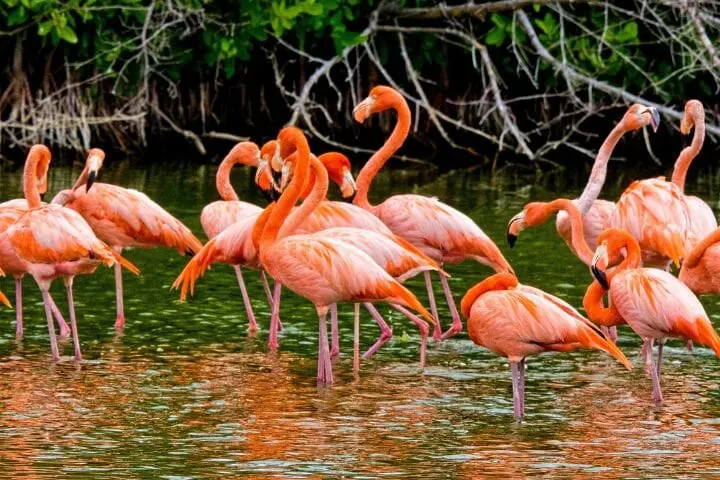
When managing flamingos in captivity, improper diet and inadequate space are the most frequent errors that negatively affect their lifespan. Flamingos require a specific balance of pigments, particularly beta-carotene, to maintain their health and their signature pink coloration. Without these nutrients, their immune systems can weaken, and their plumage may lose its vibrant color, which is often a sign of poor health.
To ensure the best care for these birds, practitioners should follow these guidelines:
- Provide a large, shallow water enclosure that allows for natural wading and filter-feeding behaviors.
- Ensure the diet includes high-quality, formulated pellets supplemented with natural pigments.
- Maintain a consistent group size, as flamingos are social animals that experience significant stress if kept in isolation or very small numbers.
- Regularly monitor the water quality of their enclosure to prevent the buildup of harmful bacteria or parasites.
What factors affect the lifespan of a flamingo?
The lifespan of a flamingo is largely determined by the quality of its habitat and its ability to avoid injury. In the wild, leg injuries are particularly dangerous because flamingos are wading birds that rely on their mobility to reach feeding grounds. A bird with a damaged leg may struggle to forage efficiently, leading to malnutrition or an inability to escape from predators.
Environmental pollution also poses a long-term threat to these birds. As filter feeders, flamingos are highly susceptible to the accumulation of heavy metals and toxins in their tissues, which can lead to chronic health problems over time. Furthermore, the loss of breeding sites due to climate change and human development forces populations to expend more energy searching for suitable habitats. By preserving pristine wetland ecosystems and minimizing human interference, conservationists can help ensure that these iconic birds continue to live long, healthy lives in the wild for generations to come.
Key facts
- Wild flamingos typically live between 20 and 30 years in their natural habitat.
- Captive flamingos often live significantly longer, frequently reaching 40 to 50 years of age.
- Greater flamingos are the longest-lived species, with some individuals surviving past 60 years in zoos.
- Predators such as lions, leopards, and hyenas are the primary cause of death for wild flamingos.
- Flamingos reach sexual maturity between three and six years old, though they may not breed until later.
- Proper nutrition and lack of predators are the main reasons captive birds outlive their wild counterparts.
The bottom line
The lifespan of a flamingo varies greatly depending on its environment, with captive birds living nearly twice as long as those in the wild. While wild flamingos face constant threats from predators and environmental instability, those in protected settings thrive for decades. Regardless of location, these birds rely on specialized diets and social structures to survive, making them one of the most resilient avian species on Earth.
People also ask
Do flamingos stay with the same mate for life?
Flamingos are generally monogamous during a single breeding season, but they often choose new partners each year. While some pairs stay together for multiple seasons, they do not strictly mate for life like swans or geese.
Why are flamingos pink?
Their distinctive color comes from carotenoid pigments found in the algae, larvae, and crustaceans they consume. If a flamingo does not eat a diet rich in these pigments, its feathers will eventually fade to a dull white or gray.
Can flamingos fly?
Yes, despite their long legs and awkward appearance, flamingos are strong fliers. They often travel hundreds of miles between lakes to find food or suitable breeding grounds.
How do flamingos sleep?
Flamingos frequently sleep while standing on one leg to conserve body heat and reduce energy expenditure. This behavior is possible due to a specialized "stay apparatus" in their legs that allows them to lock their joints in place without muscle effort.
Do flamingos live in cold climates?
While most species prefer tropical or subtropical regions, the Andean flamingo lives in high-altitude salt lakes in the Andes Mountains. These birds are adapted to survive in harsh, freezing conditions that would be lethal to other flamingo species.
How many eggs does a flamingo lay?
A female flamingo typically lays only one egg per breeding season. Both parents share the responsibility of incubating the egg for about 30 days and feeding the chick after it hatches.
This answer was created with the help of AI research tools and reference sources. Spotted an error? Let us know — we correct mistakes quickly. See our editorial policy.