What are the benefits of spending time outdoors?
Short answer
Spending time outdoors significantly improves physical health, mental clarity, and emotional well-being. Exposure to natural environments lowers cortisol levels, boosts immune function, and enhances cognitive performance. Regular interaction with nature reduces the risk of chronic diseases, alleviates symptoms of anxiety and depression, and fosters a deeper appreciation for the environment.
On this page
How long does it take to see benefits?
Research suggests that even brief encounters with nature yield measurable health improvements. A 2019 study published in Scientific Reports found that spending at least 120 minutes per week in nature is associated with good health and psychological well-being. This duration does not need to be completed in one sitting; shorter, cumulative sessions throughout the week are equally effective.
The physiological response to nature often begins within minutes of arriving in a green space. Blood pressure and heart rate typically stabilize as the body shifts from a sympathetic nervous system state, often called "fight-or-flight," to a parasympathetic state, known as "rest-and-digest." Consistent exposure over weeks and months leads to more sustained improvements in mood regulation and sleep quality.
To maximize these benefits, consider these time-based strategies:
- Aim for 20 minutes of daily exposure to maintain consistent stress relief.
- Incorporate "nature snacks" by taking short walks during lunch breaks or between meetings.
- Dedicate one longer session, such as a weekend hike, to achieve a deeper sense of mental restoration.
Why nature reduces stress and anxiety
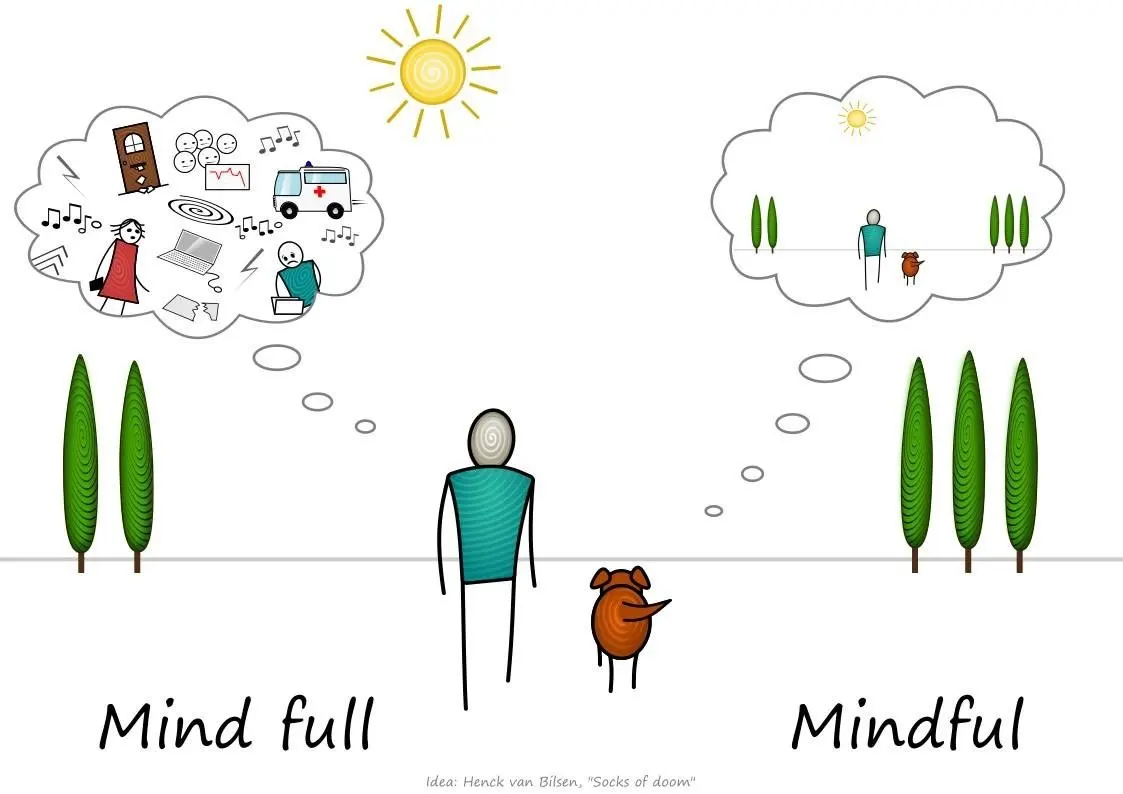
The psychological impact of the outdoors is largely explained by Attention Restoration Theory (ART). This concept posits that urban environments demand "directed attention," which leads to cognitive fatigue. Nature, conversely, provides "soft fascination," allowing the brain to recover by engaging with patterns, sounds, and movements that do not require intense focus.
Beyond cognitive recovery, nature exposure influences the endocrine system. Studies conducted by Japanese researchers on shinrin-yoku, or forest bathing, demonstrate that breathing in phytoncides—volatile organic compounds emitted by trees—increases the activity of natural killer cells in the human immune system. This biological interaction helps the body combat pathogens while simultaneously lowering levels of the stress hormone cortisol.
The reduction in anxiety is further supported by the "biophilia hypothesis," which suggests humans possess an innate tendency to seek connections with nature. When we are disconnected from these environments, we experience a form of sensory deprivation that can manifest as restlessness or irritability. Returning to natural settings realigns our sensory inputs with the environments in which our species evolved.
Best outdoor activities for beginners
Starting an outdoor routine does not require specialized equipment or extreme athleticism. The most effective activities are those that allow for gentle movement and sensory engagement. Walking remains the gold standard for beginners because it is accessible, low-impact, and can be performed in almost any local park or green space.
If you are just beginning, follow these steps to build a sustainable habit:
- Identify a local park, garden, or wooded area within a 10-minute commute of your home.
- Start with a 15-minute walk without the distraction of podcasts or music.
- Observe your surroundings by identifying three distinct sounds and three different colors.
- Gradually increase the duration of your outings as your comfort level grows.
Other low-barrier activities include gardening, birdwatching, or simply sitting on a park bench. The goal is to prioritize presence over performance. By removing the pressure to exercise vigorously, you allow your mind to fully engage with the environment, which is the primary driver of the mental health benefits associated with the outdoors.
Common mistakes when spending time outdoors
Many people hinder their experience by treating outdoor time as another task on a to-do list. The most frequent mistake is multitasking, such as taking work calls or listening to high-intensity audiobooks while walking. This prevents the brain from entering the state of soft fascination necessary for restoration, effectively canceling out the neurological benefits of the environment.
Another common error is failing to prepare for the elements, which can lead to physical discomfort and premature departure. Inadequate footwear, lack of sun protection, or improper layering for the weather can turn a restorative trip into a stressful ordeal. To avoid these pitfalls, ensure you have the following:
- Sturdy, comfortable shoes suitable for the terrain.
- Weather-appropriate clothing, including layers for temperature fluctuations.
- Sufficient water and basic sun protection, such as hats or sunscreen.
Finally, avoid the "destination trap," where you feel you must travel to remote wilderness areas to reap the benefits. While grand landscapes are beautiful, research indicates that local, accessible green spaces are just as effective for daily mental health maintenance. Consistency in your local environment is far more valuable than sporadic trips to distant locations.
How to stay safe in nature
Safety is paramount when spending time outdoors, regardless of the setting. Even in familiar local parks, it is important to remain aware of your surroundings and the potential for environmental hazards. Always check the weather forecast before heading out, as conditions can shift rapidly, particularly in forested or hilly areas.
When venturing into more remote or unfamiliar territories, follow these safety protocols:
- Share your planned route and expected return time with a friend or family member.
- Carry a basic first-aid kit and a fully charged mobile phone.
- Research local wildlife and learn how to react if you encounter animals in their habitat.
- Stay on marked trails to protect both yourself and the local ecosystem.
By respecting the environment and preparing for contingencies, you ensure that your outdoor experiences remain positive and sustainable. Nature offers a unique opportunity to disconnect from the digital world and reconnect with the physical reality of our planet. When approached with intention and basic safety precautions, time spent outdoors becomes one of the most effective tools for maintaining long-term physical and mental vitality.
Key facts
- Exposure to natural sunlight helps the body synthesize Vitamin D, which is essential for bone health and immune system function.
- Spending at least 120 minutes per week in nature is linked to significantly better self-reported health and psychological well-being.
- Natural environments lower cortisol levels, the primary hormone responsible for stress, helping to reduce blood pressure and heart rate.
- Viewing fractal patterns found in trees, clouds, and leaves can reduce stress levels by up to 60 percent compared to viewing urban scenes.
- Outdoor physical activity, known as "green exercise," often leads to higher levels of motivation and perceived enjoyment than indoor workouts.
- To maximize benefits, avoid the common mistake of bringing digital devices, as constant notifications can disrupt the restorative effects of nature.
The bottom line
Integrating time outdoors into your daily routine is a simple yet powerful strategy for enhancing physical and mental health. Whether through a brisk walk, gardening, or simply relaxing in a park, these moments in nature reduce stress, boost immunity, and improve sleep. By prioritizing brief periods of green exposure each week, you can foster a more balanced, energetic, and resilient lifestyle starting today.
People also ask
Does the time of day matter when spending time outdoors?
Yes, morning sunlight exposure is particularly effective at regulating your circadian rhythm, which improves sleep quality at night. Aim for 15 to 30 minutes of natural light shortly after waking up.
Can gardening be considered a beneficial outdoor activity?
Gardening is an excellent form of low-impact exercise that improves motor skills and provides a sense of accomplishment. Research shows that it can lower symptoms of depression and anxiety in many adults.
How can I stay safe while exercising outdoors?
Always check the weather forecast and wear appropriate gear, such as moisture-wicking clothing and supportive footwear. Apply sunscreen with at least SPF 30 to prevent skin damage during peak UV hours.
Is it necessary to go to a forest to get these benefits?
No, even small urban parks or neighborhood green spaces provide significant mental health advantages. The key is to find a place where you can disconnect from daily stressors and observe nature.
What is the best way to start a nature routine?
Begin by scheduling short, 20-minute walks in a local park three times a week. Gradually increase the duration as you become more comfortable and notice improvements in your mood.
Can spending time outdoors help with eye health?
Yes, looking at distant objects in an outdoor setting helps reduce eye strain caused by prolonged screen time. It is especially important for children, as outdoor light may help slow the progression of nearsightedness.
This answer was created with the help of AI research tools and reference sources. Spotted an error? Let us know — we correct mistakes quickly. See our editorial policy.