Are wolves dangerous to humans?
Short answer
Wolves are rarely dangerous to humans, as they are naturally shy and typically avoid contact with people. While attacks are statistically extremely uncommon, they can occur under specific circumstances, such as when wolves are habituated to human food, sick with rabies, or provoked. Generally, healthy wild wolves pose no threat to hikers.
On this page
Why do wolves avoid humans?
Wolves are apex predators that rely on caution to survive in the wild. Their survival instincts dictate that they should avoid unknown entities, including humans, to minimize the risk of injury. Most encounters are fleeting, as wolves possess a keen sense of smell and hearing that allows them to detect people long before they are seen. They view humans as a potential threat rather than a prey source, and they will almost always choose to retreat into the forest when they realize someone is nearby.
This natural fear is a learned behavior that keeps wolf populations safe from human persecution. In regions where wolves are hunted or harassed, this avoidance behavior is even more pronounced. However, this dynamic changes if wolves become habituated to human presence, often due to the availability of human-provided food or trash. When wolves lose their natural fear, they may approach homes or campsites, increasing the risk of negative interactions. Maintaining a wild, fearful wolf population is essential for both human safety and wolf conservation.
How do wolf attacks happen?
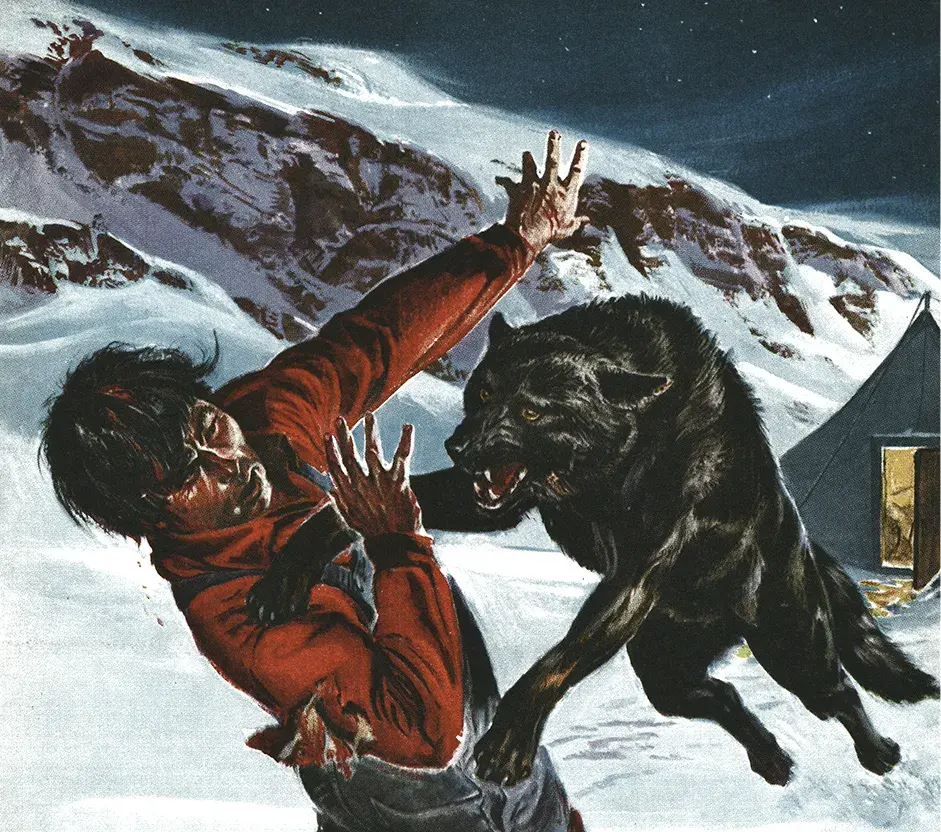
While attacks on humans are exceptionally rare, they typically follow a predictable pattern. Most recorded incidents involve wolves that have become habituated to humans, often because people have intentionally or unintentionally fed them. When a wolf loses its fear of humans, it may begin to test boundaries, leading to aggressive behavior. In very rare cases, predatory attacks have occurred, though these are almost exclusively linked to wolves that have been conditioned to associate humans with food.
Rabies is another, though less common, factor that can lead to aggressive behavior in wolves. A rabid wolf may lose its natural caution and behave erratically, potentially biting humans or livestock. It is important to distinguish between a healthy wolf acting out of curiosity or territoriality and one that is suffering from a neurological disease. Understanding these triggers helps clarify why attacks occur, emphasizing that they are not random acts of aggression but are usually the result of specific environmental or biological circumstances.
What to do if you encounter a wolf
If you find yourself in the presence of a wolf, your primary goal is to maintain your safety while allowing the animal to leave. Do not panic, as sudden movements can trigger the animal's predatory chase instinct. Instead, follow these professional safety protocols to ensure a peaceful resolution:
- Stand your ground and maintain eye contact, but do not stare aggressively.
- Make yourself look as large as possible by raising your arms or opening your jacket.
- Speak in a firm, loud, and calm voice to communicate that you are a human.
- Back away slowly while keeping your face toward the animal; never turn your back or run.
- If the wolf approaches, throw objects or use pepper spray to deter it.
By following these steps, you reinforce the wolf's natural instinct to avoid humans. Remaining calm and assertive is the most effective way to manage the encounter without escalating the situation.

Common mistakes when in wolf country
Many people inadvertently create dangerous situations by failing to secure their surroundings in areas where wolves are present. One of the most significant errors is leaving food, pet waste, or trash accessible to wildlife. This acts as an attractant, drawing wolves closer to human dwellings and potentially leading to habituation. Once a wolf associates a human location with a food reward, it is much more likely to return and lose its natural, healthy fear of people.
Another common mistake is attempting to interact with wolves for photographs or entertainment. Feeding, calling to, or trying to touch a wolf is extremely dangerous and often illegal. Furthermore, people often fail to supervise their pets or small children in remote areas. Wolves may view small dogs as prey or as rivals to their territory. To stay safe, follow these best practices:
- Secure all food and garbage in bear-resistant containers.
- Keep dogs on a short leash at all times.
- Never leave small children unattended near the edge of a campsite.
- Avoid hiking alone during dawn or dusk, when wolves are most active.
How to stay safe while camping
Camping in wolf habitat requires vigilance and proper food storage techniques to prevent unwanted visits. The goal is to ensure that your campsite does not offer any incentives for a wolf to investigate. By keeping a clean site, you remove the primary reason a wolf would ever approach a human sleeping area. Store all scented items, including toiletries and food, in sealed, odor-proof bags or hard-sided containers to minimize the chances of attracting curious wildlife.
If you are camping in a remote area, consider the following safety measures to provide an extra layer of protection:
- Use a tent that is in good repair to provide a clear barrier between you and the outdoors.
- Keep your campsite free of food scraps and wash dishes far away from your sleeping area.
- Carry bear spray, which is effective against wolves, and keep it in an accessible location.
- Make noise while hiking to avoid surprising a wolf that might be resting nearby.
By respecting the animal's space and managing your own behavior, you can safely enjoy the wilderness without fear of wolf encounters.
Key facts
- Wolves are naturally wary of humans and typically flee when they detect a person’s presence.
- Attacks on humans are exceptionally rare, with fewer than 10 documented fatal cases in North America over the last century.
- Habituated wolves, which have been fed or conditioned to associate humans with food, pose the highest risk.
- If you encounter a wolf, maintain eye contact and stand your ground; never run, as this may trigger a predatory chase response.
- Make yourself appear as large as possible by raising your arms or opening your jacket.
- Back away slowly while facing the animal until you are at a safe distance.
The bottom line
While wolves are powerful predators, they are not inherently dangerous to humans and generally avoid contact. Most negative encounters occur when wolves lose their natural fear due to human-provided food or habituation. By maintaining distance, securing food sources, and reacting calmly during rare encounters, you can safely coexist with these animals. Respecting their wild nature remains the most effective way to prevent conflict in their habitats.
People also ask
Do wolves hunt humans as a primary food source?
No, humans are not part of a wolf’s natural diet. Wolves prefer ungulates like deer, elk, and moose, and they generally view humans as a threat rather than prey.
What should I do if a wolf approaches me?
Stand tall, make loud noises, and throw objects toward the animal without turning your back. If the wolf continues to advance, use bear spray if available or fight back aggressively if physical contact occurs.
Are wolves more dangerous in the winter?
Wolves may be more active or visible in winter due to food scarcity, but the season itself does not change their fundamental behavior toward humans. They remain elusive and cautious regardless of the time of year.
Can I keep a wolf as a pet to ensure safety?
No, wolves are wild animals with complex social structures and instincts that cannot be domesticated. Keeping a wolf as a pet is dangerous, often illegal, and unfair to the animal’s natural needs.
Are wolves dangerous to my dog?
Yes, wolves are territorial and may view domestic dogs as intruders or competition. Keep dogs on a leash in wolf country and bring them inside at night to prevent conflict.
How can I tell if a wolf is acting aggressively?
Signs of aggression include flattened ears, baring teeth, growling, or a stiff, forward-leaning posture. If you observe these behaviors, leave the area immediately without turning your back on the animal.
This answer was created with the help of AI research tools and reference sources. Spotted an error? Let us know — we correct mistakes quickly. See our editorial policy.